
 How Does a Generator Work? →
Are Solar Panels Efficient? 2026 Homeowner Guide

Are solar panels efficient? Learn why modern residential modules reach around 20–23% efficiency, what reduces output, and how to compare panels for your home.
Practical generator guides, solar power insights and independent buying advice for your home, RV and everyday life.
Are solar panels efficient? Learn why modern residential modules reach around 20–23% efficiency, what reduces output, and how to compare panels for your home.
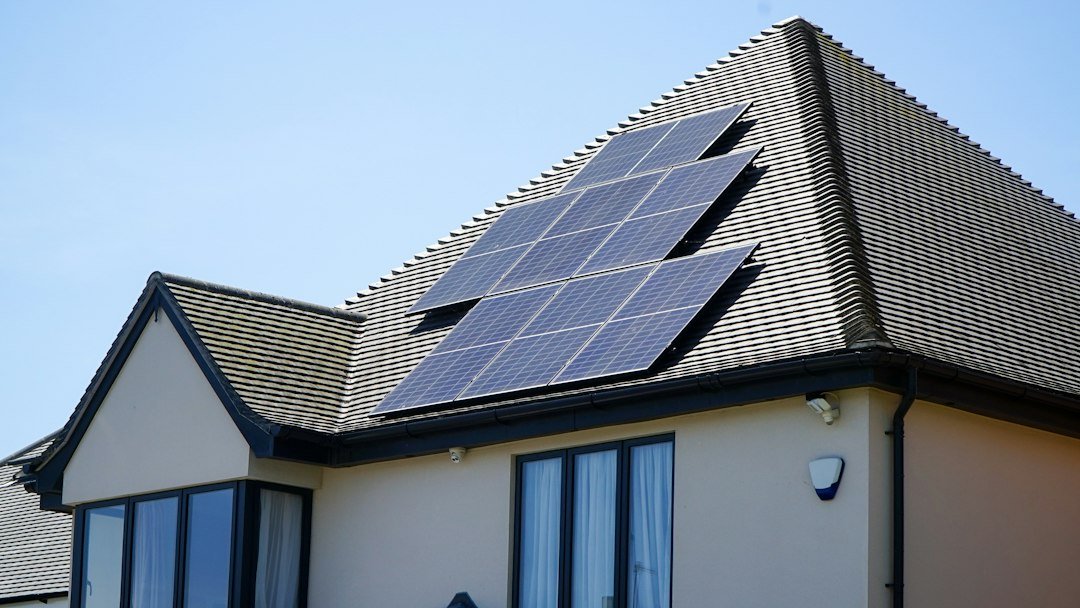
Do solar panels need batteries? Learn when solar works without storage, what happens at night or during outages, and how to size a home battery.

Do plug-in solar panels work? Learn how balcony solar reduces electric bills, its power output, costs, safety, outage limits, and 2026 U.S. rules.

Learn how long solar panels last, how performance changes over time, and what product and performance warranties cover.

Estimate solar bill savings, payback, financing costs and utility credits before choosing a home system.
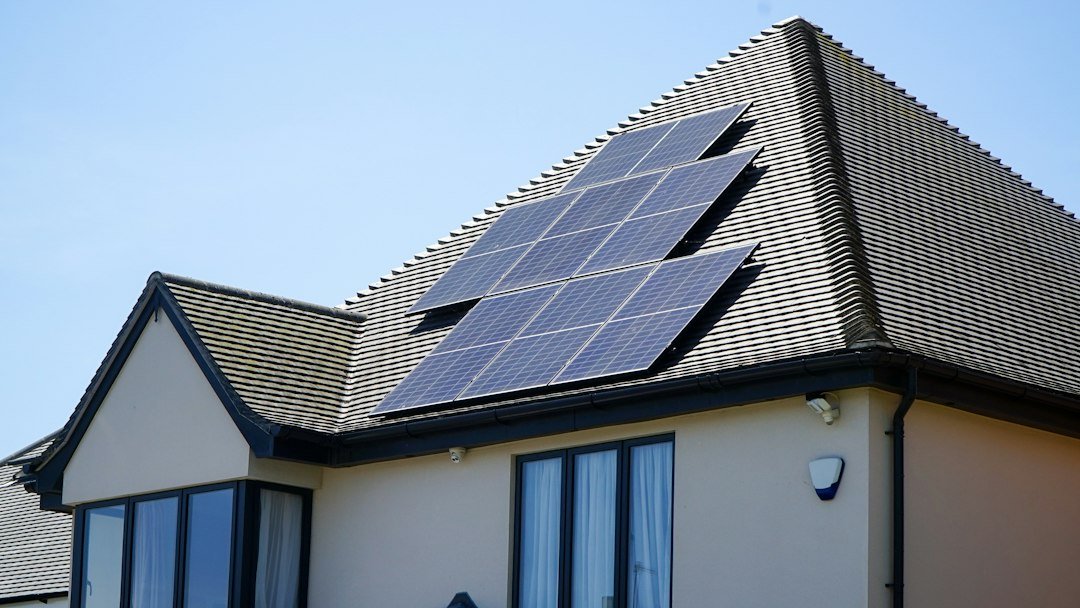
Follow the residential solar installation process from quotes and permits to inspection, utility approval, and handover.

Learn when solar can power a home, how batteries and grid connections help, and what happens during an outage.
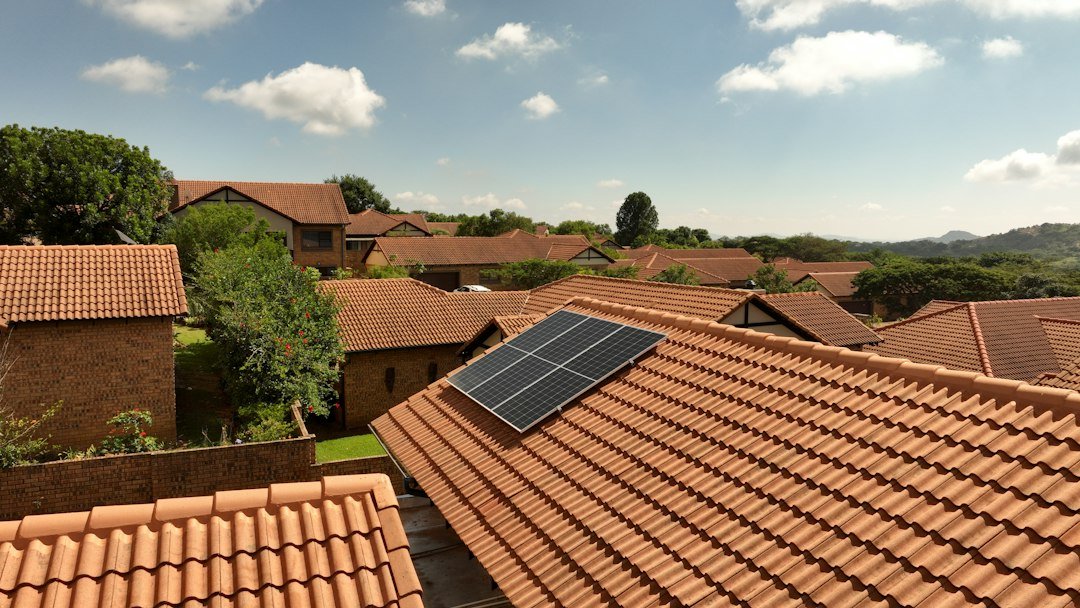
Learn how solar panels generate electricity, how inverters and batteries work, and what to expect during an outage.

Compare residential solar installation costs, financing, battery options, and the 2026 federal tax-credit rules.
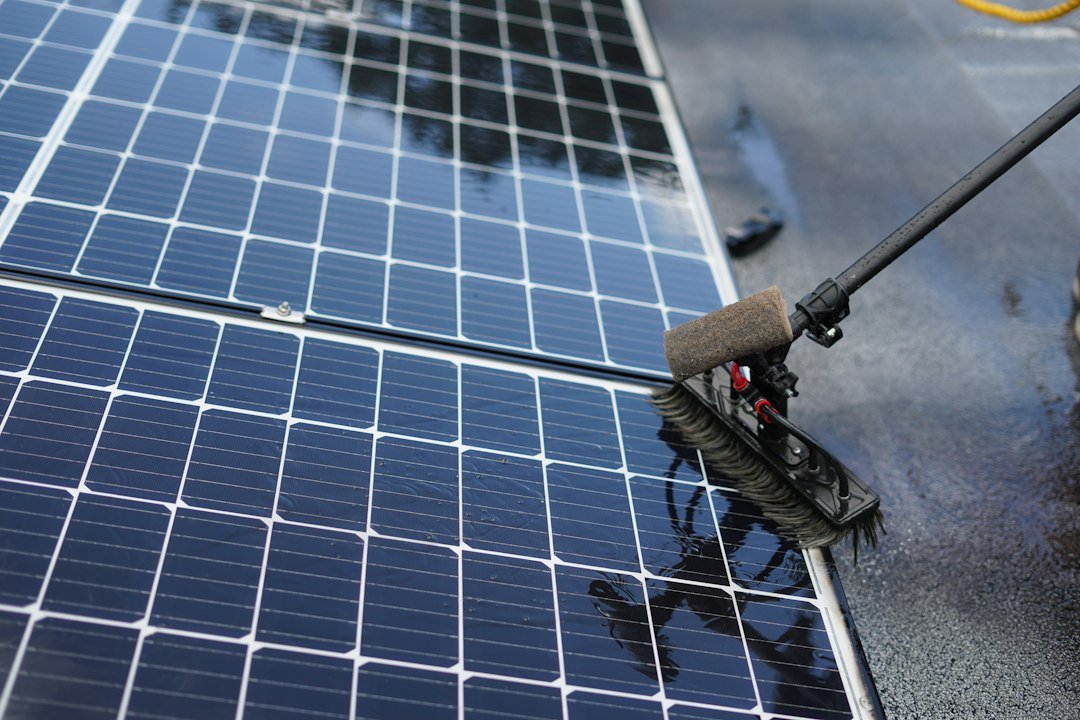
Learn how to tell if solar panels need cleaning, why dirt affects output, and when to call a professional.

Estimate portable power station runtime from watt-hours and load watts, understand cycle life, and plan storage, solar charging, and long-term use.

Calculate how many solar panels your house needs using annual kWh, local solar production, panel wattage, roof limits, and a clear worked example.

Compare a power bank with a portable power station by watt-hours, output, ports, portability, safety and FAA travel limits before choosing backup power.

Solar panels can generate electricity from diffuse daylight under clouds, but output varies. Learn what to expect, how to read monitoring data, and when low production signals a fault.

Estimate power-bank recharge time from rated energy, supported input, charger and cable limits, then troubleshoot a session that takes much longer than expected.
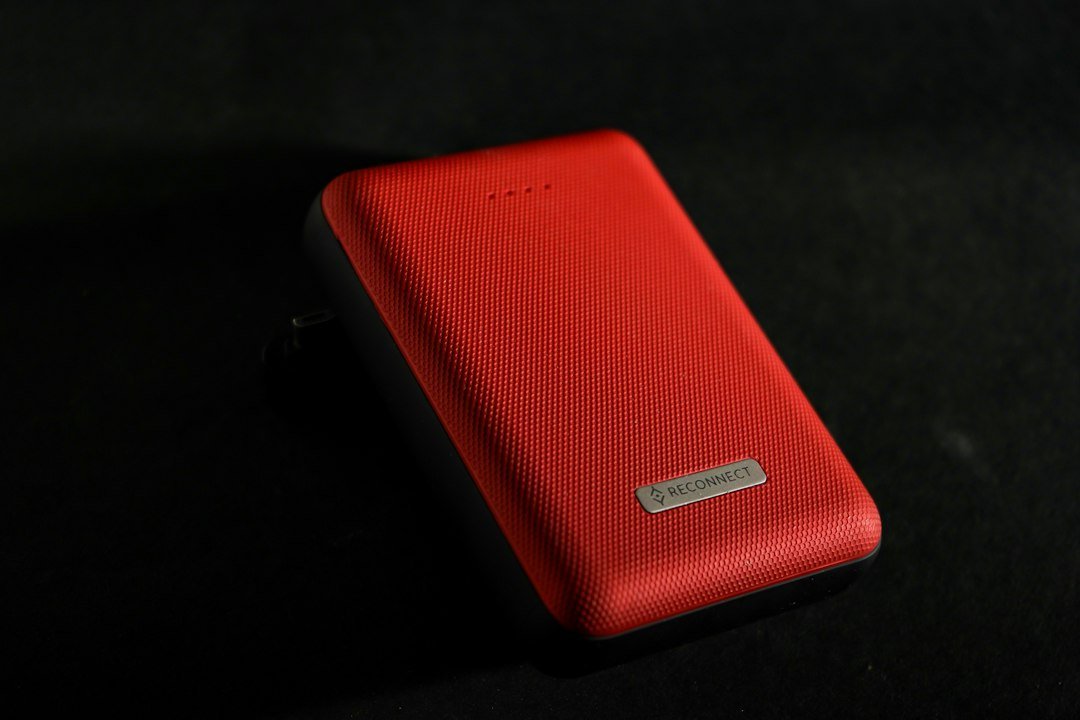
Check whether a power bank truly supports pass-through charging, identify model-specific limits, and troubleshoot simultaneous input and output safely.
Compare Wh, Ah and mAh using the correct voltage, transparent runtime assumptions and practical battery-label checks before buying backup power.
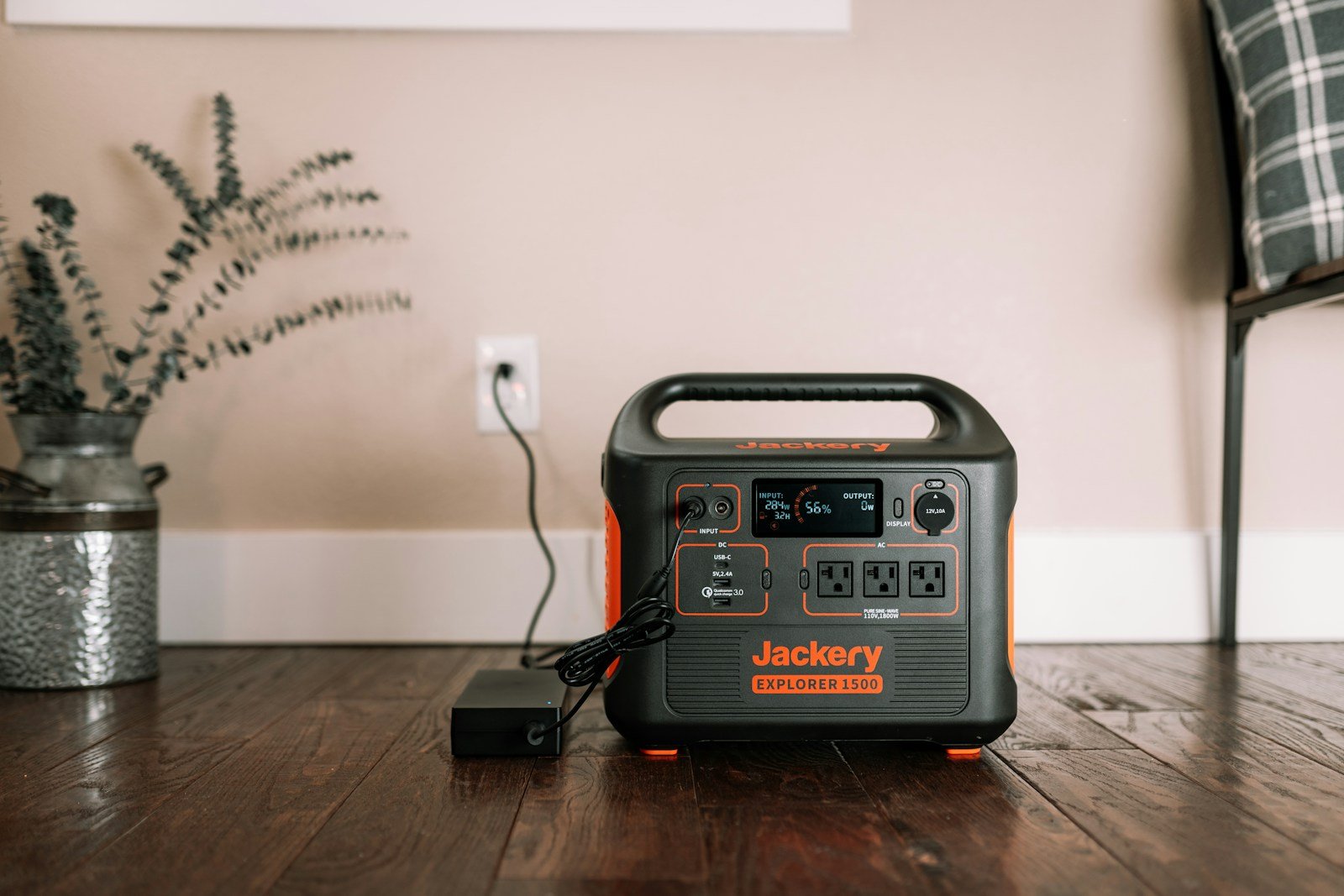
When a portable power station will not charge, first identify the failed input method: wall AC, solar, or vehicle charging. Then check the exact model’s instructions, screen warnings, supported cable,…
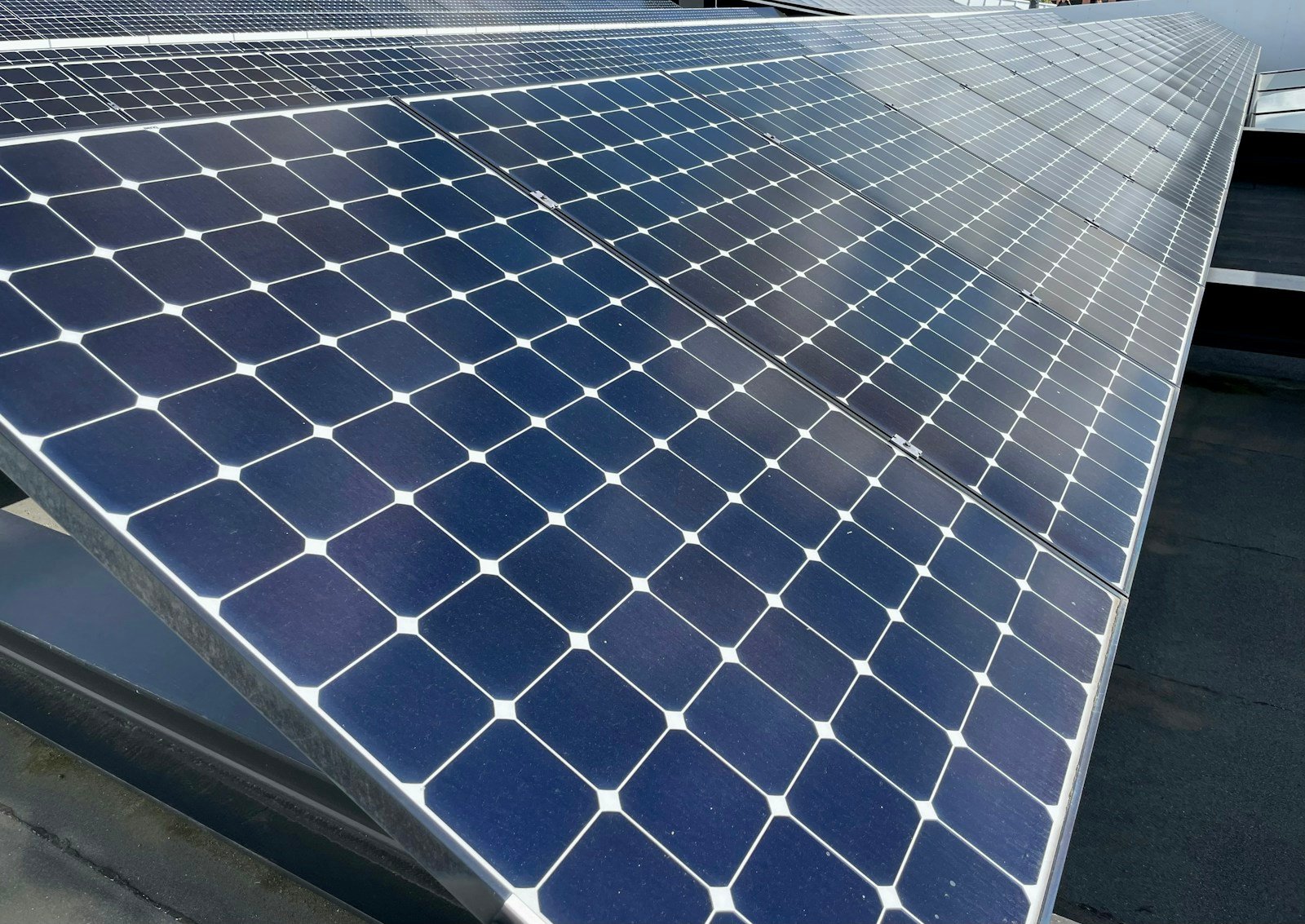
Solar panels in series add voltage; panels in parallel add current. Neither arrangement is automatically better for every system. The right choice must fit the charge controller or power station’s…
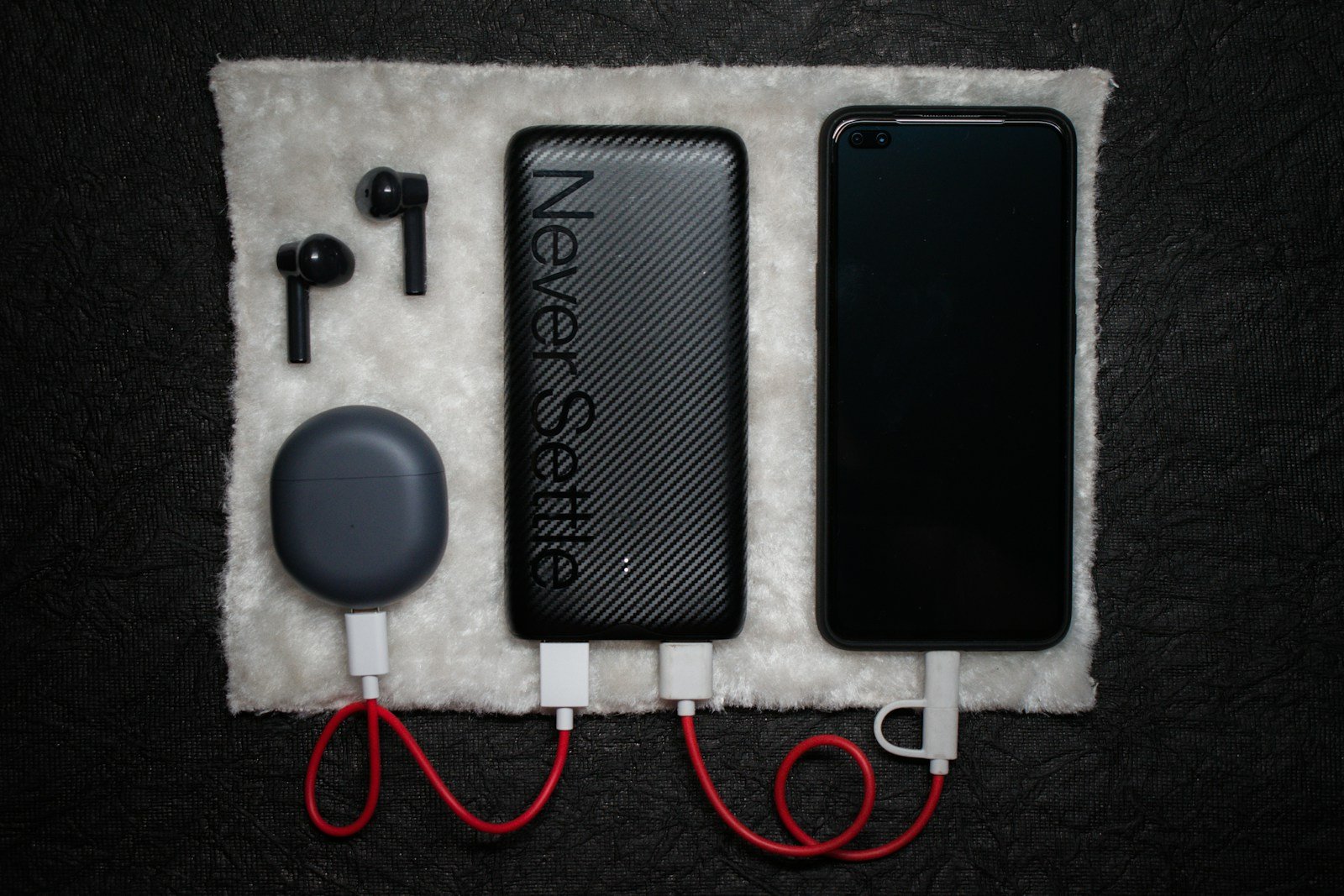
A power bank’s lifespan is not a fixed number of birthdays or a direct consequence of its advertised mAh capacity. The useful answer depends on the exact model, its condition,…
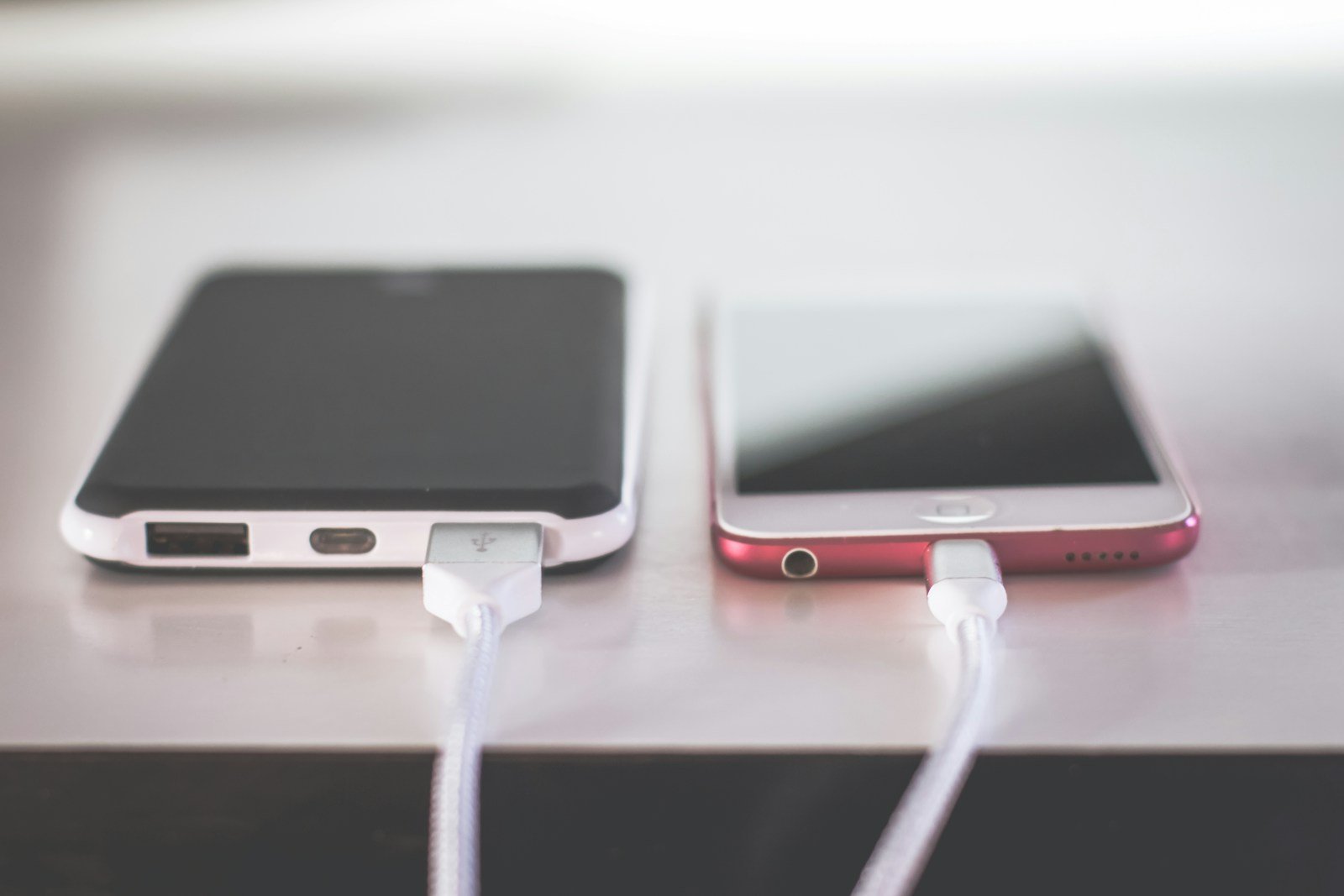
To dispose of a power bank in the United States, keep it out of household trash and curbside recycling. Find an electronics recycler or household hazardous-waste collection program that accepts…

The standard EcoFlow DELTA 3 is a 1,024Wh expandable power station with 1,800W total rated AC output. It sits alongside the DELTA 3 Classic and DELTA 3 Plus, but those…

The EcoFlow DELTA 3 Plus combines a 1,024Wh battery with 1,800W total rated AC output. Its distinguishing features include two solar inputs and higher-power USB-C outputs, rather than a larger…

The Jackery Explorer 1500 Ultra is the JE-1500C, a 1,536Wh LiFePO4 power station with 1,800W total AC output. It is a different product from the original Explorer 1500. Before buying,…

The EcoFlow DELTA 3 Classic is a 1,024Wh portable power station with 1,800W rated AC output. Its most important buying limitation is easy to miss: EcoFlow’s US specifications list no…

You can generally bring a qualifying power bank on a US passenger flight in your carry-on baggage, but the battery’s watt-hour rating and your airline’s current rules both matter. Do…
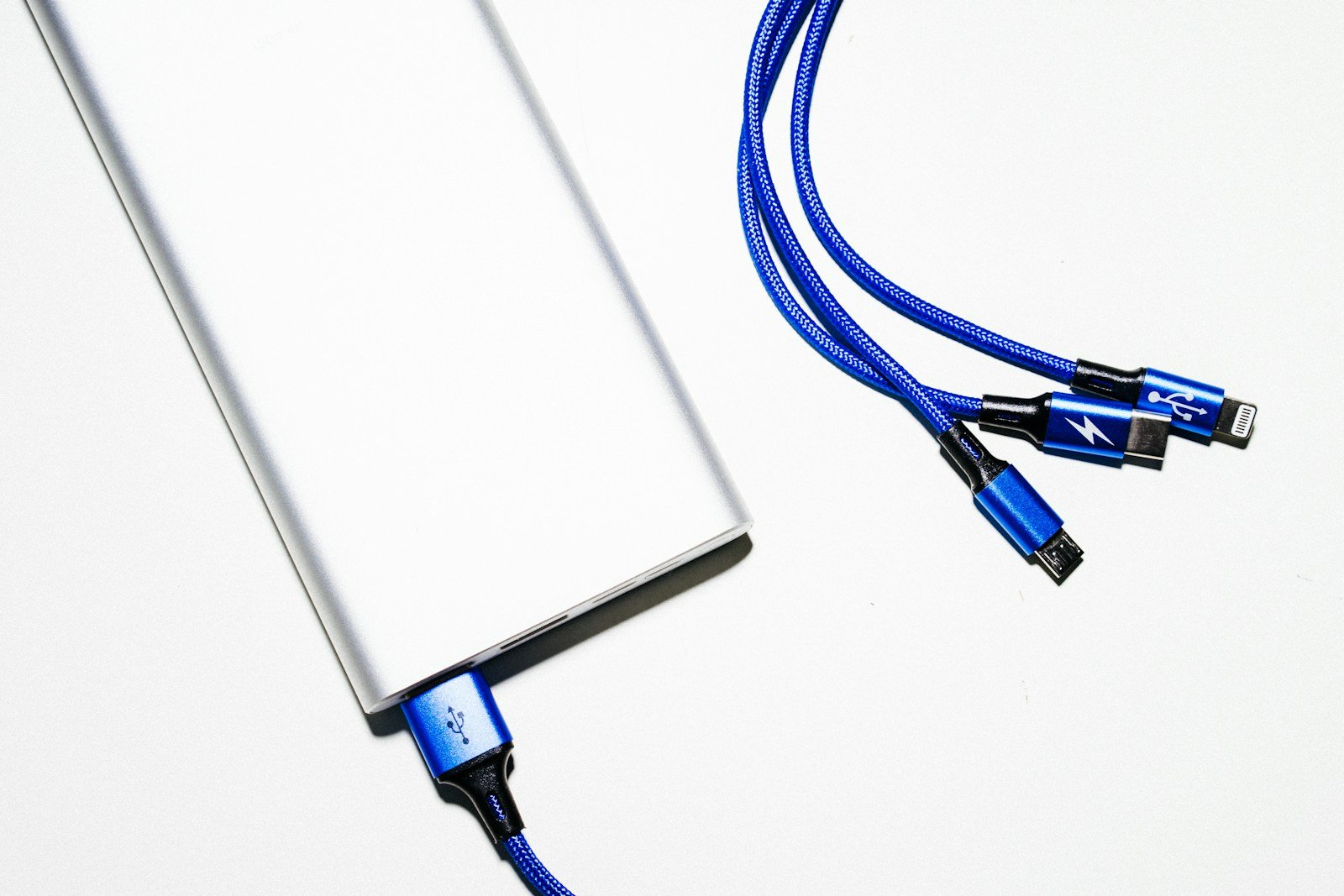
A power bank that will not charge can have two different problems: the bank itself will not refill from a wall charger, or a charged bank will not supply a…

Evaluate the original Explorer 1500 JSG-1500B: discontinued-model buying checks, charging accessories, honest runtime math and differences from Pro, V2 and Ultra.

Identify the original Explorer 500, estimate small-load runtime, check charging and pass-through limits, and avoid confusing it with 500 V2 before buying used.

Evaluate Explorer 1000 Plus runtime, discontinued expansion batteries, conflicting charging and weight figures, EPS limits and practical buying checks.
 EnergyOfSupply
energyofsupply.com is a participant in the Amazon Services LLC Associates Program, an affiliate advertising program designed to provide a means for sites to earn advertising fees by advertising and linking to Amazon.com.