
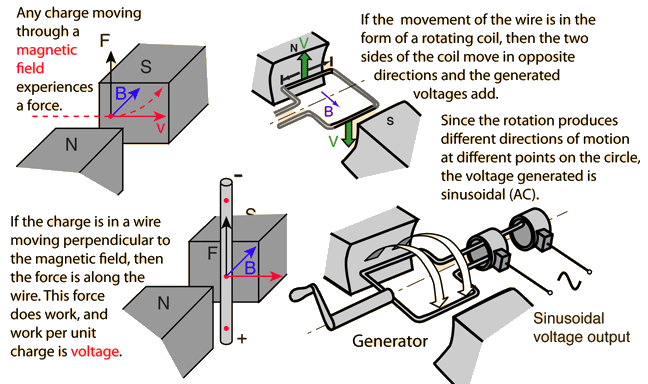
An electromagnetic generator converts mechanical energy into electrical energy through the interaction of a magnetic field and conductors. In an engine-powered backup generator, the engine supplies the mechanical motion; the generator produces the electrical output.
That explanation does not determine which appliances a particular unit can supply. Compare its continuous and starting ratings separately. Our refrigerator starting-watts guide and well-pump assessment guide show how motor loads affect the practical selection.
Many people rely on generators for backup power during outages or for outdoor activities. Understanding how they work can help you make better choices when selecting a generator for your needs. You will discover the simple mechanics behind generators. You’ll learn about the key components and how they transform mechanical energy into electrical energy.
Whether you’re a DIY enthusiast or just curious, this knowledge can empower you to use your generator more effectively. Keep reading to uncover the secrets of how generators work and why they are essential in our daily lives.
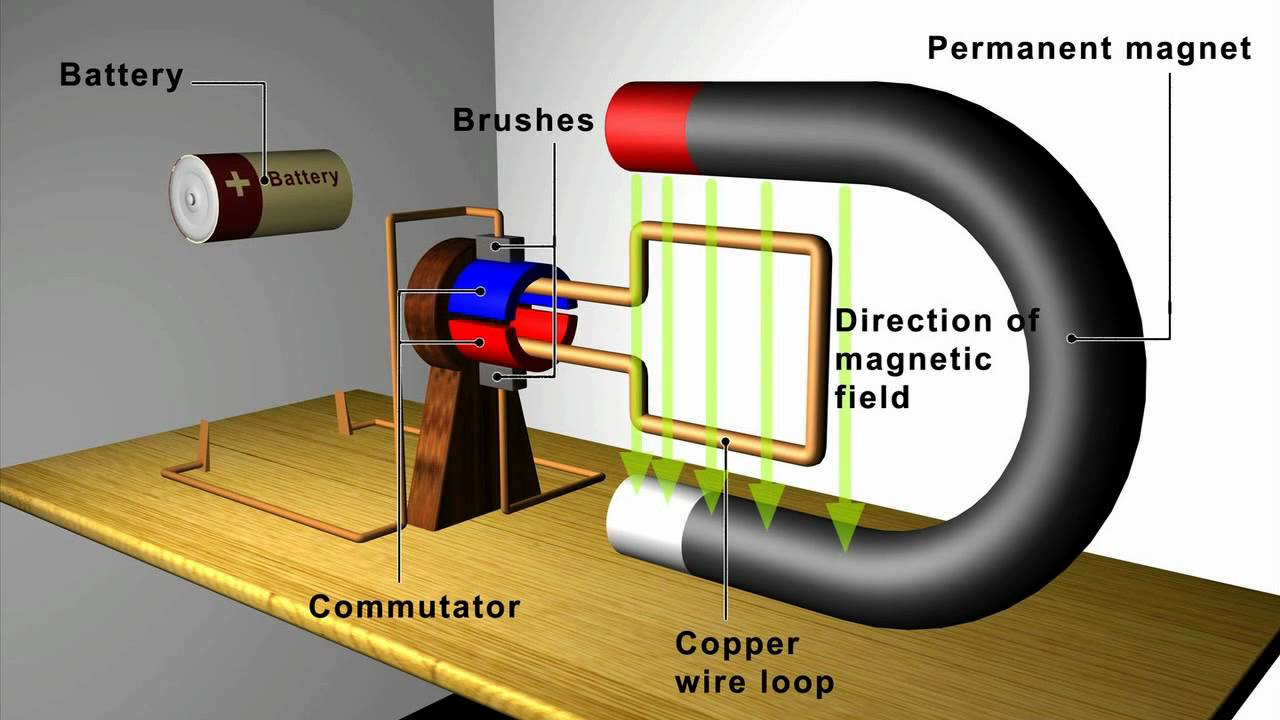
Credit: www.youtube.com
Principle Of Energy Conversion
The principle of energy conversion is at the heart of how a generator operates. It transforms mechanical energy into electrical energy, enabling us to harness power for various applications. Understanding this principle can help you appreciate the technology behind generators and their crucial role in our daily lives.
How Mechanical Energy Is Created
Mechanical energy is generated through various methods. Common sources include wind, water, and fossil fuels. When you turn on a generator, a physical force, like a spinning turbine, initiates the process.
- Wind turbines:Harness wind energy to turn blades connected to a generator.
- Hydroelectric dams:Use flowing water to spin turbines.
- Internal combustion engines:Burn fuel to create movement.
Each of these sources provides the initial mechanical energy needed to kick-start the conversion process. Have you ever felt the rush of wind on a blustery day? That energy is being converted into something useful, like electricity, in wind turbines.
Electromagnetic Induction
The magic of energy conversion lies in electromagnetic induction. This process involves creating an electric current by moving a conductor through a magnetic field. When the generator’s rotor spins, it generates a magnetic field that interacts with coils of wire.
The movement causes electrons in the wire to flow, creating electricity. This principle is what makes generators so efficient in converting mechanical energy into electrical energy. Have you ever seen a bicycle dynamo? It uses the same principle to light up your path as you pedal.
Understanding the different types of generators can help you choose the right one for your needs. Common types include:
- Portable generators:Ideal for camping or backup power at home.
- Standby generators:Automatically kick in during power outages.
- Inverter generators:Provide clean power for sensitive electronics.
Each type has its own mechanism of energy conversion but relies on the same fundamental principles. Knowing what you need can guide you in selecting the right generator for your situation.
Understanding the principle of energy conversion in generators not only deepens your knowledge but also empowers you to make informed choices. What type of generator do you think would best suit your lifestyle?
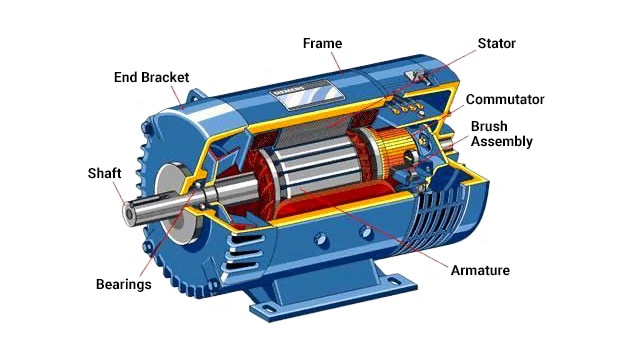
Credit: www.electricgeneratorsdirect.com
Key Components Of A Generator
Generators are machines that convert mechanical energy into electrical energy. They have several key parts that work together. Each component plays an important role in the generator’s operation. Understanding these parts helps in knowing how a generator works.
Rotor And Stator
The rotor and stator are essential parts of a generator. The rotor is the rotating part. It spins inside the stator, which is stationary. This movement creates magnetic fields. The interaction of these fields produces electricity.
Fuel System
The fuel system provides energy to the generator. It stores and delivers fuel to the engine. Common fuels include gasoline, diesel, or natural gas. A good fuel system ensures the generator runs smoothly and efficiently.
Voltage Regulator
The voltage regulator controls the output voltage. It keeps the voltage steady, regardless of the load. This is important for protecting connected devices. A stable voltage prevents damage and ensures reliable operation.
Cooling And Exhaust Systems
The cooling system prevents the generator from overheating. It circulates coolant to absorb heat. The exhaust system removes gases produced during operation. Both systems are crucial for safe and effective performance.
Types Of Generators
Generators come in various types. Each type serves a specific need. Understanding these types helps you choose the right one.
Portable Generators
Portable generators are small and easy to move. They provide power where you need it. Use them for camping or during a power outage.
Portable-generator fuel options and output ratings depend on the exact model. Check continuous output, permitted fuel, connection ratings and starting capability in its specifications; no single wattage range describes every portable generator.
Standby Generators
Standby generators are larger and permanent. They sit outside your home and connect to your electrical system. These generators kick in automatically during a power failure.
They run on natural gas or propane. Standby generators provide a smooth and reliable power supply. They can power your entire home.
Inverter Generators
Inverter generators are compact and lightweight. They produce clean and stable power. This makes them great for sensitive electronics.
These generators are quiet and efficient. They adjust their power output based on your needs. Inverter generators are perfect for outdoor activities.
Industrial Generators
Industrial generators are large and powerful. They are designed for heavy-duty use. Factories and construction sites often rely on them.
These generators can handle significant loads. They run on diesel or natural gas. Industrial generators ensure continuous power supply for critical operations.
The Role Of Electromagnetic Induction
Generators play a crucial role in producing electricity. At the heart of this process is electromagnetic induction. This principle helps convert mechanical energy into electrical energy. Understanding how it works is important for grasping generator function.
What Is Electromagnetic Induction?
Electromagnetic induction occurs when a conductor moves through a magnetic field. This movement creates an electric current. The key elements involved are magnets and coils of wire. The interaction between them generates electricity.
How Does It Work?
A generator has a rotor and a stator. The rotor spins inside the stator. As the rotor turns, it cuts through the magnetic field. This motion induces an electric current in the coils of wire. The faster the rotor spins, the more electricity is produced.
The Importance Of Magnets
Magnets are essential for electromagnetic induction. They create the magnetic field needed for electricity generation. Different types of magnets can be used, including permanent and electromagnets. Each type has its advantages in generator design.
Applications Of Electromagnetic Induction
Electromagnetic induction is found in many devices. It powers everything from small gadgets to large power plants. Understanding this principle helps in various fields, like engineering and physics. It also aids in developing new technologies.
Steps In Power Generation
Power generation is a simple yet fascinating process. It converts energy into electricity. Each step plays a crucial role in this transformation. Let’s break down the steps involved.
Mechanical Energy Input
An electromagnetic generator receives mechanical motion from its driving equipment. At many power plants that driver is a turbine; an engine-generator instead uses an engine. The source of motion can differ, while the generator converts that mechanical input to electrical energy. See the U.S. EIA explanation of electricity generation.
Magnetic Field Interaction
Next, we have the magnetic field interaction. Inside the generator, a magnetic field exists. This field interacts with the spinning turbine. The movement of the turbine induces electrical energy. This process is based on electromagnetic principles. It’s essential for generating electricity.
Electricity Output
The final step is the electricity output. The generated electrical energy flows through wires. It travels to homes and businesses. This electricity powers our daily lives. The entire process is efficient and reliable. Understanding these steps helps us appreciate energy generation.
Alternating Current Vs Direct Current
Understanding the difference between Alternating Current (AC) and Direct Current (DC) is essential for anyone interested in how generators work. Both types of electricity have distinct properties and uses. Knowing their differences can help you choose the right power source for your needs.
What Is Alternating Current (ac)?
Alternating Current, or AC, is a type of electrical current that reverses direction periodically. Most homes and businesses use AC power because it is efficient for long-distance transmission. It allows for the use of transformers, which can increase or decrease voltage easily.
- AC is produced by generators that rotate coils within a magnetic field.
- It is used in household appliances like refrigerators and washing machines.
- AC voltage can vary, typically at 50 or 60 Hertz, depending on the region.
What Is Direct Current (dc)?
Direct Current, or DC, flows in a single direction. It is commonly found in batteries and small electronic devices. If you’ve ever charged your phone, you’ve used DC power.
- DC is consistent and stable, making it ideal for sensitive electronics.
- It is often used in solar panels and electric vehicles.
- Unlike AC, DC cannot easily change voltage levels without complex equipment.
Key Differences Between Ac And Dc
Understanding the differences between AC and DC can help you make informed decisions about your energy needs. Here are a few key points:
| Feature | Alternating Current (AC) | Direct Current (DC) |
|---|---|---|
| Direction | Reverses direction | Flows in one direction |
| Voltage | Can vary | Stable |
| Applications | Household appliances | Batteries, solar panels |
Which type of current do you think is better for your specific needs? AC is great for powering homes, while DC is perfect for portable devices. Consider your requirements and choose wisely.
Applications Of Generators
Generators convert mechanical energy into electrical energy. They work by moving a conductor through a magnetic field. This process creates an electric current, powering various devices and systems. Common applications include backup power for homes, electricity for construction sites, and energy for remote locations.
Generators play a vital role in our daily lives, providing power when we need it most. Understanding their applications helps you see their importance beyond mere machines. Let’s dive into how generators are used in various settings.
Residential Use
Generators are a practical choice for homeowners. You can rely on them during power outages, ensuring your family stays comfortable and safe. Imagine your refrigerator keeping your food fresh or your heating system running during a winter storm. Many people opt for portable generators for outdoor activities like camping or tailgating. This flexibility allows you to enjoy the great outdoors without sacrificing modern conveniences.
Commercial And Industrial Use
Businesses depend on generators for consistent power supply. They are essential in sectors like manufacturing, healthcare, and construction. A sudden power loss can lead to significant downtime and financial loss. Generators ensure that operations continue smoothly, protecting both employees and equipment. Industries often use larger, stationary generators for heavy-duty tasks, while smaller businesses might rely on portable options.
Emergency Backup
Emergencies can strike at any time. Having a generator ready can be a lifesaver. Think about the peace of mind you gain knowing your home can stay powered during a natural disaster. These machines can keep critical appliances running, like medical devices or sump pumps, which can prevent accidents and property damage. Many communities encourage residents to have backup generators to enhance overall safety and preparedness.
Renewable Energy Integration
As the world shifts toward sustainable energy, generators are adapting. They can work alongside solar panels or wind turbines to provide a reliable power source. This integration allows you to harness renewable energy while having a backup option when natural conditions are unfavorable. Consider a scenario where your solar panels are generating power during the day, but a storm rolls in at night. Your generator can kick in, ensuring you always have electricity. Generators are not just machines; they are essential tools that enhance daily life in various ways. What would you do without power during a critical moment? The applications of generators are vast and impactful, shaping the way we live, work, and prepare for the future.
Maintenance And Efficiency
Generators convert mechanical energy into electrical energy. They use fuel to create power, which helps keep devices running. Regular maintenance ensures they work efficiently and last longer. Understanding how generators function can help in maximizing their effectiveness.
Maintaining your generator is key to ensuring its efficiency and longevity. Proper care not only keeps it running smoothly but also saves you money in the long run. Understanding how to maintain your generator effectively will empower you to maximize its performance and reliability.
Routine Inspection
Regular inspections are crucial for keeping your generator in top shape. Start by checking the oil levels, as low oil can lead to serious engine damage. – Inspect air filters: A clogged air filter restricts airflow, reducing efficiency. Clean or replace them as needed. – Examine fuel lines: Look for leaks or cracks that could lead to fuel wastage. – Check battery connections: Ensure all connections are tight and free of corrosion. Setting a schedule for these inspections can help you stay on track. Consider marking your calendar for monthly checks. This small commitment can prevent costly repairs down the line.
Optimizing Fuel Use
Fuel efficiency can make a significant difference in your generator’s operating costs. Using high-quality fuel is essential. It not only improves performance but also reduces harmful emissions. – Avoid fuel contamination: Always store fuel in clean, dry containers. – Monitor fuel consumption: Keep a log to track usage patterns and identify any sudden increases. – Adjust load appropriately: Running your generator at full load when not needed can waste fuel. Have you ever noticed how much fuel you burn during peak use times? Adjusting your load can lead to savings that add up over time.
Extending Generator Lifespan
Taking steps to prolong your generator’s life is smart and can save you from early replacement costs. Regular maintenance plays a crucial role in this. – Change oil regularly: Follow the manufacturer’s guidelines for oil changes. – Keep it clean: Dust and debris can cause overheating. Clean the exterior and interior components. – Store properly: If you don’t use your generator often, store it in a dry, temperature-controlled environment. Think about how much you depend on your generator during emergencies. By investing time in maintenance, you’re ensuring that it’s ready when you need it most.
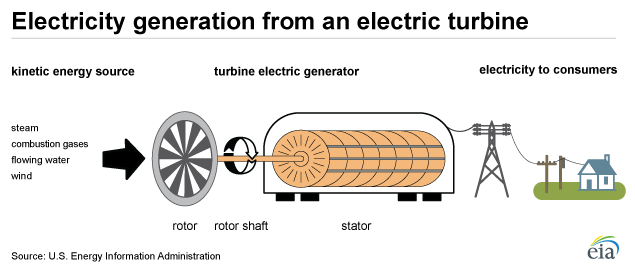
Credit: www.eia.gov
Frequently Asked Questions
How Does A Generator Produce Electricity?
Generators convert mechanical energy into electrical energy. They do this using electromagnetic induction. As the rotor spins, it creates a magnetic field. This field interacts with coils of wire, inducing an electrical current. The result is a flow of electricity that can be used for various applications.
What Are The Main Parts Of A Generator?
A generator consists of several key components. These include the rotor, stator, and fuel system. The rotor spins to create magnetic fields, while the stator contains coils of wire. The fuel system powers the engine that drives the rotor. Together, these parts enable electricity generation.
What Fuels Can Power A Generator?
Generators can run on various fuels, including gasoline, diesel, and propane. Each fuel type has its advantages and disadvantages. Gasoline generators are portable and easy to use. Diesel generators are more fuel-efficient but heavier. Propane is cleaner-burning and can be stored easily.
How Do I Maintain My Generator?
Regular maintenance is crucial for optimal performance. Check the oil level and change it according to the manufacturer’s guidelines. Clean or replace air filters periodically. Inspect the fuel system for leaks and keep the generator clean. Following these steps can enhance the generator’s lifespan and efficiency.
Conclusion
Understanding how a generator works helps us appreciate its role. It converts mechanical energy into electrical energy. This process powers our homes, businesses, and tools. Knowing the basics of generators can guide your choices. Whether for emergencies or outdoor activities, a generator can be useful.
Regular maintenance keeps it running well. Remember, safety is key when using generators. With this knowledge, you can make informed decisions. Generators are valuable tools for everyday life.