
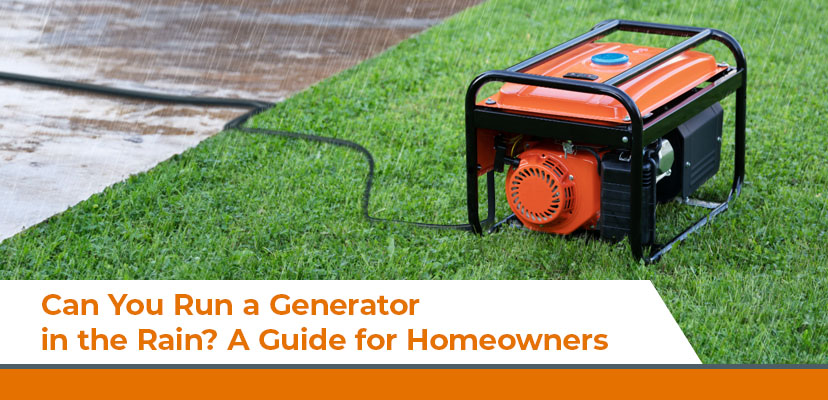
When the power goes out, a generator can be a lifesaver. But what happens if it starts to rain?
You might be wondering if it’s safe to run your generator in wet weather. The last thing you want is to put yourself or your equipment at risk. We’ll dive into the safety tips and best practices for using a generator during a downpour.
You’ll learn how to protect yourself and your investment while ensuring you stay powered up, no matter what the weather throws your way. Keep reading to find out what you need to know to stay safe and informed!
Credit: www.bisonindustry.com
Generator Safety In Wet Conditions
Generator safety is crucial, especially during wet conditions. Operating a generator in the rain can pose significant risks, from electrical hazards to equipment damage. Understanding how to manage these risks can keep you safe and extend the life of your generator.
Electrical Hazards
Water and electricity are a dangerous combination. Moisture can cause short circuits and pose a risk of electric shock.
- Keep your generator in a dry place.
- Use a cover designed for generators to protect it from rain.
- Ensure all electrical connections are secure and waterproof.
Always check for any signs of wear or damage on cords and plugs. A small crack can lead to serious problems in wet conditions.
Fuel Safety
Fuel spills can become hazardous when mixed with rainwater. Always handle fuel with care, especially outdoors.
- Store fuel in appropriate containers.
- Avoid refueling while the generator is running.
- Keep a safe distance from any ignition sources.
Have you ever had a close call while refueling in the rain? It’s a reminder to prioritize safety every time.
Generator Placement
Where you place your generator matters, especially during rainstorms. A sheltered area can shield it from direct rainfall.
- Use a gazebo or a shed if available.
- Elevate the generator on a platform to avoid flooding.
- Avoid placing it near open windows or doors to prevent carbon monoxide buildup.
Consider how weather conditions can change quickly. Being proactive can save you from potential disasters.
Maintenance Checks
Regular maintenance is key to ensuring your generator runs safely in any condition. Before the rainy season, inspect your generator thoroughly.
- Check the oil and fuel levels.
- Inspect the battery and spark plugs.
- Ensure all parts are functioning correctly.
Have you ever skipped a maintenance check? It’s a risky decision that can lead to failures when you need your generator most.
Staying safe while using your generator in wet conditions requires vigilance and preparation. Keeping these tips in mind can help you avoid accidents and enjoy peace of mind during storms.
Risks Of Running A Generator In The Rain
Running a generator in the rain poses serious risks. Water can damage the generator and create a shock hazard. Always keep generators dry and protected from wet conditions to ensure safety.
Running a generator in the rain may seem like a quick solution to power outages, but it comes with significant risks. Understanding these hazards is crucial to ensuring your safety and protecting your equipment. Here’s a closer look at the potential dangers.
Electrical Shock Hazards
Water and electricity are a dangerous combination. If you operate a generator in the rain, you risk exposing yourself to electrical shock. Even a small amount of moisture can create a path for electricity to travel. Imagine being outside, trying to start your generator, and feeling a sudden jolt. This can happen if water gets into the generator’s electrical components. Always keep your generator in a dry location, ideally under a shelter or a generator cover designed for wet conditions.
Damage To The Generator
Rain can lead to serious damage to your generator. Moisture can corrode internal parts, leading to malfunction or complete failure. If your generator is not designed to withstand wet conditions, you may find yourself facing costly repairs or replacements. I once had a friend who ran their generator during a storm without proper protection. Afterward, it stopped working altogether, and the repair bill was more than they anticipated. You should always check your user manual to see if your generator can handle rain exposure.
Fire Risks From Water Exposure
While it may sound counterintuitive, water can increase fire risks when it comes to generators. If water seeps into the fuel system, it can create dangerous situations. Fuel and moisture do not mix well; they can lead to engine stalling or even fire. Consider this: a generator running in the rain can create a short circuit, igniting fuels in the vicinity. Taking precautions, like elevating your generator off the ground and using protective covers, can help mitigate these risks. Your safety should always be the top priority.
Protecting Your Generator In Bad Weather
Running a generator in the rain can be risky. Water can cause electrical shorts or damage the engine. Always use a proper cover or shelter to protect your generator from bad weather. Keeping it dry ensures safe and efficient operation.
Protecting your generator in bad weather is crucial for ensuring its longevity and performance. Rain, snow, and strong winds can cause damage or even render your generator unusable. Understanding how to shield your equipment from the elements can save you time and money in repairs or replacements.
Using A Generator Tent Or Cover
A generator tent or cover is an effective way to protect your generator from rain. These specially designed covers are waterproof and allow for ventilation, preventing moisture buildup inside the unit. Make sure the cover fits snugly to keep out wind and debris. Your generator can still operate safely under a tent, as long as you ensure proper airflow. Investing in a quality cover can be a game-changer. It not only shields your generator from rain but also from dust and dirt. You’ll appreciate the difference when you need to use it in bad weather.
Setting Up In A Dry Location
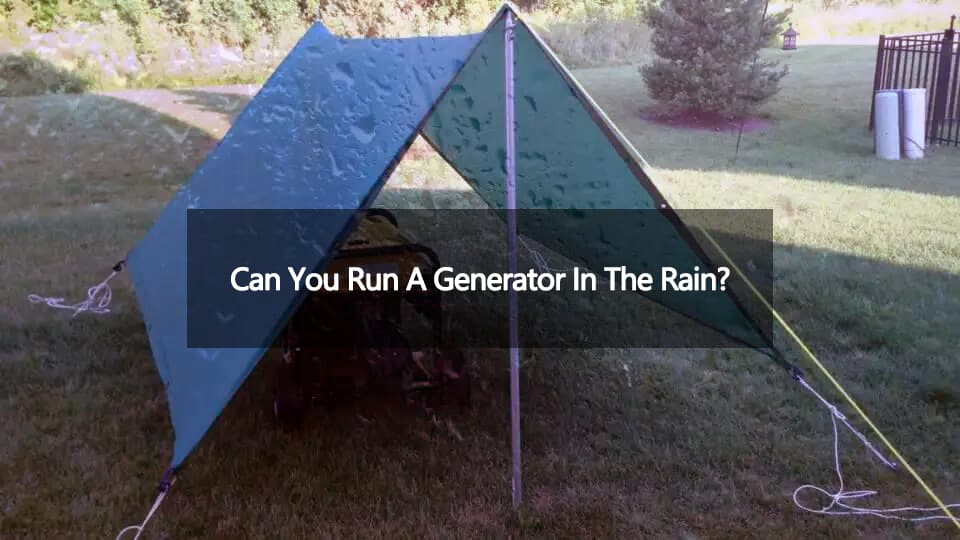
Choosing the right location for your generator is key. Look for a spot that is naturally sheltered from rain and wind. Under a porch or in a shed can be ideal options. If you can’t find a dry location, consider creating a makeshift shelter. A tarp can provide temporary protection, but ensure it’s securely fastened so it doesn’t blow away. Always prioritize safety. Keep the generator at least 10-15 feet away from your home to avoid carbon monoxide buildup. This distance helps ensure you stay safe while keeping your generator functional.
Avoiding Flood-prone Areas
Flood-prone areas pose a significant risk to your generator’s health. Water damage can be devastating, leading to costly repairs. Before setting up your generator, check the weather forecast. If heavy rain or flooding is expected, move your generator to higher ground. Consider using a platform to elevate your generator. This simple step can prevent water from seeping into the unit. Protecting your generator from potential flooding is essential for maintaining its efficiency and lifespan. Are you ready to take the necessary precautions for your generator? Your future self will thank you for it!

Credit: www.solentpower.co.uk
Grounding And Electrical Safety
Running a generator in the rain can be dangerous. Water can cause electrical shocks or damage to the generator. Always keep it dry and protected to ensure safe operation.
Grounding and electrical safety are critical when using a generator, especially in adverse weather conditions like rain. Ensuring your generator is properly grounded can prevent electric shocks and equipment damage. Let’s dive into the essentials of grounding and explore how GFCI outlets can provide an extra layer of protection.
Importance Of Proper Grounding
Proper grounding is vital for your generator’s safe operation. It creates a direct path for electrical current to return to the ground, reducing the risk of shock. If you set up your generator in the rain without proper grounding, the chances of an electrical hazard increase significantly. Most manufacturers include specific grounding instructions in their manuals. Always follow these guidelines to ensure safety. Consider using ground rods, which can be driven into the earth, or grounding plates that can be connected to your generator. These methods effectively dissipate electrical energy into the ground.
Using Gfci Outlets For Extra Protection
GFCI (Ground Fault Circuit Interrupter) outlets are your best friend when using a generator in wet conditions. These outlets monitor the electrical flow and can shut down power if they detect an imbalance. Installing GFCI outlets adds a significant layer of safety. If you accidentally touch a live wire or if water gets in contact with the generator, the GFCI outlet will cut off the electricity. This feature is especially critical during rainy weather when the risk of water exposure increases. Imagine you’re working on a project outside. The last thing you want is to deal with a shock because of a wet connection. Always plug your tools and appliances into GFCI outlets when using a generator outdoors, especially in the rain. It’s a simple step that could save your life. Have you checked your outlets for GFCI protection? If not, it’s time to make that a priority.
Maintenance After Rain Exposure
Rain can harm your generator. Proper care is vital after exposure. Follow these steps to ensure your generator runs well.
Inspecting For Water Damage
Start by checking the generator for any visible water. Look for puddles or wet spots. Inspect the cover and vents. Water can enter through cracks or gaps.
Check the fuel and oil compartments. Water contamination can occur here. If you see any signs of moisture, drain and replace these fluids. This step helps prevent engine damage.
Drying And Cleaning The Generator
Next, dry your generator thoroughly. Use a clean cloth to wipe down surfaces. Allow the generator to air dry completely. Avoid using heat sources like hair dryers.
Clean any dirt or debris that may have accumulated. Use a soft brush or cloth. This keeps your generator in good shape. A clean generator runs more efficiently.
Testing For Safe Operation
After drying, test the generator. Start it up in a safe area. Listen for any unusual sounds. Check that it runs smoothly without issues.
Run it for a short time and monitor performance. Ensure all functions are working properly. This step confirms your generator is ready for use.

Credit: www.gentent.com
Alternative Power Options In Wet Weather
Running a generator in the rain can be risky. Water can damage the generator and create safety hazards. It’s best to keep it sheltered from wet conditions for safe operation.
When stormy weather hits, relying on traditional generators can pose risks, especially if it’s raining. Fortunately, there are alternative power options that can keep your home running smoothly without the safety concerns associated with wet conditions. Let’s look at two popular alternatives: battery backup systems and solar power solutions.
Battery Backup Systems
Battery backup systems are a reliable choice when the skies open up. These systems store energy and provide power during outages, ensuring your essential appliances stay operational. – Safety First: Unlike generators, battery systems are safe to use indoors, eliminating the risk of carbon monoxide poisoning. – Silent Operation: No noisy engines here! Battery systems operate quietly, making them ideal for residential areas. – Easy Installation: Setting up a battery backup system is often straightforward. You can choose between portable options or whole-home systems, depending on your needs. Imagine a rainy night when the power goes out. Instead of worrying about your food spoiling or your phone dying, you relax knowing your battery backup is silently working to keep the lights on.
Solar Power Solutions
Solar power solutions are increasingly popular, even in wet weather. While solar panels might not generate as much energy during rain, they still provide a sustainable power source. – Battery Storage: Pairing solar panels with battery storage allows you to harness energy even on cloudy days. Any surplus energy collected can be stored for later use. – Low Maintenance: Solar systems require minimal upkeep. Regular cleaning and occasional checks are usually all that’s needed to keep them running efficiently. – Environmental Benefits: Using solar energy reduces your carbon footprint. You contribute to a cleaner environment while enjoying the benefits of renewable energy. Have you ever considered how much sunlight your solar panels still capture, even when it’s overcast? The potential for consistent energy generation is impressive, making solar a worthwhile investment for wet weather. Choosing between battery backup systems and solar power solutions can keep your home energized, rain or shine. What’s your go-to solution for staying powered up during inclement weather?
Key Takeaways For Generator Safety
Understanding generator safety is crucial, especially when considering whether to run your generator in the rain. Being prepared can prevent accidents and ensure your equipment lasts longer. Here are some key takeaways to keep in mind.
Protect Your Generator From Water Damage
Water and electricity do not mix. If your generator gets wet, it can lead to serious issues, including short circuits or even fire.
Use a waterproof cover or place your generator under a shelter. Ensure that the exhaust is not blocked, which can happen if it’s too sheltered.
Ensure Proper Ventilation
Generators produce carbon monoxide, a dangerous gas. Running it in a closed space, even in the rain, can be lethal.
Always place your generator in an open area, away from windows and doors. This keeps your living space safe from harmful fumes.
Keep Electrical Connections Dry
Moisture can compromise electrical connections. Wet connections can cause sparks or failures.
Use waterproof extension cords and ensure all connections are dry before use. Regularly inspect cords for signs of wear or damage.
Monitor Weather Conditions
Running a generator during heavy rain or storms can be risky. High winds can topple the generator or blow debris into it.
Keep an eye on weather forecasts. If conditions worsen, it’s safer to shut down your generator until the weather improves.
Read The Manufacturer’s Guidelines
Your generator likely comes with specific safety instructions. Always refer to the manufacturer’s manual for best practices.
Following these guidelines will ensure you use your generator safely and effectively. Make it a habit to review them regularly.
How confident are you in your generator’s safety measures? Taking the time to understand these key points can help you make informed decisions for your safety and the longevity of your equipment.
Frequently Asked Questions
Can You Run A Generator Outdoors In The Rain?
Running a generator outdoors in the rain is not recommended. Water can damage the generator and create serious safety hazards. If you must use it outside, ensure it is properly covered with a waterproof shelter. Always prioritize safety to avoid electrical shock or equipment failure.
Is It Safe To Use A Generator In Wet Conditions?
Using a generator in wet conditions poses significant risks. Moisture can lead to electrical short circuits and malfunctions. Always keep the generator dry and positioned away from direct rain. Using a generator outdoors with proper protection minimizes the risk of accidents and ensures safe operation.
What Happens If A Generator Gets Wet?
If a generator gets wet, it can malfunction or short-circuit. Water can damage internal components, leading to costly repairs. Always ensure the generator is dry before starting it. Protecting your generator from rain is crucial for its longevity and effective operation.
How To Protect A Generator From Rain?
To protect a generator from rain, use a waterproof cover or tarp. Make sure it is well-ventilated to avoid overheating. Position the generator under a sturdy shelter if possible. These precautions help ensure the generator remains functional and safe during inclement weather.
Conclusion
Running a generator in the rain is risky. Water can damage the generator and cause electrical shocks. Always keep your generator dry. Use a cover or run it in a sheltered area. Safety should be your top priority. Understand the risks before using your generator in wet conditions.
Protect both yourself and your equipment. Follow these tips for safe operation. Stay informed and make wise choices. Your safety matters most when using a generator.