
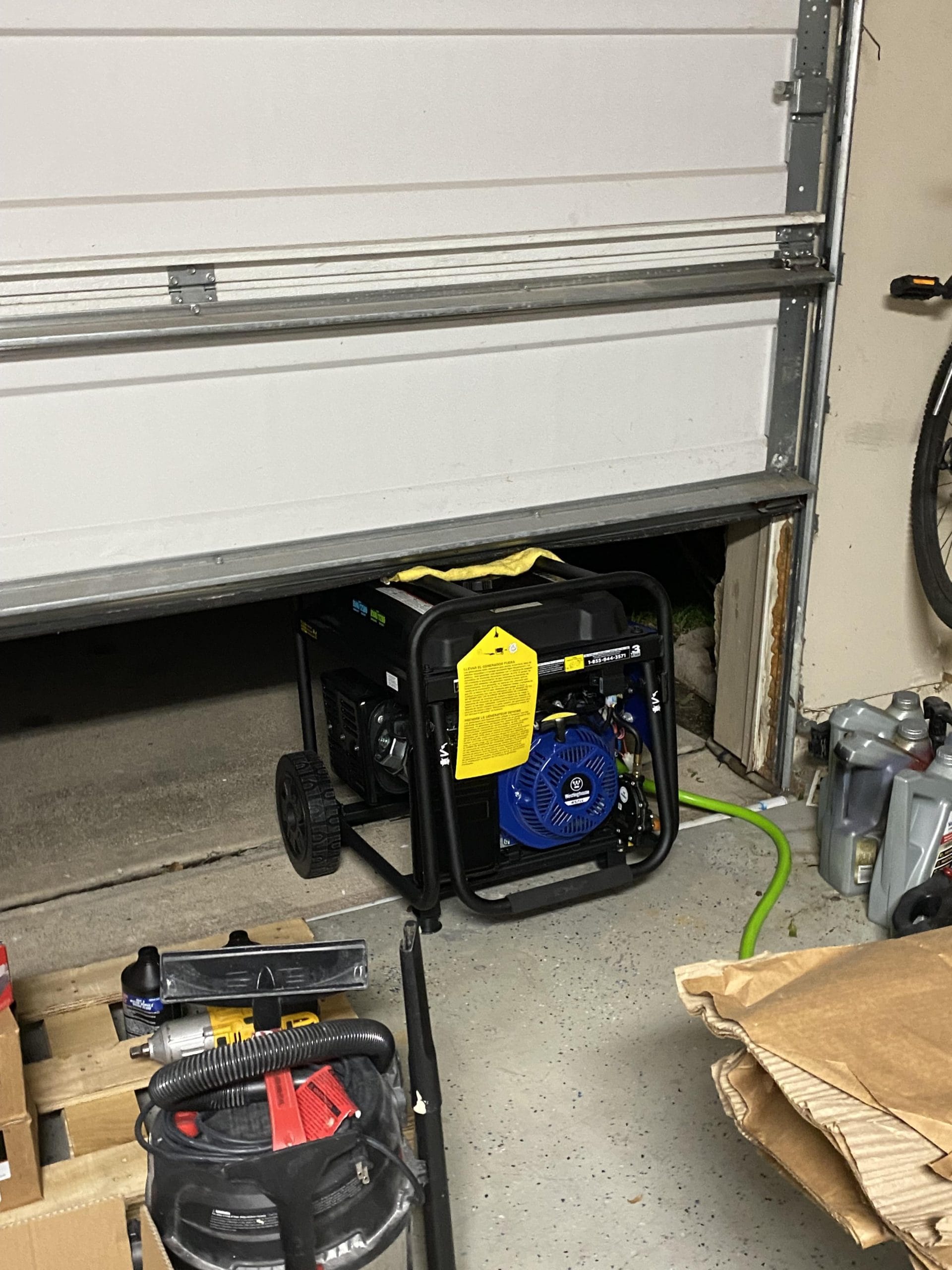
When the power goes out, a generator can be a lifesaver. But have you ever wondered if it’s safe to run your generator in the garage, even with the door open?
You might think that having fresh air flowing in will keep you safe, but there’s more to consider. We’ll explore the hidden dangers and essential safety tips you need to know. Your health and safety are too important to take chances.
Keep reading to ensure you’re making the right choice for you and your family.
Generator Placement Challenges
Choosing the right spot for your generator is important. A safe placement can prevent many risks. Many people wonder about using a generator in a garage. Even with the door open, there are challenges to consider.
Carbon Monoxide Risks
Generators produce carbon monoxide. This gas is dangerous and can be deadly. Placing a generator in a garage, even with the door open, can trap fumes. The air may not be safe to breathe. Always think about air quality.
Ventilation Issues
Good airflow is crucial for safety. A garage often has limited ventilation. Opening the door may not provide enough fresh air. This can lead to unhealthy conditions. Generators need space to disperse exhaust properly.
Noisy Environment
Generators can be loud. Running one in a garage creates noise. This can disturb family members or neighbors. Consider the noise level before deciding on a location.
Space Constraints
Garages can be cluttered. Limited space may restrict generator movement. Ensure there is enough room around the generator. This allows for cooling and maintenance access.
Fuel Storage Risks
Storing fuel in a garage adds risk. Fuel can spill or leak, leading to fire hazards. Keep fuel away from the generator. Safety is always a priority.

Credit: twitter.com
Carbon Monoxide Concerns
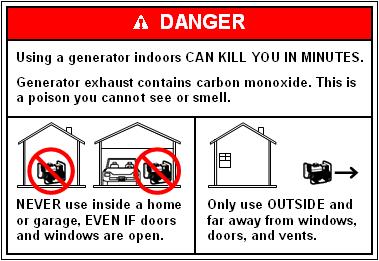
Running a generator in a garage raises serious safety issues. The main concern is carbon monoxide (CO). This colorless, odorless gas can be deadly. Generators release CO when they operate. Even with the garage door open, CO levels can build up quickly.
What Is Carbon Monoxide?
Carbon monoxide is a gas produced by burning fuels. It comes from cars, stoves, and generators. CO is harmful because it replaces oxygen in the blood. This can lead to suffocation.
Signs Of Carbon Monoxide Poisoning
Know the signs of CO poisoning. Symptoms include headaches, dizziness, and confusion. Some people may feel nauseous or weak. If you notice these signs, get fresh air immediately.
Why Open Doors Do Not Guarantee Safety
Opening the garage door does not ensure safety. Wind and air flow can change quickly. Even a slight breeze can push CO back inside. This makes it hard to avoid exposure.
Proper Generator Use For Safety
Always use generators outside. Keep them at least 20 feet away from buildings. Do not run them in enclosed spaces. Follow the manufacturer’s guidelines for safe use.
Install Co Detectors
Install carbon monoxide detectors in your home. These devices alert you to dangerous levels of CO. Check the batteries regularly. This simple step can save lives.
Ventilation And Airflow
Ventilation is crucial when using a generator. Proper airflow helps prevent dangerous fumes. Generators produce carbon monoxide. This gas can be deadly in closed spaces.
Why Ventilation Matters
Good ventilation keeps air fresh. It helps disperse harmful gases. Without it, these gases build up quickly. This can lead to serious health risks.
Open Doors And Windows
Keeping the garage door open is a good start. Open windows also help air flow. Fresh air enters and moves out harmful gases. This reduces the risk of carbon monoxide poisoning.
Positioning The Generator
Place the generator near an open door. Position it far from air intakes. This helps avoid pulling fumes inside. Make sure it is stable and secure.
Using Fans For Better Airflow
Fans can improve ventilation. Set up fans to blow air out. This helps push harmful gases outside. It creates a safer environment while using the generator.
Monitor Air Quality
Install a carbon monoxide detector. This device alerts you to dangerous levels. Always check the battery life. Regular testing ensures it works properly.
Credit: www.cpsc.gov
Fire Hazards
Running a generator in a garage can lead to serious fire hazards. Generators produce heat and can ignite nearby materials. Even with the garage door open, risks remain.
Flammable Materials
Garages often store flammable items. Gasoline, paint, and cleaning supplies can catch fire easily. These items can become a danger when a generator runs nearby.
Heat Accumulation
Generators generate significant heat during operation. This heat can build up, especially in enclosed spaces. Even with doors open, heat can accumulate and ignite nearby objects.
Electrical Risks
Generators need fuel and proper electrical connections. Improper connections can cause sparks or short circuits. These sparks can ignite flammable materials and start a fire.
Carbon Monoxide Danger
Generators produce carbon monoxide, a deadly gas. This gas can lead to unsafe situations. Poor ventilation increases fire risks when operating a generator in a garage.
Preventive Measures
Always keep the garage clear of flammable materials. Ensure proper ventilation when running a generator. Regularly check electrical connections to avoid sparks.
Noise And Vibration Issues
Running a generator in your garage, even with the door open, raises concerns about noise and vibration. These factors can affect not only your comfort but also the structural integrity of your space. Let’s take a closer look at how noise and vibration can impact your experience.
Noise Levels And Your Comfort
Generators can produce loud sounds that disrupt your daily activities. If you’ve ever tried to concentrate on a project while a generator roars in the background, you know how distracting it can be.
Consider the decibel level of your generator. Most portable generators range between 50 to 100 decibels. That’s comparable to a vacuum cleaner or a lawn mower. How much noise can you tolerate?
Vibration Effects On Your Garage
Vibration is another crucial aspect to think about. Generators create mechanical vibrations that can transfer to your garage floor and walls. Over time, this can lead to cracks or other structural issues.
Have you noticed any unusual noises from your garage? Sometimes, vibrations can cause tools and equipment to rattle, leading to further disturbances. You might want to check if your generator is stable to minimize this problem.
Mitigating Noise And Vibration
There are several ways to reduce noise and vibration from your generator. Placing it on a rubber mat can significantly dampen vibrations. You can also position it away from walls to minimize sound reflection.
- Use soundproofing materials in your garage.
- Install a noise barrier around the generator.
- Consider a quieter model if noise is a major concern.
Think about your neighbors too. If you live in close quarters, excessive noise from your generator can strain relationships. Being considerate can go a long way.
How do you manage the noise from your generator? Share your tips and tricks in the comments below. You might help someone else improve their setup!
Legal And Safety Standards
Understanding the legal and safety standards surrounding generator use is crucial for your safety and compliance. Many people overlook these guidelines when running their generators, especially in enclosed spaces like garages. This oversight can lead to dangerous situations, not just for you but for your family and neighbors as well.
Local Regulations
Each region has specific laws governing generator use. Before you decide to run a generator in your garage, check your local regulations. Some municipalities strictly prohibit using generators in enclosed spaces due to the risk of carbon monoxide poisoning.
Failure to adhere to these regulations can lead to hefty fines or legal trouble. Make sure you are informed about your area’s rules to avoid any unexpected consequences.
Safety Standards From Authorities
Organizations like the Occupational Safety and Health Administration (OSHA) provide guidelines for generator use. These standards emphasize the importance of proper ventilation when operating a generator. Running a generator in an enclosed space, even with the door open, may not meet these safety standards.
Consider investing in a carbon monoxide detector for added safety. This device can alert you to dangerous gas levels, providing an extra layer of protection.
Manufacturer Recommendations
Always read the manufacturer’s manual for your generator. Most manufacturers recommend against using their products in enclosed spaces. They understand the risks involved and provide guidelines to help you use their equipment safely.
Following these recommendations not only keeps you safe but also helps maintain your generator’s warranty. Ignoring them could void your warranty and leave you with costly repairs.
Insurance Considerations
Check your homeowner’s insurance policy regarding generator use. Some policies may have clauses that specify where and how you can use a generator. Operating it in a garage, even with the door open, could impact your coverage in the event of an accident.
It’s wise to understand these terms before you power up. Being informed can save you from potential financial headaches later on.
Have you ever thought about the impact of your choices on your safety and that of your loved ones? Staying informed about legal and safety standards isn’t just about compliance; it’s about safeguarding your well-being.
Alternatives To Garage Use
Running a generator in your garage may seem convenient, but it’s risky. Instead, consider safer alternatives for using your generator. These options can provide power without putting your health or safety at risk.
Outdoor Use
Using a generator outdoors is the safest choice. Position it at least 20 feet away from any windows, doors, or vents. This helps prevent carbon monoxide buildup in your home.
- Choose a well-ventilated area.
- Avoid placing it near flammable materials.
- Check local regulations for noise ordinances.
Think about your neighbors. Keeping the generator outside minimizes noise and air pollution, making it a win-win for everyone.
Generator Transfer Switch
A transfer switch allows you to connect your generator directly to your home’s electrical system. This makes it safer and more efficient. It can help you avoid the hassle of running extension cords.
Installing a transfer switch may require a professional electrician, but the investment is worth it. You gain seamless power transfer during outages without risking safety.
Portable Power Stations
If you need a quieter, more eco-friendly option, consider portable power stations. These battery-powered devices can charge your electronics without fumes or noise. They are perfect for small appliances and devices.
Look for models with sufficient wattage for your needs. They are easy to transport, making them ideal for camping or emergencies.
Community Resources
Check if your community offers resources during power outages. Some local organizations provide temporary power solutions or advice for emergency preparedness. This can ease your stress during unexpected outages.
Engaging with your community can also provide valuable insights. You might discover shared resources that can help you and your neighbors during tough times.
Evaluate these alternatives carefully. Think about your specific needs and the environment around you. By choosing wisely, you can ensure safety and convenience during power outages.
Credit: generatorsupercenterheartland.com
Frequently Asked Questions
Can You Run A Generator Inside A Garage?
Running a generator inside a garage is not safe, even with the door open. Generators emit carbon monoxide, a dangerous gas. Proper ventilation is crucial, and an open garage door isn’t sufficient. It’s best to operate generators outdoors, away from windows and doors, to ensure safety.
What Are The Risks Of Running A Generator In A Garage?
The primary risk is carbon monoxide poisoning, which is life-threatening. Even with the garage door open, harmful fumes can accumulate. This risk increases in enclosed spaces. Always use generators outdoors and away from living areas to prevent exposure to these toxic gases.
Does An Open Garage Door Provide Enough Ventilation?
An open garage door does not provide adequate ventilation for generator use. Carbon monoxide can still build up in enclosed spaces. It’s important to run generators in open areas. Ensure they are far from doors and windows to avoid dangerous gas infiltration into living spaces.
How Far Should A Generator Be From The House?
A generator should be at least 20 feet from the house. This distance helps to prevent carbon monoxide from entering the home. It is essential to place the generator away from windows, doors, and vents. Following this guideline ensures a safer operation.
Conclusion
Running a generator in a garage with the door open poses risks. Carbon monoxide can still build up, even with ventilation. Safe options exist for using generators. Always keep them outdoors and away from structures. This prevents dangerous fumes from entering your home.
Consider using a proper outdoor setup. It ensures safety for you and your family. Always prioritize safety over convenience. Make informed choices to protect everyone around you. Stay safe and enjoy the benefits of your generator.