
When the power goes out, having a generator can be a lifesaver. But what happens when you need to get it started, and it just won’t cooperate?
If you’ve ever faced this frustration, you’re not alone. Knowing how to get your generator up and running can make all the difference in an emergency. In this guide, you’ll discover simple, step-by-step techniques to ensure your generator starts smoothly every time.
Whether you’re a seasoned pro or a complete beginner, these tips will empower you to tackle any situation with confidence. So, let’s dive in and turn that generator into your reliable backup power source!

Credit: blog.hondalawnparts.com
Preparing The Generator
Preparing your generator is a key step for safe operation. A few simple checks can ensure it runs smoothly. Let’s look at the important steps.
Inspecting The Unit
Start by examining the generator’s exterior. Look for any signs of damage. Check for rust, dents, or leaks. Make sure all parts are securely attached. Look at the cables and connectors. Ensure they are not frayed or worn. This helps prevent any electrical issues.
Checking Fuel Levels
Next, check the fuel level. Ensure there is enough fuel for operation. If the tank is empty, fill it with the right fuel type. Use clean, fresh fuel to avoid problems. Old fuel can cause starting issues. Always keep fuel stored safely and away from heat sources.
Reviewing Oil And Coolant
Oil and coolant levels are crucial for your generator. Open the oil cap and check the oil level. It should be within the recommended range. If it’s low, add the correct type of oil. Next, check the coolant level in the reservoir. Make sure it is at the proper level to prevent overheating.
Setting Up The Generator
Getting your generator ready is essential for smooth operation. A proper setup ensures safety and efficiency. Follow these steps to set it up correctly.
Choosing The Right Location
Pick a dry, flat area. This helps the generator stay stable. Avoid placing it near flammable materials. Keep it away from windows and doors. This prevents exhaust fumes from entering your home.
Connecting Necessary Cables
Use the right cables for your generator. Connect the generator to your home’s power inlet. Make sure the cables are in good condition. Check for any damage before use. Secure all connections tightly. This prevents power loss or short circuits.
Ensuring Ventilation
Good airflow is crucial. Place the generator outdoors. Never operate it indoors or in a garage. Ensure there’s at least three feet of space around it. This allows exhaust fumes to escape. Check the area for any obstructions.
Starting The Generator
Starting your generator is simple. Follow these steps to get it running smoothly. Each part is important for a successful start. Let’s break it down.
Turning On The Fuel Valve
First, locate the fuel valve. It is usually near the fuel tank. Turn the valve to the “on” position. This allows fuel to flow to the engine. Without this step, the generator won’t start.
Activating The Choke
Next, find the choke lever. This lever helps start the engine. Move the choke to the “on” position. This enriches the fuel mixture. It makes starting easier, especially in cold weather.
Using The Starter Mechanism
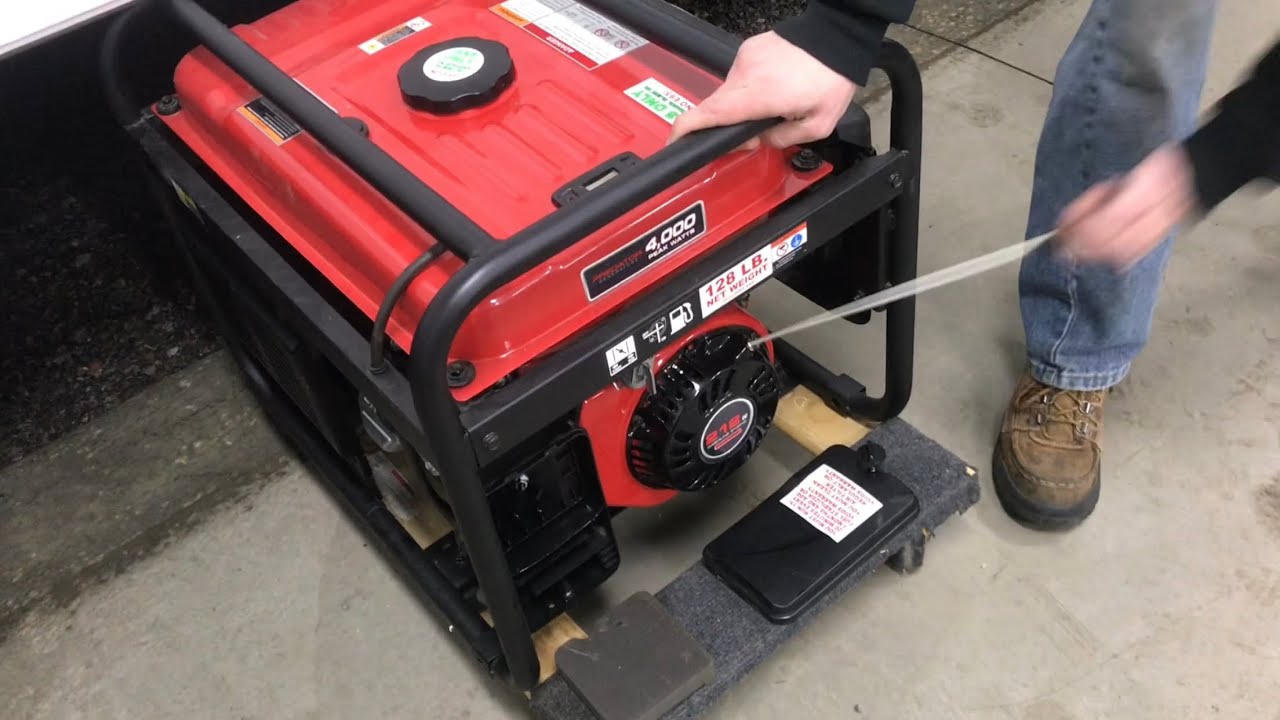
Now it’s time for the starter mechanism. If your generator has a recoil starter, pull the cord smoothly. If it has an electric starter, push the button. Hold it until the engine starts. Once started, move the choke back to “off” after a few moments.

Credit: fotographer.ai
Safety Measures
Before starting a generator, ensure safety first. Check for fuel leaks and inspect the power cords. Keep the area well-ventilated. Wearing protective gear can prevent accidents. Always follow the manufacturer’s instructions for safe operation. Stay alert and avoid distractions while starting the generator.
Safety measures are essential when starting a generator. They not only protect you but also ensure that your equipment operates effectively. Neglecting safety can lead to accidents, injuries, or damage to your generator. Here are some crucial safety measures to keep in mind.Avoiding Overloading
Overloading a generator can cause it to fail or even catch fire. Always check the wattage rating of your generator and make sure not to exceed it. – List the devices you plan to power and their wattage. – Prioritize essential appliances to manage your load effectively. When I first used my generator, I underestimated the wattage of my heater. It caused the generator to sputter and shut down. Learning from that experience, I now always verify my total load before starting it.Monitoring For Leaks
Generator fuel leaks can be hazardous. Regularly inspect your generator for any signs of fuel leakage. – Look for wet spots around the fuel line. – Pay attention to any unusual smells. I once noticed a faint smell of gasoline while starting my generator. A quick inspection revealed a small crack in the fuel line. Addressing it immediately prevented a potentially dangerous situation.Keeping Away From Flammable Materials
Ensure your generator is placed away from flammable materials. This includes gasoline, propane tanks, or even dry leaves. – Maintain a safe distance of at least three feet. – Create a clear zone around your generator. During a power outage, I kept my generator on my patio, forgetting about the nearby propane grill. A neighbor pointed it out, and I quickly moved the generator to a safer location. It’s a simple step that can make a big difference in preventing fires. Your safety should always come first when operating a generator. Taking these precautions not only protects you but also ensures that your generator runs smoothly.Troubleshooting Common Issues
Generators can be tricky. Sometimes, they don’t start or run well. Knowing how to fix these problems is important. This section will help you troubleshoot common issues. You will learn how to handle starting failures, low power output, and unusual noises.
Addressing Failure To Start
A generator that won’t start can be frustrating. First, check the fuel level. Make sure there is enough gas or diesel in the tank. Next, inspect the battery. A dead or weak battery can stop the generator. Replace it if needed.
Look at the spark plug too. A dirty or damaged spark plug can cause starting issues. Clean or replace it to see if that helps. Lastly, check the oil level. Low oil can trigger safety shut-off features.
Handling Low Power Output
If your generator runs but doesn’t provide enough power, check the load. Ensure you are not overloading the generator. Remove some appliances or devices. Then, see if the power improves.
Next, inspect the fuel quality. Old or contaminated fuel can reduce power. Drain the tank and refill it with fresh fuel. Lastly, check the air filter. A dirty filter can restrict airflow. Clean or replace it to enhance performance.
Fixing Unusual Noises
Unusual noises from a generator can signal trouble. First, listen carefully to identify the sound. Rattling noises may indicate loose parts. Tighten any loose screws or bolts you find.
Squealing sounds might come from the belt. Check for wear and replace it if necessary. If you hear knocking, it could be an internal issue. Stop the generator and consult a professional for further help.

Credit: malware.expert
Maintenance Tips
Starting a generator can be simple with the right steps. First, check the fuel and oil levels. Next, inspect the battery and connections. Finally, follow the starting procedure in the user manual. Regular maintenance helps keep your generator running smoothly.
Maintenance is key to ensuring your generator runs smoothly and efficiently. Regular upkeep can extend its lifespan and prevent unexpected breakdowns. Let’s dive into some essential maintenance tips that can keep your generator in top shape.Cleaning Air Filters
Air filters play a crucial role in keeping your generator’s engine running efficiently. A clogged filter can restrict airflow, leading to poor performance. Check the air filter regularly, especially before long periods of use. Cleaning it is simple. Remove the filter and gently tap it to remove dust. If it’s heavily soiled, wash it with soap and water, then let it dry completely before reinstalling. Remember, a clean air filter can improve fuel efficiency. How often do you check yours?Replacing Spark Plugs
Spark plugs are essential for the ignition process in your generator. Worn or dirty spark plugs can cause starting issues and affect engine performance. Inspect the spark plugs every season. If you notice any signs of wear or deposits, replace them. It’s usually a straightforward process: remove the old plug with a socket wrench and install a new one. Using the right spark plug type for your generator can make a significant difference. Have you ever noticed a change in performance after a spark plug replacement?Storing Properly Between Uses
Proper storage of your generator can prevent damage and ensure it’s ready for your next need. Before storing, always run the generator until it cools down and drain any leftover fuel to prevent degradation. Keep your generator in a clean, dry place. Cover it with a protective tarp to shield it from dust and moisture. Regularly check on it, even when not in use, to ensure it remains in good condition. Have you considered how storage conditions might affect your generator’s lifespan?Frequently Asked Questions
How Do I Start My Generator?
To start your generator, ensure it has fuel and oil. Turn the fuel valve to the “on” position. Set the choke to the “closed” position for cold starts. Finally, pull the starter cord firmly until the engine starts. Adjust the choke as needed once it’s running.
What To Do If My Generator Won’t Start?
If your generator won’t start, check the fuel level and oil quality first. Ensure the battery is charged and connections are secure. Inspect the spark plug for wear or damage. If problems persist, refer to the user manual for troubleshooting tips or consult a technician.
How Often Should I Maintain My Generator?
Regular maintenance is crucial for optimal performance. Change the oil every 50 hours of use or as recommended. Check the air filter and spark plug regularly. Additionally, inspect fuel lines for leaks. Following a maintenance schedule can prolong your generator’s lifespan and efficiency.
Can I Use Any Fuel For My Generator?
No, you cannot use just any fuel. Most generators require unleaded gasoline or propane. Check your generator’s manual for the recommended fuel type. Using the wrong fuel can cause damage and void your warranty. Always use fresh, clean fuel for the best performance.
Conclusion
Starting a generator is straightforward with the right steps. Follow the guide to ensure a smooth start. Always check fuel levels and battery condition first. Regular maintenance keeps your generator in good shape. Remember safety first—wear protective gear and work in a safe area.
Practice makes perfect. The more you start your generator, the easier it becomes. Keep this information handy for future reference. With patience and practice, you’ll start your generator like a pro. Enjoy reliable power when you need it most.