
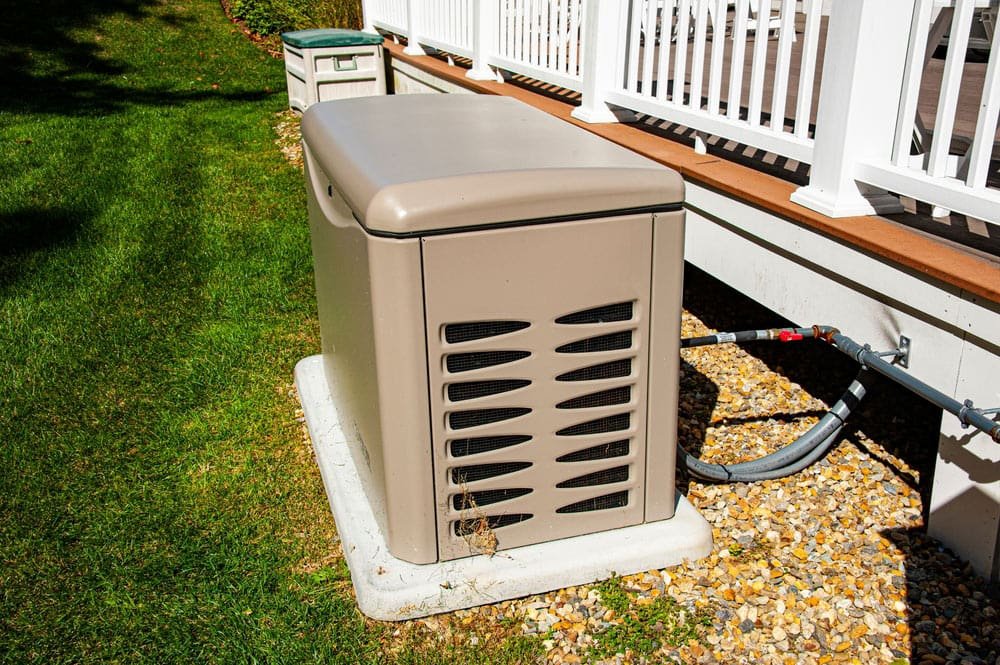
Is your generator shutting off when you need it most? You’re not alone.
Many people face this frustrating issue, and it can leave you feeling powerless, especially during emergencies or power outages. Understanding why your generator keeps shutting off is crucial to getting it back in working order. We’ll explore the common reasons behind this problem, helping you troubleshoot and solve the issue quickly.
Don’t let a malfunctioning generator disrupt your plans. Keep reading to regain control and ensure your power supply is reliable when you need it!
Common Reasons For Shutdown
Generators can shut down for various reasons. Understanding these reasons helps you troubleshoot issues quickly. Here are some common causes of generator shutdown.
Low Fuel Levels
Low fuel levels are a frequent reason for generator shutdown. When the fuel tank is empty, the generator stops running. Always check the fuel gauge before starting your generator. Refuel it if necessary to keep it running smoothly.
Engine Overheating
Engine overheating can cause a generator to shut off. This often happens due to blocked air vents or low coolant levels. Ensure the generator has proper airflow. Regularly check coolant levels to prevent overheating.
Oil Pressure Problems
Oil pressure problems can lead to shutdowns as well. Low oil levels can trigger an automatic shutdown. Regularly check and change the oil in your generator. This helps maintain proper pressure and keeps the engine safe.
Electrical Overload
An electrical overload can also cause a generator to stop. This happens when too many devices draw power at once. Know the generator’s power limits. Disconnect some devices if the generator shuts down due to overload.
Fuel System Issues
Fuel system issues can cause a generator to shut off unexpectedly. Problems like clogged fuel filters or low fuel levels often lead to this. Regular maintenance can help prevent these issues and keep your generator running smoothly.
Fuel system issues are common culprits when your generator keeps shutting off unexpectedly. If your generator isn’t getting the right amount of fuel, it can lead to frustrating shutdowns. Understanding these problems can save you time and money while keeping your generator running smoothly.Clogged Fuel Lines
Clogged fuel lines can restrict the flow of fuel to your generator. Dirt, debris, or even algae can build up inside the lines, creating blockages. Have you ever tried to start your generator only to find it sputtering and dying? This could very well be due to clogged fuel lines. Regularly inspect and clean your fuel lines to keep them clear. A simple solution is to run a fuel system cleaner through your generator. Make it a habit to check your fuel lines every few months. This can help prevent unexpected shutdowns and keep your generator functioning optimally.Carburetor Malfunctions
The carburetor plays a vital role in mixing air and fuel for combustion. If it’s malfunctioning, your generator may struggle to run efficiently. You might notice that your generator starts but quickly shuts off. This could point to a carburetor issue. Cleaning the carburetor can often resolve these problems. Make sure to remove any gunk or residue that has built up over time. If cleaning doesn’t help, consider replacing the carburetor. It’s an investment that can extend the life of your generator and ensure it runs smoothly.Poor Fuel Quality
Using low-quality or contaminated fuel can lead to generator shutdowns. Impurities in the fuel can create issues in the engine. Have you ever filled up your generator with gas that smelled odd or looked cloudy? This could be a sign of poor fuel quality. Always opt for fresh, high-quality fuel. Stale or old fuel can cause starting issues and lead to engine damage over time. Consider adding a fuel stabilizer if you don’t use your generator regularly. This can help maintain fuel quality and prevent shutdowns. Taking the time to address fuel system issues can make a significant difference in your generator’s performance. What steps will you take to ensure your generator runs smoothly?Airflow And Ventilation Problems
Generators need proper airflow to work well. Airflow problems can cause your generator to shut off. Poor ventilation can lead to overheating. This can damage the generator and stop it from running.
Blocked Air Filters
Air filters clean the air that enters the generator. Over time, these filters can get dirty. A blocked air filter restricts airflow. This can make the engine work harder.
When the engine struggles, it can shut down. Regularly check and clean your air filters. Replace them if they are too dirty. This simple step can keep your generator running smoothly.
Inadequate Ventilation
Ventilation is key for any generator. It needs fresh air to cool down. If the generator is in a tight space, it may not get enough air. This leads to overheating.
Ensure there is enough space around the generator. Clear away any obstructions. Open windows or doors can help improve airflow. Proper ventilation helps maintain a safe operating temperature.

Credit: www.rvupgradestore.com
Sensor And Switch Failures
Generators rely on sensors and switches to operate safely. If these parts fail, the generator may shut off unexpectedly. Understanding these failures helps in troubleshooting and fixing issues.
Faulty Low Oil Sensor
A low oil sensor monitors the oil level in the generator. If it detects low oil, it shuts down the generator to prevent damage. A faulty sensor might think the oil level is low, even if it isn’t. This can cause the generator to shut off frequently.
Defective Overload Switch
The overload switch protects the generator from too much power. It trips when the load exceeds the generator’s capacity. If this switch is defective, it may trip too often. This leads to unwanted shutdowns and disrupts your power supply.
Temperature Sensor Malfunctions
A temperature sensor keeps track of the generator’s heat. If it senses overheating, it will turn off the generator. Sometimes, this sensor can malfunction. It may falsely signal overheating, causing the generator to shut off.
Battery And Starter Issues
Battery and starter issues often cause generators to shut off unexpectedly. Understanding these problems can help you troubleshoot effectively. Let’s explore two common issues: weak batteries and faulty starter motors.
Weak Battery
A weak battery is a common reason for generator shutdowns. It may not provide enough power to start the generator. Check the battery voltage regularly. A battery should show at least 12.6 volts when fully charged.
Look for signs of corrosion on the battery terminals. Corrosion can block the connection. Clean the terminals if you see any buildup. Replace the battery if it is old or failing.
Faulty Starter Motor
A faulty starter motor can prevent your generator from starting. The starter motor turns the engine over. If it fails, the generator won’t run. Listen for clicking sounds when you try to start it.
Check the wiring connected to the starter motor. Loose or damaged wires can cause problems. If the starter motor seems broken, replace it. This simple fix can restore your generator’s performance.
Maintenance And Wear
Generators need regular care. Without proper maintenance, they can fail. Wear and tear cause many issues. These problems often lead to shutdowns. Understanding how parts wear out is important.
Old Spark Plugs
Spark plugs ignite the fuel in your generator. If they are old, they may not work well. Dirty or worn spark plugs cause starting issues. They can make the generator shut off unexpectedly. Replacing spark plugs regularly helps keep your generator running smoothly.
Worn Out Components
Parts like belts and filters wear down over time. Worn components affect performance. They can cause overheating or other malfunctions. Regularly check for signs of wear. Replace any damaged parts to prevent shutdowns. Proper maintenance ensures your generator runs reliably.
Troubleshooting Steps
Generators can shut off for many reasons. Troubleshooting helps find the cause. Follow these steps to identify issues. Each step is simple and clear.
Inspect Fuel Levels
First, check the fuel level. Low fuel can cause the generator to stop. Make sure you have enough fuel in the tank. Use fresh fuel, not old or stale fuel. Old fuel can lead to problems.
Check Oil And Filters
Next, check the oil level. Low oil can shut down the generator. Add oil if needed. Also, inspect the oil filter. A dirty filter can block oil flow. Change the filter if it’s dirty.
Test Electrical Connections
Now, examine the electrical connections. Loose or damaged wires can cause issues. Make sure all connections are tight. Look for any visible damage. Repair or replace any faulty wires.
Examine Sensors
Finally, check the sensors. Sensors monitor key functions. A faulty sensor may shut off the generator. Look for error codes on the display. Replace any defective sensors.
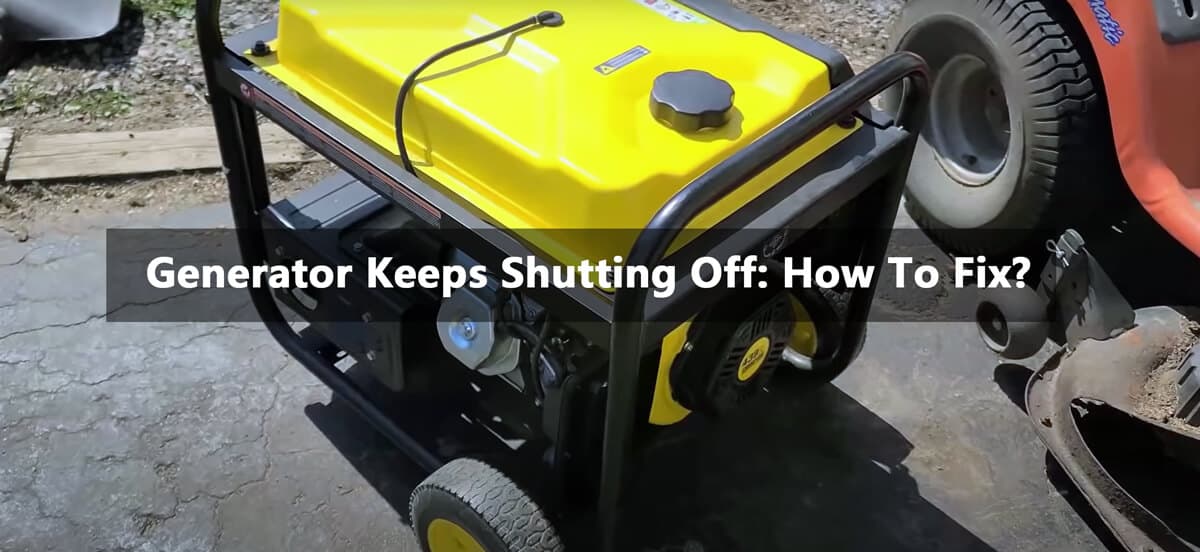
Credit: china-bison.com
Preventive Measures
Generators are essential for power outages. Keeping them running smoothly is important. Preventive measures help avoid shutdowns. Regular care and good practices make a difference.
Regular Maintenance
Regular maintenance keeps your generator in top shape. Check the oil level often. Change the oil as needed. Clean or replace the air filter regularly. Inspect the spark plugs for wear. Tighten loose connections too. A well-maintained generator runs better and lasts longer.
Proper Storage
Store your generator in a dry, clean place. Avoid damp or dusty areas. Protect it from extreme weather. Cover it with a breathable tarp. This keeps dirt and moisture away. Proper storage ensures your generator is ready when you need it.
Using Quality Fuel
Using quality fuel is essential. Always choose fresh fuel. Old or contaminated fuel can cause issues. Store fuel in a clean, sealed container. Avoid mixing different fuel types. Quality fuel helps your generator run smoothly.
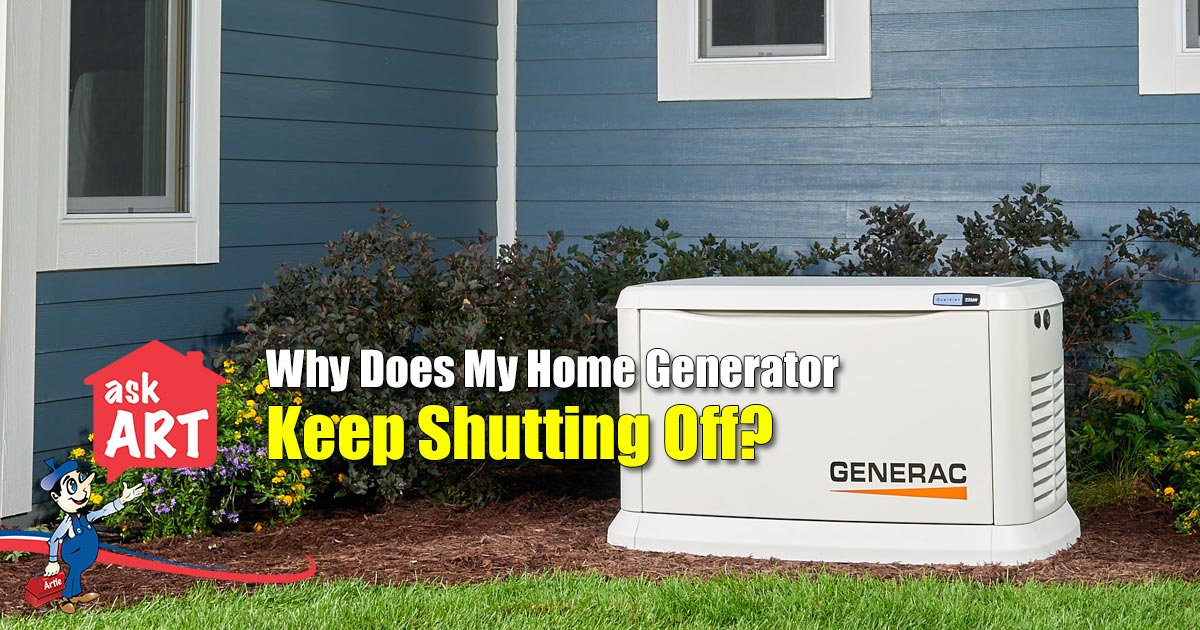
Credit: www.artplumbingandac.com
Frequently Asked Questions
Why Does My Generator Turn Off Unexpectedly?
Generators can shut off unexpectedly for various reasons. Common causes include low fuel levels, overheating, or overloaded circuits. Additionally, a faulty spark plug or air filter can lead to shutdowns. Regular maintenance can help prevent these issues and ensure your generator runs smoothly.
What Causes A Generator To Overheat?
Generators overheat primarily due to inadequate ventilation or blocked air filters. If the oil level is low, it can also lead to overheating. Other factors include excessive loads or extended use without breaks. Monitoring these aspects can help maintain the generator’s optimal temperature.
How Can I Fix A Generator That Won’t Stay On?
To fix a generator that won’t stay on, start by checking the fuel supply. Ensure the fuel is fresh and there are no clogs in the fuel lines. Inspect the spark plug and air filter for cleanliness. If problems persist, consult a professional technician for further diagnosis.
Is It Normal For A Generator To Shut Down?
It’s not uncommon for generators to shut down during operation. However, frequent shutdowns can indicate underlying issues. Problems like low oil, fuel shortages, or mechanical failures may be the cause. Regular checks and maintenance can help identify and resolve these issues promptly.
Conclusion
Generators can shut off for various reasons. Common issues include fuel problems, low oil, and overheating. Regular maintenance helps prevent these shutdowns. Check your fuel levels and oil regularly. Also, clean the air filter and spark plug. Understanding these factors can save you time and frustration.
A well-functioning generator provides peace of mind. Keep your generator in good shape. This ensures it runs smoothly when you need it most. Addressing issues early can keep your generator reliable. Stay informed and keep it running strong.