
Imagine a situation where the power goes out, and you need a reliable source of energy. You might be wondering if a single generator can power not just your home but also your neighbor’s.
Can one generator really handle the demands of two houses? We’ll explore the possibilities and limitations of using one generator for two households. You’ll discover the factors that influence its capacity, the types of generators available, and practical tips to ensure both homes stay powered up efficiently.
By the end, you’ll have a clear understanding of how to make this setup work—or whether it’s better to consider alternative solutions. Ready to find out if a single generator can meet your needs? Let’s dive in!

Credit: yoderelectric.com
Powering Multiple Houses
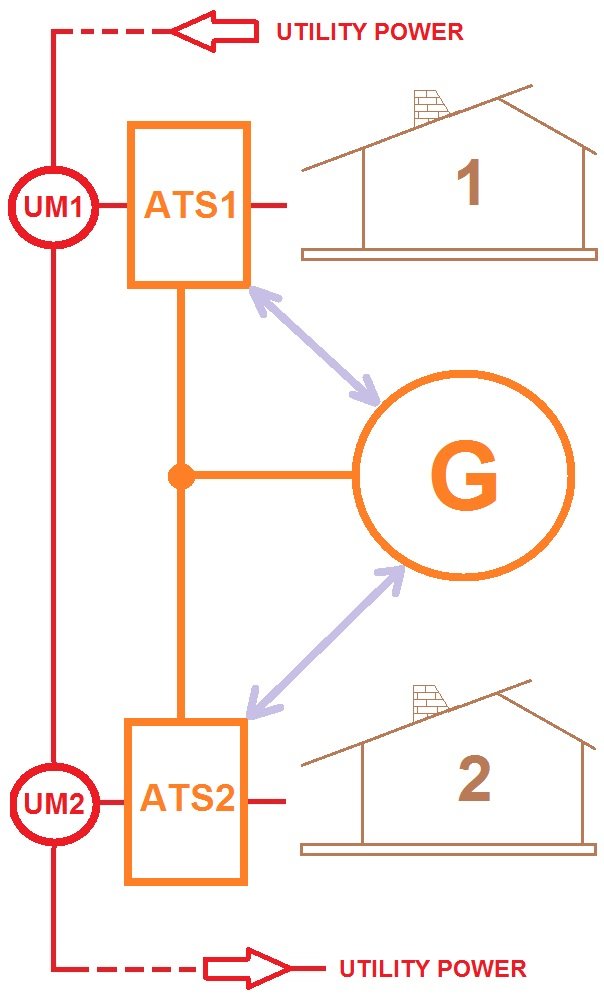
Can one generator power two houses? Yes, it is possible with the right setup. This involves using a transfer switch and ensuring the generator has enough capacity. Proper planning can help share the power effectively and safely between the homes.
Powering multiple houses with a single generator is a topic that sparks curiosity and practical considerations. Many homeowners wonder if it’s feasible to share power without compromising reliability. The answer lies in understanding the specific needs of each household and the generator’s capabilities.
Key Factors To Consider
Before deciding to power two houses with one generator, assess several key factors. – Power Requirements: Calculate the total wattage needed for both homes. Make a list of essential appliances, lighting, and heating or cooling systems. This helps you understand the baseline power needed. – Distance Between Houses: The physical distance can affect performance. Longer distances may require thicker cables to prevent voltage drop. Ensure the generator is positioned to minimize the length of wiring. – Generator Type: Different generators serve different purposes. Portable generators may work for short power outages, while standby generators offer a more permanent solution. Choose wisely based on your situation. – Local Regulations: Some areas have specific rules about sharing power between properties. Check with local authorities to ensure compliance and avoid potential fines.
Generator Capacity Requirements
Understanding generator capacity is crucial for powering two homes efficiently. – Wattage Calculation: Start with a simple formula. Add up the wattage of all essential appliances. – Peak vs. Running Watts: Remember that some appliances require more power to start than they do to run. For example, a refrigerator might need 800 watts to start but only 200 watts while running. – Generator Rating: Choose a generator with a continuous output rating that exceeds your total wattage needs. A generator rated for at least 30% more than your peak demand provides a buffer for unexpected power surges. – Usage Schedule: If both houses do not need power at the same time, you can stagger usage. This strategy can save on costs and reduce the strain on the generator. Sharing a generator can be a practical solution, but careful planning and consideration are essential. Have you thought about how your power needs align with your neighbor’s? Being proactive can lead to a smooth setup and reliable energy for both homes.

Credit: ats-panels.com
Energy Needs Assessment
Understanding energy needs is crucial for sharing a generator. Assessing the energy required by two houses helps ensure proper power distribution. This step prevents overloading the generator. It also keeps both homes running smoothly during outages.
Calculating Total Power Consumption
Start by listing all appliances in both houses. Note their wattage, which is usually found on a label. Add the wattage of each appliance to get the total power needed. This total will help you understand the generator’s capacity.
Consider peak and running wattage. Some appliances need extra power to start. For example, refrigerators and air conditioners need more power when they start up. Make sure to include these numbers in your calculations.
Prioritizing Essential Appliances
Not all appliances are equally important during an outage. Identify essential appliances that must stay on. Focus on items like refrigerators, lights, and medical devices. These are crucial for comfort and safety.
Once you know the essentials, prioritize them. Determine which appliances can share power. This planning ensures that both homes have necessary services without overloading the generator.
By assessing energy needs, both households can share a generator effectively. Proper planning leads to a reliable power supply for everyone.
Choosing The Right Generator
Choosing the right generator can help power two houses. Consider the total wattage needed for both homes. Ensure the generator can handle that load without issues. Proper planning is key to avoid outages and ensure safety.
Choosing the right generator can make a significant difference in your home’s power needs. If you’re considering whether one generator can power two houses, understanding the various options available is crucial. It’s not just about picking any generator; you need to find one that meets both homes’ energy demands efficiently.
Types Of Generators
Generators come in several types, and each serves different needs: – Portable Generators: These are great for temporary power needs. If you need backup during an outage, this might be your best bet. However, they may not have enough capacity for two houses. – Standby Generators: These are permanently installed and kick in automatically during a power outage. They can handle larger loads, making them ideal for multiple homes. – Inverter Generators: Known for their efficiency, these generators provide clean power. They are quieter and great for sensitive electronics but may require careful load management. Understanding which type fits your situation is vital. What’s your power requirement during an outage?
Fuel Options And Efficiency
The fuel type of your generator greatly impacts its efficiency and operating costs. Here are some common fuel options: – Gasoline: Widely available and easy to use, but it can be costly over time. Storage can also be a concern. – Propane: Offers a cleaner burn and is more efficient. However, you’ll need a proper storage tank, which can be a hassle. – Diesel: Generally more fuel-efficient and has a longer shelf life. It’s also more durable but can be more expensive upfront. Consider how often you might need to refuel. If you find yourself in frequent outages, a generator that runs on a more accessible fuel might be the best choice. Think about your neighbors too. Would sharing a generator for both houses make sense for your community?

Credit: www.stansac.com
Connection And Wiring Setup
Connecting one generator to power two houses requires careful planning. The wiring setup is crucial for safety and efficiency. Proper installation ensures both homes receive power. It also prevents damage to the generator and electrical systems.
Each house may have different power needs. Understanding these needs helps in setting up the connections correctly. A safe and effective wiring setup is vital for smooth operation.
Safe Installation Practices
Safety comes first in any electrical project. Always follow local codes and regulations. Use quality materials for all connections. Inspect wires for damage before use. This helps prevent electrical fires and other hazards.
Ensure that the generator is properly grounded. Grounding protects against electrical shock. Keep the generator in a well-ventilated area. This prevents carbon monoxide buildup.
Using Transfer Switches
Transfer switches are essential for connecting a generator to multiple homes. They allow safe switching between grid power and generator power. This prevents back-feeding, which can harm utility workers.
Install a transfer switch for each house. This setup allows both homes to operate independently. Make sure the switch is rated for the generator’s output. Proper installation will ensure reliable power supply.
Load Sharing Techniques
Load sharing techniques can allow one generator to power two houses. This method divides the electrical load between the homes, making it more efficient. Proper setup ensures both houses receive enough power without overloading the generator.
Load sharing techniques are essential when you want to use one generator to power two houses. Properly managing energy distribution ensures that both homes receive adequate power without causing damage to the generator or the appliances. Understanding how to balance energy needs is key to maintaining efficiency and reliability.
Balancing Energy Distribution
Balancing energy distribution is crucial for effective load sharing. You need to calculate the total energy demand of both houses. – List appliances: Start by listing all the major appliances in each home. – Calculate wattage: Add up their wattage to find the total requirement. This approach helps you see if your generator can handle the load. Have you ever faced a power outage? You likely relied on your generator and realized how vital it is to understand your power needs. Use a power management system if possible. This system can help distribute the load evenly between the two houses, preventing any house from hogging the power.
Avoiding Overloading Issues
Overloading issues can lead to serious damage to your generator and appliances. Knowing the generator’s capacity is essential. – Generator rating: Check the generator’s rated wattage. – Stay within limits: Keep the total load under this limit. If you exceed the generator’s capacity, it can trip breakers or even cause permanent damage. Have you ever tried running too many appliances at once? It often leads to flickering lights or, worse, a complete shutdown. Consider using a load bank to test the generator’s performance before relying on it for both houses. This can help you identify potential issues early on. Regular maintenance is equally important. Schedule routine checks to keep your generator running smoothly. Using these load sharing techniques can make a significant difference in your power management strategy. By understanding your energy needs and avoiding overloading, you can ensure a reliable power supply for both homes.
Cost Implications
Powering two houses with one generator can save money. But, it also has costs. Understanding these costs is crucial. It helps in making informed decisions.
Initial Investment
The first cost is the generator itself. A larger generator costs more. Choose one with enough capacity for both houses. Installation costs can also add up. You may need professional help to set it up properly.
Consider the fuel type too. Gasoline generators are cheaper. Diesel generators are more expensive but often last longer. Think about the right choice for your needs.
Long-term Operational Costs
Long-term costs include fuel and maintenance. Fuel prices can vary. This affects your budget over time. Regular maintenance is important. It prevents breakdowns and extends the generator’s life.
Also, consider repair costs. Older generators may need more repairs. This can add to your overall expenses. Keep these factors in mind when deciding.
Maintenance And Troubleshooting
Can one generator power two houses? It’s a common question among homeowners. A single generator can supply power to both homes, but it depends on the generator’s capacity and the power needs of each house. Proper maintenance and troubleshooting are key to ensure it runs smoothly.
Maintaining a generator that powers two houses is essential for ensuring a reliable energy supply. Regular maintenance can prevent unexpected breakdowns and costly repairs. Knowing how to troubleshoot common issues can save you time and frustration when problems arise.
Regular Generator Maintenance
To keep your generator running smoothly, schedule regular maintenance checks. Check the oil levels and change the oil as recommended by the manufacturer. Clean or replace air filters to ensure optimal airflow. Inspect fuel lines for leaks or cracks. A small issue can escalate quickly if not addressed. Also, test the battery regularly. A weak battery can leave you without power when you need it most. Consider keeping a maintenance log. This helps track when you last serviced the generator and what was done.
Identifying Common Issues
Understanding potential problems can help you act quickly. Listen for unusual noises—these could indicate mechanical issues. If the generator won’t start, check the fuel level first. Sometimes, it’s as simple as running out of gas. Look for warning lights on the control panel. Each light often corresponds to a specific issue. If you notice a drop in power output, inspect the load on the generator. Overloading can cause performance issues. Have you ever had to troubleshoot a generator issue? Sharing your experience can help others avoid similar situations. By staying vigilant and proactive with maintenance and troubleshooting, you can ensure your generator continues to power both homes effectively.
Safety Considerations
Powering two houses with one generator can be risky. Safety must come first. Consider the generator’s capacity and ensure proper installation. Avoid overloading it to prevent accidents. Always follow guidelines and consult a professional for advice. Protect your home and family by prioritizing safety.
Safety considerations are crucial when determining if one generator can power two houses. You want to ensure that your setup does not pose risks to you, your family, or your property. Understanding electrical hazards and preparing for emergencies can help you make informed decisions.
Preventing Electrical Hazards
Electrical hazards can occur when connecting two homes to a single generator. It’s vital to use a transfer switch to prevent backfeeding into the grid. Backfeeding can endanger utility workers and lead to serious accidents. Always check your generator’s capacity. If you overload it, you risk damaging appliances or causing fires. List out the essential appliances you need to run and make sure their combined wattage does not exceed the generator’s output. Consider using a qualified electrician to help with the setup. They can ensure everything is compliant with local codes. This investment in professional help can save you from costly mistakes later.
Emergency Preparedness
Have a plan ready in case of an emergency. What if the generator fails or there’s a power outage? You should have backup lights, batteries, and a communication method in place. Stock your emergency kit with essentials. Include water, non-perishable food, and first aid supplies. Regularly check and update this kit to ensure you have everything you need. Do you have an evacuation plan? If your generator starts emitting smoke or strange sounds, knowing where to go is important. Discuss emergency procedures with your family so everyone understands what to do. Staying safe while powering two houses with one generator requires attention to detail and preparation. By addressing electrical hazards and preparing for emergencies, you can enjoy the benefits of having backup power without unnecessary risks.
Frequently Asked Questions
Can A Single Generator Power Two Homes?
Yes, a single generator can power two homes, but several factors must be considered. The generator must have sufficient wattage to meet the combined power needs of both houses. Proper load management and distribution systems are essential to avoid overload and ensure safe operation.
What Size Generator Do I Need For Two Houses?
The size of the generator required depends on the total wattage needed by both houses. Calculate the essential appliances and systems in both homes. A generator with a capacity of at least 10,000 to 15,000 watts is often recommended for two houses, but this may vary based on individual needs.
Is It Safe To Connect Two Houses To One Generator?
Connecting two houses to one generator can be safe when done correctly. It’s crucial to use appropriate equipment and follow local electrical codes. A professional electrician should assess the setup to ensure safety and compliance with regulations to prevent backfeeding and other hazards.
How Do I Connect Two Houses To One Generator?
To connect two houses to one generator, use a transfer switch. This device allows you to switch between utility power and generator power safely. Ensure that each house is properly wired to the generator, and consult with a licensed electrician for installation to avoid electrical hazards.
Conclusion
One generator can power two houses, but it depends on several factors. First, check the generator’s capacity. It must handle the total load of both homes. Next, consider the distance between the houses. Long distances can cause power loss. Always prioritize safety by using proper connections.
Consulting an electrician is wise for a safe setup. With the right generator and setup, you can enjoy reliable power. This solution can be both practical and efficient for many homeowners.