
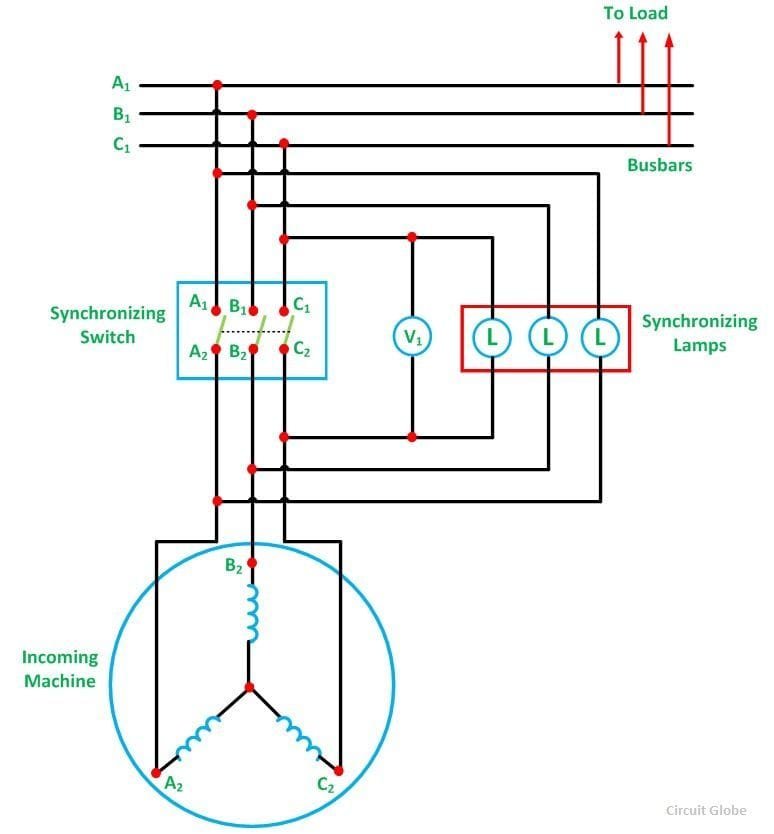
Generator synchronization plays a critical role in ensuring a seamless and reliable power supply. Have you ever wondered how multiple generators work together without causing disruptions?
Understanding the purpose of generator synchronization can help you appreciate the intricate balance that keeps our electrical systems running smoothly. We’ll break down the key concepts behind synchronization, why it’s essential for your operations, and how it impacts everything from industrial settings to your home.
By the end, you’ll see why mastering this topic is crucial for anyone involved in power generation. Let’s dive into the world of generator synchronization and discover how it can benefit you.

Credit: www.youtube.com
Generator Synchronization Basics
Generator synchronization is important for power systems. It ensures multiple generators work together smoothly. This process balances voltage, frequency, and phase. Proper synchronization prevents damage to equipment.
What Is Generator Synchronization?
Generator synchronization means matching generators before connecting them. This process aligns their output. It helps avoid electrical disturbances. When generators are synchronized, they share the load evenly.
Why Is Synchronization Important?
Synchronization keeps the power supply stable. It prevents fluctuations that can cause outages. Properly synchronized generators improve efficiency. They reduce the risk of equipment failure.
How Does Synchronization Work?
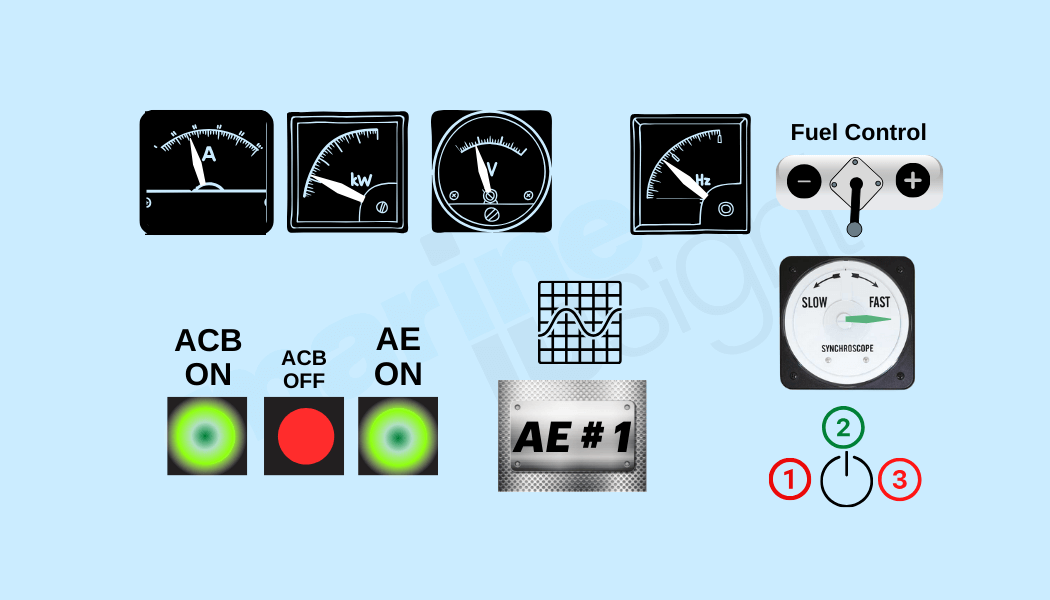
The synchronization process involves several steps. First, operators check voltage levels. Next, they compare frequencies and phases. If everything matches, they connect the generators.
Key Benefits Of Generator Synchronization
Generator synchronization offers many advantages. It enhances system reliability. It ensures a steady power supply. This process also extends the lifespan of equipment. Efficient operation reduces fuel costs.
Common Applications Of Synchronization
Synchronization is used in various settings. It is common in power plants. Many industrial facilities also rely on it. Hospitals and data centers use synchronization for uninterrupted service.
Credit: www.marineinsight.com
Importance Of Frequency Matching
Generator synchronization is a critical process that ensures multiple generators work together seamlessly. One of the main aspects of this process is frequency matching. Understanding its importance can help you appreciate how your power system operates efficiently and reliably.
Why Frequency Matters
Frequency is the rate at which alternating current (AC) cycles. In most power systems, this is typically 50 or 60 Hz. If generators operate at different frequencies, it can lead to unstable conditions, resulting in equipment damage or outages.
Effects Of Mismatched Frequencies
- Equipment Damage:Generators may experience mechanical stress if they run out of sync. This can lead to costly repairs.
- Power Quality Issues:Mismatched frequencies can cause fluctuations in voltage, impacting the performance of sensitive equipment.
- System Instability:An unstable grid may lead to blackouts or brownouts, affecting both residential and commercial users.
How Frequency Matching Works
Before connecting generators to the grid, they must match in frequency. This involves adjusting the speed of the generators to align their output. You might be surprised at how even a small difference can cause major issues.
Real-world Applications
Consider a scenario where you have a backup generator at home. If this generator kicks in during a power outage but is running at a different frequency than the main grid, your appliances may not function properly. Ensuring frequency matching can make all the difference in maintaining smooth operations.
Conclusion: Your Role In Frequency Matching
Understanding frequency matching gives you insight into the vital role you play in maintaining a stable power supply. Regular maintenance and checks can help ensure your generators stay in sync. Are you ready to take proactive steps to safeguard your power systems?
Role Of Voltage Alignment
The role of voltage alignment in generator synchronization is crucial for ensuring the efficient operation of multiple generators. Proper voltage alignment not only enhances performance but also safeguards your equipment from potential damage. Understanding this concept can prevent costly downtime and improve your energy management strategy.
Understanding Voltage Differences
Generators often operate at different voltage levels due to various factors such as load changes or equipment age. When two or more generators are connected to the same grid, their voltages must be closely matched. If the voltage levels differ significantly, it can lead to equipment stress, inefficiencies, or even outages.
Voltage alignment minimizes these risks. It ensures that each generator contributes equally to the load, preventing one from bearing more strain than necessary. This balance is essential for maintaining system stability.
The Synchronization Process
During synchronization, operators adjust the voltage of each generator to match the grid voltage. This process often involves using automatic voltage regulators (AVRs) that continuously monitor and adjust voltage levels in real-time. Proper tuning can lead to smoother operations and extended equipment lifespan.
Have you ever experienced a power flicker when multiple generators kick in? This is often a sign of poor voltage alignment. Addressing these discrepancies can reduce such instances, leading to a more reliable power supply.
Benefits Of Proper Voltage Alignment
- Improved Efficiency:Aligned voltages allow generators to share the load effectively.
- Reduced Wear and Tear:Balanced voltage minimizes stress on generators, extending their lifespan.
- Enhanced Reliability:Consistent voltage levels lead to fewer outages and interruptions.
Imagine running a business where power interruptions are common. Proper voltage alignment can eliminate those worries, allowing you to focus on growth rather than maintenance issues.
Understanding the role of voltage alignment in generator synchronization is critical for effective energy management. It not only boosts efficiency but also enhances the reliability of your power supply. Consider how voltage alignment can impact your operations and take steps to ensure your generators work in harmony.
Phase Angle Synchronization
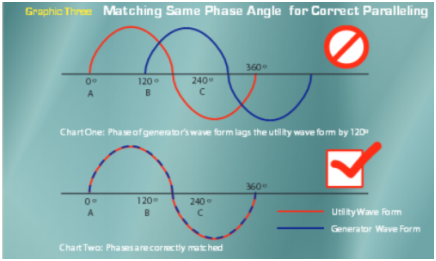
Phase angle synchronization is crucial in generator systems. It ensures generators work together smoothly. This helps maintain stability in power systems.
Generators produce alternating current (AC). The phase angle shows the position of the AC waveform. Proper synchronization aligns these waveforms. This alignment prevents disruptions.
Importance Of Phase Angle
The phase angle impacts the power output. Mismatched angles can cause power loss. This is why synchronization is essential.
Generators with the same phase angle share the load. This reduces stress on each generator. It also enhances overall efficiency.
How Phase Angle Synchronization Works
Phase angle synchronization uses sensors. These sensors monitor the generator’s output. They detect any phase differences.
Once a difference is found, adjustments are made. This can involve changing speed or voltage. The goal is to match the phase angles.
Benefits Of Proper Synchronization
Proper synchronization leads to smoother operations. It reduces wear on machinery. This extends the life of generators.
It also improves power quality. Better power quality means fewer interruptions. This is vital for sensitive equipment.
Challenges In Phase Angle Synchronization
Some challenges include load changes. Unexpected changes can affect synchronization. Quick adjustments are necessary to maintain stability.
Environmental factors can also play a role. Temperature and humidity affect generator performance. Regular maintenance helps address these issues.
Enhancing System Stability
Generator synchronization plays a key role in maintaining system stability. It helps ensure that multiple generators work together smoothly. This coordination is vital for a reliable power supply.
Minimizing Power Fluctuations
Generators often produce varying levels of power. This can lead to instability in the grid. Synchronization minimizes these fluctuations. It aligns the output of each generator. This creates a steady power flow.
Improving Load Sharing
When multiple generators operate, they share the load. Proper synchronization ensures even load distribution. This prevents overloading any single generator. Balanced loads enhance overall system performance.
Enhancing Reliability
Synchronization improves the reliability of power systems. It helps prevent outages caused by sudden changes. A stable system can respond better to demand changes. This enhances the overall reliability of the electricity supply.
Increasing Efficiency
Well-synchronized generators operate more efficiently. They consume less fuel while producing the same power. This efficiency reduces operational costs. It also decreases environmental impact.
Preventing Power Grid Disruptions
Generator synchronization plays a vital role in keeping the power grid stable. It ensures different generators work together smoothly. This prevents sudden disruptions that can lead to outages. Smooth operation keeps homes and businesses powered reliably.
Grid disruptions can happen due to many factors. When generators run out of sync, problems arise. Mismatched frequencies can cause stress on the grid. This stress can lead to failures and blackouts. Synchronization helps maintain balance and stability. It protects the grid from these risks.
Maintaining Frequency Stability
Frequency stability is key to a reliable power supply. Each generator must produce energy at the same frequency. If one generator runs too fast or slow, issues occur. This imbalance can lead to grid failure. Synchronization ensures all generators stay in sync.
Enhancing Load Sharing
Load sharing is important for efficient power distribution. When generators synchronize, they share the load evenly. This prevents any single generator from becoming overwhelmed. Even load distribution improves efficiency and reduces wear on equipment.
Avoiding Equipment Damage
Unsynchronized generators can damage equipment. Sudden shifts in power can strain generators. This strain can lead to costly repairs. Proper synchronization minimizes this risk. It protects both the generators and the grid.
Improving Response To Demand Changes
Power demand can change rapidly. Synchronization allows generators to respond quickly. This flexibility helps meet changing energy needs. A synchronized grid can adjust smoothly to these demands.
Supporting Renewable Energy Integration
Renewable energy sources can be unpredictable. Synchronization helps integrate these sources into the grid. It ensures stability even with varying energy inputs. This support is crucial for a sustainable energy future.
Applications In Power Generation
Generator synchronization plays a key role in power generation. It ensures multiple generators work together smoothly. This is crucial for maintaining a stable power supply. Without proper synchronization, power systems can face serious issues.
Grid Stability
Synchronizing generators helps maintain grid stability. It balances supply and demand effectively. A stable grid prevents blackouts and equipment damage. Power plants must operate in harmony for this to happen.
Load Sharing
Load sharing is vital in power generation. Synchronization allows generators to share the load equally. This maximizes efficiency and reduces wear on equipment. It also enhances the lifespan of generators.
Renewable Energy Integration
Renewable energy sources are becoming more common. Synchronization helps integrate these sources into the grid. Wind and solar power can be variable. Proper synchronization ensures a consistent power supply.
Emergency Backup Systems
Emergency systems rely on synchronization. In case of a power failure, backup generators kick in. They must synchronize quickly with the main grid. This ensures a seamless transition and reliable power.
Industrial Applications
Many industries depend on synchronized power systems. Manufacturing plants require stable electricity to operate machines. Synchronization helps avoid production delays and equipment malfunctions. This boosts overall productivity.
Technologies Used In Synchronization
Generator synchronization relies on several key technologies. Each plays a vital role in ensuring smooth operation. These technologies help maintain balance and efficiency in power systems.
Automatic Synchronizers
Automatic synchronizers are devices that control generator connections. They adjust the generator’s speed, voltage, and phase. This ensures a seamless connection to the grid. These devices save time and reduce human error.
Synchronization Relays
Synchronization relays monitor generator conditions. They check voltage, frequency, and phase angle. If conditions match, relays signal to connect the generators. This process enhances safety and stability.
Microprocessor-based Controllers
Microprocessor-based controllers are advanced tools in synchronization. They analyze data quickly and accurately. These controllers can manage multiple generators at once. They improve the overall efficiency of the power system.
Communication Systems
Effective communication systems are crucial for synchronization. They allow generators to share important data. This information helps in decision-making and coordination. Strong communication leads to better performance.
Grid Monitoring Systems
Grid monitoring systems track real-time data. They help operators understand grid conditions. These systems enable quick responses to changes. They ensure that generators operate smoothly together.
Challenges And Solutions
Generator synchronization can be complex. Many challenges can arise during the process. Understanding these challenges helps find effective solutions. Let’s explore the common issues and their answers.
Challenges In Generator Synchronization
One major challenge is frequency mismatch. Generators may operate at different speeds. This leads to unstable power output. Another issue is phase alignment. If phases are not aligned, it can cause equipment damage.
Load sharing is also a challenge. Generators must share the load evenly. Uneven load can lead to one generator overworking. This can shorten its lifespan. Communication errors between generators can create further issues.
Solutions To Synchronization Challenges
Regular maintenance is key. Check all equipment frequently. Use advanced synchronization systems. These systems can automatically adjust frequency and phase. This reduces human error.
Implementing load management strategies helps too. This ensures that all generators share the load equally. Proper training for operators is crucial. Knowledgeable operators can quickly address any problems.
Lastly, using reliable communication systems is important. Clear communication prevents misunderstandings. This improves the overall synchronization process.
Future Of Synchronization Systems
The future of generator synchronization systems looks promising. Technology is advancing quickly. New methods will enhance efficiency and reliability. These changes will benefit many industries. From power plants to renewable energy, synchronization plays a key role.
Smart grids are on the rise. They allow better management of power distribution. With smart technology, generators can sync automatically. This reduces human error and improves safety.
Integration With Renewable Energy
More renewable energy sources are entering the market. Solar and wind energy are becoming popular. Synchronization systems will adapt to these changes. They will help balance supply and demand.
Advanced algorithms will optimize the use of renewable energy. This will lower costs and reduce waste. Energy storage systems will also play a big role. They will store excess energy for later use.
Improved Communication Technology
Communication technology is evolving. The future will see better data sharing among generators. Real-time data will help systems sync faster. This will lead to fewer outages and improved performance.
Wireless technology will simplify connections. It will allow for more flexible setups. This flexibility is vital for modern energy needs.
Enhanced Safety Features
Safety is always a priority. Future synchronization systems will include better safety features. They will monitor system health continuously. Any issues will be detected quickly.
This proactive approach will reduce risks. It will ensure that generators operate safely and efficiently. Users will enjoy peace of mind knowing their systems are secure.
Focus On Sustainability
The demand for sustainable solutions is growing. Synchronization systems will reflect this trend. They will support eco-friendly practices in energy generation.
By optimizing energy use, these systems will help reduce carbon footprints. Industries will benefit from lower emissions. Sustainability will become a core principle of synchronization.
Credit: engineering.electrical-equipment.org
Frequently Asked Questions
What Is Generator Synchronization?
Generator synchronization is the process of connecting multiple generators to operate together effectively. This ensures that they share the load without causing electrical disturbances. Proper synchronization maintains system stability and reliability, making it essential for power plants and industrial applications.
Why Is Synchronization Important In Power Generation?
Synchronization is crucial for maintaining a stable power supply. It prevents issues such as phase mismatch and voltage fluctuations. Proper synchronization ensures that generators work harmoniously, enhancing efficiency and reliability in power distribution.
How Do Generators Synchronize With Each Other?
Generators synchronize by matching their voltage, frequency, and phase. This involves using synchronization equipment or control systems that monitor these parameters. Once aligned, generators can connect safely and share the electrical load seamlessly.
What Are The Risks Of Poor Synchronization?
Poor synchronization can lead to equipment damage and power outages. It may cause severe voltage fluctuations and overloading of generators. In extreme cases, it can result in blackouts or catastrophic failures in electrical systems.
Conclusion
Generator synchronization plays a crucial role in power systems. It ensures that multiple generators work together smoothly. This process helps maintain a stable and reliable power supply. Proper synchronization prevents equipment damage and power outages. It also improves efficiency and reduces fuel costs.
Understanding generator synchronization is essential for both operators and engineers. This knowledge leads to safer and more effective energy management. With synchronized generators, facilities can handle varying energy demands better. Overall, generator synchronization is key to a well-functioning power network.