

If you own a generator, you know how crucial it is to keep it running smoothly. One key aspect of maintenance is changing the spark plug.
But how often should you really do this? It’s a question many generator owners ask, and the answer can significantly impact your generator’s performance and lifespan. You’ll discover the signs that indicate it’s time for a change, the benefits of regular maintenance, and expert tips to keep your generator in top shape.
By the end, you’ll have all the knowledge you need to make informed decisions about your generator care. Let’s dive in and ensure your generator runs efficiently when you need it most.
Importance Of Spark Plug Maintenance
Maintaining your generator’s spark plug is crucial. A well-functioning spark plug ensures your generator runs smoothly. It helps start the engine efficiently. Regular maintenance prevents costly repairs.
Neglecting spark plug care can lead to problems. A worn spark plug can cause misfires. This impacts the generator’s performance. It may also lead to increased fuel consumption.
Enhances Engine Performance
Regular spark plug changes keep your engine running well. A clean spark plug ignites fuel properly. This boosts power and efficiency. You get the most from your generator.
Improves Fuel Efficiency
Old spark plugs waste fuel. They do not ignite fuel effectively. This leads to higher fuel costs. Changing spark plugs keeps your generator efficient.
Reduces Emissions
A faulty spark plug increases emissions. This is harmful to the environment. Regular maintenance helps keep emissions low. You contribute to a cleaner planet.
Prevents Engine Damage
Worn spark plugs can damage the engine. Misfires can cause serious issues. Regular changes help avoid these problems. Protect your investment with good maintenance.
Credit: www.bluedm.com.au
Signs Of A Worn-out Spark Plug
Worn-out spark plugs can cause poor engine performance. Signs include difficulty starting, rough idling, and misfires. To keep your generator running smoothly, check and replace the spark plug regularly, typically every 100 to 200 hours of use.
Understanding the signs of a worn-out spark plug can save you time, money, and frustration. A spark plug is crucial for your generator’s performance. If it’s not working properly, your generator may not start or run smoothly. Here are some clear indicators that it might be time to change your spark plug.Difficulty Starting The Generator
Struggling to start your generator? This could be a sign of a worn-out spark plug. If you find yourself pulling the starter cord multiple times, pay attention. You should also consider the condition of the plug. An old or damaged spark plug can create weak sparks, making it harder for your generator to ignite fuel.Engine Misfires Or Rough Idling
Does your generator misfire or idle roughly? These symptoms often indicate that the spark plug is failing. A well-functioning spark plug should produce a consistent spark. If the engine stutters or hesitates, it’s time to check the spark plug.Increased Fuel Consumption
Have you noticed that your generator is using more fuel than usual? A worn spark plug can lead to inefficient fuel combustion. This not only affects your wallet but also the generator’s overall performance. If you’re refueling more often, it’s worth checking the spark plug.Visible Wear And Tear
Take a look at the spark plug itself. Is there any visible wear? Signs like corrosion, cracks, or heavy carbon buildup indicate that it’s time for a replacement. You can easily remove the spark plug to inspect it. If it looks worn, don’t hesitate to replace it.Poor Performance Under Load
Does your generator struggle when under load? A failing spark plug can hinder its ability to provide adequate power. If your lights dim or your tools slow down when you plug them in, it might be time to check the spark plug. Regular maintenance, including spark plug checks, ensures your generator runs efficiently. Recognizing these signs can help you maintain your generator’s performance. Are you paying attention to your generator’s behavior?Factors Affecting Replacement Frequency
Changing a generator spark plug is important for its performance. Several factors determine how often you need to replace it. Understanding these factors helps you keep your generator running smoothly.
Usage Intensity
The more you use your generator, the more wear it experiences. Heavy use leads to quicker spark plug deterioration. For instance, a generator running daily will need spark plug changes more often. Light use means longer intervals between replacements. Monitor your usage to know when to check the spark plug.
Generator Type
Different generator types have varied maintenance needs. Portable generators may require more frequent spark plug changes than standby models. Each type has its specifications. Always refer to the manufacturer’s guidelines. This helps you keep your generator in top shape.
Fuel Quality
The type of fuel you use affects spark plug life. Low-quality fuel can leave deposits on the spark plug. This buildup can cause misfires and reduce efficiency. Using clean, high-quality fuel helps extend spark plug life. Check your fuel source to ensure optimal performance.
Credit: www.gentent.com
Recommended Replacement Schedule
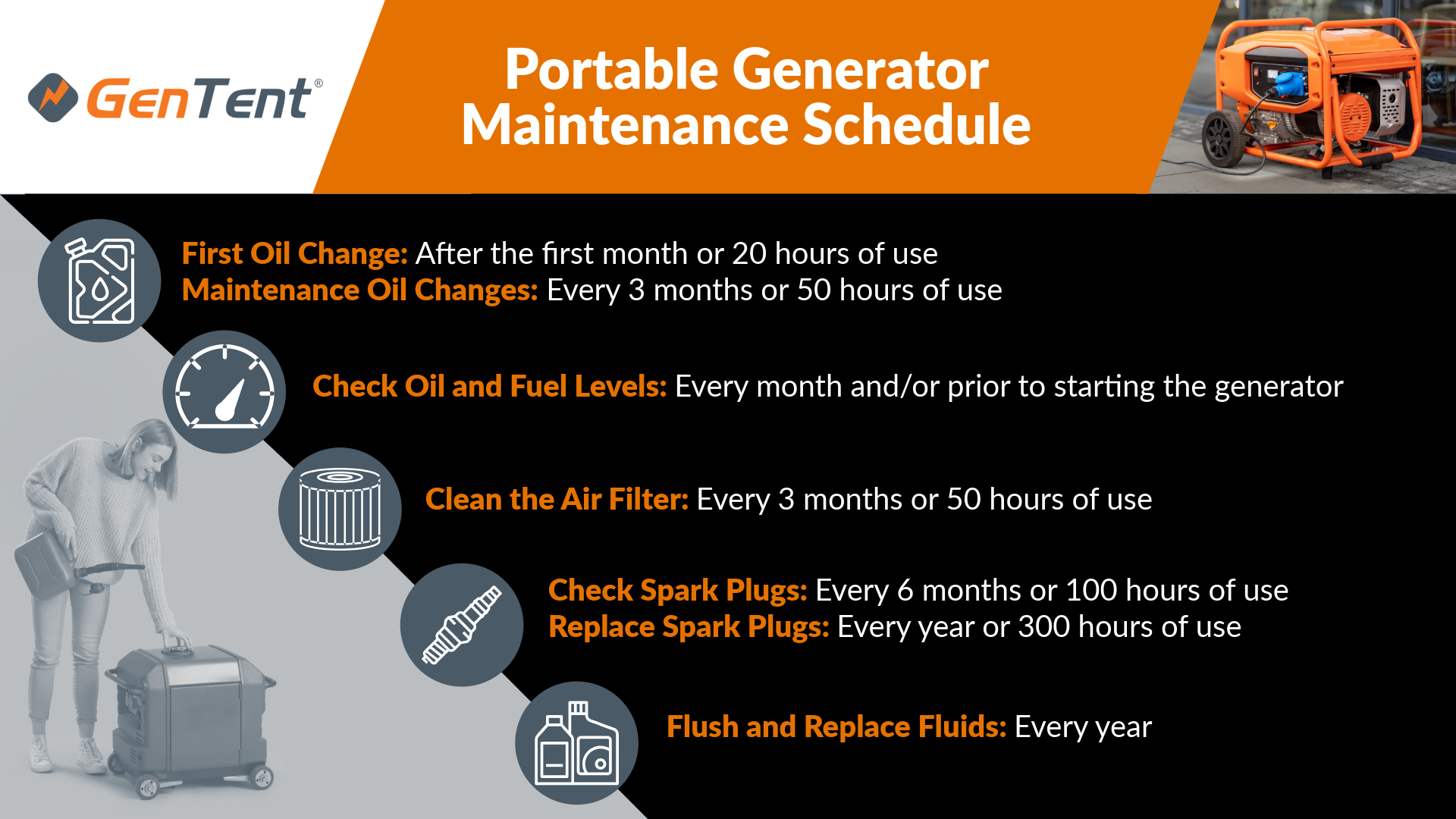
Changing the spark plug in your generator is important. It helps keep the engine running smoothly. Following a recommended schedule can prevent issues down the line.
Every 100 Hours Of Use
Most experts suggest changing the spark plug every 100 hours of operation. This is a good rule of thumb. Regular use can wear out the spark plug faster.
Annually For Light Use
If you use your generator lightly, change the spark plug once a year. This is especially true for seasonal users. Even with low use, the spark plug can degrade.
After Long Storage Periods
Before using a generator after long storage, check the spark plug. Dust and corrosion can build up. It’s best to change it for optimal performance.
Signs Of Wear
Look for signs of wear. If the spark plug looks dirty or damaged, replace it. Missing electrodes or heavy deposits indicate a need for change.
Manufacturer’s Recommendations
Always check your generator’s manual for specific guidelines. Each model may have different needs. Following the manufacturer’s advice ensures better performance.
Steps To Replace A Spark Plug
Changing a spark plug in your generator is simple. Follow these steps for a smooth process. Each step is important for the best performance of your generator.
Gather Necessary Tools
First, collect the tools you need. You will need a socket wrench, a spark plug socket, and a gap tool. A pair of gloves and safety glasses can help keep you safe. Make sure everything is within reach before you start.
Locate The Spark Plug
Next, find the spark plug in your generator. Check the user manual for the exact location. Usually, it is near the top of the engine. Remove any covers that block access. This step is crucial for easy removal.
Remove And Inspect The Plug
Now, use the spark plug socket to remove the old plug. Turn it counterclockwise until it loosens. Pull it out gently. Look for signs of wear or damage. A worn spark plug can affect performance.
Install The New Plug
Take your new spark plug and check the gap. Use the gap tool for accuracy. Insert the new plug into the socket. Turn it clockwise until it is snug. Avoid over-tightening, as this can cause damage. Your generator is now ready for use.
Tips To Extend Spark Plug Lifespan
Taking care of your generator’s spark plug can save you money. Regular maintenance helps it last longer. Here are some simple tips to help you extend its lifespan.
Regular Inspections
Check your spark plug frequently. Look for signs of wear or damage. Replace it if you notice cracks or corrosion. A quick inspection can prevent bigger problems.
Keep The Engine Clean
Remove dirt and debris from the engine area. A clean engine runs better. It also helps the spark plug work properly. Cleanliness can improve overall performance.
Use Quality Fuel
Always use high-quality fuel in your generator. Low-quality fuel can create deposits on the spark plug. This buildup can cause misfires and other issues. Good fuel helps the engine run smoothly.
Avoid Overworking The Generator
Don’t push your generator beyond its limits. Overworking it can cause overheating. This can damage the spark plug and other parts. Use your generator within its recommended capacity.
Follow The Manufacturer’s Guidelines
Read the owner’s manual for specific maintenance tips. The manufacturer provides details on spark plug care. Following these guidelines helps ensure your generator runs well.
Keep The Spark Plug Tight
Ensure the spark plug is properly tightened. A loose spark plug can lead to poor performance. Check it regularly to maintain the right tension. This small step can make a big difference.
Common Mistakes To Avoid
Changing a generator spark plug too infrequently can lead to poor performance. Many people forget to check the manufacturer’s recommendations. Regular maintenance helps keep your generator running smoothly and efficiently. Avoiding this mistake can save time and money in the long run.
When it comes to maintaining your generator, changing the spark plug regularly is crucial for optimal performance. However, many people make common mistakes that can lead to unnecessary frustration and even damage. Understanding these pitfalls can save you time and money, ensuring your generator runs smoothly when you need it most.Neglecting The Owner’s Manual
Your generator’s owner’s manual is a goldmine of information. It provides specific guidelines on when to change the spark plug. Ignoring this can lead to either premature changes or, worse, waiting too long. Always refer to the manual for recommendations tailored to your generator model. This simple step can prevent costly errors.Using The Wrong Spark Plug Type
Not all spark plugs are created equal. Different generators require different types of spark plugs. Using the wrong one can cause poor performance or even engine failure. Make sure to choose the spark plug that matches your generator’s specifications. Check the model number and type before making a purchase.Overlooking Signs Of Wear
Don’t wait until your generator shows signs of trouble to change the spark plug. Pay attention to symptoms like hard starting, rough idling, or reduced power output. These signs often indicate that the spark plug is worn out. Addressing these issues early can save you from more extensive repairs down the line.Skipping Regular Maintenance Checks
Regular maintenance checks are essential. They allow you to catch problems before they escalate. Set a schedule for checking your generator, including the spark plug. Neglecting this can lead to emergencies when you least expect it. Make it a habit to inspect your generator every few months, even if you haven’t used it.Ignoring The Importance Of Cleanliness
A clean spark plug ensures better performance. Dirt and debris can hinder the spark plug’s effectiveness. Always keep the spark plug area clean during maintenance. Use a soft brush or cloth to remove any buildup. This small step can enhance your generator’s efficiency. Avoiding these common mistakes will lead to a more reliable generator. Are you ready to take your maintenance routine to the next level? Your generator will thank you for it.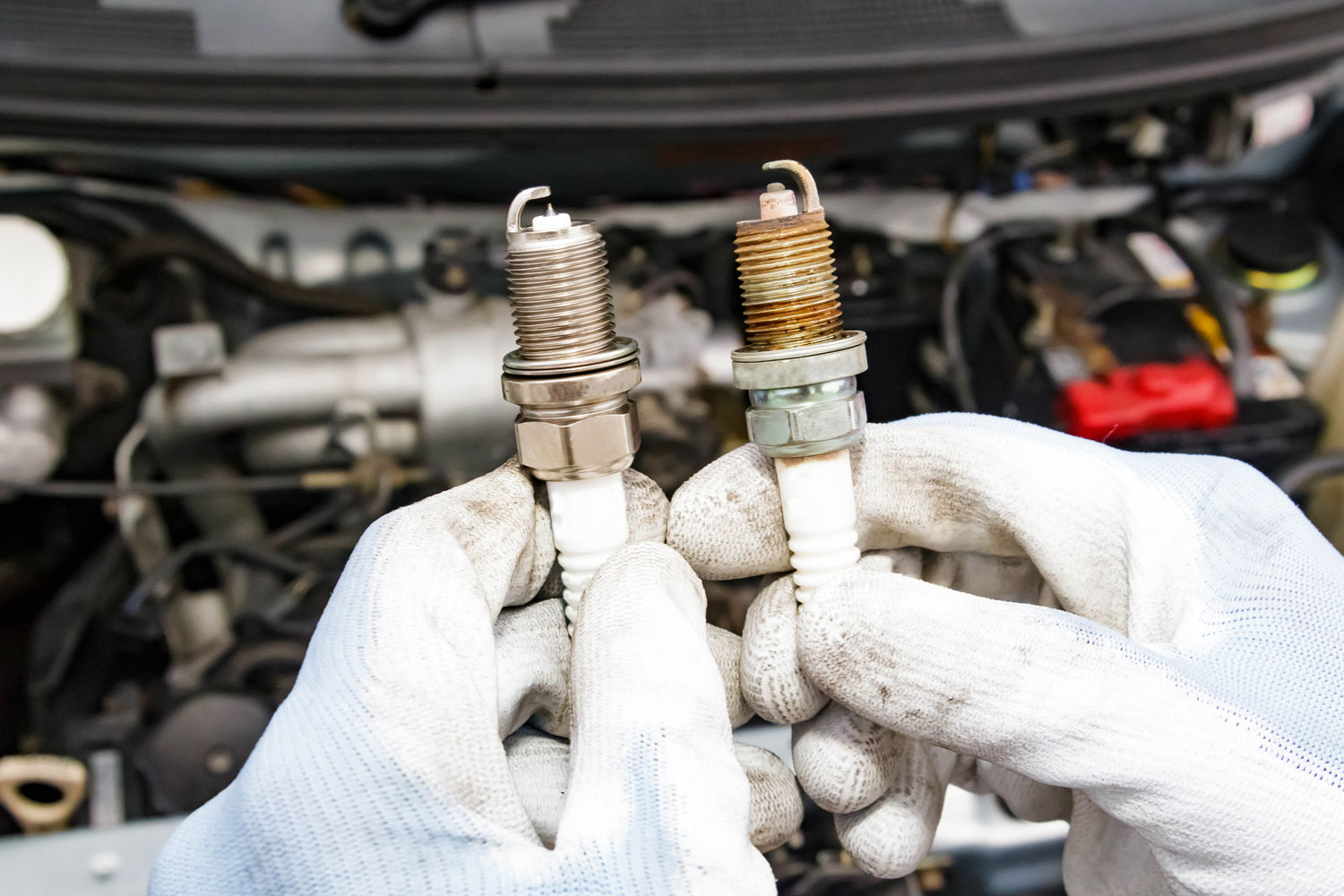
Credit: www.capitalone.com
Frequently Asked Questions
How Often Should You Replace A Generator Spark Plug?
You should typically replace a generator spark plug every 100 to 200 hours of use. Regular maintenance is crucial for optimal performance. Checking the spark plug during routine inspections can help you identify when it needs replacing. Always refer to your generator’s manual for specific recommendations.
What Are The Signs Of A Bad Spark Plug?
Common signs of a bad spark plug include difficulty starting, rough idling, and poor fuel efficiency. You may also notice increased emissions or unusual engine noises. If you experience these issues, inspect your spark plug for wear or damage. Replacing it can improve your generator’s performance significantly.
Can You Clean A Spark Plug Instead Of Replacing It?
Yes, you can clean a spark plug if it shows signs of minor fouling. Use a wire brush or specialized cleaner to remove carbon buildup. However, if the spark plug is damaged or excessively worn, replacement is recommended. Regularly checking your spark plugs can help prolong their lifespan.
What Tools Do I Need To Change A Spark Plug?
To change a spark plug, you will need a spark plug socket, ratchet, and possibly a gap gauge. An extension may be helpful for hard-to-reach plugs. Always ensure you have the correct replacement spark plug for your specific generator model.
Proper tools make the process easier and more efficient.
Conclusion
Changing your generator’s spark plug regularly is essential. It keeps your generator running smoothly. Follow the manufacturer’s guidelines for the best results. Typically, changing the spark plug every 100 hours of use is a good rule. Check it more often if you use your generator heavily.
A clean spark plug improves fuel efficiency and performance. Regular maintenance saves you time and money in the long run. Stay proactive about your generator care. Enjoy reliable power when you need it most. Keep your spark plug in check for optimal performance.