

When it comes to powering your home or business, you face a big decision: should you choose a generator or solar panels? Both options offer unique benefits, but which is truly better for your needs?
You want something reliable, cost-effective, and environmentally friendly. This guide will break down the pros and cons of each choice, helping you make an informed decision. By the end, you’ll have a clear understanding of what fits best with your lifestyle and budget.
Don’t miss out on discovering the perfect energy solution for you!

Credit: www.greenlancer.com
Power Source Basics
Generators and solar panels serve as popular power sources. Generators provide instant electricity but depend on fuel. Solar panels harness sunlight, offering a clean, renewable option. Choosing between them depends on your needs, budget, and environmental concerns. Each has its benefits and downsides to consider.
Understanding the basics of power sources is crucial when deciding between a generator and solar panels. Both options have distinct mechanisms and benefits. Knowing how each one works can help you make an informed choice that suits your energy needs.How Generators Work
Generators convert fuel into electricity. They typically run on gasoline, diesel, or propane. When you turn on a generator, the engine burns fuel to create mechanical energy, which then drives a generator to produce electricity. The process begins with the fuel being ignited in the engine’s cylinders. This combustion generates power, which moves pistons. These pistons then rotate the generator’s rotor, producing electricity through electromagnetic induction. Generators are great for immediate power needs. If you’re hosting an outdoor event or facing a power outage, a generator can provide electricity quickly. You can also find portable models that are easy to transport. However, consider the noise and emissions they produce. If you’re in a quiet neighborhood, the sound of a generator may disrupt your peace. Are you ready to handle the maintenance and fuel costs that come with using a generator?How Solar Panels Work
Solar panels harness sunlight to generate electricity. They consist of photovoltaic (PV) cells that convert sunlight directly into electricity. When sunlight hits these cells, it creates an electric current. The process is simple yet effective. Sunlight excites electrons in the cells, generating a flow of electricity. This electricity can be used immediately or stored in batteries for later use. Solar panels offer a clean, renewable energy source. They reduce your carbon footprint and can lower your electricity bills over time. Imagine generating your own power while contributing to a healthier planet. Investing in solar panels may require upfront costs, but they often pay off in the long run. Have you considered the benefits of energy independence and minimal ongoing expenses? With advancements in technology, solar solutions are becoming more accessible and efficient. Choosing between a generator and solar panels ultimately depends on your needs and circumstances. Which option aligns better with your lifestyle?Cost Analysis
Cost analysis helps compare generators and solar panels. Generators offer quick power but can be costly over time. Solar panels provide renewable energy and lower long-term costs, but require an initial investment. Understanding these factors aids in making an informed choice.
Cost analysis plays a crucial role in deciding between a generator and solar panels. Understanding the financial implications of each option helps you make an informed choice that aligns with your budget and energy needs. Let’s break down the costs associated with both options.Initial Investment
The initial investment for a generator can vary widely based on its capacity and type. A basic portable generator may start around $300, while a standby generator can range from $2,000 to $6,000. On the other hand, solar panels require a more significant upfront cost. A typical residential solar panel system can cost between $15,000 and $30,000, depending on the size and installation complexity. Consider your energy requirements. If you need a temporary solution, a generator might be more budget-friendly upfront. However, if you want to invest in a long-term energy solution, solar panels could be worth the higher initial expense.Maintenance Costs
Maintenance costs are another important factor to consider. Generators often require regular maintenance, including oil changes, fuel, and parts replacement. This can add up to around $100 to $300 annually, depending on usage. In contrast, solar panels are relatively low-maintenance. You might spend about $100 to $300 every few years on cleaning and inspections. Think about how much time and money you want to dedicate to upkeep. A generator demands more attention, while solar panels generally run smoothly with minimal intervention.Long-term Savings
Long-term savings can significantly impact your decision. Generators typically run on gasoline or propane, leading to ongoing fuel costs. Depending on usage, this can amount to hundreds of dollars annually. Solar panels, however, produce energy from sunlight, which is free. Over time, they can drastically reduce or even eliminate your electricity bills. Many homeowners report savings of $1,000 or more per year after installation. Consider the payback period. Solar panels usually take about 5 to 7 years to pay for themselves through savings, while generators may not provide similar financial benefits over time. What matters most to you? An immediate cost-effective solution or a long-term investment that pays off? Your answer can guide your decision between a generator and solar panels.Environmental Impact
Generators and solar panels each have different effects on the environment. Generators emit fumes and noise, while solar panels produce clean energy. Choosing solar panels helps reduce pollution and supports a greener future.
The environmental impact of energy sources is a critical consideration in today’s world. As we look for sustainable solutions, the choice between generators and solar panels becomes essential. Each option has its pros and cons when it comes to environmental footprints. Understanding these can guide you in making a responsible choice for your energy needs.Carbon Emissions Of Generators
Generators primarily rely on fossil fuels like gasoline or diesel. These fuels release significant amounts of carbon dioxide (CO2) into the atmosphere during operation. – High emissions: A standard portable generator can emit up to 5.5 tons of CO2 per year. – Air pollutants: Along with CO2, generators produce nitrogen oxides and particulate matter. These contribute to air quality issues and can harm respiratory health. Consider the last time you used a generator during a power outage. The noise, fumes, and the anxiety about the environmental toll can be overwhelming. It’s not just about the power; it’s about the planet, too.Solar Panel Sustainability
Solar panels harness energy from the sun, a renewable and abundant resource. This process produces little to no emissions once installed. – Low carbon footprint: After their production, solar panels generate energy without emitting greenhouse gases. – Longevity: Most solar panels last 25 years or more, making them a long-term sustainable option. Think about the last time you saw a solar installation. The panels glistening in the sunlight, quietly producing energy, represent a significant step towards reducing your carbon footprint. Investing in solar energy not only cuts down your utility bills but also contributes to a healthier planet. Have you considered how your energy choices impact the environment?Performance Comparison
Understanding how generators and solar panels perform is key. Each has strengths and weaknesses. Let’s compare their performance in different areas.
Reliability In Various Conditions
Generators work well in all weather. They produce power regardless of sunlight or wind. This makes them reliable during storms or cloudy days.
Solar panels depend on sunlight. They perform best in clear skies. On cloudy days, their output drops significantly. In winter, snow can block sunlight. This limits their effectiveness.
Generators can run continuously. They provide a steady power supply. Solar panels need sunlight to generate energy. This makes generators more reliable in emergencies.
Power Output Efficiency
Generators can produce high power instantly. They can handle heavy loads without issues. This makes them suitable for construction sites or events.
Solar panels convert sunlight into electricity. Their efficiency varies with sunlight intensity. Most panels work at around 15-20% efficiency. This means they need more space for high output.
For daily use, generators offer more power. They can support more devices at once. Solar panels are great for reducing electricity bills, but they may fall short during peak demand.
Ease Of Installation
Installing a generator is often straightforward. Most models require basic connections and minimal setup. Solar panels, while effective, may need professional installation and permits. Consider your comfort with DIY projects when choosing between the two options.
Installing a power source can make a significant difference in your daily life. Whether you choose a generator or solar panels, understanding the ease of installation is crucial. It can influence your decision and overall satisfaction.Generator Setup
Setting up a generator is relatively straightforward. Most portable generators require minimal assembly. You typically need to: – Choose a location away from flammable materials. – Ensure proper ventilation to prevent carbon monoxide buildup. – Connect the generator to your home’s electrical system, often through a transfer switch. This process can usually be completed within a few hours. You might need a professional for complex setups, especially for permanent installations. However, many users report success with DIY installations. Make sure to read the manufacturer’s instructions. Having the right tools on hand can make the setup smoother. If you’re comfortable with basic electrical work, you might find it an easy task.Solar Panel Installation
Solar panel installation can be more involved. It generally requires planning and precise measurements. Here’s what you might encounter: – Assessing your roof’s structure and orientation. – Obtaining necessary permits and approvals. – Installing mounting brackets and solar panels. This process can take a few days to weeks, depending on your location and system size. It’s essential to work with a certified installer to ensure everything is done correctly. Some solar companies offer complete installation services, which can save you time and hassle. However, if you’re handy, there are DIY solar kits available. Just ensure you understand local regulations before starting. Which option sounds easier for you? Would you prefer the quick setup of a generator or the longer but potentially more rewarding installation of solar panels? Your choice will shape your energy experience.Durability And Lifespan
Durability and lifespan are key factors when choosing between generators and solar panels. Both options have their strengths and weaknesses. Understanding these can help you make a better choice.
Generator Longevity
Generators typically last around 10 to 30 years. This depends on usage and maintenance. Regular maintenance can extend their life. Fuel type also impacts longevity. Diesel generators often last longer than gas ones.
Heavy use can lead to quicker wear and tear. Components like engines and alternators may need replacement. This can increase costs over time. Storing generators properly can also help maintain their lifespan.
Solar Panel Durability
Solar panels are known for their long lifespan. Most last 25 years or more. They have few moving parts. This means less chance of failure. High-quality panels can withstand harsh weather.
Solar panels require minimal maintenance. A simple cleaning is often all they need. Many manufacturers offer warranties for 20 to 25 years. This shows confidence in their durability.
Overall, solar panels often outlast generators. Their long lifespan makes them a reliable choice. Choosing the right system is essential for your needs.
Usage Scenarios
Generators and solar panels serve different needs. Generators provide instant power but rely on fuel. Solar panels use sunlight and are eco-friendly. Choosing between them depends on your energy requirements and location. Each option has its own benefits and drawbacks to consider.
Understanding the usage scenarios for generators and solar panels can help you make an informed decision. Each option has its strengths, and knowing when to use one over the other is key to maximizing efficiency and cost-effectiveness. Let’s break down the ideal situations for both.Ideal Situations For Generators
Generators shine in emergency situations. If you face a power outage, a generator can provide immediate backup, keeping your home running smoothly. They’re especially useful in areas prone to severe weather or natural disasters. Consider a camping trip or outdoor event where electricity isn’t available. A portable generator ensures you have power for lights, cooking, and even charging your devices. It’s about convenience and security, allowing you to enjoy your time without worrying about power access. Generators also excel in construction sites. They deliver the high power needed for heavy machinery. If your project demands constant power, a generator can keep things moving without interruption.Best Use Cases For Solar Panels
Solar panels are ideal for long-term energy savings. If you live in a sunny area, you can harness free energy from the sun. Over time, this can significantly reduce your electricity bills. For homeowners looking to increase their property value, solar panels can be a smart investment. Many buyers appreciate eco-friendly features, which can make your home more attractive in the market. If you lead an off-grid lifestyle, solar panels provide a reliable energy source. They’re perfect for cabins or remote homes where traditional power lines aren’t accessible. Imagine enjoying your off-grid retreat with the comfort of modern amenities powered by solar energy. Have you considered how your specific needs align with either option? Each scenario highlights different advantages, helping you find the best fit for your lifestyle.
Credit: inpower.co.za
Key Pros And Cons
Choosing between a generator and solar panels often boils down to understanding their key pros and cons. Each option has unique advantages and drawbacks that can significantly impact your decision. Let’s break down what you need to know.
Advantages Of Generators
Generators are known for their reliability, especially during power outages. They can provide immediate energy, making them perfect for emergency situations.
- Quick Energy Supply:Generators start providing power almost instantly.
- High Energy Output:They can handle heavy loads, which is essential for running multiple appliances.
- Fuel Availability:Generators can run on various fuels like gasoline, diesel, or propane, offering flexibility.
Consider a camping trip where you need to power a refrigerator. A generator can ensure your food stays fresh, giving you peace of mind. This immediate benefit is hard to overlook.
Drawbacks Of Generators
However, generators have their downsides. They can be noisy, which might disturb your peace.
- Fuel Costs:Ongoing fuel expenses can add up quickly.
- Maintenance:Generators require regular maintenance, which can be time-consuming.
- Environmental Impact:They emit greenhouse gases, contributing to pollution.
Picture a family gathering disrupted by the loud hum of a generator. This is a common complaint that makes many reconsider their options.
Benefits Of Solar Panels
Solar panels offer a clean and renewable energy source. They harness sunlight, reducing your carbon footprint.
- Long-Term Savings:After installation, the energy generated is free.
- Low Maintenance:Solar panels require minimal upkeep compared to generators.
- Incentives:Many governments offer tax breaks or rebates for solar installations.
Imagine reducing your electricity bill significantly. That’s the allure of solar panels, especially in sunny regions.
Limitations Of Solar Panels
Solar panels aren’t without their challenges. Their efficiency depends on sunlight availability.
- High Initial Costs:The upfront investment for solar panels can be substantial.
- Space Requirements:You need adequate roof space for installation.
- Weather Dependency:Cloudy days can reduce energy production.
Think about a rainy week that leaves your solar panels underperforming. This unpredictability can be frustrating for users who rely solely on solar energy.
Which option resonates more with your lifestyle and energy needs? Your choice may depend on immediate energy needs or long-term goals. Understanding these pros and cons can guide you toward the right decision.
Future Trends
Choosing between a generator and solar panels can be tricky. Generators provide instant power, while solar panels use sunlight for energy. Each option has its benefits. Understanding future trends will help you decide what suits your needs best.
The future trends in energy generation are shifting rapidly. As we look ahead, both generators and solar panels are evolving. Understanding these advancements can help you make a more informed choice for your energy needs.Advancements In Generator Technology
Generators are becoming smarter and more efficient. Manufacturers are integrating digital technology into their designs. – Smart Monitoring: New generators come with apps that allow you to monitor performance from your smartphone. This feature can alert you to maintenance needs before they become serious issues. – Eco-Friendly Options: There’s a growing trend toward eco-friendly generators. Some models now run on clean fuels like propane or natural gas, reducing your carbon footprint. – Increased Efficiency: Modern generators are designed to use fuel more efficiently. This means lower operating costs and reduced waste, which is better for your wallet and the environment. Have you ever had a power outage that left you scrambling for a backup solution? With these advancements, you can rely on a generator that not only keeps your lights on but does so with minimal impact on the planet.Innovations In Solar Energy
Solar energy technology is advancing at a remarkable pace. The development of more efficient solar panels is making them an increasingly attractive option. – Higher Efficiency Rates: Today’s solar panels convert more sunlight into electricity than ever before. Some panels now exceed 22% efficiency, meaning you get more power from the same amount of space. – Battery Storage: Innovations in battery storage technology allow you to store excess energy for use when the sun isn’t shining. This means less reliance on the grid and more independence. – Smart Solar Systems: New solar systems can adjust energy consumption based on real-time data. They optimize energy use to minimize costs and maximize efficiency. Have you considered how much money you could save with these advancements? Investing in solar panels could drastically reduce your energy bills while increasing your energy independence. The future of energy generation is promising. Whether you lean toward generators or solar panels, advancements are making both options more efficient and eco-friendly. Which one will you choose to power your home?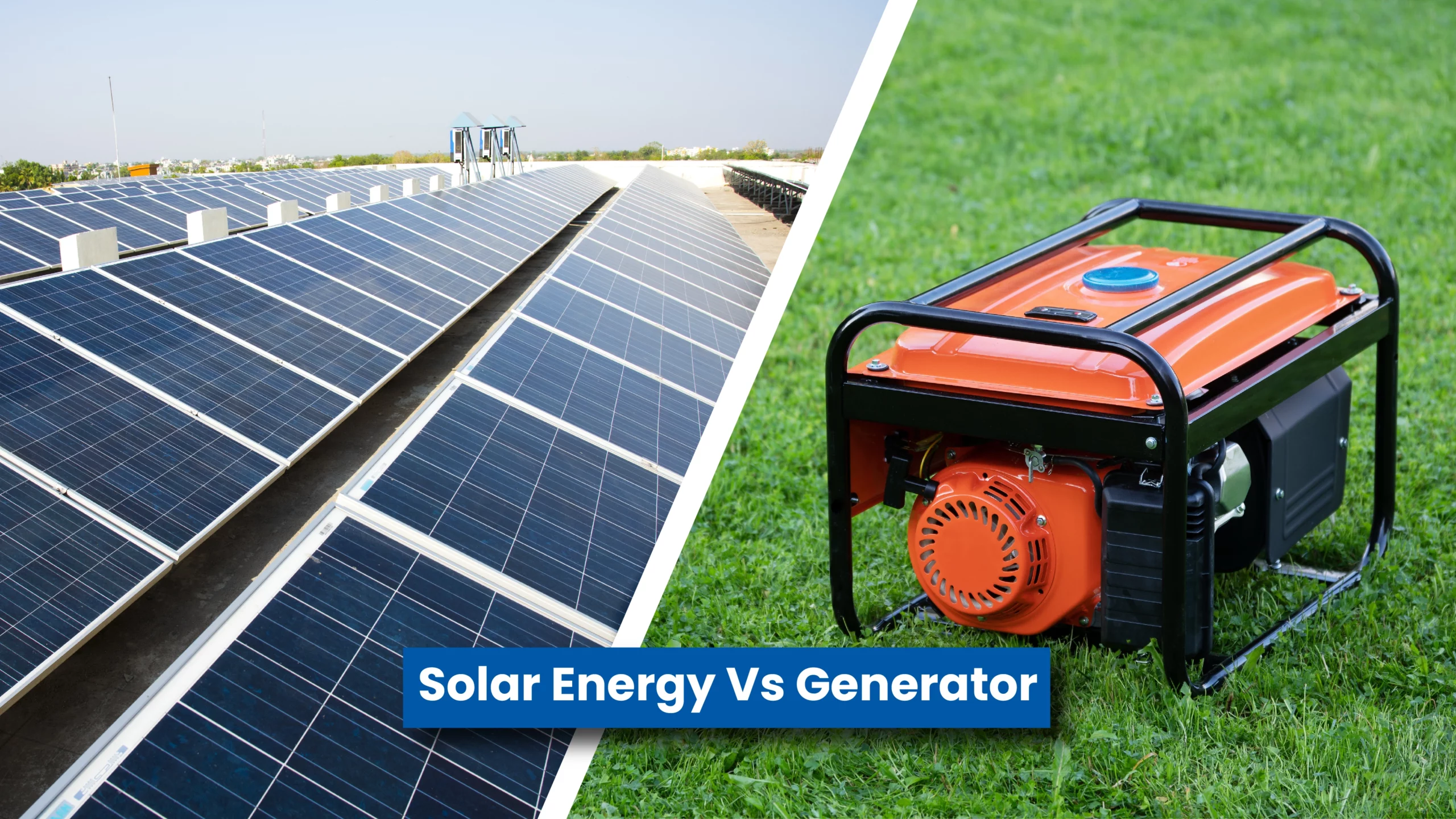
Credit: www.electronicafinance.com
Frequently Asked Questions
Which Is More Cost-effective: Generator Or Solar Panel?
Generators typically have lower initial costs. However, solar panels offer long-term savings on electricity bills. Over time, solar can reduce expenses significantly. Consider installation costs and maintenance when evaluating cost-effectiveness. Both options have their benefits, but solar panels often provide better value in the long run.
How Long Do Solar Panels Last Compared To Generators?
Solar panels generally last 25 years or more with minimal maintenance. In contrast, generators may require more frequent repairs and replacements. The lifespan of a generator can vary significantly based on usage. Investing in quality solar panels can yield reliable energy for decades, making them a sustainable choice.
Are Solar Panels More Environmentally Friendly Than Generators?
Yes, solar panels are much more environmentally friendly. They produce clean energy without harmful emissions. Generators, especially fossil fuel-powered ones, contribute to air pollution and greenhouse gas emissions. Choosing solar reduces your carbon footprint and promotes sustainable energy practices, making it a better option for the environment.
Can I Use Both A Generator And Solar Panel?
Absolutely, using both can be beneficial. This hybrid approach allows for energy security. Solar panels can serve as the primary power source, while a generator can provide backup during low sunlight. Combining the two systems ensures that you have reliable energy regardless of weather conditions.
Conclusion
Choosing between a generator and solar panels depends on your needs. Generators offer instant power and are easy to use. Solar panels provide clean energy and save money long-term. Think about your budget and energy requirements. Consider your location and how often you need power.
Each option has its pros and cons. Weigh them carefully. Make a choice that fits your lifestyle. In the end, both can meet your energy needs effectively. Take your time to decide which is best for you.