
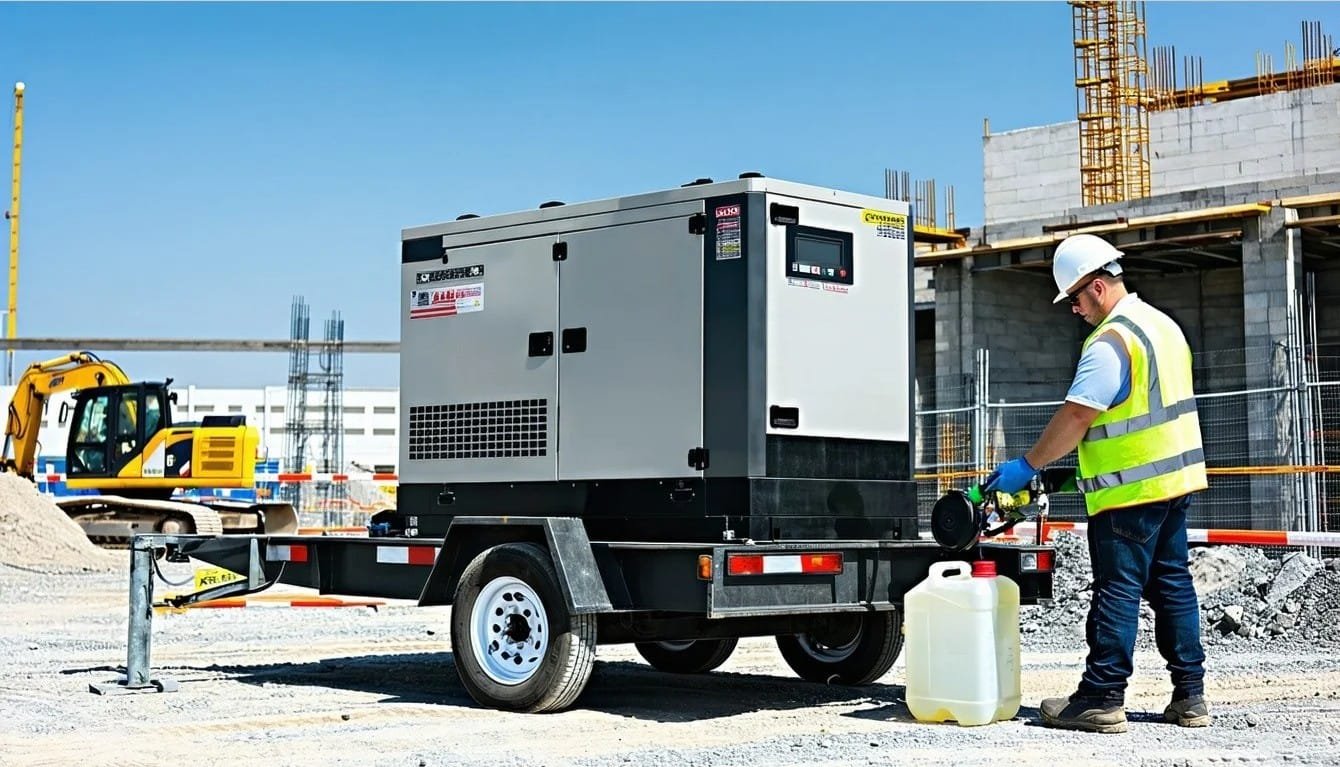
When the power goes out, your generator is a lifeline. But have you ever wondered about the safety of refueling it while it’s still running?
You might think it’s a quick fix, but there are important safety concerns to consider. We’ll explore the risks involved and provide you with essential tips to keep yourself and your equipment safe. By understanding the dos and don’ts of refueling your generator, you can avoid dangerous situations and ensure your generator runs smoothly when you need it most.
Keep reading to find out everything you need to know about safely refueling your generator. Your safety depends on it!
Credit: www.facebook.com
Risks Of Refueling A Running Generator
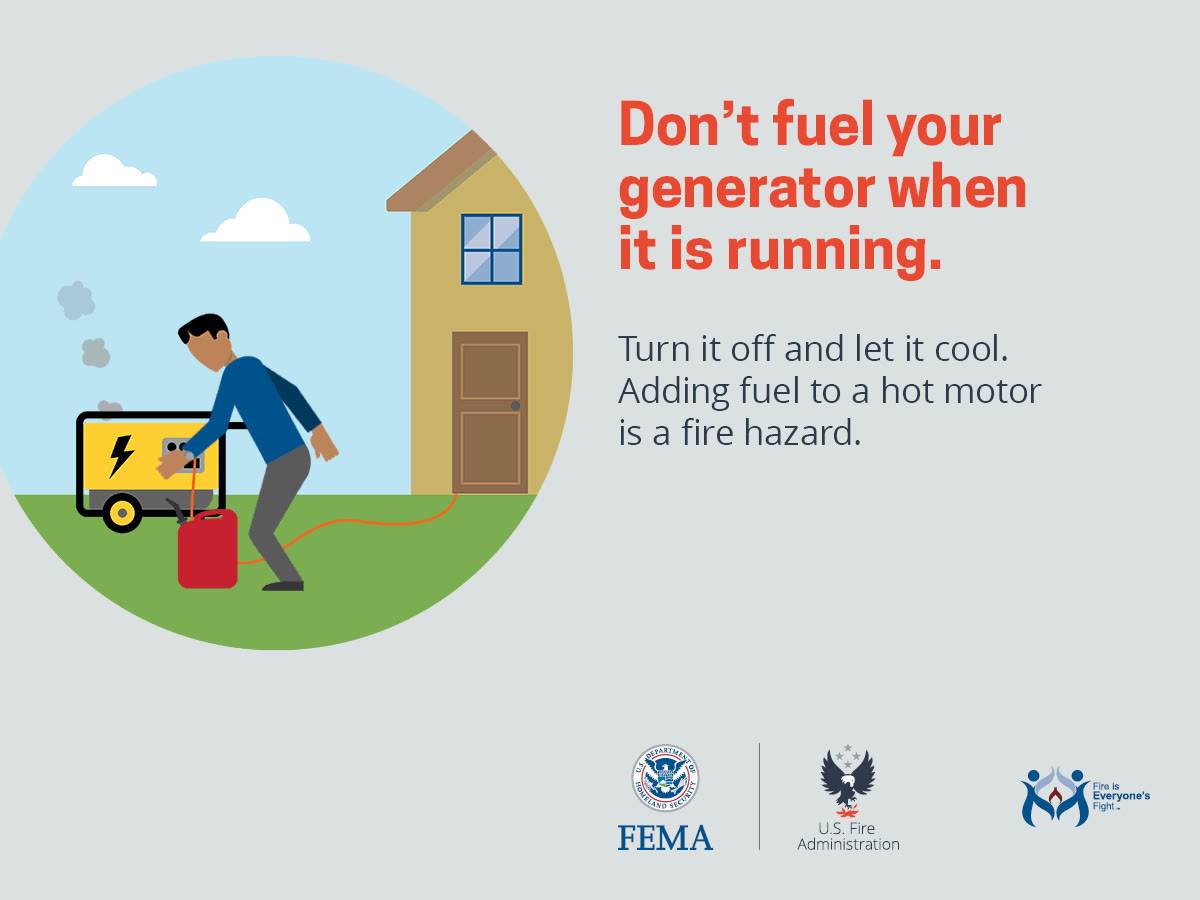
Refueling a running generator poses significant safety risks. Fuel spills can ignite from hot surfaces or sparks, leading to fires. It’s best to turn off the generator before refueling to avoid accidents and ensure safe operation. Prioritizing safety is crucial in these situations.
Refueling a running generator can seem convenient, especially during a power outage. However, this practice carries significant risks that you should be aware of. Understanding these dangers can help you make informed decisions to keep yourself and your surroundings safe.Fire Hazard
Refueling a running generator poses an immediate fire risk. Gasoline is highly flammable, and any spills or drips can ignite. Even a small spark from the generator can set off a fire, leading to serious damage or injury. Always prioritize safety by turning off the generator before refueling.Fuel Spills And Environmental Concerns
Spilling fuel is not just messy; it can harm the environment. Gasoline contains toxic chemicals that can seep into the ground and contaminate soil and water. When you refuel a running generator, the chances of spills increase. A single drop can create a significant environmental impact.Carbon Monoxide Poisoning
Running generators produce carbon monoxide, a colorless and odorless gas. Refueling while it’s operating can increase your exposure to this harmful gas. If you’re in a confined space, the risk of carbon monoxide poisoning escalates. Always ensure proper ventilation and turn off the generator before adding fuel.Equipment Damage
Refueling a generator while it’s running can cause damage to the equipment itself. Gasoline can enter parts of the engine where it shouldn’t be, leading to costly repairs. You might think you’re saving time, but the risk of damage far outweighs the convenience. Proper maintenance starts with safe practices. Consider this: Is the time saved worth the potential dangers? Taking a few extra minutes to turn off the generator can protect you, your equipment, and the environment. Stay informed and make safety your priority.Fire Hazards And Safety Concerns
Refueling a running generator poses serious fire hazards. Fuel spills can ignite from hot engine parts. Always turn off the generator and let it cool before refueling to ensure safety.
When it comes to using a generator, safety should always be your top priority. Refueling a generator while it’s running can lead to serious fire hazards. Understanding these risks is crucial to prevent accidents and protect yourself and your property.Common Fire Hazards
Generators produce heat. This heat can ignite flammable materials nearby. If you spill fuel while refueling, even a small spark can lead to a fire. Make sure your generator is in a well-ventilated area away from flammable items. Keep combustible materials like gasoline, oil, and cleaning products at a safe distance. Consider this: how often do you check the area around your generator? Regular checks can help you spot potential fire hazards before they become dangerous.Fuel Spills And Their Risks
Spilling fuel is a common occurrence when refueling. It can happen quickly, especially if you’re in a hurry. Just one drop of fuel can be enough to create a risk. Always use a funnel to minimize spills. If you do spill fuel, clean it up immediately. Allow the area to air out before restarting your generator. Have you ever cleaned up a fuel spill? It’s not just a hassle; it can be a serious safety issue if you don’t address it promptly.Generator Placement Matters
Where you place your generator impacts safety. Generators should be outside and far from windows and doors. This helps prevent carbon monoxide buildup and reduces fire risk. If your generator is too close to your home or flammable structures, you increase the chances of a fire. Use a minimum distance of at least 20 feet from your house. Have you checked the placement of your generator lately? It’s worth reassessing to ensure your safety.Safety Equipment Is Essential
Having the right safety gear can make a big difference. Fire extinguishers should be easily accessible near your generator. Make sure they are rated for flammable liquids. Also, wearing protective gear, like gloves and goggles, can protect you from fuel splashes. It’s better to be safe than sorry. Have you reviewed your safety equipment lately? Regular checks can ensure you’re prepared for any emergencies. By understanding fire hazards and taking proactive measures, you can safely use your generator without putting yourself at risk. Your safety is paramount, so always prioritize it when operating your generator.Impact On Generator Performance
Refueling a generator while it runs can affect its performance. It may lead to issues that can harm the machine. Understanding these impacts is important for safe operation.
Fuel Flow Disruption
While refueling, fuel flow may become unstable. This can cause the generator to sputter or stall. A sudden change in fuel supply can disrupt the engine’s operation.
Risk Of Contamination
Open fuel tanks can allow dirt and debris to enter. Contaminated fuel can damage the engine components. Even small particles can lead to big problems.
Increased Engine Stress
Refueling while running puts extra stress on the engine. This stress can lead to overheating. An overheated engine can suffer serious damage over time.
Safety Hazards
Spills during refueling can create safety risks. Fuel is flammable. A spark can ignite spilled fuel, leading to fires or explosions.
Long-term Performance Issues
Frequent refueling while running can shorten the generator’s lifespan. This practice may lead to costly repairs. Regular maintenance becomes more important as wear increases.
Credit: csdieselgenerators.com
Steps For Safe Refueling
Refueling a generator can be risky. Follow these steps to ensure safety. Always prioritize caution. Proper steps help prevent accidents.
1. Turn Off The Generator
Before refueling, turn off the generator. This reduces fire risks. Wait for the engine to cool. Hot surfaces can ignite fuel.
2. Use The Right Fuel
Ensure you use the correct fuel type. Check the generator’s manual for specifications. Using the wrong fuel can damage the engine.
3. Prepare The Area
Clear the area around the generator. Remove any flammable materials. Ensure good ventilation to avoid fumes build-up.
4. Use A Funnel
A funnel helps prevent spills. It directs fuel into the tank. Spills can cause fire hazards. Clean any spills immediately.
5. Check For Leaks
After refueling, inspect for leaks. Look around the fuel lines and connections. Leaks can lead to dangerous situations.
6. Store Fuel Safely
Store fuel in proper containers. Use approved containers only. Keep them away from heat and direct sunlight. This helps prevent accidents.
Alternative Safety Measures
Refueling a running generator can be dangerous. Gasoline is highly flammable and can ignite easily. Safe practices include turning off the generator and waiting for it to cool down before refueling. Always prioritize safety to prevent accidents and injuries.
Alternative safety measures are essential when considering whether to refuel a generator while it is running. Understanding the risks involved can help you make informed decisions. Here are some practical steps to ensure safety when handling fuel around your generator.Maintain A Safe Distance
Always keep a safe distance between your generator and flammable materials. – Store fuel containers at least 10 feet away. – Avoid refueling in enclosed spaces to prevent dangerous vapors from accumulating. Taking these precautions can significantly reduce the risk of fire.Turn Off The Generator
It’s best to turn off the generator before refueling. This simple act can prevent spills that may ignite. If you’ve ever accidentally spilled fuel while refueling, you know how quickly things can go wrong. Turning off the generator gives you peace of mind and enhances safety.Use Appropriate Containers
Utilize proper fuel containers designed for safety. – Choose containers with a flame arrestor. – Ensure they are clearly marked as fuel containers. Using the right equipment minimizes the risk of spillage and accidents.Monitor For Leaks
Regularly check your generator for fuel leaks. – Inspect hoses and connections. – Look for signs of wear or damage. Addressing leaks immediately can prevent dangerous situations and prolong your generator’s life.Stay Attentive
While refueling, maintain focus. Distractions can lead to mistakes that compromise safety. Have your phone on silent and avoid multitasking. You wouldn’t want to miss a spill or an unexpected flare-up, would you?Wear Protective Gear
Don’t skip on protective gear while handling fuel. – Wear gloves to protect your skin. – Use safety goggles to shield your eyes from splashes. These small steps can make a big difference in ensuring your safety. Implement these alternative safety measures to create a secure environment while managing your generator. Your safety is worth the extra precautions.
Credit: teagueelectric.com
Importance Of Regular Maintenance
Regular maintenance keeps your generator running well. A well-maintained generator is safer and more efficient. Neglect can lead to serious issues, especially during an emergency.
Without care, small problems can grow. A dirty air filter can cause engine trouble. Low oil levels can harm your generator. Regular checks can prevent these issues.
Cleaning and inspecting your generator can extend its life. This means you can rely on it when needed most. Regular maintenance saves money on repairs later.
Check Fuel Levels Regularly
Always check fuel levels before use. Running low can cause the generator to stall. This can happen at the worst time.
Keep extra fuel on hand. Ensure it meets the generator’s requirements. Storing fuel safely is important for safety.
Inspect And Change Oil
Oil keeps the engine running smoothly. Check oil levels often. Change the oil as recommended in the manual.
Dirty oil can cause damage. Regular oil changes help keep your generator healthy. Clean oil means better performance.
Examine Air Filters
Air filters prevent dirt from entering the engine. A clogged filter can reduce power. Inspect and clean or replace filters regularly.
Good airflow is vital for performance. This simple task can improve efficiency. It helps the generator run cooler and longer.
Test The Battery
The battery powers the generator’s start. Check its condition regularly. Replace old batteries before they fail.
A weak battery can leave you in the dark. Ensure connections are clean and tight. This helps avoid starting issues.
Run The Generator Periodically
Running the generator keeps it in good shape. It helps lubricate the engine parts. Regular running prevents fuel from going stale.
Test all functions during these runs. Make sure everything works properly. This practice can save you from surprises later.
Choosing The Right Fuel Type
Choosing the right fuel type for your generator is crucial for its performance and longevity. Using the wrong fuel can lead to operational issues, increased wear, and even safety hazards. Let’s break down the key fuel options and what you should consider when selecting fuel for your generator.
Understanding Fuel Types
Generators typically run on three main fuel types: gasoline, propane, and diesel. Each type has its pros and cons that can affect your decision.
- Gasoline:Common and easily accessible, gasoline-powered generators are often the most affordable. However, gasoline can degrade over time and may lead to starting issues.
- Propane:Cleaner-burning and more stable than gasoline, propane is great for long-term storage. It also produces fewer emissions, making it environmentally friendly.
- Diesel:Known for efficiency and durability, diesel generators can run longer on less fuel. However, they tend to be heavier and may require more maintenance.
Fuel Compatibility
Not all generators are compatible with every fuel type. Check your generator’s manual to find the recommended fuel. Using the wrong fuel can damage your generator and void any warranties.
Have you ever used a different fuel type and faced issues? It’s a common mistake that can lead to costly repairs.
Consider Your Needs
Your specific needs will guide your fuel choice. If you need a generator for occasional use, gasoline might suffice. For emergency preparedness or frequent use, propane or diesel could be more reliable.
Think about your storage options too. Gasoline requires careful handling, while propane tanks are easier to store safely.
Safety First
Safety should always be a priority when refueling. Avoid fueling while the generator is running, as it increases the risk of fire or explosion. Always allow your generator to cool down before refueling.
Have you ever witnessed an accident caused by improper refueling? It’s a stark reminder of why following safety protocols is essential.
Final Thoughts
Choosing the right fuel type can enhance your generator’s performance and safety. Understanding the pros and cons of each fuel can help you make an informed decision. Remember, your safety and the efficiency of your generator depend on it.
Common Mistakes To Avoid
Refueling a generator while it’s running can seem convenient, but it often leads to dangerous situations. Avoiding common mistakes is crucial for ensuring safety and efficiency. Below are key mistakes you should steer clear of when handling this task.
Not Turning Off The Generator
One of the biggest mistakes people make is not turning off the generator before refueling. This can lead to fuel spills and fire hazards. Always shut down the generator and allow it to cool for a few minutes before adding fuel.
Ignoring Manufacturer’s Guidelines
Every generator comes with specific instructions from the manufacturer regarding refueling. Ignoring these guidelines can void your warranty or cause damage to the unit. Take a moment to read the manual and follow the recommendations closely.
Using The Wrong Type Of Fuel
Using an incorrect fuel type can significantly affect your generator’s performance. For instance, using gasoline instead of diesel can lead to severe engine issues. Always check the fuel requirements and use the right type for your generator.
Refueling In A Confined Space
Refueling in a confined space can increase the risk of fire and toxic fumes. Make sure you’re in an open area with good ventilation. Your safety is paramount, so don’t take any unnecessary risks.
Overfilling The Fuel Tank
Overfilling the tank can cause fuel to spill, leading to fire hazards. Stick to the recommended fill line and avoid going above it. A little caution here can save you from a potential disaster.
Neglecting Safety Gear
Many people forget to wear safety gear while refueling. Gloves and goggles are essential to protect yourself from splashes and fumes. Prioritizing safety can prevent injuries and health issues.
Not Cleaning Up Spills Immediately
Fuel spills should never be left unattended. They can ignite from even the smallest spark. Keep absorbent materials handy and clean up any spills promptly to maintain a safe environment.
Have you ever faced a close call while refueling your generator? Share your experiences and tips in the comments below! Your insights could help others stay safe.
Frequently Asked Questions
Is It Safe To Refuel A Generator While Running?
Refueling a generator while it’s running is highly unsafe. Doing so can lead to fuel spills, which may ignite and cause fires. Always turn off the generator, allow it to cool, and then refuel. This practice minimizes risks and ensures safer operation.
What Are The Dangers Of Refueling A Running Generator?
Refueling a running generator poses several dangers, including fire hazards and fuel spills. Hot engine parts can ignite fuel, leading to explosions. Additionally, inhaling fumes can cause health issues. Always prioritize safety by turning off the generator before refueling.
Can I Refuel My Generator In An Enclosed Space?
No, refueling a generator in an enclosed space is dangerous. Lack of ventilation can cause harmful fumes to accumulate, increasing the risk of fire and health hazards. Always refuel in an open, well-ventilated area to ensure safety.
How Long Should I Wait Before Refueling?
It’s best to wait at least 15-30 minutes after shutting down the generator before refueling. This allows the engine to cool down, reducing the risk of ignition. Always prioritize safety and ensure the area is clear of flammable materials.
Conclusion
Refueling a generator while it runs can be dangerous. It poses risks of fire and explosion. Always turn off the generator before refueling. Wait for it to cool down. This simple step ensures your safety. Keeping a safe distance from the fuel can prevent accidents.
Always follow the manufacturer’s guidelines. Safety should be your top priority. Protect yourself and your property. Make smart choices when handling fuel. Stay safe and enjoy your generator’s benefits.