
Are you considering a backup generator for your home? If so, you’ve probably heard about generator transfer switches.
But what exactly are they, and how do they work? Understanding this essential component can make all the difference in keeping your home powered during an outage. You’ll discover how transfer switches ensure a seamless transition between your utility power and generator power.
You’ll learn about their safety features, installation tips, and why they are crucial for protecting your home and appliances. Dive in to empower yourself with knowledge that could save you time, money, and stress during a power failure.
Purpose Of Transfer Switches
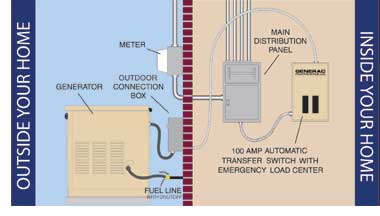
Generator transfer switches serve a vital role in power systems. They ensure safety and efficiency during power outages. These switches allow you to connect a generator to your home’s electrical system. This connection is crucial for reliable power during emergencies.
Transfer switches help prevent backfeeding. Backfeeding occurs when power flows back into the grid. This can harm utility workers and damage equipment. A transfer switch keeps the power flow safe and controlled.
They also simplify the process of switching power sources. Instead of manually connecting wires, a transfer switch does it automatically. This feature saves time and reduces the risk of mistakes.
Transfer switches come in different types. Some are manual, while others are automatic. Manual switches require you to flip a switch. Automatic ones detect outages and switch power without help.
Choosing the right transfer switch is important. It must match your generator’s capacity. This ensures your home gets enough power during an outage.
In summary, transfer switches are essential for safe generator use. They provide peace of mind during unexpected power outages.
Credit: www.generatorjoe.net
Types Of Transfer Switches
Transfer switches are vital for safe power management. They ensure your generator connects properly to your home. There are two main types: manual and automatic. Each type serves different needs and situations.
Manual Transfer Switches
Manual transfer switches require you to operate them. You must switch the power source yourself. This type is often more affordable and simpler to install. It gives you control over when to use the generator.
To use a manual switch, first, turn off the main power. Then, connect the generator to the switch. Finally, turn on the generator and switch to the generator power. This process ensures safety and prevents back-feeding into the grid.
Automatic Transfer Switches
Automatic transfer switches work without your direct input. They detect power loss and switch to the generator automatically. This type is more convenient, especially during emergencies.
Automatic switches monitor your main power supply constantly. When a power outage occurs, they quickly activate the generator. Once the main power returns, the switch will revert to the utility supply. This seamless transition keeps your home powered with minimal disruption.
Key Components
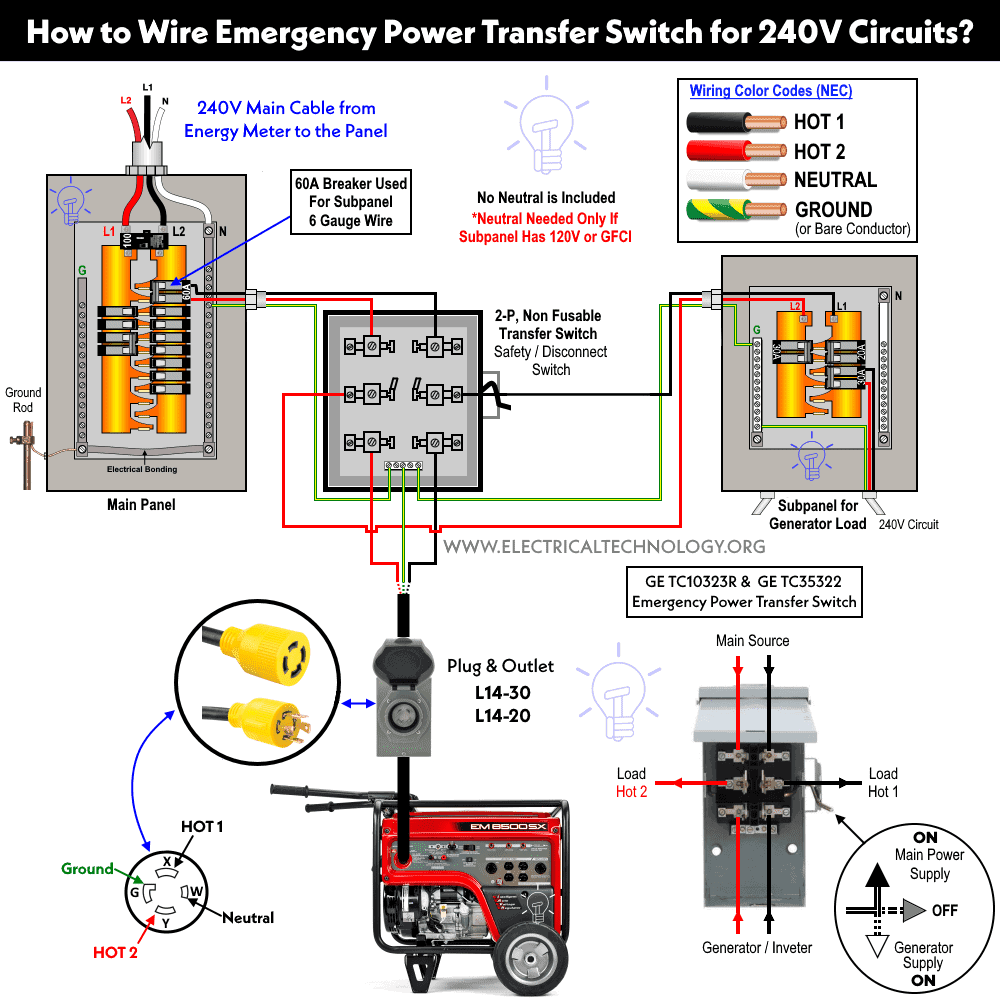
Generator transfer switches have essential parts. Each part plays a crucial role. Understanding these components helps you see how the system works. Let’s explore the key components in detail.
Switch Mechanism
The switch mechanism is the heart of the transfer switch. It connects and disconnects power sources. This part ensures your home gets power from the right source. A reliable mechanism protects your home from backfeeding. Backfeeding can harm utility workers and your equipment.
Power Source Connections
Power source connections link the generator and the utility grid. These connections are vital for smooth operation. They allow the transfer switch to select the source of power. Proper wiring ensures safety and efficiency. Each connection needs to be secure and well-maintained.
Control Panel
The control panel is where you manage your system. It displays important information about power sources. Users can monitor power levels and switch between sources easily. Clear labels and indicators make operation simple. This part enhances user experience and safety.
Credit: hartlandelectric.com
Installation Process
Installing a generator transfer switch is essential for safety and efficiency. This process ensures a smooth transition between the utility power and your generator. Follow these steps for a successful installation.
Pre-installation Checks
Before starting, make sure you have all necessary tools. Check local codes and regulations regarding installations. Identify the location for the transfer switch. Choose a spot close to your main electrical panel. Ensure it is easily accessible and away from moisture.
Inspect the generator. Confirm it is in good working condition. Verify that the generator’s power output matches your needs. Make sure the fuel supply is sufficient.
Wiring Connections
Begin by turning off the main power supply. This step ensures safety during installation. Remove the cover from the electrical panel. Connect the transfer switch to the panel using appropriate wiring. Follow the manufacturer’s instructions for specific wiring details.
Use a qualified electrician if you are unsure about wiring. Proper connections are crucial for safety. Secure all wires and ensure they are well-insulated. Replace the panel cover once all connections are complete.
Testing And Configuration
After installation, conduct a thorough test. First, turn on the generator. Then, switch the transfer switch to generator mode. Check if power flows to the essential circuits.
Test all appliances connected to the generator. Ensure they work properly without any issues. If problems arise, recheck your wiring and connections.
Once everything runs smoothly, configure the settings on the transfer switch. Adjust any specific options according to your needs. Regularly test the system to ensure it remains functional.
Working Mechanism
Generator transfer switches connect a generator to a home or building. They automatically switch power sources during an outage. This system ensures a safe and reliable power supply without manual intervention.
Understanding the working mechanism of generator transfer switches can empower you to manage your power needs effectively. These devices seamlessly transition between utility and generator power, ensuring your home stays powered during outages. Let’s break down how they operate in real-world scenarios.Switching Between Power Sources
Generator transfer switches act as a bridge between your home and the power sources. When utility power fails, the switch detects the loss and immediately transfers the load to your backup generator. This automatic switching process usually takes just a few seconds. Imagine cooking dinner when the lights suddenly go out; with a transfer switch, your oven keeps running without interruption. You can also manually switch sources if needed. This flexibility allows you to manage your power supply based on your specific needs.Detection Of Power Failures
The heart of a transfer switch lies in its sensing technology. It continuously monitors the utility power for disruptions. When it detects a power failure, it signals the generator to start. This detection is crucial for timely responses. If you’re away from home, knowing your transfer switch will handle power outages gives you peace of mind. Some advanced models even offer remote monitoring options. You can check the status of your power supply right from your smartphone.Restoration Of Utility Power
Once the utility power is restored, the transfer switch works again. It automatically switches back to the grid, ensuring a seamless transition. You won’t even notice the change unless you’re actively monitoring it. Your appliances will continue to operate without any interruptions, making life easier. After switching back, the generator goes into standby mode, ready for the next outage. This automatic process saves you time and hassle, ensuring you’re never left in the dark. How confident are you in your current power backup solution? Understanding your generator transfer switch can make all the difference.Benefits Of Using Transfer Switches
Generator transfer switches offer many advantages. They ensure safe power transfer. This makes them essential for homes and businesses. Here are some key benefits.
Safe Power Transfer
Transfer switches prevent back-feed. Back-feed occurs when power flows back into the grid. This can cause dangerous situations. A transfer switch keeps everyone safe during outages.
Convenience And Ease Of Use
Using a transfer switch is simple. You can switch from grid power to generator power easily. This saves time during emergencies. No need to plug in multiple cords.
Reliable Power Supply
Transfer switches provide consistent power. They ensure your critical appliances stay on. Refrigerators, medical devices, and lights remain functional. This reliability is crucial during long outages.
Compliance With Electrical Codes
Many areas require transfer switches by law. They help meet local electrical codes. This protects you from fines and ensures safety. Compliance is important for every homeowner.
Increased Property Value
Homes with transfer switches can attract buyers. They show that a home is prepared for outages. This can increase resale value. A safe, reliable system is appealing to many buyers.
Common Challenges
Generator transfer switches can face several challenges. These include improper installation, maintenance issues, and compatibility with different generators. Understanding these common problems can help ensure a smoother operation and reliable power supply during outages.
Common challenges often arise when using generator transfer switches. Understanding these obstacles can help you make better decisions for your home or business. Let’s dive into some key issues that can affect your generator setup.Compatibility Issues
Compatibility is a primary concern with generator transfer switches. Not all switches work seamlessly with every generator. Before purchasing a switch, check the specifications of both the generator and the switch. Ensure they match in voltage and wattage ratings. If they don’t, you risk damaging your equipment or compromising safety. Have you ever faced a situation where you thought you had the right equipment, only to find out later that it wasn’t compatible? It can be frustrating and costly.Maintenance Needs
Generator transfer switches need regular maintenance to function optimally. Dust and debris can accumulate, affecting performance. Inspect the switch periodically to ensure it’s clean and free of obstructions. Also, check the connections for signs of wear or corrosion. Neglecting these tasks can lead to failure when you need your generator the most. Have you ever ignored maintenance, only to regret it later? Regular upkeep can save you from unexpected breakdowns.Installation Errors
Installation errors can lead to significant issues down the line. Many people underestimate the complexity of setting up a transfer switch. Hiring a qualified electrician can help avoid common pitfalls. They know the correct wiring methods and local codes to follow. If you attempt a DIY installation, double-check every connection. Mistakes can lead to power outages or equipment damage. Have you ever made a small error during a project that turned into a big problem? Taking the time to get it right the first time can prevent future headaches. Understanding these common challenges can equip you to make informed choices. Addressing compatibility, maintenance, and installation issues will improve your experience with generator transfer switches.
Credit: wenproducts.com
Safety Considerations
Generator transfer switches play an important role in keeping your home safe during power outages. Understanding their safety features is essential. Proper use of these switches prevents accidents and ensures smooth operation.
Preventing Backfeed
Backfeed occurs when power flows back into the grid. This can happen if a generator connects directly to your home’s electrical system. It poses serious risks to utility workers and equipment. Transfer switches prevent backfeed by isolating your home’s power from the grid.
Ensuring Proper Installation
Always hire a qualified electrician for installation. A professional ensures the switch meets local codes. Proper installation reduces the risk of electrical fires and other hazards. It also ensures the generator works safely and efficiently.
Regular Maintenance Checks
Routine maintenance is key to safety. Check your transfer switch regularly for signs of wear. Ensure all connections are secure. Clean the switch to prevent dust buildup. Regular checks help identify issues before they become serious problems.
Understanding Load Management
Load management is crucial for safety. Know your generator’s capacity. Do not overload the switch with too many appliances. Overloading can lead to overheating and equipment failure. Be mindful of your power needs during outages.
Using The Right Equipment
Always use equipment rated for your generator. Using mismatched devices can cause failures. Choose appliances that match your generator’s output. This ensures safe operation and prevents damage to your devices.
Frequently Asked Questions
What Is A Generator Transfer Switch?
A generator transfer switch is a device that safely connects a backup generator to a home’s electrical system. It prevents backfeeding electricity into the grid, which can be dangerous for utility workers. This switch ensures a smooth transition between utility and generator power during outages.
How Does A Transfer Switch Function?
A transfer switch functions by disconnecting the utility power when a generator is activated. It routes power from the generator to specific circuits in your home. This process ensures that essential appliances can operate safely without risking electrocution or equipment damage.
Why Use A Transfer Switch With A Generator?
Using a transfer switch with a generator enhances safety and efficiency. It prevents backfeeding, which can harm utility workers and damage equipment. Additionally, it simplifies the process of switching to generator power during an outage, making it more convenient for homeowners.
Can I Install A Transfer Switch Myself?
While some homeowners may attempt DIY installation, it is not recommended. Professional installation ensures compliance with local electrical codes and safety standards. An electrician will correctly size and install the transfer switch for optimal performance and safety.
Conclusion
Generator transfer switches are essential for safe power use. They connect your generator to your home’s electrical system. This prevents backflow of electricity, keeping both you and utility workers safe. Understanding how they work helps you make better choices. You can ensure your home stays powered during outages.
Invest in a quality transfer switch for peace of mind. With the right setup, you can enjoy reliable backup power. Stay informed and prepared for any situation. Your safety and comfort depend on it.