
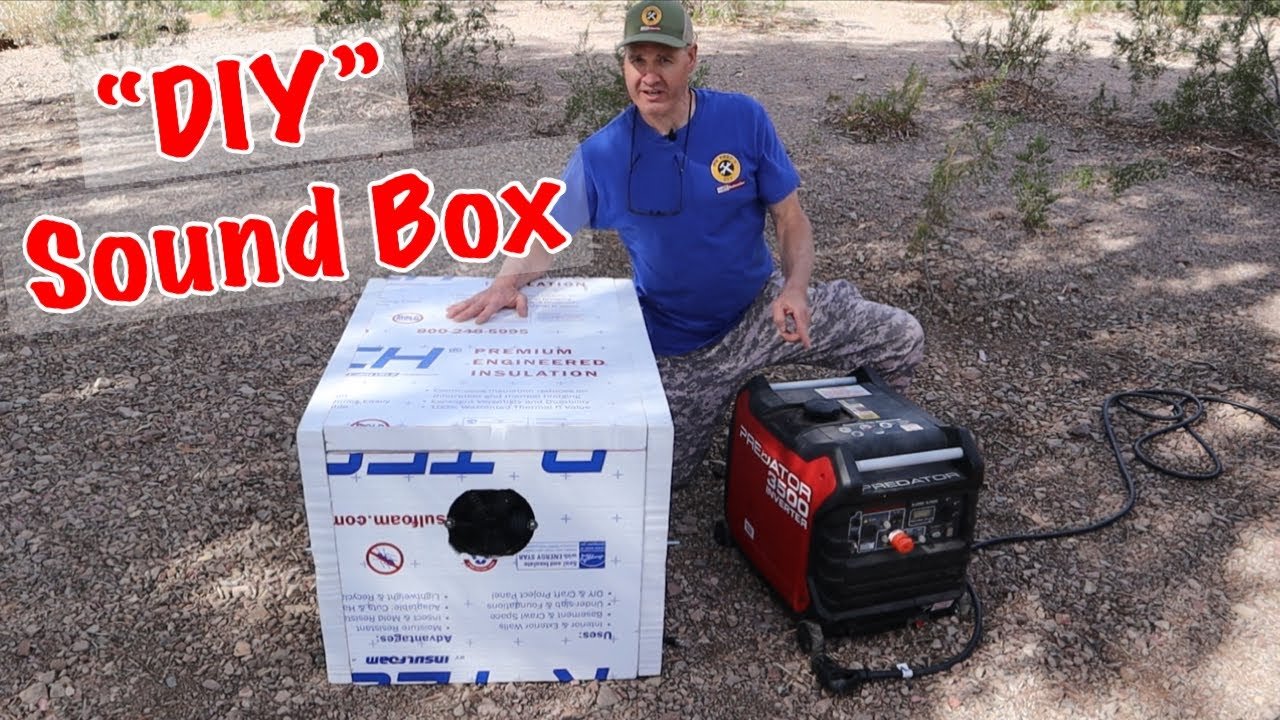
Are you tired of the constant noise from your generator disrupting your peace? You’re not alone.
Many people struggle with the loud hum of generators, especially during power outages or outdoor events. Luckily, there are effective ways to soundproof your generator and bring back your tranquility. You’ll discover practical tips and tricks to minimize the noise your generator makes.
From simple DIY solutions to more advanced techniques, we’ll cover everything you need to know to create a quieter environment. Say goodbye to the disruptive sounds and hello to a more peaceful space. Keep reading to find the best methods to soundproof your generator and reclaim your serenity!
Why Generators Need Soundproofing
Generators are helpful but loud machines. They provide power during outages or in remote areas. However, their noise can be a big problem. It can disturb your peace. It can also annoy your neighbors. This is why soundproofing is important.
Soundproofing helps reduce the noise from generators. It makes the environment more comfortable. People can enjoy their activities without distractions. Families can relax without the constant hum of a generator.
Noise Pollution Concerns
Generators create noise pollution. This can harm your health. Long exposure to loud sounds can lead to stress. It can also affect sleep quality. Soundproofing helps minimize these effects.
Local Noise Regulations
Many areas have noise regulations. These rules limit how loud generators can be. Failing to comply can lead to fines. Soundproofing keeps you within the law. It helps maintain a good relationship with neighbors.
Improved Comfort And Enjoyment
A quieter generator improves comfort. You can focus on tasks without interruptions. Enjoy time with family and friends without loud noises. Soundproofing enhances your outdoor experience.
Increased Generator Longevity
Noise reduction materials can also protect your generator. They can prevent wear and tear. Keeping the noise down may help in maintenance. A well-maintained generator lasts longer.
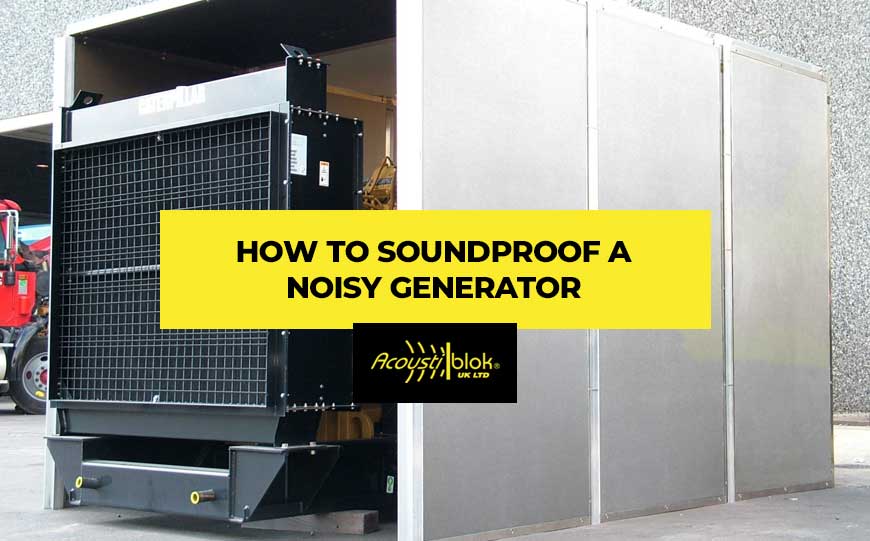
Credit: www.acoustiblok.co.uk
Factors Affecting Generator Noise
Generator noise can be a nuisance. Understanding its causes helps in soundproofing effectively. Many factors contribute to how loud a generator can be. Each factor plays a role in the overall noise level.
Generator Size And Type
The size of the generator affects noise. Larger generators often produce more sound. Different types of generators also vary in noise levels. For instance, diesel generators tend to be louder than gasoline ones.
Location Of The Generator
Where you place the generator matters. Open areas allow noise to spread. Placing it close to walls or barriers can trap sound. Surrounding structures may reflect noise, making it worse.
Engine Design And Technology
Engine design impacts sound output. Modern engines often use quieter technology. Features like mufflers help reduce noise levels. Some generators have soundproof enclosures for added protection.
Load On The Generator
The load affects how loud a generator runs. A heavily loaded generator tends to make more noise. Light loads produce less sound. Balancing the load can help manage noise levels.
Maintenance And Condition
Well-maintained generators run quieter. Dirty air filters or worn parts can increase noise. Regular maintenance helps keep the generator in good shape. This can lead to less sound production.
Effective Materials For Soundproofing
Soundproofing a generator can significantly improve your outdoor experience, especially if you’re using it for long hours. Choosing effective materials is crucial to reducing noise levels. Let’s dive into some of the best options available.
Acoustic Foam Panels
Acoustic foam panels are a popular choice for soundproofing. These panels absorb sound waves, helping to reduce echo and noise. You can easily mount them around your generator to create a quieter environment.
Consider using thicker panels for better sound absorption. Look for options with a high Noise Reduction Coefficient (NRC) rating. This ensures maximum effectiveness in dampening sound.
Installing these panels is straightforward. Simply use adhesive or mounting brackets to secure them in place. You’ll notice a significant difference in noise levels almost immediately.
Mass Loaded Vinyl
Mass loaded vinyl (MLV) is another excellent material for soundproofing. It’s dense and flexible, which makes it effective at blocking sound transmission. You can wrap it around your generator or use it as a barrier in your setup.
MLV is easy to work with and can fit into tight spaces. It’s also durable, so you won’t have to worry about wear and tear. Just make sure to seal the edges properly to prevent sound leakage.
Pairing MLV with other materials can enhance its effectiveness. Consider combining it with acoustic foam for a comprehensive soundproofing solution. This combination can drastically lower the noise output from your generator.
Insulation Blankets
Insulation blankets are a fantastic option for soundproofing your generator. They are designed to reduce noise and can also provide some weather protection. Look for blankets specifically designed for sound absorption to get the best results.
These blankets are often made from fiberglass or mineral wool. They are lightweight and easy to handle, making installation a breeze. You can drape them over the generator or use them to create a sound barrier around it.
Make sure to secure the blankets tightly to avoid any movement. You want to ensure they stay in place during operation. This method not only quiets the noise but also extends the life of your generator.
How effective do you think these materials will be for your specific needs? Choose the right combination to create a quieter environment and enjoy your outdoor activities without the annoying hum of a generator.
Building A Soundproof Enclosure
Building a soundproof enclosure for your generator can greatly reduce noise. This setup protects your ears and your neighbors’ peace. It also keeps the generator safe from the elements. A well-designed enclosure can make a big difference.
Choosing The Right Design
Start by measuring your generator. This helps you choose the right size. The enclosure should fit snugly without being too tight. Use thick materials like plywood or MDF. These absorb sound better than thin materials.
Consider adding soundproofing panels inside. They reduce noise even more. Ensure the enclosure has a solid roof and floor. This keeps noise from escaping in all directions. Keep aesthetics in mind too. A good-looking enclosure can blend with your yard.
Ventilation Considerations
Generators need airflow to work properly. Proper ventilation prevents overheating. Design your enclosure with vents. Place them at the top and bottom. This allows hot air to escape and fresh air to enter.
Use soundproof vents to minimize noise. These vents let air in while keeping sound out. Ensure airflow is unobstructed. Blocked vents can lead to engine damage.
Diy Vs Pre-made Options
Decide whether to build your own enclosure or buy one. DIY options can be cheaper. They let you customize the design. You can use materials you already have. Follow simple plans available online for guidance.
Pre-made enclosures save time. They often come with soundproofing features. Check reviews to find the best options. Weigh the cost against your needs. Choose what works best for your situation.
Reducing Noise Through Placement
Placing a generator in the right spot can greatly reduce noise. Try to position it away from living areas and close to sound-absorbing materials. This simple step helps create a quieter environment while using the generator.
Reducing noise from a generator can be a challenge, especially if you rely on it for power in your home or during outdoor activities. One effective way to tackle this issue is through strategic placement. The right positioning can significantly lower the noise level and improve your comfort. Let’s dive into some practical strategies that focus on distance, natural barriers, and elevated platforms.Distance From Living Spaces
The first step in minimizing generator noise is to consider how far away you can place it from your living areas. Aim for a distance of at least 20 to 30 feet. This distance can make a noticeable difference in sound levels. Think about your layout. If you have a backyard or side yard, that’s often the best spot. You’ll enjoy the benefits of power without the constant drone interrupting your peace.Using Natural Barriers
Natural barriers can serve as effective sound buffers. Trees, shrubs, and fences can absorb and deflect noise. Planting tall shrubs or installing a wooden fence can create a barrier that helps muffle the sound. I once placed my generator behind a row of evergreens, and the noise level dropped significantly. In addition to aesthetics, this method adds privacy while reducing noise. Consider how you can use existing landscaping to your advantage.Elevated Platforms
Another practical solution is to elevate your generator. Placing it on a platform can help project sound away from your living spaces. This setup can reduce the noise that travels directly towards your home. A simple wooden deck or concrete slab can do the trick. When I raised my generator by just a few feet, I noticed a marked decrease in noise levels. Think about your yard. What elevation options do you have? Being mindful of placement, combined with these strategies, can lead to a quieter environment, allowing you to enjoy your space without the constant hum of a generator.
Credit: m.youtube.com
Additional Noise Reduction Tips
Soundproofing a generator involves more than just one method. Several effective tips can help reduce noise. These tips make your generator quieter, improving your outdoor experience.
Regular Maintenance
Keep your generator in top shape. Regular maintenance helps reduce noise levels. Check for loose parts. Tighten any screws or bolts. Clean the air filter often. A clean filter allows better airflow, reducing engine strain.
Oil changes are crucial. Old oil can make the engine noisy. Change the oil as needed. Inspect the spark plug regularly. A worn spark plug can cause rough running and extra noise.
Anti-vibration Mounts
Vibration contributes to noise. Anti-vibration mounts can help. These mounts absorb vibrations from the engine. Install them between the generator and its base.
Look for rubber or foam mounts. They are effective at damping sound. Ensure the mounts fit properly. A secure fit enhances noise reduction.
Exhaust Mufflers
Exhaust noise is a major concern. Upgrading to a high-quality exhaust muffler helps. A good muffler reduces engine noise significantly. Choose a muffler designed for your generator model.
Proper installation is key. Follow the manufacturer’s instructions. Regularly check the exhaust system for leaks. Fixing leaks will lower noise levels and improve performance.
Cost Vs Effectiveness
Finding the right balance between cost and effectiveness is key for soundproofing a generator. Affordable methods, like soundproofing blankets, can significantly reduce noise. Investing in quality materials will enhance results and ensure a quieter environment.
Understanding the balance between cost and effectiveness is crucial when soundproofing your generator. You want a solution that doesn’t break the bank but still delivers noticeable results. Let’s dive into budget-friendly options and premium choices to help you make an informed decision.Budget-friendly Solutions
There are several cost-effective ways to reduce generator noise. – Acoustic Panels: These can absorb sound effectively. You can find DIY kits that allow you to create your own panels, saving you money. – Soundproofing Blankets: Thick, heavy blankets can be draped over your generator. They’re inexpensive and can significantly cut down noise levels. – Enclosures: Building a simple wooden enclosure can help. Use materials like plywood to create a box around your generator, ensuring it has enough ventilation. Consider your environment. If you live in a quiet neighborhood, even small changes can make a big difference.Premium Soundproofing Options
If you’re willing to invest more, premium options can provide superior sound reduction. – Professional Soundproofing Materials: These include specialized soundproofing foam or mass-loaded vinyl, which are designed for maximum noise cancellation. – Custom Generator Enclosures: Investing in a professionally made enclosure can be worthwhile. These are engineered to minimize noise while ensuring proper airflow. – Acoustic Barriers: Installing barriers around your generator can block noise from traveling. These can be more expensive but offer long-term benefits. Think about how much noise affects your daily life. Is it worth spending more for a quieter environment? Choosing the right soundproofing method involves weighing your budget against the effectiveness of the solution. Whether you opt for budget-friendly solutions or premium options, the goal is to find what works best for you.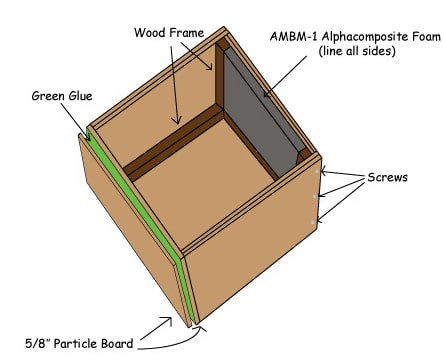
Credit: acousticalsolutions.com
Frequently Asked Questions
How Can I Soundproof My Generator Effectively?
To soundproof your generator, use soundproofing materials like acoustic panels or foam. Enclose the generator in a soundproof box or shed, ensuring proper ventilation. Additionally, place it on a vibration-absorbing mat to reduce noise transmission. Regular maintenance can also help minimize operational noise.
What Materials Are Best For Soundproofing A Generator?
The best materials for soundproofing include mass-loaded vinyl, acoustic foam, and soundproof blankets. These materials can effectively absorb sound and reduce vibrations. Soundproof enclosures made of plywood or metal can also enhance noise reduction. Ensure that these materials are durable and weather-resistant for outdoor use.
Can I Build A Soundproof Enclosure For My Generator?
Yes, you can build a soundproof enclosure for your generator. Start with sturdy materials like plywood or metal sheets. Ensure the enclosure is well-ventilated to prevent overheating. Use soundproofing materials inside the enclosure to absorb noise. This setup can significantly reduce the sound produced by your generator.
Do Soundproofing Blankets Work For Generators?
Yes, soundproofing blankets are effective for generators. They are designed to absorb sound and minimize noise transmission. Hanging or draping these blankets around the generator can significantly reduce its noise output. Ensure the blankets are thick and made from high-density materials for optimal soundproofing.
Conclusion
Soundproofing your generator is essential for peace and quiet. Simple methods like using sound barriers work well. You can also try placing it on soft materials. Creating a shelter for your generator helps too. Remember, small changes can make a big difference.
Choose the right methods that fit your needs. Enjoy the benefits of a quieter environment. With these tips, you can reduce noise effectively. Your neighbors and family will appreciate it. Start soundproofing today for a better experience.