
When it comes to reliable power sources, understanding the difference between a generator and an inverter is crucial for you. Choosing the right one can make a big difference in your comfort and convenience during power outages or outdoor activities.
You might be wondering which option is best suited for your needs. This article will break down the key differences between generators and inverters, helping you make an informed decision. By the end, you’ll have a clear picture of which device is right for your situation, ensuring that you stay powered up when it matters most.
Let’s dive in and clarify what sets these two power solutions apart!
Credit: www.electricgeneratorsdirect.com
Generator Basics
Generators provide power in places without electricity. They convert fuel into electrical energy. Understanding how they work helps you choose the right one.
What Is A Generator?
A generator is a machine that produces electricity. It runs on different fuels like gasoline, diesel, or propane. Generators are common in homes, construction sites, and events.
How Does A Generator Work?
Generators use an engine to spin a rotor. This motion creates electricity through electromagnetic induction. The electricity produced can power tools, appliances, and more.
Types Of Generators
Several types of generators exist. Portable generators are small and easy to move. Standby generators are larger and connect directly to your home. They start automatically during a power outage.
Generator Output
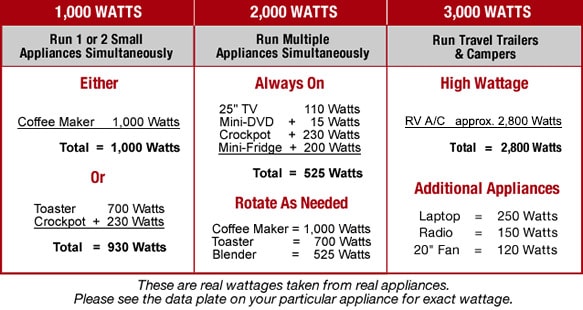
Generators can produce different amounts of power. Measured in watts, this defines what they can run. Small generators can power lights and small devices. Larger ones can run entire homes.
Noise And Maintenance
Generators can be noisy. Some models are quieter than others. Regular maintenance is essential for long life. Change the oil and check the fuel regularly.
Credit: www.differencebetween.net
Inverter Basics
Understanding the basics of inverters can significantly enhance your knowledge of portable power solutions. Unlike traditional generators, inverters serve a unique purpose by converting direct current (DC) into alternating current (AC). This makes them ideal for powering sensitive electronics and appliances.
What Is An Inverter?
An inverter is an electrical device that changes DC power into AC power. This conversion allows you to use various household appliances and electronics that require AC electricity. Whether you’re camping or experiencing a power outage, an inverter can be a reliable power source.
Types Of Inverters
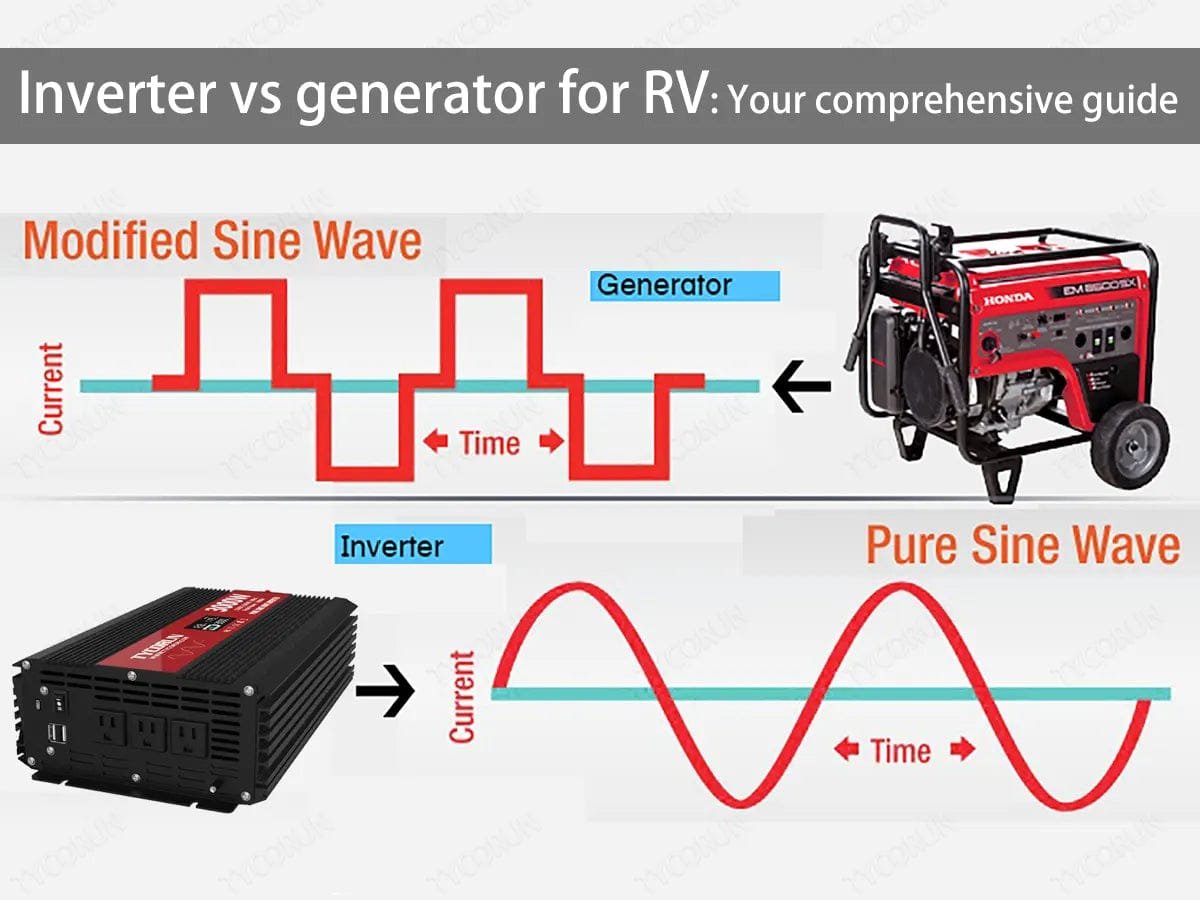
- Pure Sine Wave Inverters:These produce a smooth, wave-like output, making them perfect for sensitive equipment.
- Modified Sine Wave Inverters:These are less expensive but can cause issues with certain devices due to their rough output.
- Grid-Tied Inverters:These connect to the electrical grid and allow for energy to flow both ways, often used in solar power systems.
How Inverters Work
Inverters utilize electronic circuits to convert DC from batteries or solar panels into AC. They use transistors to switch the DC on and off rapidly, creating a waveform that resembles AC. This process is efficient and allows for versatile applications.
Advantages Of Using An Inverter
- Quiet operation compared to generators.
- Lightweight and portable, making them easy to transport.
- Ability to power sensitive electronics without damage.
Common Uses For Inverters
You might be surprised by the versatility of inverters. They are commonly used in RVs, boats, and during outdoor activities. Many people also use them for home backup systems or to power small appliances during outages.
Have you ever experienced a sudden power outage while working on your laptop? An inverter could have saved you from losing important data. Investing in an inverter offers peace of mind and ensures you stay connected, no matter the situation.
Power Source Comparison
Understanding power sources helps in choosing the right equipment. Generators and inverters serve different needs. Let’s break down their power sources.
Generators: Fuel-powered Machines
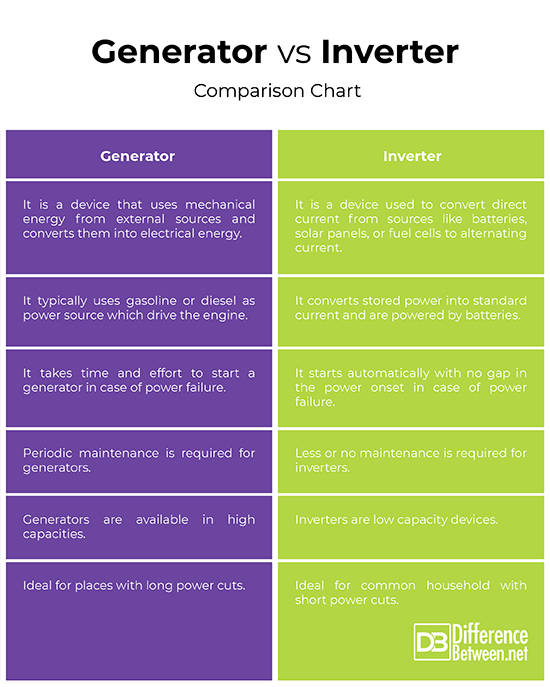
Generators run on fuel like gasoline, diesel, or propane. They convert this fuel into electrical energy. This process produces a steady supply of power. Generators can run for hours, even days. They are great for heavy-duty tasks.
Inverters: Battery-powered Devices
Inverters use batteries as their power source. They convert stored energy into electricity. This makes them ideal for smaller devices. Inverters produce clean energy with less noise. They are perfect for home use during outages.
Power Output Differences
Generators usually provide a higher power output. They can handle large appliances easily. Inverters offer lower power output but are efficient. They work best with small electronics. Choose based on your power needs.
Portability And Convenience
Generators are typically heavier and bulkier. They need more space and setup time. Inverters are lightweight and easy to carry. They can fit in a car or backpack. This makes them more convenient for travel.

Credit: www.youtube.com
Efficiency Factors
Understanding efficiency factors helps in choosing between a generator and an inverter. Each device has its own way of generating power. Their efficiency affects how well they perform and how much fuel they use.
Fuel Consumption
Generators typically consume more fuel than inverters. They run constantly at full power. This leads to higher fuel costs over time. Inverters are more efficient. They adjust their output based on the load. This can save fuel, especially during low usage.
Power Output
Generators provide a steady power output. They are reliable for large appliances. Inverters offer variable power output. They match the energy needs of devices. This flexibility can improve overall efficiency.
Generators can be quite noisy. This can be a problem in quiet areas. Inverters operate much more quietly. Their silent operation makes them suitable for camping or residential areas.
Emissions
Generators often produce higher emissions. This impacts the environment negatively. Inverters have lower emissions, making them cleaner options. Choosing an inverter helps reduce your carbon footprint.
Generators require regular maintenance. This can add to long-term costs. Inverters need less maintenance. Their simpler design makes them easier to care for.
Noise Levels
Noise levels are a key difference between generators and inverters. Understanding these levels helps you choose the right option for your needs. Let’s explore how each works in terms of sound.
Generators And Noise
Generators can be quite loud. Most portable generators produce noise around 60 to 100 decibels. This noise can disturb nearby people. It’s important to think about where you will use it.
In quiet environments, a loud generator may not be suitable. Many generators have an open frame design. This design makes them noisier than other options.
Inverters And Noise
Inverters are generally much quieter. Most inverters operate at 50 to 60 decibels. They are designed for quieter operation. This makes them ideal for camping or residential use.
Inverters often have a closed design. This design helps reduce noise levels. Users can enjoy power without disturbing their surroundings.
Choosing The Right Option
Consider your environment when choosing between a generator and an inverter. If noise is a concern, an inverter may be the better choice. Generators can be useful for heavy-duty tasks. But they come with more noise.
For peaceful settings, inverters shine. They provide clean power and keep the noise down. Weigh your options carefully to find what works best for you.
Size And Portability
Size and portability are key factors to consider. They affect how easy it is to move and store your power source. Generators and inverters differ greatly in these aspects.
Generators: Bulkier And Heavier
Generators are generally larger and heavier than inverters. They often require a dedicated space. Their size can make them difficult to transport.
Many generators weigh over 100 pounds. This weight can limit where you can take them. Moving them may need extra help or equipment.
Inverters: Lightweight And Compact
Inverters are usually lighter and more compact. Many models weigh less than 50 pounds. This makes them easy to carry and store.
Their small size fits well in tight spaces. You can take them on camping trips or use them at home.
Portability For Different Uses
For home use, size may not matter much. A generator can sit in the backyard. It provides power during outages.
In contrast, portability matters for outdoor activities. Inverters are ideal for camping or tailgating. Their lightweight design makes them easy to transport.
Think about your needs. Choose the right power source based on size and portability.
Cost Analysis
Understanding the cost of generators and inverters is important. Both options have different price ranges and running costs. This section breaks down these costs to help you choose wisely.
Initial Purchase Price
Generators typically have a lower initial cost. You can find models starting at a few hundred dollars. Inverters, on the other hand, are often more expensive. Many inverters start at around one thousand dollars.
Fuel Costs
Generators run on fuel, like gasoline or diesel. Fuel prices can add up quickly. Inverters use electricity, which may be cheaper in the long run. You may save money on your electric bill with an inverter.
Maintenance Expenses
Generators need regular maintenance. This includes oil changes and filter replacements. These costs can add to your total. Inverters usually require less maintenance. They have fewer moving parts, which can save you money.
Operating Efficiency
Generators can waste fuel when not under full load. This inefficiency can increase your costs. Inverters adjust their output based on demand. They use fuel more efficiently, which can lower your expenses.
Long-term Value
Investing in an inverter may provide better long-term value. They often last longer and require less upkeep. Generators may cost less upfront but could lead to higher costs over time. Think about your needs before making a choice.
Maintenance Needs
Maintaining a generator and an inverter is crucial for their efficiency. Each device has different needs. Understanding these needs helps in keeping them running smoothly.
Generator Maintenance
Generators require regular oil changes. Check the fuel levels often. Clean or replace the air filter as needed. Spark plugs should be inspected regularly. Keeping the battery charged is essential.
Run the generator every month. This helps prevent issues. After prolonged use, inspect the exhaust system. Look for any leaks or rust.
Inverter Maintenance
Inverters need less maintenance than generators. They do not require oil changes. However, check the battery regularly. Ensure the connections are tight and clean.
Keep the inverter in a dry place. Dust can cause problems. Regularly update the software if needed. This keeps the inverter running well.
Comparative Needs
Generators need more attention. They have more moving parts and require fuel. Inverters are simpler and quieter. They work on stored energy.
Choose based on your maintenance preference. Think about how often you want to check on your device.
Use Cases
Generators and inverters serve different purposes. Understanding their use cases helps you choose the right one. Each option fits specific needs.
Generators For Outdoor Events
Generators are ideal for outdoor events. They provide a lot of power. You can use them for concerts, festivals, and parties. They keep lights and sound systems running smoothly.
Inverters For Home Backup
Inverters are great for home use. They convert DC power to AC power. This is useful during power outages. Inverters keep your essential devices running.
Generators For Construction Sites
Construction sites often need heavy machinery. Generators can power tools like drills and saws. They offer reliable energy for long hours.
Inverters For Camping
Inverters are perfect for camping trips. They can power small appliances like lights and fans. They are quiet and easy to transport.
Generators For Emergency Situations
Generators provide backup during emergencies. They can keep refrigerators running. This protects food from spoiling. They are essential during natural disasters.
Inverters For Solar Power Systems
Inverters work well with solar panels. They convert solar energy into usable power. This helps in saving on electricity bills.
Generators For Rvs
Many RV users prefer generators. They supply power for appliances on the road. This makes travel more comfortable and enjoyable.
Inverters For Sensitive Electronics
Inverters are safer for sensitive devices. They provide clean and stable power. This protects gadgets like laptops and phones.
Environmental Impact
The environmental impact of generators and inverters is significant. Understanding these differences helps in making better choices.
Generators And Air Pollution
Generators run on fuel. This fuel produces harmful emissions. These emissions contribute to air pollution. In contrast, inverters use batteries. They do not emit harmful gases. This makes inverters a cleaner option.
Noise Pollution
Generators are noisy. They create loud sounds while running. This noise can disturb neighbors and wildlife. Inverters operate quietly. Their silent operation is less disruptive. This helps maintain peace in your environment.
Fuel Efficiency And Resource Use
Generators consume more fuel than inverters. This means they use more resources. Inverters are more efficient. They convert stored energy into power. This efficiency reduces overall resource use.
Impact On Climate Change
Generators contribute to climate change. Their emissions increase greenhouse gases. Inverters do not produce these gases. Using inverters can help reduce your carbon footprint.
Waste And Disposal Concerns
Generators can create waste. Old fuel and parts need disposal. This can harm the environment. Inverters have fewer waste issues. Their batteries can be recycled. This helps minimize environmental harm.
Frequently Asked Questions
What Is A Generator Used For?
A generator converts mechanical energy into electrical energy. It supplies power during outages or in remote areas. Generators are versatile and can run appliances, tools, and equipment. They are essential for construction sites, outdoor events, and emergency backup.
How Does An Inverter Work?
An inverter converts direct current (DC) into alternating current (AC). It allows devices to use power from batteries or solar panels. Inverters ensure a stable voltage output. This makes them ideal for powering sensitive electronics like computers and televisions.
What Are The Main Differences?
Generators produce electricity through fuel combustion, while inverters rely on stored energy. Generators are usually larger and louder. In contrast, inverters are quieter and more compact. Additionally, inverters provide cleaner power, reducing the risk of damage to sensitive devices.
Which Is Better For Home Use?
For home use, inverters are often preferred. They are quieter and more efficient. Inverters also provide clean power, making them safe for electronics. However, generators are better for high-demand appliances during extended outages. Your choice depends on your specific power needs.
Conclusion
Choosing between a generator and an inverter depends on your needs. Generators provide high power but can be loud and heavy. Inverters are quieter and more portable, perfect for small devices. Think about what you will power. Consider how often you will use it.
Make a choice that fits your lifestyle. Understanding these differences helps you make an informed decision. Whether you need a generator or inverter, knowing their strengths is key. Your choice can greatly affect your experience. Make sure to choose wisely for your power needs.