

When you rely on a generator, understanding how long it will run on gas is crucial for your planning and peace of mind. Have you ever found yourself in the middle of a power outage, wondering if your generator has enough fuel to last through the night?
You’re not alone. Knowing the runtime of your generator can help you prepare for emergencies and ensure that your household remains powered when you need it most. We’ll break down the factors that influence a generator’s gas consumption, so you can make informed decisions.
You’ll learn tips to maximize its efficiency and what to expect under different conditions. Keep reading to discover how to make the most of your generator and keep your home running smoothly, no matter the situation.
Credit: generxgenerators.com
Factors Affecting Gas Duration
Gas duration in generators depends on several factors. Fuel quality, load size, and engine efficiency all play a role. Understanding these elements helps predict how long a generator will run on gas.
Understanding the factors that influence how long a generator runs on gas can help you maximize its efficiency and ensure it meets your power needs. Multiple elements come into play, each affecting gas duration significantly. Let’s break down these key factors.Fuel Tank Capacity
The size of your generator’s fuel tank directly impacts how long it can run before needing a refill. – Small tanks can last only a few hours, perfect for short-term use. – Larger tanks can keep your generator running for longer stretches, ideal for extended outages. Consider how often you’ll need to refuel. Have you ever run out of gas in the middle of a project? It’s frustrating. Bigger tanks might save you that hassle, especially during emergencies.Engine Efficiency
An efficient engine uses less fuel to generate the same amount of power. – Look for generators with high-efficiency ratings. – Regular maintenance, like oil changes and air filter replacements, keeps the engine running smoothly. You might have noticed a difference in fuel consumption when switching to a high-efficiency generator. It’s all about making sure your equipment runs at its best to get the most out of your gas.Generator Load
The load you place on your generator significantly affects gas usage. – Light loads consume less fuel than heavy loads. – Running multiple appliances will drain the tank faster. Have you ever tried to power your entire house with a small generator? It won’t last long under heavy strain. Assess what you really need to run and balance it against the generator’s capacity to prolong gas duration. Knowing these factors can help you make better choices when selecting and using your generator. How do you plan to optimize your generator’s gas usage?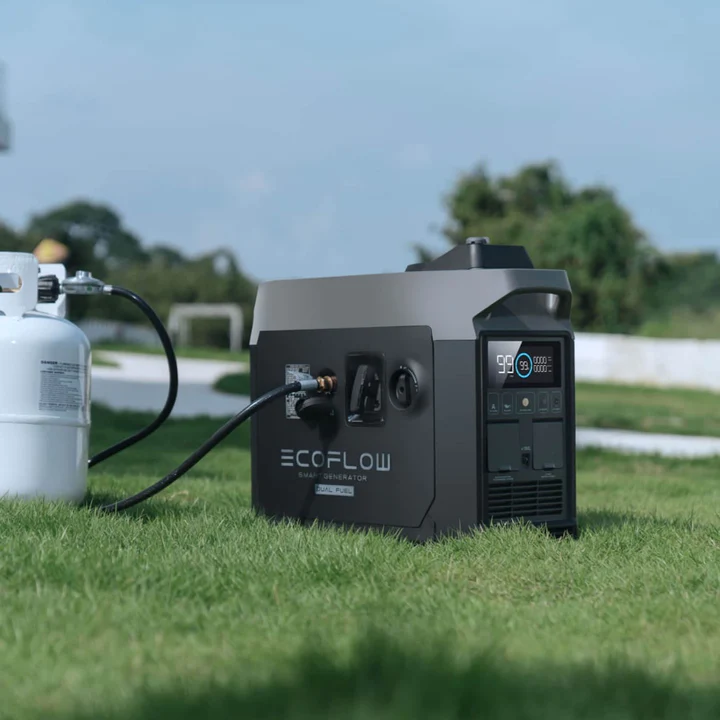
Credit: www.ecoflow.com
Types Of Generators
Generators come in various types. Each type serves different needs. Understanding these types helps you choose the right one.
Portable Models
Portable generators are popular for their convenience. They are easy to transport. These models often run on gasoline.
Most portable generators can power small devices. They work well for camping or outdoor events. Their runtime varies based on fuel and load.
Standby Systems
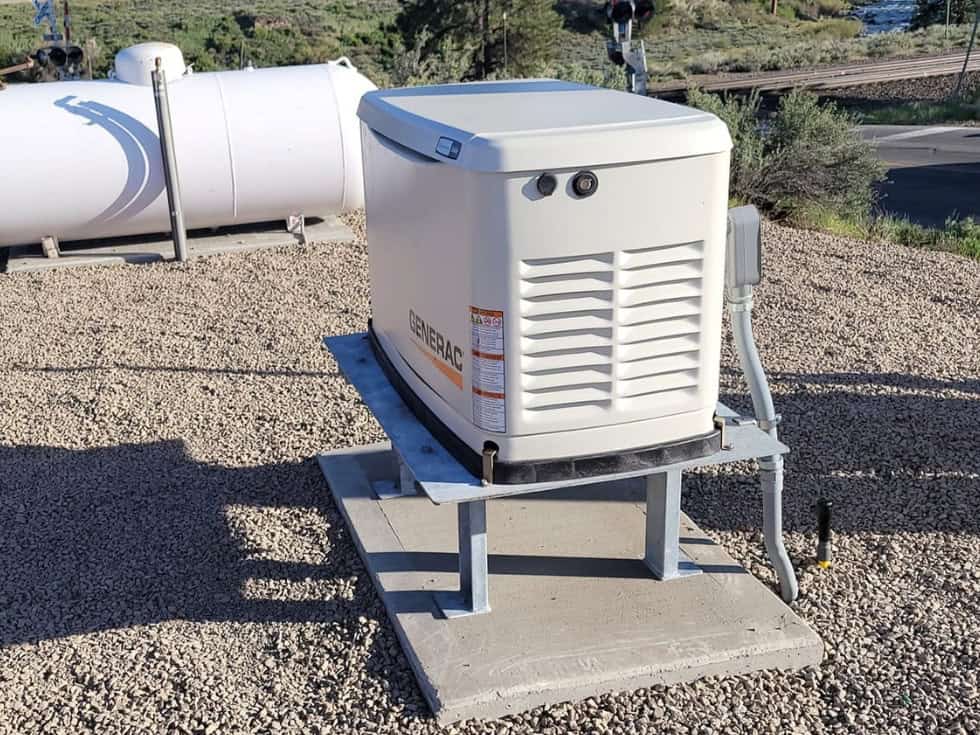
Standby generators offer automatic power. They connect directly to your home’s electrical system. These units usually run on natural gas or propane.
Standby systems start automatically during power outages. They provide a reliable source of energy. Their lifespan is longer than portable units.
Inverter Units
Inverter generators are known for their quiet operation. They produce clean energy, safe for sensitive devices. These models are compact and lightweight.
Inverter units adjust power output based on demand. This feature improves fuel efficiency. They are great for camping or tailgating.
Impact Of Load On Gas Usage
The load on a generator directly affects its gas usage. Understanding this can help you use your generator more efficiently. A generator’s performance changes based on how much power it needs to produce. Let’s explore how load impacts gas consumption in different scenarios.
Running At Full Load
When a generator runs at full load, it uses the most gas. This is because it needs to produce maximum power. Higher gas consumption means higher operating costs. Full load operation can be necessary for certain tasks. However, it is not always the most efficient way to run.
Partial Load Efficiency
Generators often run at partial load. This means they use less power than their maximum capacity. At partial load, gas consumption decreases significantly. Efficiency improves, saving you money on fuel. It is best to match your generator’s load with your needs.
Idle Consumption
Even when not in use, generators consume gas. This is known as idle consumption. It happens when the generator is running but not powering anything. Idle consumption can add up over time. Turn off the generator when not in use to save gas.
Maintenance For Better Efficiency
Maintaining your generator is essential for ensuring better efficiency and longevity. Just like a car, your generator requires regular upkeep to run smoothly and effectively. Neglecting maintenance can lead to decreased performance and increased fuel consumption, which is not ideal, especially during an emergency.
Regular Oil Changes
Changing the oil in your generator is crucial for its overall health. Old oil becomes dirty and loses its ability to lubricate, which can lead to engine wear. Aim to change the oil every 50 hours of use or at least once a season, whichever comes first.
- Check the oil level regularly.
- Use the oil recommended by the manufacturer for optimal performance.
- Keep a record of oil changes for future reference.
By staying consistent with oil changes, you can significantly improve the efficiency of your generator. You’ll notice better performance and potentially extend the life of the engine.
Air Filter Cleaning
A clean air filter is vital for efficient fuel combustion. Dust and debris can clog the filter, restricting airflow and causing your generator to work harder than necessary. Check and clean the air filter every month, especially if you use your generator frequently.
Cleaning is simple. You can gently tap the filter to remove dust or wash it with soap and water, depending on the type. Make sure it’s completely dry before reinstalling.
What’s the last time you checked your air filter? A little attention here can save you gas and enhance performance.
Spark Plug Inspection
Spark plugs are the heart of your generator’s ignition system. Inspecting them regularly ensures that your generator starts easily and runs smoothly. Look for signs of wear or carbon buildup, and replace them if they appear damaged.
- Check the gap between the electrodes using a feeler gauge.
- Replace spark plugs every 100 hours of use or as recommended.
- Keep a spare set handy for emergencies.
Have you ever struggled to start your generator? A faulty spark plug could be the culprit. Regular inspection can help you avoid that frustrating situation.
Tips To Extend Gas Duration
Extending gas duration for your generator can save you time and money. Simple tips include keeping the generator well-maintained, using high-quality fuel, and storing extra gas properly. These steps help ensure your generator runs longer on gas, providing you with reliable power when needed.
To make the most of your generator’s gas supply, you need to implement practical strategies that extend its duration. The longer your generator can run, the more benefits you gain from uninterrupted power. Here are some effective tips to help you maximize gas usage while ensuring your generator operates efficiently.Optimizing Load Distribution
Balancing the load on your generator is crucial. If you overload it, the engine works harder, consuming more gas. – Identify Essential Appliances: Make a list of the appliances you need most. Prioritize them to avoid overloading. – Even Distribution: Spread out the load across multiple circuits. This helps in reducing strain on any single part of the generator. I once had a situation where I powered my fridge, heater, and a few lights all at once. The generator struggled, and I noticed the gas ran out much faster than expected. Learning to distribute the load evenly made a significant difference in my next outage.Using Stabilized Fuel
The type of fuel you use can greatly affect your generator’s efficiency. – Choose Stabilized Fuel: This type of fuel has additives that help prevent breakdown, ensuring your generator runs smoothly. – Store Properly: Keep fuel in a cool, dry place to prevent degradation. Using stabilized fuel helped my generator run longer during a recent storm. It was a relief to know that my fuel was in top condition, allowing for more extended use without interruptions.Reducing Non-essential Usage
Cutting back on non-essential appliances can extend your generator’s gas duration significantly. – Identify Non-Essential Items: Make a list of items you can live without during a power outage. – Turn Off Unused Devices: Ensure that only the necessary appliances are running to conserve gas. During a recent camping trip, I realized that turning off my laptop and unnecessary lights gave us extra hours of power. It’s amazing how small adjustments can lead to substantial benefits. What strategies have you used to stretch your generator’s gas? Adopting these tips can help you keep your generator running longer when you need it most.
Credit: www.bellperformance.com
Common Mistakes To Avoid
Understanding how long a generator lasts on gas is important. Many people make mistakes that can shorten its life. Learn to avoid these common errors for better performance and efficiency.
When using a gas generator, it’s easy to make mistakes that can shorten its lifespan. Understanding common pitfalls can help you maximize your generator’s efficiency and longevity. Here are some crucial errors to avoid.Overloading The Generator
Overloading your generator is a frequent mistake that can lead to serious damage. Each generator has a specified wattage limit. Exceeding this limit can cause overheating and even permanent failure. You might think you can power just one more appliance, but that could be the tipping point. Always check the wattage requirements of your devices. Use a wattage calculator to ensure you’re not pushing your generator beyond its limits.Ignoring Maintenance
Neglecting regular maintenance is another error that can shorten your generator’s life. Just like a car, a generator needs routine checks. Changing the oil, cleaning the air filter, and inspecting spark plugs can prevent costly repairs. I learned this the hard way. After skipping a maintenance check, my generator failed right when I needed it most during a storm. Don’t let that happen to you. Set a maintenance schedule and stick to it.Using Old Or Low-quality Fuel
Fuel quality matters significantly in how long your generator lasts. Using old or low-quality fuel can clog your generator’s fuel system. This can lead to performance issues and increased wear and tear. Always use fresh gasoline that meets the manufacturer’s specifications. If you have fuel left over from last season, it’s best to dispose of it properly. Invest in high-quality fuel to keep your generator running smoothly. Avoid these common mistakes to ensure your gas generator works efficiently for years to come. What steps will you take today to protect your investment?Frequently Asked Questions
How Long Does A Generator Run On A Full Tank?
The runtime of a generator on a full tank varies by model. Typically, portable generators last between 8 to 12 hours. Larger standby generators can run for over 24 hours. Always check the manufacturer’s specifications for precise fuel consumption rates.
What Factors Affect Generator Fuel Consumption?
Several factors influence generator fuel consumption. These include load size, generator efficiency, and the type of fuel used. Environmental conditions, such as temperature and altitude, also play a role. Regular maintenance can help improve efficiency and prolong runtime.
Can I Extend My Generator’s Runtime On Gas?
Yes, you can extend runtime by optimizing usage. Reduce electrical load to conserve fuel. Additionally, ensure the generator is well-maintained and in good working condition. Using high-quality fuel can also improve efficiency and runtime.
How Do I Know When To Refuel My Generator?
Most generators have a fuel gauge to indicate levels. It’s advisable to refuel before the tank is empty. Additionally, listen for changes in the engine’s sound, which may indicate low fuel. Always check fuel levels regularly during extended use.
Conclusion
Understanding how long a generator lasts on gas is important. Factors like size, load, and maintenance all play a role. A well-maintained generator can run for many hours. Always check the fuel level and condition regularly. Proper care helps extend the life of your generator.
Know your specific model for better performance. This knowledge keeps you prepared for power outages. Remember, safety comes first. Choose a reliable generator that suits your needs. With the right information, you can make informed decisions. Stay safe and keep power flowing when you need it most.