
Are you curious about how to generate your own electricity? Imagine being able to power your home or gadgets with energy you create yourself.
It sounds empowering, doesn’t it? Whether you’re looking to save on energy bills, reduce your carbon footprint, or just want a fun DIY project, understanding how to generate electricity can change the game for you. You’ll discover simple methods and practical tips to harness energy efficiently.
Get ready to unlock the secrets of electricity generation and take control of your energy needs!

Credit: www.gz-supplies.com
Basics Of Electricity Generation
The world of electricity generation is fascinating and essential to our daily lives. Understanding the basics can empower you to appreciate how energy powers your home and community. Let’s dive into the fundamental concepts that explain how generators produce electricity.
What Is Electricity?
Electricity is the flow of electric charge. It powers everything from your smartphone to entire cities. This energy is produced by moving electrons through a conductor, usually metal.
How Do Generators Work?
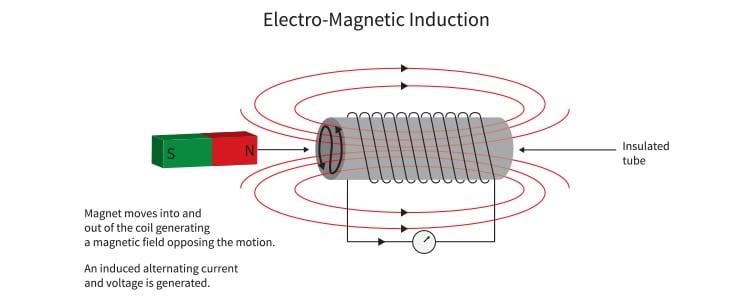
Generators convert mechanical energy into electrical energy. They do this using electromagnetic induction, where a magnetic field interacts with a conductor. This interaction causes electrons to move, generating electricity.
Types Of Generators
- AC Generators:Also known as alternators, these produce alternating current (AC), which is the type of electricity used in most homes.
- DC Generators:These produce direct current (DC), commonly used in batteries and small electronic devices.
Generators can operate on various energy sources. Here are some common ones:
- Fossil Fuels:Coal, oil, and natural gas are traditional sources that power many generators.
- Renewable Resources:Solar, wind, and hydroelectric power are sustainable options gaining popularity.
The Role Of Turbines
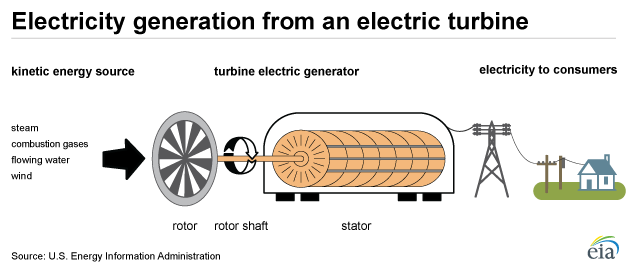
Turbines play a crucial role in electricity generation. They convert kinetic energy from wind, steam, or water into mechanical energy. This mechanical energy then drives the generator to produce electricity.
Efficiency Of Electricity Generation
Efficiency varies based on the type of generator and energy source. Traditional fossil fuel generators often waste a lot of energy as heat. In contrast, renewable energy sources can be more efficient and environmentally friendly.
Have you ever wondered how your choice of energy source affects your electricity bill? Understanding these basics can help you make informed decisions. By recognizing how generators work, you can appreciate the value of sustainable energy options.
Components Of A Generator
A generator consists of key parts that work together to create electricity. The engine powers the generator, while the alternator converts mechanical energy into electrical energy. Other components include the fuel system, cooling system, and control panel, all essential for efficient operation.
Understanding the components of a generator is crucial to grasping how it produces electricity. Each part plays a specific role in ensuring the generator operates smoothly and efficiently. Let’s break down these components, highlighting their individual functions and importance.Engine Functionality
The engine is the heart of a generator. It provides the mechanical energy needed to rotate the alternator. You might have noticed that different generators come with various engine types, such as gasoline, diesel, or natural gas engines. Each type has its own advantages, impacting power output and fuel efficiency. A well-maintained engine ensures reliable performance. Regular checks can prevent costly repairs down the line.Alternator Role
The alternator is where the magic happens. It converts mechanical energy from the engine into electrical energy. Inside the alternator, you’ll find a rotor and stator. The rotor spins, creating a magnetic field that induces an electric current in the stator windings. This process generates electricity that can be used immediately or stored. Understanding this role helps you appreciate the generator’s efficiency.Voltage Regulator Importance
A voltage regulator is essential for maintaining a consistent power supply. It keeps the voltage output stable, protecting your devices from fluctuations. Imagine plugging in your favorite gadget, only to have it damaged by sudden spikes in electricity. A good voltage regulator prevents this by ensuring your generator produces a steady output. Regularly checking the voltage regulator can enhance the lifespan of your generator and connected devices.Fuel System Operation
The fuel system is what keeps the engine running. It delivers the necessary fuel to the engine for combustion. Different generators use various fuel systems, including carburetors and fuel injection systems. Each system has its pros and cons regarding efficiency and performance. Proper maintenance of your fuel system can significantly impact your generator’s overall efficiency. Have you ever faced a power outage and wished you had checked the fuel level beforehand? Keeping an eye on this can save you from unexpected inconveniences. Understanding these components not only helps you appreciate how a generator works but also empowers you to maintain and troubleshoot it effectively.Energy Sources For Generators
Generators need energy sources to produce electricity. Different types of generators use various fuels. Understanding these energy sources helps in choosing the right generator for your needs.
Fossil Fuels
Fossil fuels are a common energy source for generators. They include gasoline, diesel, and natural gas. These fuels burn to create energy. This energy powers the generator.
Gasoline generators are portable. They are popular for home use and outdoor activities. Diesel generators offer more power and efficiency. They are often used in industrial settings. Natural gas generators are cleaner and more efficient. They are good for long-term use.
Renewable Options
Renewable energy sources are gaining popularity. Solar and wind power are the main options. Solar generators use sunlight to produce electricity. They are quiet and eco-friendly.
Wind generators convert wind energy into electricity. They are often used in large farms. Hydroelectric generators use flowing water. They provide a constant energy source. These options are sustainable and reduce pollution.
Mechanical Power Sources
Mechanical power sources include hand-crank and pedal generators. These generators do not need fuel. They generate electricity through human effort.
Hand-crank generators are useful for emergencies. They provide power when other sources fail. Pedal generators can be used for exercise while generating energy. They are fun and useful for small tasks.
Step-by-step Operation
Learn how generators produce electricity in simple steps. Start by understanding the parts of a generator. Then, follow the process of converting fuel into electrical energy. This guide will help you grasp the basics easily.
Understanding the step-by-step operation of a generator can empower you to harness electricity efficiently. Whether you’re preparing for a camping trip or powering your home during an outage, mastering the basics ensures you can rely on your generator when needed. Let’s break down the process into manageable steps.Preparing The Generator
Before you do anything, ensure your generator is on a flat surface, away from flammable materials. Check the fuel level and make sure you’re using the right type of fuel. Inspect the oil level and add oil if necessary. A well-lubricated engine runs smoothly and lasts longer. Connect any necessary extension cords, ensuring they are rated for the power you plan to use. This prevents overheating and potential hazards.Starting The Engine
Locate the start switch or pull cord, depending on your generator model. If your generator has a choke, set it to the closed position. This helps the engine start more easily. Turn on the fuel valve and press the start button or pull the cord. You may need to repeat this a few times if the engine doesn’t start right away. Once the engine is running, adjust the choke back to the open position. Your generator should now be ready to produce electricity.Monitoring Output
Keep an eye on the output voltage and frequency using the built-in gauges. This ensures the generator is running efficiently and safely. As you plug in devices, monitor for any signs of overload. If the generator struggles or you hear unusual sounds, unplug some devices. Regularly check the fuel and oil levels while the generator is running. This prevents any unexpected shutdowns during critical times.Shutting Down Safely
Once you’re done using the generator, unplug all devices before turning it off. This prevents damage to both the generator and your appliances. Switch off the engine using the start switch. Allow it to cool down for a few minutes before covering it up or storing it away. Finally, drain any remaining fuel if you won’t be using it for an extended period. This helps keep your generator in good condition for future use. Being prepared and knowing the steps to operate your generator can make a significant difference in your power management. Have you ever faced a power outage without a reliable backup? Taking these steps can ensure you’re never caught off guard again.Safety Measures
Safety is key when using a generator. Proper precautions help prevent accidents. Follow these safety measures to ensure a safe experience.
Preventing Overload
Overloading a generator can cause damage. Always check the wattage limits before use. Make a list of devices you plan to power. Add their wattage together. Ensure it does not exceed the generator’s capacity.
Use heavy-duty extension cords. This helps to manage power distribution. Avoid connecting too many devices at once. If you notice flickering lights, reduce the load.
Proper Ventilation
Generators produce harmful fumes. Always use them outdoors. Place the generator away from windows and doors. This prevents carbon monoxide from entering your home.
Ensure there is good airflow around the generator. Avoid placing it in enclosed spaces. This helps reduce the risk of overheating.
Handling Emergencies
Be prepared for emergencies. Keep a fire extinguisher nearby. Know how to turn off the generator quickly. This is crucial in case of a malfunction.
Have a first aid kit available. Familiarize yourself with its contents. Stay alert for signs of trouble. If you smell gas or see smoke, shut down the generator.
Credit: www.electricgeneratorsdirect.com
Maintenance Tips
Keeping your generator in good shape is important. Regular maintenance helps ensure it runs smoothly. Follow these tips for better performance and longevity.
Regular Inspections
Inspect your generator at least once a month. Check for any signs of wear or damage. Look at the fuel lines, electrical connections, and oil levels. Make sure everything is tight and secure. If you notice anything unusual, take action quickly.
Cleaning Components
Clean the generator’s exterior regularly. Dust and dirt can affect performance. Remove debris from vents and cooling fans. Use a soft cloth for sensitive areas. Keeping it clean helps prevent overheating. Always follow the manufacturer’s cleaning guidelines.
Replacing Parts
Some parts need replacement over time. Check the air filter and fuel filter regularly. Change the oil as recommended in the manual. Inspect the spark plugs for wear. Replacing worn parts keeps your generator running efficiently.

Credit: www.youtube.com
Frequently Asked Questions
How Does A Generator Produce Electricity?
A generator produces electricity by converting mechanical energy into electrical energy. This process typically involves rotating a coil of wire within a magnetic field. The movement induces an electric current through electromagnetic induction, allowing the generator to supply power for various applications.
What Are The Main Types Of Generators?
The main types of generators include diesel, gasoline, and solar generators. Diesel generators are known for their durability and efficiency. Gasoline generators are portable and suitable for small applications. Solar generators harness sunlight to produce electricity, making them eco-friendly and sustainable.
How Do I Choose The Right Generator?
Choosing the right generator depends on your power needs. Consider the total wattage required for your appliances and devices. Additionally, evaluate the fuel type, portability, and runtime. Always select a generator that offers a little extra capacity to handle startup surges.
Can Generators Run Continuously?
Most generators can run continuously for a limited time. However, it’s essential to follow the manufacturer’s guidelines for runtime and maintenance. Overusing a generator without breaks can lead to overheating or damage. Regular checks ensure safe and efficient operation.
Conclusion
Generating electricity can be simple and accessible. You learned about different methods today. Each method has its own benefits and challenges. Consider your needs when choosing a method. Renewable options are often better for the environment. They can save you money in the long run.
Explore local resources for support and guidance. With the right knowledge, anyone can produce electricity. Start small, and build your skills. Enjoy the process of becoming more energy independent. Your efforts can lead to a brighter, sustainable future.