

When it comes to maintaining your generator, one question stands out: How often should you change the generator oil? This simple yet crucial task can significantly impact the longevity and performance of your equipment.
Neglecting it could lead to costly repairs or even a generator breakdown when you need it most. You might be wondering if there’s a one-size-fits-all answer or if it varies based on usage and type. Understanding the right frequency for oil changes can save you time, money, and frustration down the line.
We’ll break down everything you need to know about generator oil changes. You’ll discover the signs that indicate it’s time for a change, the factors that affect oil life, and how regular maintenance can keep your generator running smoothly. Keep reading to ensure your generator is always ready when you need it.
Importance Of Regular Oil Changes
Regular oil changes are crucial for maintaining the health and efficiency of your generator. Just like your car, a generator relies on clean oil to lubricate its moving parts. Over time, oil can become contaminated and lose its effectiveness, leading to potential engine damage.
Enhances Engine Performance
Changing the oil on a regular schedule directly impacts your generator’s performance. Clean oil reduces friction between components, allowing your engine to run smoothly.
I once overlooked an oil change and noticed a significant drop in my generator’s output. After changing the oil, the performance improved dramatically. This experience highlighted just how essential regular oil changes are.
Extends Equipment Lifespan
Generators are an investment, and you want to get the most out of yours. Regular oil changes can significantly extend the life of your equipment.
Neglecting this simple task can lead to costly repairs or even a complete breakdown. Would you risk losing your generator over a few quarts of oil?
Prevents Engine Wear And Tear
Old oil contains debris that can cause wear and tear on engine components. Regular oil changes remove these harmful particles, ensuring that your generator remains in top condition.
During my first year of generator ownership, I followed a strict oil change schedule. The engine showed no signs of wear, and I was able to avoid major repairs.
Improves Fuel Efficiency
Clean oil helps your generator run more efficiently, which can lead to better fuel economy. If you’re using your generator frequently, this can save you a significant amount of money over time.
Have you ever calculated how much fuel you waste due to poor maintenance? Regular oil changes can help you avoid unnecessary expenses.
Ensures Compliance With Warranty Requirements
Many generator warranties require regular maintenance, including oil changes. Failing to keep up with these requirements can void your warranty.
It’s essential to keep detailed records of your oil changes. This documentation can save you headaches later if you need to file a warranty claim.
Credit: www.electricgeneratorsdirect.com
Factors That Affect Oil Change Frequency
Generator oil change frequency depends on several factors. These include how often the generator is used, the type of oil, and the manufacturer’s recommendations. Regular checks and maintenance help ensure the generator runs smoothly and efficiently.
Understanding the factors that affect how often you should change your generator’s oil is crucial for maintaining its performance and longevity. Different elements play a significant role in determining the appropriate oil change frequency. Let’s break down these factors to help you make informed decisions for your generator.Type Of Generator
The type of generator you own can influence how frequently you need to change the oil. – Portable Generators: These often require more frequent oil changes due to their smaller engines and higher wear rates. – Standby Generators: These typically have larger engines designed for longer service intervals. Choosing the right oil type for your generator model also matters. Always refer to the manufacturer’s guidelines for specific recommendations.Usage Hours
How often you run your generator significantly impacts oil change frequency. – Frequent Use: If you use your generator daily or for extended hours, plan to change the oil every 50 to 100 hours of operation. – Occasional Use: For generators used sporadically, changing the oil at least once a year might suffice. Keeping track of your usage can help you stay on top of maintenance tasks. Have you ever considered how your usage patterns can affect your generator’s lifespan?Oil Quality
The quality of oil you choose can greatly affect how often you need to change it. – Synthetic Oils: These typically offer better protection and can extend the oil change interval. – Conventional Oils: These require more frequent changes, often every 50 hours of use. Investing in high-quality oil might save you money in the long run. Have you ever noticed a difference in performance with different oil brands?Operating Conditions
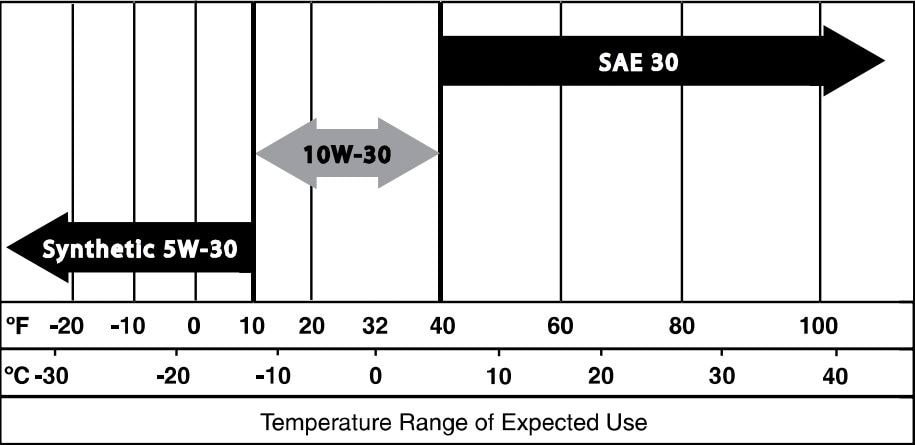
The environment in which your generator operates plays a crucial role in oil change frequency. – Dusty or Dirty Areas: If your generator runs in such conditions, it may require more frequent oil changes due to contaminants. – Extreme Temperatures: Hot or cold weather can affect oil viscosity and performance, necessitating more regular checks. Understanding your operating conditions can help you maintain your generator effectively. Are you aware of how your environment impacts your generator’s health? By considering these factors, you can tailor your oil change schedule to keep your generator running smoothly and efficiently. Taking these steps not only enhances performance but also extends the life of your investment.Signs It’s Time To Change The Oil
Changing generator oil is important for its performance. Look for signs like strange noises or smoke. Regularly check the oil level. If it’s dark or gritty, it’s time for a change. Keeping oil fresh helps the generator run smoothly.
Changing your generator oil regularly is crucial for its longevity and optimal performance. However, how do you know when it’s time to make that change? There are clear signs that can indicate the need for fresh oil. Recognizing these signs can save you time, money, and potential damage to your generator.Unusual Engine Noise
Have you noticed your generator making strange sounds? Unusual engine noise can be a red flag. If you hear knocking, grinding, or excessive rattling, your oil might be old or dirty. These sounds indicate that the oil isn’t lubricating the engine components effectively. You should address this issue immediately to prevent further damage.Dark Or Dirty Oil
Take a moment to check your oil’s color and consistency. If the oil appears dark and gritty, it’s time for a change. Fresh oil is typically a clear amber color. Dark or dirty oil can affect your generator’s efficiency and performance. Regularly inspecting your oil can help you stay ahead of potential issues.Oil Level Drops Frequently
Keep an eye on your oil levels. If you find yourself adding oil more often than usual, that’s a sign something isn’t right. Frequent drops in oil levels can indicate leaks or excessive consumption. Addressing these issues promptly will help maintain your generator’s health. Ask yourself: Are you monitoring your oil levels regularly? Being proactive will not only prolong your generator’s life but also enhance its performance.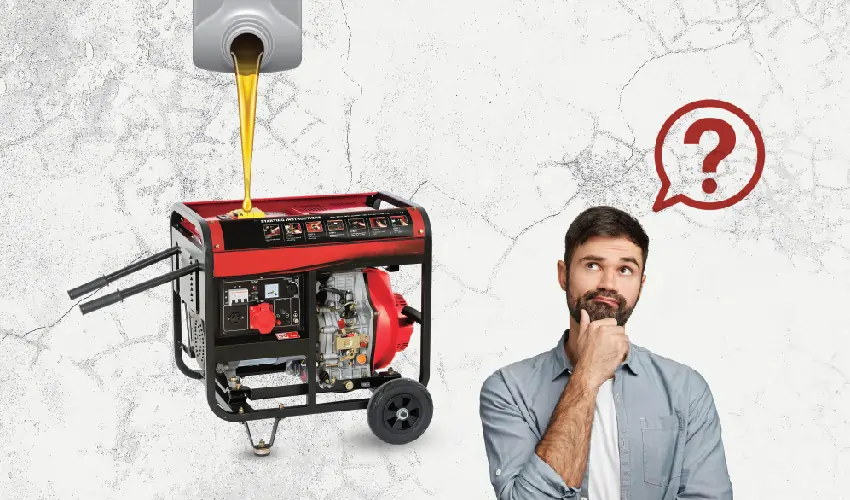
Credit: famcocorp.ae
Steps To Change Generator Oil
Changing generator oil is essential for its performance. It’s recommended to change the oil every 50 to 100 hours of use. Regular checks help keep your generator running smoothly and extend its life.
Changing the oil in your generator is crucial for its performance and longevity. Regular maintenance not only ensures that your generator runs smoothly but also prevents costly repairs down the line. Here’s a simple guide to help you through the process of changing generator oil.Gather Necessary Tools
Before you start, make sure you have all the tools you need. Here’s a quick list: – Wrench or socket set – Oil filter wrench – Oil pan – Funnel – New oil (check the owner’s manual for the right type) – New oil filter – Rags or paper towels Having these tools on hand will make the process much smoother and quicker.Drain The Old Oil
Begin by running your generator for a few minutes. This warms up the oil, making it easier to drain. Turn off the generator and allow it to cool slightly. Locate the oil drain plug, usually found at the base of the generator. Position your oil pan underneath the drain plug, then unscrew the plug and let the old oil flow out completely. Keep an eye out; it might take a few moments for all the oil to drain.Replace The Oil Filter
Next, you need to replace the oil filter. Use the oil filter wrench to remove the old filter. Before installing the new filter, apply a little fresh oil to the rubber gasket on the new filter. This ensures a good seal. Screw the new filter in place, tightening it securely but be careful not to over-tighten.Refill With Fresh Oil
Now it’s time to refill with fresh oil. Using your funnel, pour the new oil into the fill tube. Refer to your generator’s manual for the correct amount of oil to add. After filling, check the oil level with the dipstick to ensure it’s at the right level. It’s always good practice to run the generator for a few minutes after refilling. This helps circulate the new oil and ensures everything is working well.Dispose Of Used Oil Properly
Proper disposal of used oil is essential. Never pour it down the drain or throw it in the trash. Most auto parts stores or service stations accept used oil for recycling. Check local regulations for other disposal options in your area. Remember, taking care of the environment is as important as maintaining your equipment. By following these straightforward steps, you can keep your generator in top shape. How often do you change your generator oil? Regular maintenance can save you time and money in the long run!Tips To Extend Oil Life
Maintaining your generator’s oil is essential for its performance. Proper care can extend its life. Here are some tips to help you extend the oil’s life.
Use High-quality Oil
Choosing high-quality oil matters. It helps the engine run smoothly. Quality oil reduces wear and tear. It also prevents sludge buildup. Always check oil ratings before buying. Good oil can save you money long-term.
Follow Manufacturer Guidelines
Each generator has specific needs. Always follow the manufacturer’s recommendations. They provide details on oil change intervals. Ignoring these can lead to engine problems. Stay informed about your generator’s requirements. This helps keep it in top shape.
Store The Generator In Clean Conditions
Clean storage protects your generator. Dust and dirt can contaminate the oil. Store it in a dry, clean space. Avoid areas with high humidity. Regularly check for debris around the generator. A clean environment helps maintain oil quality.
Common Mistakes To Avoid
Changing generator oil is crucial for performance. Many people make mistakes during this process. Avoiding these errors can save time and money. Here are common mistakes to watch out for.
Skipping Scheduled Changes
Some people forget to change the oil on time. This can lead to engine damage. Oil breaks down and loses its effectiveness. Regular changes keep your generator running smoothly.
Check the manufacturer’s schedule for oil changes. Set reminders to ensure you don’t miss them. A little effort now prevents major problems later.
Using Incorrect Oil Type
Using the wrong oil can harm your generator. Each generator needs a specific oil type. Always refer to the owner’s manual for guidance.
Using non-recommended oil may affect performance. It can also void your warranty. Stick to the right oil for best results.
Overfilling The Oil Tank
Overfilling the oil tank is a common mistake. Too much oil can cause leaks. It may also lead to engine damage.
Always check the oil level before running the generator. Use the dipstick to measure accurately. Keeping the oil at the correct level is essential for proper function.
Recommended Maintenance Schedule
Proper maintenance keeps your generator running smoothly. Regular oil changes are key to its health. Knowing when to change the oil helps extend its life. Here’s a simple guide to keep your generator in top shape.
First Oil Change After Break-in Period
After the first 20 to 50 hours of use, change the oil. This is crucial for new generators. During break-in, metal particles can build up in the oil. Changing it early helps remove these particles. It sets a strong foundation for your generator.
Regular Changes Based On Hours Of Use
After the first change, follow a regular schedule. Change the oil every 100 hours of use. If you use your generator less frequently, change it at least once a year. Regular checks keep the oil clean and effective. Clean oil reduces wear on engine parts.
Seasonal Adjustments For Extreme Weather
Extreme weather may require more frequent changes. In hot climates, oil can break down faster. Cold weather can lead to condensation in the oil. Check your oil more often during these seasons. Adjust your schedule based on your generator’s conditions.
Credit: waltpower.com
Frequently Asked Questions
How Often Should You Change Generator Oil?
It is generally recommended to change generator oil every 50 to 100 hours of operation. For regular maintenance, check the oil level weekly. If you use your generator in extreme conditions, consider changing the oil more frequently. Always refer to your generator’s manual for specific guidelines.
What Type Of Oil Should I Use For My Generator?
Use high-quality, non-synthetic oil specifically designed for small engines. Common options include SAE 30 or 10W-30 oil. Always check your generator’s manual for the manufacturer’s recommendations. Using the correct oil ensures optimal performance and longevity of your generator.
Can I Change Generator Oil Myself?
Yes, you can change generator oil yourself. It is a straightforward process that requires basic tools and safety precautions. Make sure to follow the manufacturer’s instructions carefully. Changing the oil yourself saves money and helps you understand your generator better.
What Happens If I Don’t Change Generator Oil?
Failing to change generator oil can lead to engine wear and damage. Dirty oil can cause overheating and reduce efficiency. It may also void your warranty if maintenance is neglected. Regular oil changes are essential for your generator’s performance and longevity.
Conclusion
Changing your generator oil is vital for its health. Regular oil changes keep your generator running smoothly. Check your manual for specific guidelines. Most recommend changing oil every 50 to 100 hours. Remember, oil quality matters. Always use the right type for your generator.
Keeping track of your oil changes helps extend the life of your machine. Stay proactive to avoid costly repairs. A little maintenance goes a long way. Your generator will thank you with better performance and reliability.