

Are you considering using a generator in your apartment? If so, you’re not alone.
Many apartment dwellers face power outages and wonder if a generator could provide a reliable backup. But before you make a decision, there are important factors to consider. Can you safely use a generator in your living space? What are the rules and regulations?
And how can you ensure your safety and the safety of your neighbors? This article will address these questions and more, giving you the information you need to make an informed choice. Stick around to learn the ins and outs of using a generator in an apartment setting, so you can stay prepared and worry-free during those unexpected blackouts.
Using Generators In Apartments
Generators can be used in apartments, but there are important factors to consider. Noise levels and exhaust fumes can be issues. Always check local laws and your building’s rules before using one. Safety and proper ventilation are key to using a generator in a confined space.
Using generators in apartments can be a practical solution for those facing power outages or needing extra energy for specific appliances. However, the decision to use a generator in your living space requires careful consideration of safety, type, and local regulations. Let’s dive deeper into the types of generators suitable for apartments and the common reasons you might want to use one indoors.Types Of Generators Suitable For Apartments
Choosing the right generator is crucial for apartment living. Here are some options that may work well: – Portable Generators: These are easy to move and can power essential devices during an outage. Look for models with lower noise levels to avoid disturbing neighbors. – Inverter Generators: These provide clean and stable power, making them ideal for sensitive electronics like laptops and phones. They are also quieter than conventional generators. – Solar Generators: If you’re eco-conscious, consider solar generators. They use renewable energy and can be an efficient way to power small devices without relying on fuel. Always check your apartment’s regulations before purchasing. Some complexes may have restrictions on generator use.Common Reasons For Generator Use Indoors
You might wonder why you would need a generator in your apartment. Here are some common reasons: – Power Outages: Blackouts can occur unexpectedly. A generator ensures you remain connected to essential power for lights, heating, or cooling. – Home Office Needs: With more people working from home, maintaining a reliable power source is crucial. A generator can keep your workspace functional, especially during storms. – Medical Equipment: If you or someone in your household relies on medical devices, a generator can provide peace of mind during outages. Do you feel prepared for the next blackout? Assess your needs and think about how a generator could support your lifestyle.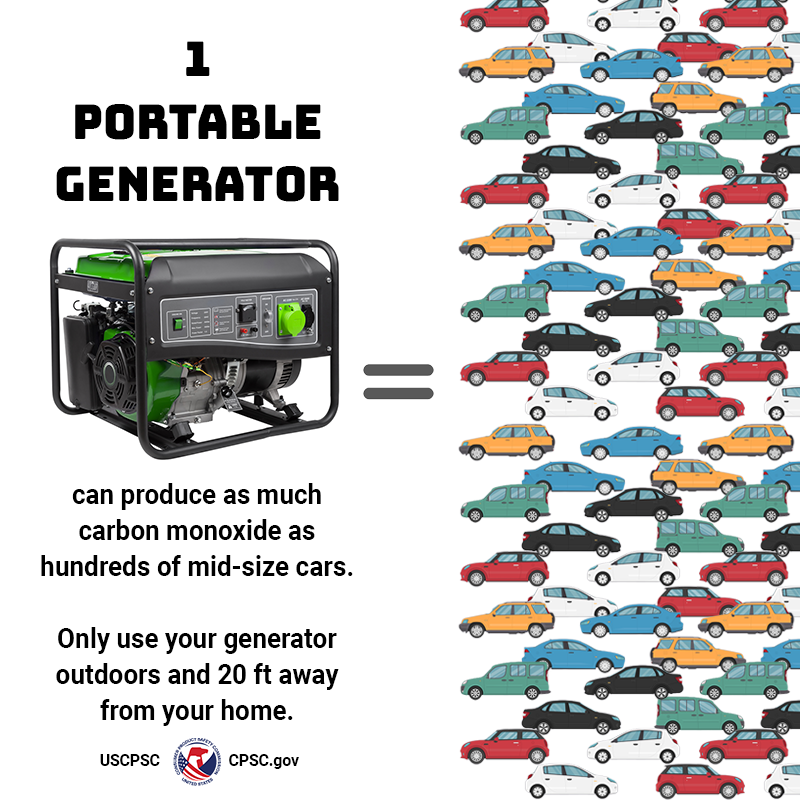
Credit: www.ecoflow.com
Safety Risks Of Generators Indoors
Using a generator indoors, especially in an apartment, poses serious safety risks. Generators produce carbon monoxide, a deadly gas. Proper ventilation is essential, but most apartments lack the space for safe use. Always consider safer power options before deciding to use a generator inside your home.
Using a generator indoors, especially in an apartment, poses significant safety risks. It’s easy to overlook these dangers when you’re focused on the benefits of backup power. Understanding the hazards can help you make informed decisions and keep your living space safe.Carbon Monoxide Hazards
Carbon monoxide (CO) is a silent killer. This colorless, odorless gas is produced when fuel doesn’t burn completely. When you run a generator indoors, even in a well-ventilated space, the risk of CO buildup increases. Just last summer, a friend attempted to use a small generator in her apartment during a blackout. She thought cracking a window would suffice. Within hours, she felt dizzy and nauseous. Thankfully, she was rescued in time, but CO poisoning can be fatal. Always consider installing CO detectors if you’re using a generator nearby. They provide an extra layer of safety that can save lives.Fire Risks And Overheating
Generators can easily overheat, especially when used improperly. Running a generator indoors can lead to fires due to flammable materials nearby. Think about it: fuel spills, or even just the heat from the generator itself, can ignite nearby objects. One evening, I witnessed an apartment fire caused by a generator placed too close to a wall. The flames spread rapidly, leading to extensive damage and displacement for the residents. Ensure you keep your generator outdoors, far away from any structures or flammable items. Always follow the manufacturer’s guidelines for usage and maintenance.Noise Levels And Disturbances
Generators are notoriously noisy. While some models are quieter than others, the sound can still be disruptive. Imagine your neighbors trying to sleep while your generator roars away during a power outage. It can lead to tension and complaints, which nobody wants. Consider using a generator with a lower decibel rating. This helps maintain peace in your apartment complex. It’s also worth checking your local regulations on generator use to avoid fines or complaints. Have you thought about how your generator might affect your neighbors? Keeping them in mind can make a big difference in maintaining a good community atmosphere.Portable Generator Alternatives
Using a generator in an apartment can be tricky. Noise, safety, and space are big concerns. Luckily, there are portable generator alternatives. These options are quieter, safer, and easier to manage in small spaces. Let’s explore two popular alternatives: battery-powered backup options and solar generators.
Battery-powered Backup Options
Battery-powered backup options are great for apartments. They are quiet and do not produce fumes. These devices store energy for later use. You can charge them at home or during the day. When the power goes out, you can easily use them.
Many of these options are lightweight and portable. You can move them around your apartment. They often come with multiple outlets. This allows you to power several devices at once. Laptops, lights, and fans can be run easily.
Solar Generators For Apartments
Solar generators are another excellent choice. They use sunlight to produce energy. This means no fuel is needed. Solar generators are eco-friendly and quiet. They are perfect for small spaces like apartments.
Setting up a solar generator is simple. Place the solar panels outside to catch sunlight. Store the energy in the generator. Use it when needed. You can power small appliances and devices. Solar generators are a smart, sustainable option.
Credit: www.renogy.com
Safe Placement Of Generators
Using a generator in an apartment requires careful placement. Generators produce harmful fumes, so they should never be used indoors. Outdoor locations, away from windows and vents, ensure safety and proper airflow. Always follow local regulations for generator use in residential areas.
Safe placement of generators is crucial, especially in an apartment setting. Proper placement ensures safety and compliance with local regulations. Being mindful of where you place your generator can prevent accidents and improve overall efficiency.Outdoor Placement Guidelines
Placing your generator outdoors is a must to avoid carbon monoxide buildup. Ensure it’s on a flat, stable surface away from flammable materials. Consider the following tips for outdoor placement: – Choose a well-ventilated area: Fresh air helps disperse fumes. – Avoid wet surfaces: Protect your generator from rain and snow to prevent damage. – Secure it properly: Use a lock or cable to prevent theft. Remember, a generator is an investment. Treat it with care to prolong its life.Distance From Windows And Doors
Maintain a safe distance between your generator and any windows or doors. The recommended distance is at least 15 feet. This minimizes the risk of harmful fumes entering your living space. Think about your neighbors too. If your generator is too close, it may disrupt their peace. Consider placing your generator behind a barrier, such as a fence or hedge. This can help direct fumes away while maintaining a quieter environment. Have you thought about how a little distance can make a big difference? Your safety and comfort depend on it.Essential Safety Measures
Using a generator in an apartment can be risky. Safety should always come first. Here are key measures to keep in mind.
Installing Carbon Monoxide Detectors
Carbon monoxide is a silent killer. It is colorless and odorless. Install detectors in every room. This will alert you to dangerous levels. Test the alarms monthly. Change the batteries at least once a year.
Proper Ventilation For Safe Operation
Ventilation is crucial when using a generator. Never operate it indoors. Place it outside, away from windows and doors. This helps prevent harmful fumes from entering your home. Ensure there is good airflow. Avoid tight spaces.
Handling Fuel Safely
Store fuel in approved containers. Keep it away from heat sources. Fill the generator outdoors to avoid spills. Clean any spills immediately. Never refuel while the generator is running. Allow it to cool first.
Apartment Regulations And Policies
Using a generator in an apartment involves several important rules. These rules help ensure safety for all residents. Understanding these regulations is key before making any decisions.
Apartment regulations can vary widely. Local laws and property rules often dictate what is allowed. Always check these rules to avoid issues.
Checking Local Building Codes
Local building codes set specific guidelines for generator use. They outline safety measures and where generators can operate. Many cities have strict rules about noise and emissions. Some areas may not allow generators at all.
Research your local codes before purchasing a generator. Visit your city’s website or contact local officials. They can provide clear information on what is allowed.
Landlord And Property Management Rules
Landlords often have their own rules about generators. These rules may differ from local laws. Review your lease agreement for specific clauses regarding generator use.
Speak with your landlord or property management team. They can clarify their stance on generators. Some may allow them with restrictions, while others may ban them entirely.
Emergency Preparedness Tips
Using a generator in an apartment can be tricky. Many buildings have rules against it. If allowed, ensure proper ventilation and safety measures. Always check local regulations before making a decision. Staying safe and prepared is key during emergencies.
Emergency preparedness is crucial, especially for apartment dwellers. Power outages can strike unexpectedly, leaving you in the dark without essential amenities. Having a plan can make all the difference when the lights go out.Creating A Power Outage Plan
Start by outlining a clear power outage plan. Identify how you will stay informed during an outage. Consider using a battery-operated radio or your smartphone to receive updates. Next, establish a communication plan with family or roommates. Make sure everyone knows how to reach each other if the power goes out. Discuss where to meet if your building becomes unsafe. Knowing these details ahead of time can reduce panic and confusion.Essential Supplies For Apartment Living
Gather essential supplies to keep your apartment ready for emergencies. Start with a reliable flashlight and extra batteries. You don’t want to be fumbling in the dark when the power goes out. Stock up on non-perishable food items. Canned goods, nuts, and granola bars are great options. Ensure you have enough to last at least three days. Don’t forget about water. Aim for at least one gallon per person per day. Store it in easy-to-access containers. Include a first-aid kit in your emergency supplies. Band-aids, antiseptics, and basic medications can be lifesavers. Consider investing in a portable phone charger. Losing power means losing access to your devices. A charger can keep you connected during an outage. Being prepared can give you peace of mind. What supplies would you add to your emergency kit?
Credit: ca.jackery.com
Frequently Asked Questions
Can I Use A Generator In An Apartment?
Using a generator in an apartment is generally not recommended. Most apartment buildings have strict regulations against outdoor generators due to noise and emissions. Additionally, the exhaust can pose health risks. Always check your lease agreement and local regulations before considering a generator.
What Are The Risks Of Using A Generator Indoors?
Using a generator indoors can be extremely dangerous. Generators produce carbon monoxide, a colorless, odorless gas that can be lethal. Even in well-ventilated areas, the risk remains high. For safety, always operate generators outdoors and away from windows and doors to prevent harmful gas exposure.
How Can I Power My Apartment During An Outage?
Consider using battery-powered devices or a portable power station. These options are quieter and safer than generators. Additionally, check with your utility company for updates on outages and expected restoration times. Stocking up on essentials can also help you manage during a power outage.
What Are Alternative Power Sources For Apartments?
Solar power systems are a great alternative for apartments. Portable solar chargers and power banks can keep devices charged without noise. Some apartments also allow for small wind turbines. Always consult your building management before installing any alternative energy systems to ensure compliance.
Conclusion
Using a generator in an apartment can be tricky. Consider noise, safety, and local laws. Always check with your landlord first. Some apartments have strict rules about generators. If allowed, choose a quiet model. Proper ventilation is crucial to avoid harmful fumes.
Overall, research is key. Make informed choices. Stay safe while enjoying the benefits of backup power. A generator can be helpful, but know the rules before you start.