
Are you considering a solar generator for your home or outdoor adventures? You’re not alone.
Solar generators are gaining popularity as a clean and efficient energy source. But before you make a decision, it’s essential to weigh the pros and cons. You’ll discover the key benefits that can make your life easier and more sustainable.
You’ll also learn about potential drawbacks that might surprise you. Understanding both sides will help you decide if a solar generator is the right choice for your needs. Keep reading to uncover the insights that could shape your energy future!
What Is A Solar Generator
A solar generator is a device that converts sunlight into electricity. It uses solar panels to capture sunlight. This energy is stored in batteries for later use. Solar generators can power various devices, from lights to small appliances.
They are portable and easy to use. Many people choose solar generators for camping or emergency power. They are quiet and produce no pollution. This makes them an eco-friendly choice.
How Does A Solar Generator Work?
Solar generators consist of three main parts: solar panels, a battery, and an inverter. Solar panels capture sunlight and convert it into electricity. The battery stores this electricity for later use. The inverter changes the stored energy into usable power.
When you need power, the inverter sends electricity to your devices. This process is simple and efficient. It allows you to use renewable energy anytime.
Benefits Of Using A Solar Generator
Solar generators offer many benefits. They provide clean energy. This helps reduce your carbon footprint. They are also cost-effective in the long run. You can save money on electricity bills.
Solar generators are portable. You can take them anywhere, from your backyard to a campsite. They require little maintenance. This makes them a convenient choice for many users.
Limitations Of Solar Generators
Despite their benefits, solar generators have limitations. They depend on sunlight. On cloudy days, energy production may drop. This can be a problem for some users.
Solar generators also have limited storage capacity. This means you can only power a few devices at a time. If you need more power, you may need multiple units.
The initial cost can be high. While you save money over time, the upfront expense may deter some buyers.
How Solar Generators Work
Solar generators convert sunlight into electricity. They use solar panels, batteries, and an inverter. Each part plays a key role in the process.
Solar Panels
Solar panels capture sunlight. They consist of many small cells. These cells turn sunlight into direct current (DC) electricity. The more sunlight they get, the more power they produce.
Batteries
Batteries store the electricity generated. This stored power can be used later. It provides energy when the sun isn’t shining. This feature is useful during cloudy days or at night.
Inverter
The inverter changes DC electricity into alternating current (AC) electricity. Most homes use AC power. This allows you to run household appliances with solar energy.
Control Systems
Control systems manage the flow of electricity. They ensure the batteries charge properly. They also prevent overcharging and maximize efficiency.
Portability
Many solar generators are portable. They come in various sizes. This makes them easy to transport. You can take them for camping or outdoor events. Some models are even lightweight.
Key Benefits Of Solar Generators
Solar generators offer several advantages. They provide clean energy. This helps reduce our carbon footprint. Let’s explore the key benefits of using solar generators.
Renewable Energy Source
Solar generators use sunlight to produce power. Sunlight is abundant and free. This makes solar energy a reliable choice. Unlike fossil fuels, it does not deplete. Solar energy is sustainable and good for the planet.
Low Operating Costs
Operating a solar generator is cost-effective. Once you buy the unit, maintenance costs are low. Solar energy is free after installation. This can save money in the long run. Users often notice lower energy bills.
Portability And Versatility
Many solar generators are lightweight and easy to carry. This makes them great for camping or outdoor events. You can use them in remote areas. They work well for emergency power needs too. Their versatility is a big plus.
Quiet And Eco-friendly
Solar generators operate quietly. They do not produce loud noise like gas generators. This makes them perfect for quiet environments. They also emit no harmful gases. Using solar generators helps protect our air and environment.

Credit: www.youtube.com
Drawbacks Of Solar Generators
Solar generators have many benefits. They also come with some drawbacks. Understanding these downsides is important. Here are the main issues with solar generators.
High Initial Investment
The cost of solar generators can be high. Buying the unit and solar panels adds up. This may not be affordable for everyone. Budgeting is key before making a purchase.
Dependence On Sunlight
Solar generators need sunlight to work. They produce less energy on cloudy days. At night, they can’t generate power at all. This limits their use in some situations.
Limited Energy Storage
Most solar generators have small batteries. This means they store limited energy. Users might run out of power quickly. It’s important to plan energy use carefully.
Power Output Limitations
Solar generators can’t power large devices. They work best for small appliances. Heavy-duty tools may not run efficiently. This restricts their usefulness in many scenarios.
Comparing Solar Generators To Traditional Generators
Solar generators and traditional generators serve similar purposes. Both provide power when needed. Yet, they have important differences. Understanding these differences helps in making a choice.
Solar generators use sunlight to create energy. Traditional generators often run on gasoline or diesel. This key difference shapes their costs, environmental effects, and reliability.
Cost Comparison
Solar generators have a higher upfront cost. The price covers solar panels and batteries. Over time, they can save money. No fuel costs mean lower ongoing expenses.
Traditional generators are cheaper to buy. Fuel costs can add up. Maintenance and repairs also increase expenses. Long-term, solar generators may be more budget-friendly.
Environmental Impact
Solar generators are eco-friendly. They produce clean energy. No harmful emissions pollute the air. Using solar power helps reduce carbon footprints.
Traditional generators rely on fossil fuels. They emit greenhouse gases. This contributes to climate change. Choosing solar helps protect the environment.
Performance And Reliability
Solar generators depend on sunlight. On cloudy days, they may struggle. Power output can vary with weather conditions.
Traditional generators provide consistent power. They work regardless of the weather. However, they require fuel to run. Fuel shortages can lead to outages.
Both options have their strengths and weaknesses. The choice depends on needs and values. Understanding these differences helps in selecting the best generator.
Best Use Cases For Solar Generators
Solar generators are useful tools in many situations. They provide clean energy and convenience. Here are some of the best use cases for solar generators.
Camping And Outdoor Activities
Camping offers a chance to connect with nature. Solar generators make this easier. They power lights, cookers, and other devices. Enjoying the outdoors is more fun with reliable power.
Solar generators are lightweight and portable. They can fit in your backpack or car. You can recharge devices like phones and tablets. Staying connected is simple, even in remote areas.
Emergency Backup Power
Power outages can happen anytime. Solar generators provide backup power during emergencies. They keep essential devices running. Lights, refrigerators, and medical equipment can stay on.
Being prepared is crucial. A solar generator ensures you have power when you need it. It gives peace of mind during storms or blackouts. This reliable energy source can be a lifesaver.
Off-grid Living
Living off-grid means no access to traditional power. Solar generators provide a sustainable solution. They harness sunlight to produce energy. This reduces reliance on fossil fuels.
Off-grid living requires energy efficiency. Solar generators help maintain a low carbon footprint. They supply power for daily needs like cooking and heating. Enjoy independence while caring for the planet.
Tips For Choosing The Right Solar Generator
Choosing the right solar generator involves weighing its advantages and disadvantages. Consider factors like efficiency, portability, and cost. Understanding these pros and cons helps you make an informed decision for your energy needs.
Choosing the right solar generator can significantly impact your outdoor adventures, emergency preparedness, or even daily life. With various options available, understanding what features matter most is essential. Here are some tips to help you make an informed decision.Battery Capacity
Battery capacity is one of the most important factors to consider. It determines how much energy your solar generator can store and, consequently, how long you can use it. – Look for a generator with a higher watt-hour (Wh) rating if you plan to power multiple devices. – For occasional use like charging phones or small lights, a lower capacity may suffice. Think about your needs. Will you be using it for short camping trips or extended power outages? Tailoring your choice to your specific requirements can save you money and hassle.Solar Panel Efficiency
Solar panel efficiency directly affects how quickly your generator can recharge. Higher efficiency means more energy conversion from sunlight, allowing you to get back to using your devices sooner. – Aim for solar panels with at least 20% efficiency for a good balance of performance and cost. – Consider the size of the panels. Larger panels can generate more power but may be less portable. Assess your location as well. If you live in a sunny area, you might prioritize efficiency. If not, look for additional features that enhance performance in low-light conditions.Portability Features
Portability can make or break your experience with a solar generator. If you plan to travel frequently or move it around your property, weight and size matter. – Check for built-in handles or wheels that make transport easier. – Some models come with foldable solar panels, allowing for easy storage. Think about how you plan to use it. Will you carry it on long hikes or just move it around your backyard? Your lifestyle will guide your choice.Additional Accessories
Consider any additional accessories you might need. Some generators come with built-in features like USB ports, LED lights, or even Wi-Fi connectivity. – Look for options that include solar panels, cables, or carrying cases. – Some brands offer kits that bundle everything you need for a complete setup. Evaluate what accessories will enhance your experience. Do you need extra charging cables, or are you fine with what’s included? By carefully considering these factors, you can find a solar generator that fits your needs perfectly.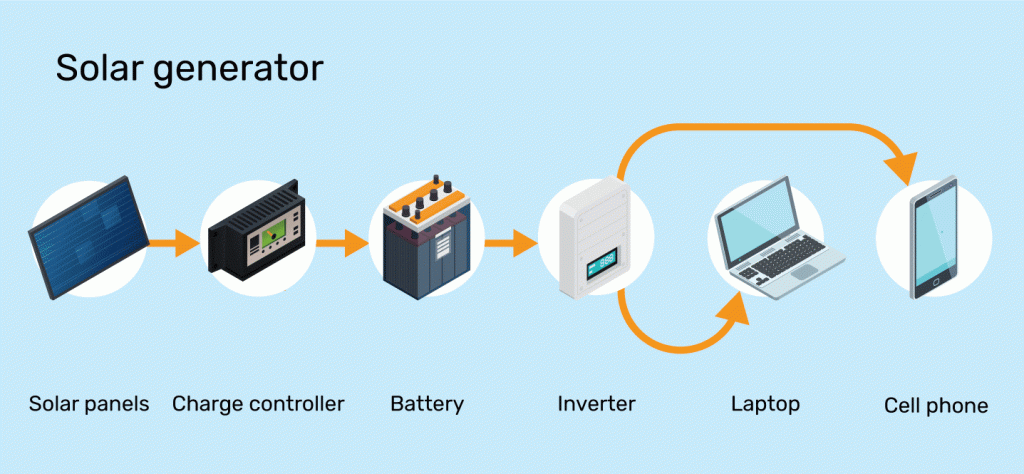
Credit: www.prostarsolar.net
Credit: shop.waaree.com
Frequently Asked Questions
What Are The Benefits Of Solar Generators?
Solar generators offer several advantages. They provide clean, renewable energy, reducing reliance on fossil fuels. They are portable, making them ideal for camping or emergency backup. Additionally, they require low maintenance and can save money on electricity bills over time.
This makes them an excellent investment for eco-conscious users.
Are Solar Generators Worth The Investment?
Yes, solar generators can be worth the investment. They save money on energy costs and reduce your carbon footprint. The initial cost may be high, but they can pay off in the long run. Moreover, they offer energy independence, especially during power outages or in remote locations.
What Are The Downsides Of Solar Generators?
Solar generators have some disadvantages. They typically have limited power output compared to traditional generators. Their efficiency can be affected by weather conditions, particularly cloudy days. Additionally, they can require a significant upfront investment, which may not be feasible for everyone.
How Long Do Solar Generators Last?
Solar generators can last for many years with proper care. Most solar panels have a lifespan of 25 years or more. The batteries, however, may need replacement every 5 to 15 years, depending on usage. Regular maintenance can enhance their longevity and efficiency.
Conclusion
Solar generators have clear benefits and some drawbacks. They offer clean energy and reduce electricity bills. On the downside, they can be costly and may require space. Choosing a solar generator depends on your needs and budget. Weighing the pros and cons helps you decide.
This choice can lead to savings and a smaller carbon footprint. Embrace the benefits while understanding the limitations. A solar generator can be a smart investment for many.