

Have you ever wondered what the word “generator” truly means? This seemingly simple term carries a wealth of significance across various contexts.
Whether you’re curious about its use in technology, language, or even everyday life, understanding the meaning of “generator” can enhance your knowledge and communication skills. You might be surprised by how often this word pops up in your daily conversations.
By the end of this article, you’ll not only grasp the definition but also discover its diverse applications. So, let’s dive in and uncover the layers of meaning behind “generator” together!
Definition Of Generator
The term “generator” can refer to various things depending on the context. At its core, it signifies a device or mechanism that produces something. Understanding its definition helps in grasping its application in different fields.
A generator is a machine that converts mechanical energy into electrical energy. It works on the principle of electromagnetic induction, where a conductor moves through a magnetic field to produce electricity.
Generators can be classified into different types based on their design and purpose:
- Portable Generators:These are small, mobile units ideal for outdoor activities or emergency power.
- Standby Generators:Permanently installed, they provide backup power when the main supply fails.
- Inverter Generators:These produce clean and stable electricity, perfect for sensitive electronics.
Think about a time when your power went out. If you had a generator, you could have kept your lights on and your refrigerator running. It’s not just about convenience; it’s about ensuring safety and comfort during unforeseen circumstances.
In industrial settings, generators play a crucial role in maintaining operations. They ensure that machinery keeps running, preventing costly downtime. Have you ever considered how vital these devices are in keeping businesses afloat?
Generators are not just limited to electricity production. In some contexts, they can refer to software or systems that create data or content. This versatility highlights the importance of understanding what type of generator you are dealing with.
Whether you need power for a camping trip or to keep your home running during an outage, knowing the definition and types of generators can help you make informed decisions. What would you do if you suddenly lost power? Would you be prepared?
Origins Of The Word
The word “generator” has a rich history. It comes from the Latin word “generare.” This means “to produce” or “to create.” The roots of the word show its core meaning. A generator produces energy or power. Understanding its origin helps us see its importance.
Latin Roots
“Generare” is the key Latin root. This word itself comes from “genus.” “Genus” means “kind” or “type.” The connection emphasizes creation and diversity. Generators create various forms of energy. This concept is vital in many fields.
Evolution Of Usage
The term “generator” first appeared in English in the 19th century. It described machines that generate electricity. Over time, its use expanded. It now applies to various devices that produce energy. This includes engines and power systems. The evolution shows the word’s growing relevance.
Modern Context
Today, “generator” refers to many devices. From small portable generators to large power plants. Each has a common goal: producing energy. The meaning remains closely tied to its origins. Generators are essential in daily life. They provide power for homes and businesses.
Types Of Generators
A generator is a machine that converts energy into electricity. There are different types, including portable, standby, and inverter generators. Each type serves specific needs, whether for home backup power or outdoor activities. Understanding these types helps in choosing the right generator for your situation.
Understanding the different types of generators can help you choose the right one for your needs. Generators come in various forms, each designed to serve specific purposes. Let’s break down the main types: mechanical generators, electrical generators, and software-based generators.Mechanical Generators
Mechanical generators convert mechanical energy into electrical energy. They often use moving parts like turbines or engines. – Examples: – Steam turbines that convert steam energy into electricity. – Internal combustion engines found in portable generators. These generators are essential in many industries, providing backup power or driving machinery. Have you ever thought about how critical they are during power outages or natural disasters?Electrical Generators
Electrical generators take various energy sources and convert them directly into electrical energy. They can be powered by wind, water, or fossil fuels. – Types: – Wind Generators: Harness wind energy using blades connected to a rotor. – Hydroelectric Generators: Use flowing water to generate electricity. These generators play a vital role in renewable energy solutions. Imagine how different your life would be if these sources powered your home. What would it mean for you to rely on clean energy?Software-based Generators
Software-based generators create content or data through algorithms and coding. They are increasingly popular in today’s digital world. – Common Uses: – Generating reports from raw data. – Creating random passwords for security. These generators can save time and enhance productivity. Have you ever used a software generator to streamline a task? It can make a significant difference in your workflow.Understanding these types of generators helps you identify what fits your needs best. Whether you require power for your home, business, or digital tasks, knowing the options available allows for informed decisions. What type of generator do you think would be most beneficial for you?
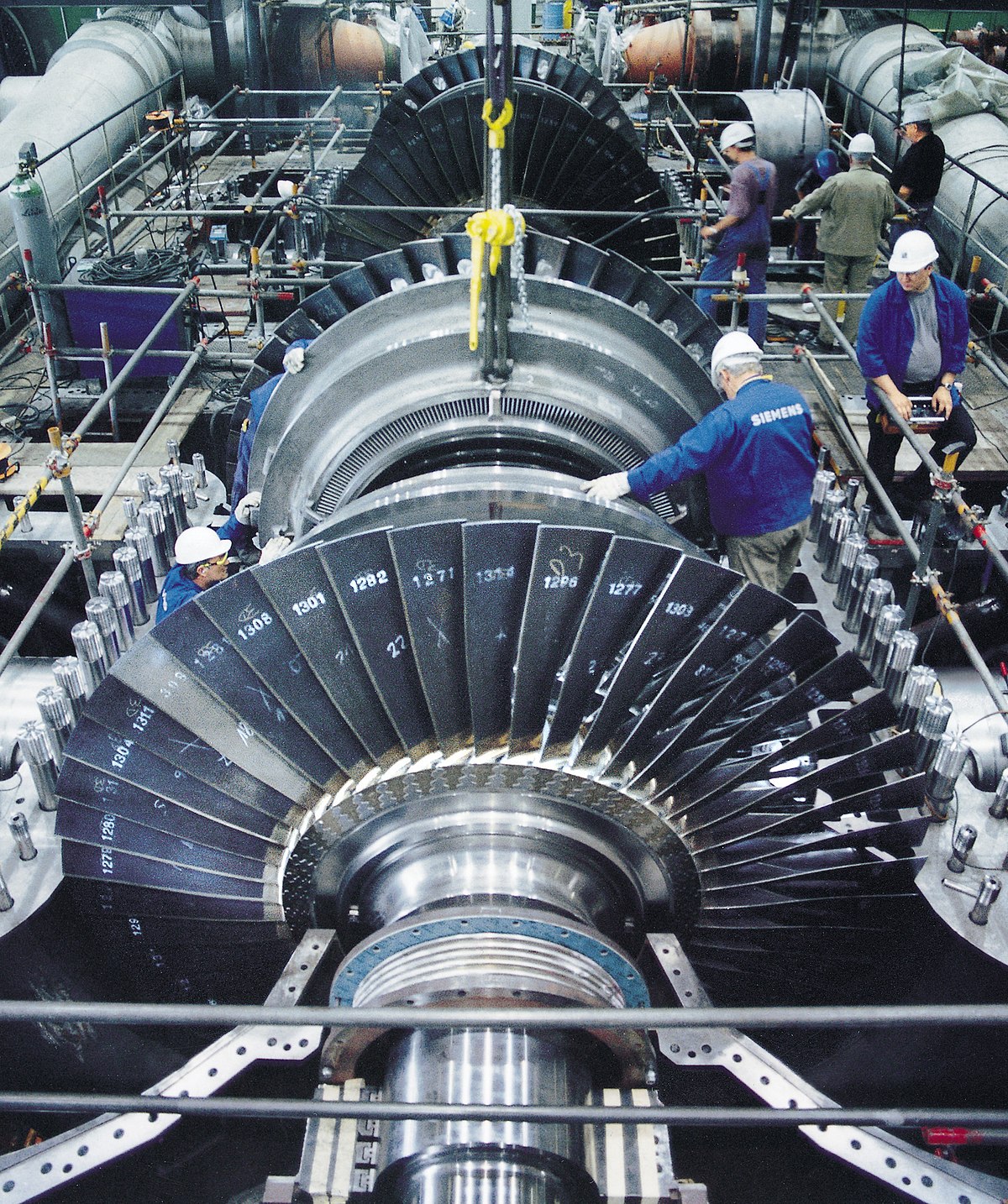
Credit: en.wikipedia.org
Common Uses Of Generators
Generators serve many purposes in our daily lives. They provide power when needed. Understanding their common uses helps us appreciate their importance.
Power Backup
Generators are often used for power backup. They keep homes and businesses running during outages. This is crucial for safety and comfort.
Many people rely on generators during storms or emergencies. They can power essential appliances like refrigerators and lights. This ensures food stays fresh and homes remain safe.
Energy Production
Generators play a role in energy production. They convert different types of fuel into electricity. Many industries use generators to support their operations.
They are important in remote areas. In places without grid access, generators provide necessary power. This supports both homes and businesses in those regions.
Data Simulation
Generators also help in data simulation. Researchers and engineers use them for testing. They create controlled environments for experiments.
This is vital for developing new technologies. Generators provide the power needed for simulations. This helps in understanding complex systems better.
Generator In Everyday Language
The word “generator” has different meanings in daily life. It can refer to a machine or be used in a broader sense. Understanding these uses helps us grasp its impact on our conversations.
Literal Usage
In a literal sense, a generator is a device that produces electricity. People use it during power outages. It provides backup power for homes and businesses. Portable generators are common for camping or outdoor events. These devices convert fuel into electrical energy.
Generators also come in different sizes. Some are small and easy to move. Others are large and stationary. Each type serves specific needs based on power requirements.
Metaphorical Usage
Metaphorically, the term “generator” can describe anything that creates or produces something. For example, a person might be called a “generator of ideas.” This means they are creative and come up with many concepts.
In another context, a company can be a generator of jobs. This shows its role in providing employment. The word captures the essence of creation and contribution in various fields.

Credit: airespo.com
How Generators Impact Society
Generators play a vital role in our daily lives. They provide power when we need it most. From homes to industries, their impact is significant. Understanding how they affect society is important.
Industrial Applications
In industries, generators are essential. They ensure smooth operations. Factories rely on them for constant energy supply. This helps in maintaining production levels.
Construction sites also depend on generators. They power tools and machinery. Without generators, many projects would face delays. This can lead to increased costs and lost time.
Household Relevance
At home, generators are lifesavers. They provide backup power during outages. Families can keep essential appliances running. This includes refrigerators, lights, and heating systems.
Many people use generators for outdoor activities. Camping trips often require portable power. Generators make these experiences comfortable and enjoyable.
Technological Advancements
Generators have evolved over the years. New technologies improve their efficiency. Modern generators are quieter and more fuel-efficient.
Renewable energy generators are gaining popularity. Solar and wind options reduce carbon footprints. These advancements align with global sustainability goals.
Misconceptions About Generators
Generators are often misunderstood. Many people think they only provide power during outages. In reality, a generator can also serve as a backup for many devices. Understanding what a generator means in English helps clear up these common myths.
Misconceptions About Generators Many people have a narrow view of what generators can do. Misunderstandings can lead to missed opportunities for using this versatile equipment. Let’s clear up some common misconceptions.Limited To Electricity
A common belief is that generators only produce electricity. While that’s true, the applications of generators extend beyond just powering your home. Generators can also be used in various settings like construction sites, outdoor events, and remote areas. They provide energy for tools, lights, and even heating systems. Imagine you’re camping in a remote area. A generator can keep your lights on and your devices charged, allowing you to enjoy the outdoors without sacrificing comfort.Only For Emergency Use
Another misconception is that generators are only useful during power outages. While they are essential in emergencies, their utility goes far beyond that. Many people use generators for recreational activities like camping and tailgating. They are also ideal for powering tools at job sites or providing energy for outdoor events. Have you ever hosted a backyard party? A generator can keep the music playing and the lights shining, creating a lively atmosphere. Thinking of generators only as backup solutions limits your creativity. Embrace the idea that they can enhance your lifestyle and experiences. Understanding these misconceptions can help you utilize generators to their fullest potential. Are you ready to rethink how you see generators?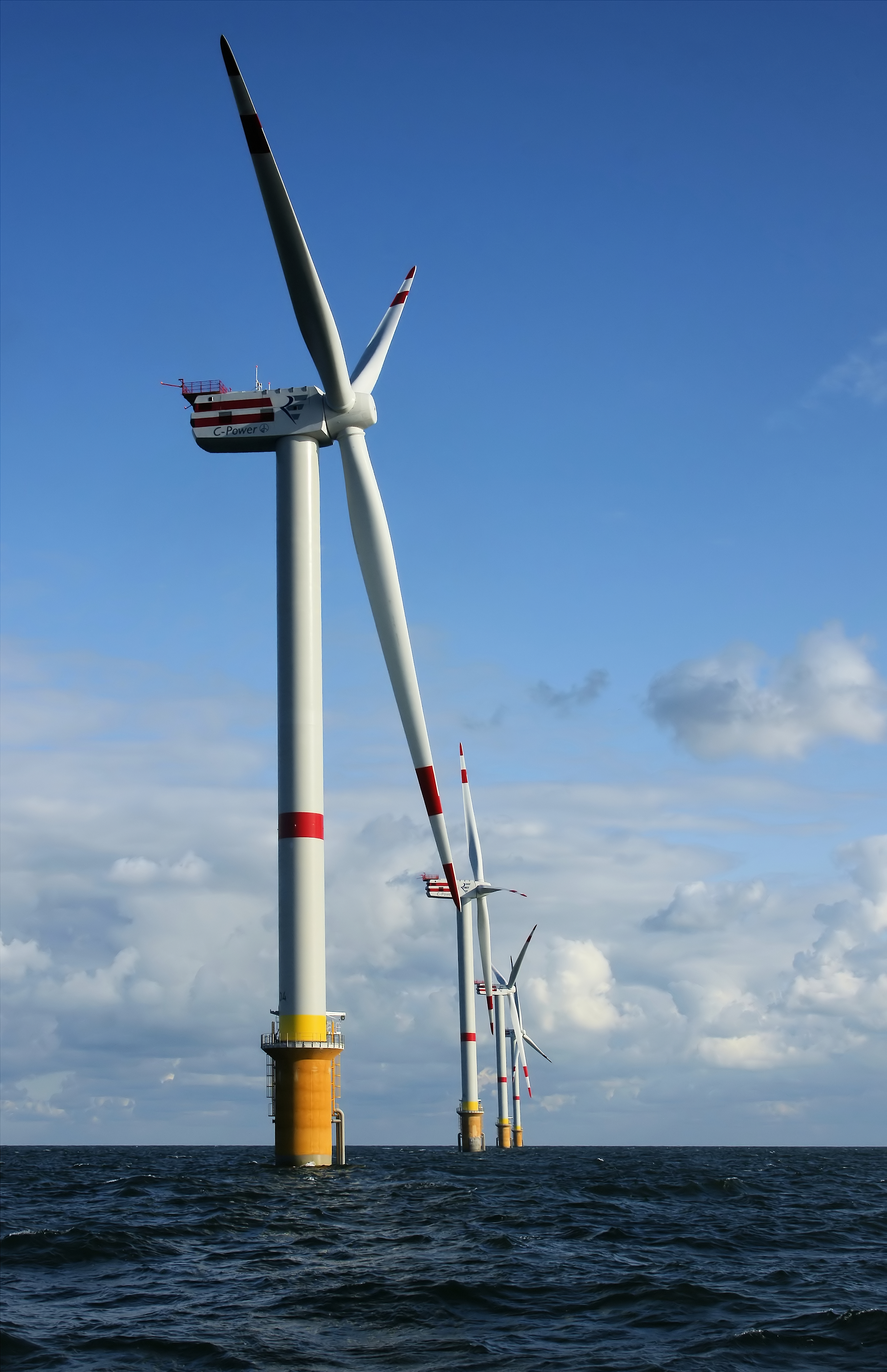
Credit: en.wikipedia.org
Frequently Asked Questions
What Does “generator” Mean In English?
A generator is a device that converts mechanical energy into electrical energy. It typically uses fuel or an external power source to produce electricity. Generators are widely used in various applications, including backup power for homes and industries, as well as in mobile equipment.
How Does A Generator Work?
Generators operate on the principle of electromagnetic induction. When a conductor, such as copper wire, moves through a magnetic field, it generates electrical current. This process involves rotating a coil within a magnetic field or vice versa to produce usable electricity.
What Are The Types Of Generators?
There are several types of generators, including portable, standby, and inverter generators. Portable generators are easy to transport and ideal for small tasks. Standby generators automatically provide backup power during outages, while inverter generators produce cleaner electricity for sensitive devices.
Where Are Generators Commonly Used?
Generators are commonly used in residential, commercial, and industrial settings. They provide backup power during outages, support construction sites, and serve as power sources for events. Additionally, they are essential for remote locations lacking a reliable electricity supply.
Conclusion
Understanding the meaning of “generator” is important. It refers to a device that creates energy. Generators have many uses, from powering homes to running tools. Knowing this helps in everyday conversations and tasks. The term can also apply to ideas or creative works.
This shows how language evolves. Remember, context matters. Use “generator” in the right way to avoid confusion. Learning these definitions enriches your vocabulary. Keep exploring new words to strengthen your English skills. This journey makes communication easier and more enjoyable.