

Have you ever wondered what a generator really means in the world of science? Understanding this concept can unlock a deeper appreciation for how energy is transformed and used in our everyday lives.
Generators play a crucial role in powering our homes, devices, and even entire cities. But what exactly do they do, and how do they work? We will break down the meaning of a generator in simple terms, explore its different types, and discuss its significance in various fields.
By the end, you’ll have a clearer picture of this essential scientific tool and how it impacts your life. Let’s dive in!
Credit: www.livescience.com
Generators And Their Role
Generators play a crucial role in our daily lives, powering everything from household appliances to large industrial machines. Understanding what a generator does can help you appreciate its significance in both simple and complex systems. Let’s break down the different aspects of generators and their contributions.
What Is A Generator?
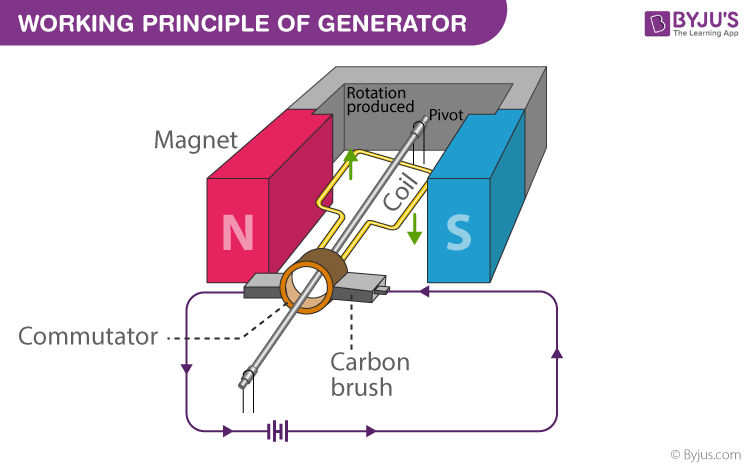
A generator is a device that converts mechanical energy into electrical energy. It works based on the principle of electromagnetic induction, where a conductor moves through a magnetic field to produce electricity. This process is essential for various applications, from small portable units to massive power plants.
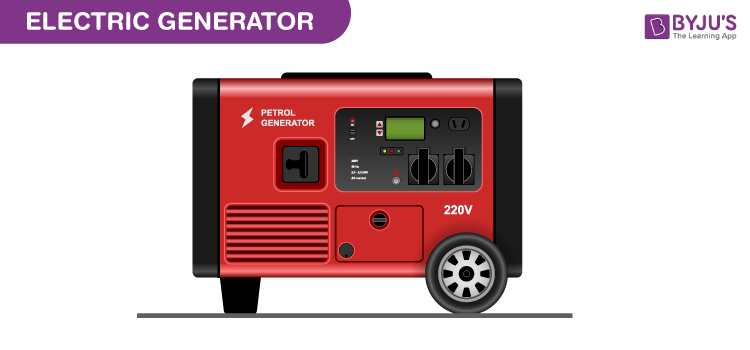
- Portable Generators:Ideal for outdoor activities like camping or emergency power needs.
- Standby Generators:Automatically provide power during outages, ensuring your home stays operational.
- Industrial Generators:Used in factories and large businesses to support heavy machinery.
How Generators Work
Generators operate by utilizing fuel sources such as gasoline, diesel, or natural gas. The fuel powers an engine that spins a rotor within a magnetic field. This movement induces an electric current in the coils, producing usable electricity.
The Importance Of Generators In Daily Life
Think about the last time your power went out. A generator can provide backup electricity, keeping your lights on and devices charged. This is especially vital for individuals who rely on medical equipment that requires constant power.
Generators In Renewable Energy
Generators also play a role in renewable energy systems. Wind turbines and hydroelectric plants use generators to convert natural energy sources into electricity. By harnessing wind or water flow, these systems contribute to a more sustainable future.
Challenges And Considerations
While generators are beneficial, they come with challenges. Noise and emissions are common concerns, particularly in residential areas. Regular maintenance is necessary to ensure their efficiency and longevity.
Understanding generators can empower you to make informed decisions about energy use and backup power options. With various types available, there’s likely a generator that meets your specific needs. Have you thought about how a generator could benefit your home or business?
Credit: byjus.com
Core Principles Of Generators
Generators are devices that convert mechanical energy into electrical energy. They work by moving a conductor through a magnetic field. Understanding generators helps explain how electricity is produced and used in our daily lives.
Generators play a crucial role in converting mechanical energy into electrical energy. Understanding the core principles of generators can deepen your appreciation for this essential technology. Let’s break down the key concepts that make generators work.Electromagnetic Induction
Electromagnetic induction is the foundation of how generators operate. This principle states that a changing magnetic field can produce an electric current. You might have experienced this firsthand if you’ve ever used a hand-crank flashlight. As you turn the crank, the motion creates a magnetic field that generates electricity to power the light. This process relies on two key components: a conductor, usually copper wire, and a magnetic field. When the conductor moves through the magnetic field, electrons in the wire begin to move, creating an electric current. Isn’t it fascinating how a simple motion can create power?Energy Conversion
Energy conversion is another core principle of generators. Generators take one form of energy and convert it into another. In most cases, mechanical energy from sources like wind, water, or fossil fuels is transformed into electrical energy. For example, wind turbines harness kinetic energy from the wind. As the blades spin, they drive a generator that converts that kinetic energy into electricity. Think about the appliances in your home. Each one relies on this energy conversion process to function. Understanding these principles not only enhances your knowledge but also opens your eyes to the importance of generators in everyday life. What other machines do you think rely on similar principles to operate effectively?Types Of Generators
Generators are devices that convert mechanical energy into electrical energy. They come in various types, including portable, inverter, and standby generators. Each type serves different purposes, from powering tools to providing backup electricity for homes. Understanding these types helps in choosing the right generator for specific needs.
Generators play a crucial role in converting different forms of energy into electrical energy. Understanding the various types of generators can help you grasp their significance in both everyday life and advanced scientific applications. Below, we will discuss the two main types of generators: AC generators and DC generators.Ac Generators
AC generators, also known as alternators, produce alternating current. This means the direction of the current reverses periodically. Most power plants use AC generators because they are efficient for long-distance transmission. You might have encountered AC generators if you’ve ever experienced a power outage. Portable generators often use this technology to provide backup power to your home. The key components of an AC generator include the rotor and stator. The rotor spins inside the stator, creating a magnetic field that induces current in the coils of wire. Here are some benefits of AC generators: – Higher Efficiency: They are more efficient for large-scale energy production. – Easy Voltage Transformation: AC can be easily transformed to different voltage levels, making it versatile. – Less Maintenance: They typically require less maintenance compared to DC generators. Have you ever thought about how your appliances use AC power? Understanding this can help you appreciate the technology that keeps your home running smoothly.Dc Generators
DC generators produce direct current, which flows in one direction. They are often used in applications where stable voltage is required, such as in battery charging or powering electronic devices. You may have noticed that many small devices use batteries. Those batteries rely on DC generators for their power. DC generators can be classified into two types: separately excited and self-excited. Separately excited generators have an external power source for the field winding, while self-excited generators use some of the output to energize the field winding. Some advantages of DC generators include: – Constant Voltage Supply: They provide a steady voltage, crucial for sensitive electronics. – Simple Design: Their design is often simpler, making them easier to operate in specific applications. – Lower Cost: They can be more affordable for small-scale use. Have you ever experienced a flickering light when turning on a device? This often happens when the power supply is unstable, showcasing the importance of DC generators in maintaining consistent energy flow. Understanding the types of generators empowers you to make informed decisions about energy use in your daily life. Whether you’re considering a portable generator for emergencies or exploring options for renewable energy, knowing the difference between AC and DC generators is essential.Components Of A Generator
A generator converts mechanical energy into electrical energy. It has several key parts that work together. Each component plays a vital role in the generation process. Understanding these parts helps in grasping how generators function.
Rotor And Stator
The rotor and stator are essential components. The rotor is the rotating part. It spins within the generator. The motion creates a magnetic field. This field interacts with the stator. The stator is the stationary part. It surrounds the rotor and contains coils of wire.
The interaction between the rotor and stator generates electricity. This is done through electromagnetic induction. The rotor’s movement induces a current in the stator coils.
Armature
The armature is another important component. It is the part of the generator that carries the electric current. In many designs, the armature is part of the stator. It consists of coils of wire. These coils capture the electrical energy produced.
The armature’s role is crucial. It transforms the magnetic energy into usable electrical energy.
Commutator
The commutator is a key part in some generators. It converts alternating current (AC) to direct current (DC). This is important for many applications. The commutator helps maintain a steady flow of electricity.
It works by reversing the current direction. This keeps the output consistent. The commutator is vital for reliable power supply.
Applications In Science And Technology
Generators play a vital role in many fields. They convert energy into electrical power. This process supports various applications in science and technology. Understanding these uses helps us appreciate their importance.
Power Generation
Generators are essential for power generation. They provide electricity for homes, industries, and businesses. Different types of generators exist. Some run on fossil fuels, while others use renewable sources.
Wind turbines and solar panels often include generators. They help convert natural energy into usable power. This is crucial for sustainable development.
Backup Systems
Generators serve as backup systems during power outages. They ensure that critical services remain operational. Hospitals, schools, and data centers rely on backup generators.
These systems provide immediate power when the main source fails. This helps prevent data loss and keeps essential equipment running.
Environmental Impact
Generators convert mechanical energy into electrical energy. They play a crucial role in powering homes and industries. Understanding their impact helps us appreciate their importance in our daily lives and the environment.
The environmental impact of generators is a critical topic today. As we strive for a sustainable future, understanding how generators affect our planet becomes essential. You may be surprised to learn that not all generators are created equal, and their influence on the environment varies significantly based on their energy sources.Renewable Energy Sources
Generators powered by renewable energy sources play a vital role in reducing our ecological footprint. Solar, wind, and hydroelectric generators harness nature’s energy, producing electricity without depleting resources. – Solar Generators: They capture sunlight and convert it into electricity. This is a clean process that emits no harmful pollutants. – Wind Generators: Wind turbines transform the kinetic energy of wind into electrical power. They require minimal land and generate energy without greenhouse gas emissions. – Hydroelectric Generators: These use flowing water to create energy. While they can affect local ecosystems, their overall carbon footprint is low compared to fossil fuels. Switching to these renewable sources not only lowers your energy bills but also contributes to a healthier planet. Have you considered how your energy choices impact the environment?Reducing Carbon Emissions
Generators powered by fossil fuels release significant amounts of carbon dioxide and other pollutants. This contributes to climate change and air quality issues. – Diesel and Gas Generators: These are commonly used for backup power. However, they produce harmful emissions that can affect your health and the environment. – Transitioning to Clean Energy: By using renewable generators, you can dramatically reduce your carbon footprint. Consider this: every hour you use a renewable generator instead of a fossil fuel one makes a difference. You’re not just saving money; you’re actively participating in the fight against climate change. Your choices matter. By understanding the environmental impact of different generators, you can make informed decisions that benefit both your wallet and the planet. What steps will you take to embrace cleaner energy solutions?Future Innovations
The future of generators holds exciting possibilities. Advances in technology will shape how we produce and use energy. Innovations will lead to smarter and cleaner solutions. These changes can help the environment and improve efficiency.
Smart Generators
Smart generators are the next big thing. They use sensors and software to monitor performance. This helps in predicting maintenance needs. Smart features can optimize fuel use and reduce waste. Users can control them through mobile apps. This adds convenience and efficiency to energy management.
Sustainable Solutions
Sustainability is key in future generator designs. New materials and methods will reduce emissions. Solar and wind energy can power generators more often. Hybrid systems will combine different energy sources. This will help lessen our reliance on fossil fuels. Eco-friendly generators will support a greener planet.
Credit: byjus.com
Frequently Asked Questions
What Is A Generator In Scientific Terms?
A generator in science refers to a device that converts mechanical energy into electrical energy. It operates on the principle of electromagnetic induction. Generators are essential in various applications, from power plants to portable devices. They enable the generation of electricity for homes and industries alike.
How Do Generators Work In Physics?
Generators work by rotating a coil within a magnetic field. This movement induces an electric current in the coil. The interaction between the magnetic field and the electric conductor produces electricity. Understanding this process is crucial in fields like electromagnetism and electrical engineering.
What Are The Main Types Of Generators?
The main types of generators include AC (alternating current) and DC (direct current) generators. AC generators produce current that reverses direction periodically. In contrast, DC generators provide a constant current flow. Each type has specific applications in various industries and technologies.
Why Are Generators Important For Energy Production?
Generators are vital for energy production because they convert mechanical energy into electrical energy. This conversion is essential for powering homes, businesses, and transportation. Without generators, modern society would struggle to meet its energy demands. They play a crucial role in ensuring a stable power supply.
Conclusion
Generators play a key role in science. They convert energy from one form to another. Understanding how generators work helps us appreciate their importance. From powering homes to fueling industries, they are vital. Learning about generators opens doors to many scientific fields.
This knowledge can spark curiosity and inspire future innovations. Embracing the concept of generators enriches our understanding of energy. Simple yet powerful, they shape our daily lives. Exploring their meaning invites us to dive deeper into science.