
Have you ever wondered if an ozone generator could pose a fire risk in your home? You’re not alone in your concern.
Ozone generators are popular for their ability to purify the air and eliminate odors, but many people are unaware of the potential dangers they can bring. We will dive deep into the relationship between ozone generators and fire hazards. You’ll learn about how these devices work, the risks involved, and tips to use them safely.
By the end, you’ll have the knowledge to make informed decisions for your home and your safety. Stay with us to uncover the truth behind ozone generators and fire risks. Your safety matters!

Credit: www.extremeairproducts.com
How Ozone Generators Work
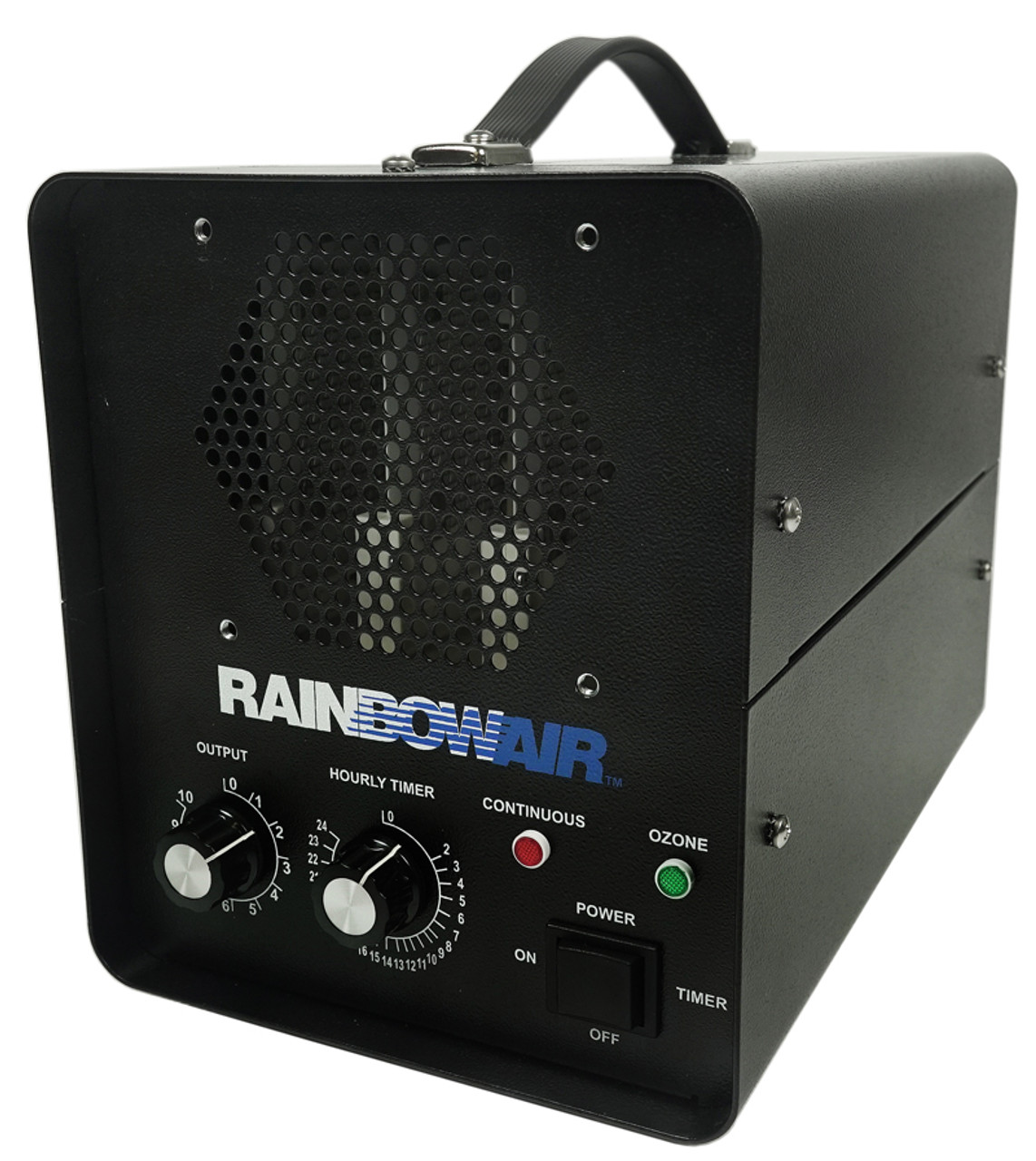
Ozone generators are devices that create ozone gas. Ozone is a form of oxygen. It has three oxygen atoms instead of two. This extra atom makes ozone very reactive. It can break down pollutants and kill bacteria.
Ozone generators use different methods to create ozone. The most common method is corona discharge. This method sends an electric current through the air. The current splits oxygen molecules. This creates ozone. Another method is UV radiation. This method uses ultraviolet light to change oxygen into ozone.
Ozone Production Process
The ozone production process starts with air or oxygen. The generator pulls in this air. Then, it uses electricity or UV light. This creates ozone gas from the oxygen. The generator then releases the ozone into the air.
Ozone’s Reactivity
Ozone is very reactive. It reacts with many substances. It can break down odors, smoke, and mold. This makes it a useful tool for cleaning and purifying air.
Safe Usage Guidelines
Using an ozone generator requires caution. High levels of ozone can be harmful. Always follow the manufacturer’s instructions. Do not use ozone generators in occupied spaces. Proper ventilation is key to safe use.
Credit: ozoneexperts.com
Fire Risks Linked To Ozone Generators
Ozone generators are often used for air purification. They help remove odors and kill bacteria. However, they can also pose fire risks. Understanding these dangers is essential for safe use.
Electrical Malfunctions
Ozone generators rely on electricity to function. Faulty wiring can lead to sparks. These sparks can ignite nearby materials. Always check the electrical connections. Regular maintenance can prevent these issues.
Overheating Components
Some parts of ozone generators can get very hot. Overheating may occur if the device runs too long. Heat can damage components and cause fires. Ensure proper ventilation during use. Turn off the device when not in use.
Flammable Surroundings
Using an ozone generator near flammable items is risky. Materials like paper, cloth, or chemicals can catch fire. Keep the area clear of such items. Always follow safety guidelines for placement.
Common Mistakes To Avoid
Using an ozone generator can be helpful. Yet, mistakes can lead to danger. Knowing what to avoid is crucial. Here are common errors that can cause fire risks.
Improper Placement
Placement of the ozone generator matters. Avoid putting it near flammable materials. This includes paper, cloth, or chemicals. A small spark can ignite these items. Place the generator in a safe, open area.
Continuous Usage Without Breaks
Running the generator non-stop is risky. It can overheat and cause a fire. Turn it off after a few hours. Let it cool down before using it again.
Using Around Ignition Sources
Keep the generator away from ignition sources. This includes stoves, heaters, and open flames. These can easily catch fire. Always check your surroundings before operating the device.
Safety Tips For Using Ozone Generators
Ozone generators can pose a fire risk if not used correctly. Keep them away from flammable materials. Always follow the manufacturer’s instructions for safe operation. Regularly check for any signs of damage or wear. Stay alert to prevent accidents and ensure a safe environment.
Using ozone generators can effectively eliminate odors and purify the air, but safety is paramount. These devices can pose risks if not used properly, including the potential for fire hazards. Here are some critical safety tips to keep in mind.Choosing Certified Devices
Always opt for ozone generators that are certified by recognized safety organizations. Look for seals from agencies like Underwriters Laboratories (UL) or the Canadian Standards Association (CSA). Certified devices undergo rigorous testing to ensure they meet safety standards. Using non-certified equipment can increase the risk of malfunction, which may lead to dangerous situations, including fires. Check reviews and ratings from other users as well. This can provide insights into the reliability and safety of the device you’re considering.Following Manufacturer Guidelines
Carefully read and adhere to the manufacturer’s instructions. Each ozone generator comes with specific guidelines on usage, maintenance, and safety measures. Ignoring these can lead to improper use and unexpected hazards. Ensure you understand the recommended operating time and the size of the area you’re treating. Overusing the device or using it in an unsuitable space can elevate the risk of fire. Keep the user manual handy and refer back to it whenever you have questions. This simple practice can prevent accidents and ensure the effective operation of your ozone generator.Ensuring Proper Ventilation
Good ventilation is crucial when using ozone generators. Ensure the area is well-aired before, during, and after operation. Open windows and doors to help disperse ozone and reduce buildup. High concentrations of ozone can be harmful and may increase fire risks. I once used an ozone generator in a small, closed space without adequate ventilation. The smell became overwhelming, and it was a wake-up call about the importance of airflow. Always prioritize safety to protect yourself and your property. Are you taking the necessary precautions when using your ozone generator? It’s better to be safe than sorry.Alternatives To Ozone Generators
Ozone generators can pose fire risks due to their high voltage and ozone production. Exploring safer alternatives is wise. Options like air purifiers with HEPA filters or activated carbon can effectively clean the air without the dangers associated with ozone.
Consider these safer choices for better indoor air quality.
When considering alternatives to ozone generators, it’s essential to focus on methods that effectively purify the air without the associated risks. Ozone generators can produce harmful levels of ozone, leading many to seek safer options for maintaining air quality. Here are a few practical alternatives that you can easily integrate into your home or workspace.Air Purifiers With Hepa Filters
Air purifiers equipped with HEPA filters are a reliable choice. These filters can trap 99.97% of particles as small as 0.3 microns, including dust, pollen, and pet dander. Investing in a good air purifier can significantly improve your indoor air quality. Look for models that also have activated carbon filters to remove odors and VOCs. Many users report a noticeable difference in air clarity and overall comfort. Have you ever considered how much cleaner your space could feel with a quality air purifier?Natural Ventilation Methods
Natural ventilation is an often-overlooked solution. Opening windows and doors can create a cross-breeze that helps circulate fresh air throughout your home. Using exhaust fans in kitchens and bathrooms also helps remove stale air and humidity. This method not only improves air quality but also saves on energy costs. Do you regularly allow fresh air to flow through your living spaces?Activated Charcoal Products
Activated charcoal products are another great alternative for air purification. These products absorb odors, toxins, and moisture in the air. You can find activated charcoal bags or filters that are easy to place around your home. They require minimal maintenance and can last for months before needing replacement. Many people appreciate how effective activated charcoal is at neutralizing smells, especially in areas like kitchens and basements. Have you tried using activated charcoal in your home yet? Exploring these alternatives can lead to a healthier living environment without the risks associated with ozone generators. You deserve clean air that you can breathe easy in.
Credit: www.randrmagonline.com
Frequently Asked Questions
Can Ozone Generators Ignite Fires?
Ozone generators can pose a fire risk if not used properly. They produce high levels of ozone, which can react with flammable materials. It’s crucial to keep these generators away from any combustible substances and to follow the manufacturer’s guidelines for safe operation.
Are Ozone Generators Safe To Use Indoors?
Using ozone generators indoors is generally not recommended. High ozone levels can be harmful to human health and can irritate the lungs. It’s essential to ensure proper ventilation and to avoid prolonged exposure to ozone when using these devices.
What Materials Can React With Ozone?
Ozone can react with various materials, including rubber, plastics, and some fabrics. These reactions can weaken or degrade these materials over time. Always check the compatibility of your surroundings and materials before using an ozone generator.
How Can I Prevent Ozone-related Fires?
To prevent fires related to ozone use, maintain proper ventilation and keep flammable items away. Regularly inspect the area for any hazards and ensure that the generator is functioning correctly. Following the manufacturer’s safety recommendations is key to preventing accidents.
Conclusion
Ozone generators can pose fire risks. They produce ozone, which can ignite materials. Always keep these devices away from flammable items. Proper ventilation is crucial while using them. Follow the manufacturer’s instructions carefully. Regular maintenance helps reduce risks. Stay informed about safety guidelines.
Being cautious can protect your home and family. Make smart choices for a safe environment. Understanding these risks ensures safer use of ozone generators. Always prioritize safety to prevent accidents. Stay aware and stay safe.