

Are you looking to get the most out of your generator? Improving its efficiency can save you time and money while ensuring you have reliable power when you need it most.
Whether you use a generator for emergencies, outdoor activities, or daily tasks, enhancing its performance can make a big difference. You’ll discover practical tips and strategies to boost your generator’s efficiency, reduce fuel consumption, and extend its lifespan. Let’s dive in so you can start enjoying better performance and lower costs right away!
Factors Affecting Generator Efficiency
Generator efficiency is crucial for optimizing performance and reducing operational costs. Several factors can impact how effectively your generator runs. Understanding these factors enables you to make informed decisions that enhance efficiency and save you money.
Fuel Quality
The type of fuel you use plays a significant role in generator efficiency. High-quality fuel burns more cleanly and efficiently, leading to better power output. Using low-grade fuel can result in sludge buildup and reduced performance.
Load Management
Operating your generator at the correct load is essential. Running it under or over its rated capacity can lead to inefficiencies. Aim to keep your generator operating within 70-80% of its maximum load for optimal performance.
Maintenance Practices
Regular maintenance is vital for keeping your generator efficient. Neglecting routine checks can lead to wear and tear, resulting in decreased performance. Change the oil, replace filters, and inspect components regularly to ensure everything runs smoothly.
Environmental Conditions
The environment where your generator operates affects its efficiency. High temperatures can cause overheating, while extreme cold can lead to fuel issues. Ensure your generator is placed in a well-ventilated area and protected from harsh weather to maintain optimal performance.
Age Of The Generator
Older generators may not operate as efficiently as newer models. Wear and tear can reduce their ability to convert fuel into power effectively. If your generator is aging, consider evaluating its performance and possibly investing in an upgrade.
Generator Type
The type of generator you choose affects efficiency. Diesel generators often provide better fuel efficiency compared to gasoline models. Assess your needs and select a generator type that aligns with your efficiency goals.
Have you ever noticed how a little adjustment in one of these factors can lead to significant improvements in performance? Understanding what affects your generator’s efficiency can empower you to make changes that yield better results. Taking the time to assess these factors can lead to enhanced power output and reduced costs.
.jpg)
Credit: www.azom.com
Optimizing Fuel Consumption
Improving generator efficiency starts with optimizing fuel consumption. Fuel is a key factor in how well your generator runs. Better fuel management leads to cost savings and less waste. Here are some effective ways to optimize fuel use.
Choosing The Right Fuel Type
Selecting the right fuel type is crucial. Each generator is designed for specific fuels. Diesel, gasoline, and propane have different properties. Understand your generator’s requirements. Using the recommended fuel enhances performance.
Consider the availability and cost of fuel types. Some fuels are more efficient than others. Check local regulations too. This ensures compliance and better fuel choice.
Regular Fuel Quality Checks
Fuel quality affects generator performance. Poor quality fuel can lead to engine problems. Regularly check the fuel for dirt and water. Clean fuel systems prevent blockages and damage.
Store fuel properly to maintain its quality. Use containers that protect against moisture. Inspect stored fuel regularly. This ensures it remains fresh and usable.
Adjusting Load Levels
Load levels impact fuel efficiency. Running a generator at full capacity is best. Underloading can waste fuel. Find the optimal load for your generator.
Monitor usage patterns. Adjust loads based on demand. This helps maintain efficiency and save on fuel costs. A well-managed load keeps your generator running smoothly.
Maintenance Practices For Better Performance
Maintaining your generator is crucial for its efficiency and longevity. Regular maintenance practices ensure that your generator runs smoothly, saving you time and money in the long run. Let’s look at some effective maintenance practices to enhance your generator’s performance.
Scheduled Servicing
Establish a routine for servicing your generator. Regular checks can prevent small issues from becoming major problems.
- Set a schedule based on the manufacturer’s recommendations.
- Document each service visit to track performance over time.
- Consider seasonal servicing, especially before heavy usage periods.
After a recent storm, I realized how crucial it was to have my generator serviced ahead of time. A well-timed service ensured it performed flawlessly when I needed it most. Don’t wait for an emergency to remember your generator needs care.
Inspection Of Key Components
Regularly inspect key components of your generator to catch wear and tear early. Focus on the following parts:
- Fuel system: Check for leaks and clean filters.
- Oil levels: Ensure the oil is clean and filled to the recommended level.
- Battery: Keep terminals clean and test for optimal charge.
One day, I noticed my generator wasn’t starting as quickly as before. A quick inspection revealed a corroded battery terminal. A simple cleaning restored its efficiency, reminding me how crucial these checks can be.
Replacing Worn-out Parts
Don’t ignore the signs of worn-out parts. Replace them promptly to maintain optimal performance.
- Look for unusual noises or vibrations as indicators of wear.
- Follow the manufacturer’s guidelines for replacement intervals.
- Keep spare parts on hand for quick replacements.
Recently, I replaced a worn-out spark plug, and it made a noticeable difference in performance. It’s a simple task that can significantly impact efficiency. Have you considered what parts need replacing in your generator?
Regular maintenance is not just a suggestion; it’s a necessity for keeping your generator running efficiently. Take these practices to heart, and you’ll enjoy a reliable power source for years to come.
Improving Cooling Systems
Cooling systems are vital for generator efficiency. They prevent overheating. A well-functioning cooling system keeps your generator running smoothly.
Improving cooling systems can extend the life of your generator. Simple steps can make a big difference.
Effective Ventilation Setup
Good ventilation is key for cooling. Ensure your generator has enough space around it. This allows air to flow freely.
Install vents to enhance airflow. Consider fans to boost ventilation in tight spaces. Regularly check for blockages in vents and ducts.
Monitoring Coolant Levels
Coolant keeps the engine at a safe temperature. Regularly check coolant levels. Low coolant can lead to overheating.
Refill coolant as needed. Use the correct type recommended by the manufacturer. Keep an eye out for leaks in hoses and connections.
Cleaning Radiators And Fans
Dust and debris can block radiators and fans. Clean these parts regularly. Use compressed air or a soft brush for thorough cleaning.
Ensure that radiators are free from obstructions. A clean radiator improves heat exchange. This helps your generator run cooler and more efficiently.
Upgrading Generator Parts
Upgrading generator parts can boost efficiency significantly. Replacing old filters, spark plugs, and fuel injectors helps the generator run better. Regular maintenance and timely upgrades ensure it operates smoothly, saving fuel and extending its lifespan.
Upgrading generator parts is essential for enhancing efficiency and extending the lifespan of your equipment. By focusing on specific components, you can significantly boost performance and reduce operational costs. Let’s dive into the key areas to consider when upgrading your generator parts.Installing Advanced Controllers
Advanced controllers help manage your generator’s performance more effectively. These systems optimize fuel consumption by adjusting engine speed based on load demands. You might find that your generator runs more smoothly after installing a controller. I remember upgrading mine, and the difference was noticeable in fuel savings and overall output. Consider controllers that offer data logging features. This allows you to track performance trends over time, making it easier to identify potential issues before they become serious.Switching To High-efficiency Alternators
High-efficiency alternators can make a world of difference in your generator’s output. Unlike standard alternators, high-efficiency models convert more mechanical energy into electrical energy. This upgrade can lead to improved power quality and reduced fuel consumption. You could save a significant amount on fuel costs while enjoying better performance. Look for alternators with a higher power factor rating. This ensures that your generator operates closer to its full potential without unnecessary energy loss.Using Better Insulation Materials
Insulation materials play a crucial role in maintaining your generator’s efficiency. Upgrading to better insulation can reduce heat loss and improve overall performance. I once replaced the insulation in my generator, and it not only performed better, but it also ran quieter. This upgrade can also extend the lifespan of your equipment by reducing wear and tear. Consider investing in high-temperature insulation materials. They can withstand the rigors of generator operation, ensuring optimal performance in all conditions. Taking these steps can significantly enhance your generator’s efficiency. Have you thought about which part you might upgrade first?Load Management Strategies
Managing the load on your generator is key to improving efficiency. Proper load management helps your generator run smoothly. It also extends its lifespan. Here are some effective strategies to consider.
Balancing Load Distribution
Evenly distributing the load is important. It prevents wear on your generator. Balance the electrical load among all available circuits. This reduces stress on any single part.
Use a load calculator to determine the right distribution. Knowing the power needs of each appliance helps. This way, you can avoid overloading any specific circuit.
Avoiding Overloading
Overloading can damage your generator. Always know the generator’s capacity. Do not exceed this limit under any circumstances.
Keep an eye on the total wattage of connected devices. If the total approaches the limit, unplug some devices. This helps maintain efficiency and safety.
Using Automatic Transfer Switches
Automatic transfer switches (ATS) can improve load management. They switch the load between the generator and the grid seamlessly. This ensures that your generator only works when necessary.
Using an ATS reduces human error. It also optimizes power use. This makes your generator more efficient and reliable.
Monitoring And Diagnostics
Monitoring and diagnostics play a key role in improving generator efficiency. Regular checks help identify issues early. Timely maintenance ensures optimal performance and reduces fuel waste. Keeping an eye on your generator can lead to better energy output and lower operational costs.
Monitoring and diagnostics play a crucial role in enhancing generator efficiency. By keeping a close eye on your generator’s performance, you can identify potential issues before they escalate. This proactive approach not only saves time and money but also ensures that your generator operates at peak performance.Using Real-time Monitoring Systems
Real-time monitoring systems provide immediate insights into your generator’s functioning. These systems track various parameters, such as fuel consumption, voltage levels, and operating temperature. With this data, you can quickly identify any anomalies. If you notice a spike in fuel usage, for instance, it might signal inefficiencies in your generator’s operation. Consider investing in a system that sends alerts directly to your phone. This way, you can address issues on the spot, minimizing downtime and keeping your operations running smoothly.Analyzing Performance Data
Collecting data is only half the battle; analyzing it is where the real magic happens. Regularly review your performance data to spot trends over time. Look for patterns that may indicate declining efficiency. For example, if your generator consistently operates below optimal levels, it may need servicing or adjustments. Use simple tools like spreadsheets or dedicated software to visualize this data. Graphs can help you track changes, making it easier to make informed decisions about maintenance and operation.Implementing Predictive Maintenance
Predictive maintenance goes beyond traditional maintenance schedules. Instead of waiting for a failure, you address issues based on data insights. For instance, if your analysis shows that certain parts wear out after a specific number of hours, you can schedule maintenance just before that point. This approach reduces unexpected breakdowns and prolongs the life of your generator. Think about your own experiences with maintenance. How often have you faced sudden outages? By adopting predictive maintenance, you can change that narrative, ensuring your generator remains reliable and efficient.Reducing Energy Losses
Improving generator efficiency starts with reducing energy losses. Energy loss can happen in many ways. Identifying these areas helps save fuel and costs. Focus on three main areas: idle time, transmission efficiency, and mechanical friction.
Minimizing Idle Time
Idle time wastes energy. Generators running without load consume fuel. Stop the generator when not in use. Schedule regular maintenance to avoid unnecessary idling. Use automatic controls to shut down during long breaks. This practice conserves energy and reduces costs.
Improving Transmission Efficiency
Transmission losses can decrease overall efficiency. Use high-quality cables and connections. Ensure all components are properly sized. Regularly inspect and replace old or damaged parts. Reduce the distance between the generator and the load. Shorter distances lower energy loss during transmission.
Reducing Mechanical Friction
Friction in moving parts causes energy loss. Regular lubrication keeps parts moving smoothly. Use high-quality lubricants for better performance. Check and replace worn parts to reduce friction. Clean all components to avoid buildup. Keeping everything running smoothly boosts efficiency.
Training And Expertise
Improving generator efficiency requires proper training and expertise. Simple maintenance tasks like regular oil changes and filter replacements can make a big difference. Learning about fuel types and load management also helps in maximizing performance. Knowledge and practice lead to better results and longer-lasting generators.
Training and expertise play a crucial role in improving generator efficiency. Operators who understand the intricacies of the equipment can make informed decisions that enhance performance. Continuous learning ensures that your team is not just knowledgeable but also skilled in best practices, leading to better maintenance and optimal operation.Educating Operators
Educating your operators is essential for maximizing generator efficiency. Training programs should cover everything from basic operation to advanced troubleshooting. You can offer hands-on training sessions that allow operators to familiarize themselves with the generator’s components. This practical experience can boost their confidence and help them respond effectively to issues. Consider implementing a mentorship program where seasoned operators guide newer team members. This kind of environment fosters knowledge sharing and builds a more competent team.Conducting Regular Skill Updates
Regular skill updates keep your operators in the loop with the latest technologies and practices. Schedule periodic training sessions to address new advancements in generator technology. Using online platforms can make this easier. Short, focused webinars or online courses can be a great way to refresh skills without taking too much time away from regular duties. Encourage operators to share what they’ve learned. This not only reinforces their knowledge but also promotes a culture of continuous improvement in your organization.Engaging Certified Technicians
Engaging certified technicians for maintenance can significantly enhance your generator’s performance. These experts possess specialized knowledge that can identify potential issues before they escalate. Set up a routine schedule for certified technicians to inspect your generators. Their insights can help you understand the nuances of your equipment, leading to better operational decisions. Don’t hesitate to ask questions when they perform maintenance. Understanding their recommendations can empower you to take proactive measures, ensuring your generator runs efficiently for years to come.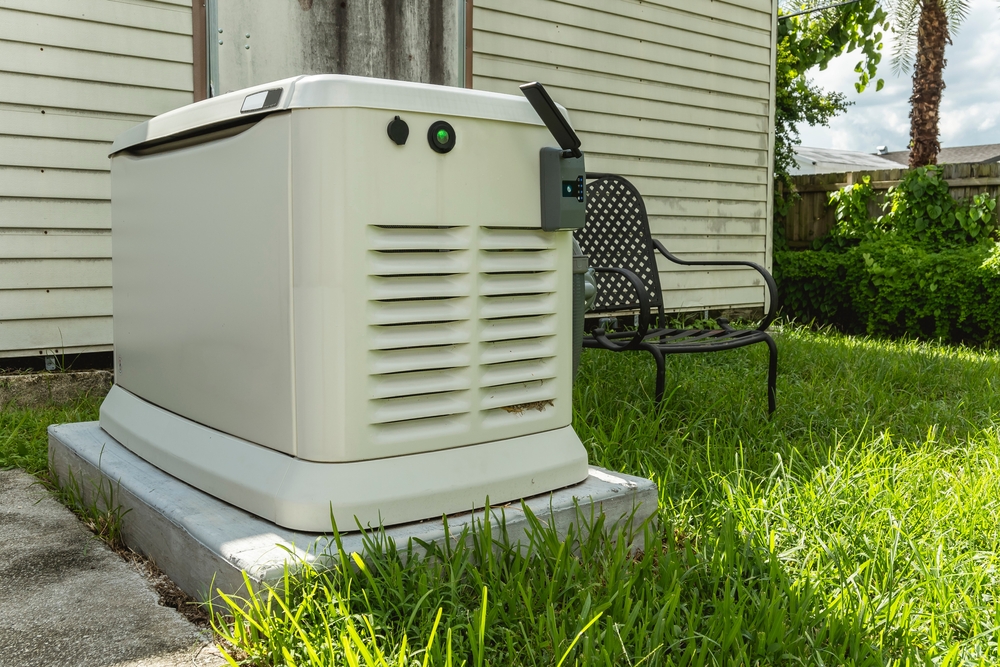
Credit: www.keefes.com
Leveraging Renewable Energy Integration
Leveraging renewable energy integration is a powerful way to enhance generator efficiency. By incorporating sustainable energy sources, you can significantly lower operational costs and reduce your carbon footprint. Let’s look at some practical strategies to achieve this.
Hybrid Systems With Solar Or Wind
Hybrid systems combine traditional generators with renewable energy sources like solar or wind. This setup allows you to utilize the strengths of both systems. During sunny or windy days, you can rely on solar panels or wind turbines, reducing the load on your generator.
Think about your energy needs. If your generator usually runs for long hours, integrating solar can cut down fuel costs and emissions. Many users have reported saving up to 50% on fuel costs by switching to a hybrid system.
Using Battery Storage Solutions
Battery storage plays a vital role in maximizing the benefits of renewable energy. You can store excess energy generated from solar panels or wind turbines for use during peak demand times. This means your generator runs less frequently, improving efficiency.
Consider investing in a quality battery system. It can help you manage energy loads effectively and ensure that you always have power available. Have you thought about how battery storage could change your daily operations?
Reducing Dependency On Fossil Fuels
Transitioning away from fossil fuels is essential for improving generator efficiency. Using renewable energy sources minimizes the need for diesel or gasoline. This shift not only saves money but also contributes to a cleaner environment.
Evaluate your current energy mix. If you rely heavily on fossil fuels, small steps towards renewable sources can lead to significant improvements. Are you ready to embrace a more sustainable energy future?
Integrating renewable energy into your generator setup isn’t just a trend; it’s a smart, practical move. The benefits extend beyond efficiency to financial savings and environmental responsibility. Take action today and see how you can transform your energy approach.
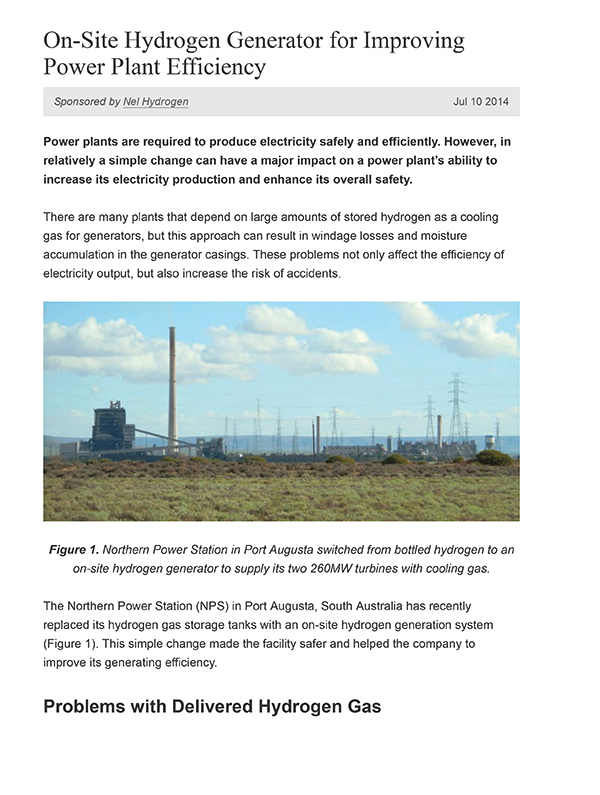
Credit: nelhydrogen.com
Frequently Asked Questions
How Can I Increase My Generator’s Fuel Efficiency?
To enhance your generator’s fuel efficiency, ensure regular maintenance. Clean or replace filters and spark plugs frequently. Use high-quality fuel and avoid overloading the generator. Additionally, running the generator at optimal load conditions can significantly improve its efficiency.
What Are The Best Practices For Generator Maintenance?
Regular maintenance includes checking oil levels, cleaning air filters, and inspecting fuel systems. Schedule routine service checks to catch potential issues early. Keeping your generator clean and stored properly also contributes to its longevity and efficiency. These practices ensure reliable performance and reduce long-term costs.
How Does Load Affect Generator Performance?
The load directly influences generator efficiency and fuel consumption. Operating at optimal load conditions maximizes efficiency. Underloading can lead to carbon buildup, while overloading can strain the engine. Always aim to maintain a balanced load for better performance and longevity of your generator.
What Type Of Fuel Is Best For Generators?
Using high-quality fuel significantly impacts generator performance. Unleaded gasoline is commonly used, but diesel generators are more efficient for heavy loads. Always follow the manufacturer’s recommendations for fuel type. This ensures optimal performance and helps maintain the generator’s efficiency over time.
Conclusion
Improving generator efficiency is essential for saving fuel and money. Regular maintenance helps keep your generator running well. Using the right fuel type can also boost performance. Simple practices, like proper load management, can make a big difference. Small changes lead to better efficiency over time.
Remember, every step counts. Focus on these tips to maximize your generator’s potential. This way, you ensure reliable power when you need it most. Keep your generator in top shape for long-lasting performance.