
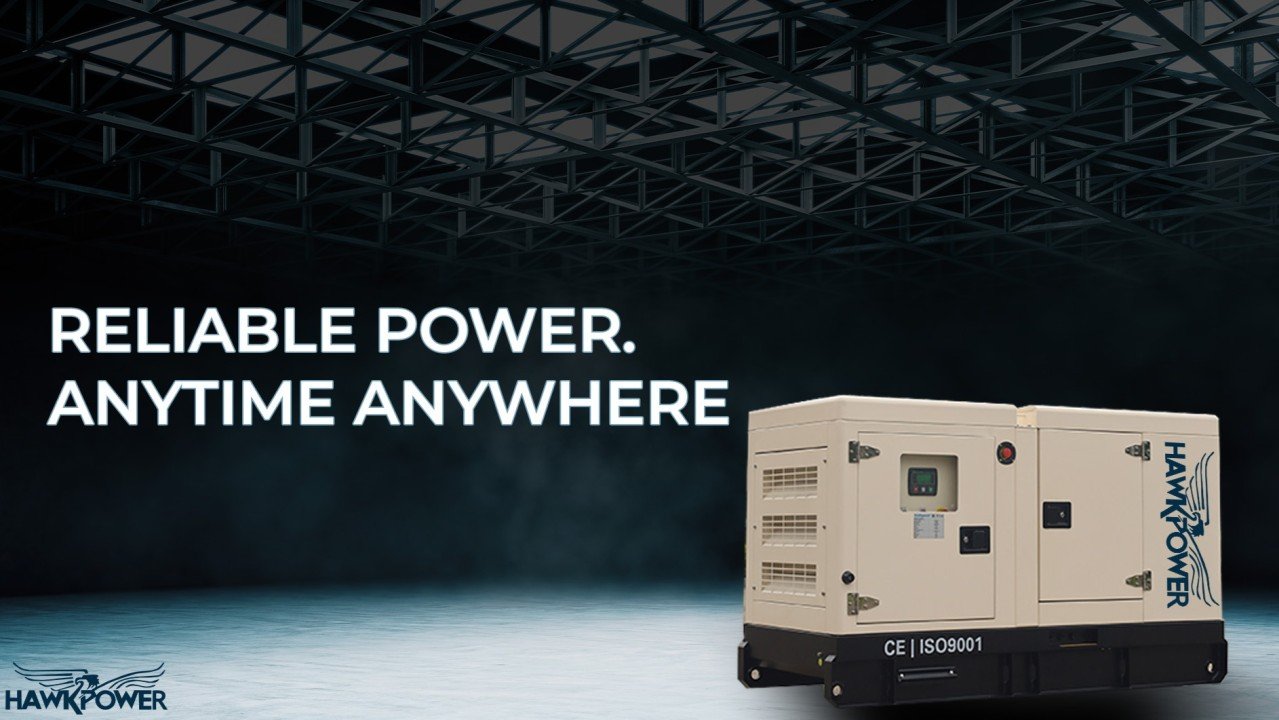
When it comes to your generator, timing is everything. You might wonder how often you should service it to keep it running smoothly and efficiently.
Regular maintenance can extend your generator’s life, prevent costly repairs, and ensure it’s ready when you need it most. Imagine facing a power outage only to find your generator isn’t up to the task. That’s a scenario you want to avoid.
We’ll break down the key factors that determine how often you should service your generator. You’ll gain insights that could save you time, money, and stress. Keep reading to find out how to protect your investment and ensure peace of mind in any situation.
Importance Of Regular Generator Maintenance
Regular maintenance of your generator is essential for its performance. A well-maintained generator runs better and lasts longer. Neglecting maintenance can lead to serious problems. It can even cause your generator to fail when you need it most.
Many people underestimate this importance. They think that if the generator works, it is fine. This is a common mistake. Regular checks and servicing can prevent bigger issues down the line.
Prevents Breakdowns
Regular servicing helps catch problems early. Small issues can become big headaches. Fixing them early saves money and stress. A breakdown during an outage can leave you without power.
Extends Lifespan
Generators are an investment. Proper maintenance can extend their lifespan. A well-cared-for generator can last for years. You get more value from your investment with regular checks.
Ensures Safety
Safety is key when using generators. Regular maintenance ensures they work safely. Faulty generators can cause fires or carbon monoxide leaks. Keeping them in good shape protects your home and family.
Improves Efficiency
A maintained generator works more efficiently. It uses fuel better and produces less waste. This helps reduce overall operating costs. An efficient generator saves you money in the long run.
Maintains Warranty Coverage
Many generators come with warranties. Most require regular maintenance to remain valid. Skipping servicing can void your warranty. This can lead to high repair costs later.
Factors That Affect Service Frequency
Service frequency for your generator depends on several factors. Usage level plays a big role. More hours of use mean more frequent servicing. Environmental conditions, fuel type, and age also affect how often maintenance is needed. Regular checks ensure your generator runs smoothly and lasts longer.
Understanding how often you should service your generator hinges on several key factors. These elements shape your generator’s performance and longevity, ensuring it operates smoothly when you need it most. Let’s break down the primary factors that influence how frequently you should schedule maintenance.Type Of Generator
The type of generator you own plays a significant role in service frequency. – Portable Generators: These typically require less maintenance. A simple oil change and filter replacement every 50 hours of use is often sufficient. – Standby Generators: These need more attention. Regular servicing every 6 months to a year is crucial to ensure readiness during power outages. Consider your generator’s make and model. Each comes with specific guidelines from the manufacturer. Following these recommendations can save you from unexpected failures.Usage Patterns
How often you use your generator directly affects its service needs. – Frequent Use: If you rely on your generator for daily power, you’ll need more frequent checks. Monthly inspections can help catch issues early. – Infrequent Use: If your generator sits idle for long periods, don’t neglect it. Even without usage, components can degrade. A thorough inspection every 6 to 12 months is recommended. Think about your lifestyle. Are you using your generator for recreational purposes, like camping, or is it your backup for home emergencies? Your usage pattern dictates your service schedule.Environmental Conditions
The environment where you operate your generator has a profound impact on its maintenance needs. – Harsh Conditions: If you live in a dusty or humid area, your generator may need more frequent servicing. Dust can clog filters, while humidity can cause corrosion. – Mild Conditions: In a controlled environment, your generator may require less maintenance. Regular checks every 12 months could suffice. Reflect on the conditions around you. Are you in a region prone to extreme weather? Adapting your service frequency to your environment can extend your generator’s life. Your generator is a valuable investment. Regular service based on these factors not only ensures reliability but also enhances performance. How often have you checked your generator lately? Don’t wait for a power outage to find out if it’s ready to perform.Key Maintenance Tasks
Regular maintenance keeps your generator running well. Focus on a few key tasks. These tasks help ensure safety and efficiency. They can also extend your generator’s life.
Oil And Filter Changes
Change the oil every 100 hours of use. Fresh oil keeps the engine clean. It reduces wear and tear. Always replace the oil filter with each change. Dirty filters can harm the generator.
Battery Inspection
Check the battery every month. Look for corrosion on the terminals. Clean any buildup to ensure good contact. Test the battery’s charge level. A weak battery can lead to starting issues.
Fuel System Checks
Inspect the fuel system regularly. Check for leaks or cracks in hoses. Old fuel can cause problems. Replace fuel that has been stored for too long. Clean the fuel filter as needed.
Coolant System Maintenance
Monitor the coolant level often. Low coolant can lead to overheating. Flush the system every two years. This prevents rust and buildup. Always use the right type of coolant for your generator.

Credit: www.instagram.com
Signs Your Generator Needs Immediate Servicing
Your generator is vital for backup power. Regular maintenance is key. Watch for signs that indicate it needs immediate servicing. Ignoring these signs can lead to bigger problems.
Unusual Noises
Listen closely to your generator. It should run quietly. If you hear strange noises, something may be wrong. Grinding, rattling, or popping sounds are warning signs. These noises often mean parts are damaged or loose. Address these issues quickly to prevent further damage.
Starting Issues
Your generator should start easily. If it struggles to start, check it right away. Delayed starting can signal battery problems or fuel issues. Sometimes, it may not start at all. This can indicate deeper mechanical issues. Don’t wait until it fails completely.
Decreased Performance
Notice any drop in power output? This is a red flag. Your generator should provide steady power during outages. If it can’t, something is wrong. It may be a fuel issue or a clogged filter. Address performance drops before they escalate.
Visible Wear Or Leaks
Inspect your generator regularly. Look for visible wear or leaks. Oil or fuel leaks can lead to serious problems. Cracks or rust on the body indicate aging. Don’t ignore these signs. They can compromise your generator’s safety and reliability.
Seasonal Maintenance Tips
Maintaining your generator is crucial for its performance. Seasonal checks help keep it in top shape. Each season brings different challenges. Follow these tips for winter and summer maintenance.
Preparing For Winter
Winter can be tough on generators. Cold temperatures affect their performance. Start by checking the battery. Make sure it is fully charged. Cold weather can drain batteries quickly.
Inspect the oil and replace it if needed. Thick oil can cause issues in winter. Clean the air filter to ensure proper airflow. A clean filter helps the generator run smoothly.
Consider adding a fuel stabilizer. This prevents fuel from breaking down. Check all the connections and cables. Ensure they are tight and free of corrosion.
Summer Maintenance Essentials
Summer heat can also stress your generator. Start by cleaning the unit. Dust and debris can block airflow. This can cause overheating.
Check the coolant levels regularly. Low coolant can lead to engine damage. Inspect the fuel system for leaks. A small leak can become a big problem.
Run the generator for a short time each month. This keeps the parts lubricated. It also helps identify any issues early. Keep an eye on the battery health, too.

Credit: www.facebook.com
Benefits Of Professional Servicing
Regular professional servicing of your generator ensures it runs smoothly and efficiently. This maintenance helps catch issues early, preventing costly repairs. Following a recommended servicing schedule keeps your generator reliable when you need it most.
The benefits of professional servicing for your generator go beyond just routine maintenance. Regular expert care ensures your generator operates smoothly and efficiently when you need it most. Let’s dive into some key advantages that professional servicing brings.Expert Diagnostics
Professional servicing includes thorough diagnostics that can identify potential issues before they escalate. Technicians use specialized tools and knowledge to assess your generator’s health. During my last service, the technician spotted a minor leak that I had overlooked. Had I not gotten professional help, that small issue could have led to a much larger, costly repair. With expert diagnostics, you gain peace of mind. You know your generator is in top shape, ready to perform at any moment.Extending Lifespan
Regular professional servicing can significantly extend the lifespan of your generator. Just like any machine, generators require consistent care to function optimally. Neglecting maintenance can lead to wear and tear that shortens the life of your equipment. A well-maintained generator can last for years, saving you money in the long run. Think about your investment. Wouldn’t you want to protect it? Professional servicing helps you get the most out of your generator.Improved Efficiency
A generator that receives professional servicing operates more efficiently. Technicians clean and adjust components, ensuring everything runs smoothly. This efficiency translates to better fuel consumption, which means lower operational costs for you. After my generator’s last service, I noticed a marked difference in how much fuel it used. It was refreshing to see savings on my energy bill while having the reliability of a well-maintained machine. Isn’t it time to enhance your generator’s performance? Regular professional care can make a significant difference.Diy Maintenance Vs Professional Help
Maintaining your generator is crucial for its longevity and efficiency. You might wonder whether you can tackle the upkeep yourself or if you need to call in a professional. Both DIY maintenance and professional help have their advantages, and understanding when to use each can save you time and money.
Basic Tasks You Can Handle
Many maintenance tasks are straightforward and can be done without professional help. Regularly checking the oil level and changing the oil filter is essential. You can also clean or replace the air filter and spark plugs as needed.
- Check fuel levels and quality.
- Inspect and clean the battery terminals.
- Run the generator monthly to keep it in good working order.
- Test the transfer switch functionality.
These tasks not only extend the life of your generator but also boost your confidence in handling minor issues. Remember, if you’re ever unsure, it’s okay to seek guidance from manuals or online tutorials.
When To Call An Expert
While many tasks are manageable, some issues require professional expertise. If your generator shows signs of irregular performance, such as stalling or strange noises, it’s time to call an expert. Ignoring these signs can lead to larger, more costly problems.
Complex issues like electrical malfunctions or fuel system repairs should not be attempted at home. Professional technicians have the tools and experience to diagnose and fix problems safely.
Consider your own comfort level and knowledge. If you feel overwhelmed or unsure, reaching out to a professional can save you headaches down the line.
Are you ready to tackle your generator’s upkeep, or do you prefer the peace of mind that comes with expert help? The choice is yours.

Credit: www.campgroundviews.com
Recommended Servicing Schedule
Maintaining your generator is essential for its reliability. A proper servicing schedule ensures your generator runs smoothly. Regular checks can prevent costly repairs. Knowing when to service your generator helps keep it in top shape.
Monthly Checks
Monthly checks are crucial for your generator’s health. Start by inspecting the fuel level. Make sure it has enough fuel for operation. Check the oil level too. Low oil can cause serious damage.
Look for any leaks or signs of wear. Clean the air filter to ensure proper airflow. Test the battery to confirm it holds a charge. Doing these checks each month keeps your generator ready.
Annual Servicing
Annual servicing is vital for long-term performance. Schedule a professional inspection once a year. Technicians can identify issues you might miss. They will change the oil and replace filters.
During this service, they check the electrical connections. They ensure everything is secure and functioning. Annual servicing helps extend the life of your generator.
Load Testing Frequency
Load testing is important to assess generator performance. Conduct a load test at least once a year. This test simulates real-world usage. It helps confirm your generator can handle the load.
During the load test, check for any irregularities. Listen for unusual sounds or vibrations. This testing reveals hidden problems before they become serious.
Frequently Asked Questions
How Often Should I Service My Generator?
Regular servicing is crucial for optimal performance. Ideally, you should service your generator every six months or after 100 hours of use, whichever comes first. This maintenance schedule ensures your generator runs efficiently and can prolong its lifespan, helping you avoid costly repairs in the long run.
What Are The Signs My Generator Needs Servicing?
Look for signs like unusual noises, difficulty starting, or inconsistent power output. Additionally, check for leaks or excessive vibration. If you notice any of these indicators, it’s time to schedule a service. Regular maintenance can prevent serious issues and ensure your generator operates smoothly when needed.
Can I Service My Generator Myself?
While some basic maintenance tasks can be done at home, like changing the oil or air filter, it’s best to hire a professional for comprehensive servicing. They have the expertise to identify potential issues and ensure all components are functioning correctly.
This can save you time and money in the long run.
How Much Does Generator Servicing Cost?
The cost of servicing a generator can vary widely based on location and service provider. Typically, you can expect to pay between $100 to $300 for a standard service. This investment is essential for maintaining your generator’s efficiency and preventing costly repairs in the future.
Conclusion
Regular generator service keeps your machine running smoothly. Check it every 6 to 12 months. Follow the manufacturer’s guidelines for the best results. Neglecting service can lead to costly repairs. A well-maintained generator ensures reliability during power outages. Don’t wait for problems to arise.
Schedule your service today. Taking care of your generator is essential for its lifespan. Keep it in good shape to avoid surprises. Stay proactive, and your generator will serve you well for years.