
Are you tired of being left in the dark during a power outage? Or maybe you want to ensure your outdoor adventures go off without a hitch?
Understanding how to charge your generator is essential for keeping your power supply reliable and efficient. You’ll discover simple, step-by-step methods to charge your generator, ensuring it’s ready when you need it most. From choosing the right fuel to maintaining optimal performance, we’ll cover everything you need to know.
Don’t miss out on the essential tips that could save you from frustration and keep your devices running smoothly. Let’s get started!
Understanding Generator Charging
Charging a generator involves connecting it to a power source. Use the right charger for your generator model. Follow the manufacturer’s instructions for safe and effective charging. Regular charging keeps your generator ready for use when needed.
Understanding Generator Charging Charging a generator can seem daunting if you’re new to it. However, grasping the basics can make the process straightforward and efficient. Let’s break down how to effectively charge your generator, ensuring it’s ready for your next power needs.What Is Generator Charging?
Generator charging refers to replenishing the power storage in a generator’s battery. This is essential, especially if you rely on your generator for backup power. A well-charged generator ensures that it starts quickly when needed. Charging can be done through various methods. You can use a standard wall outlet or connect it to a solar panel, depending on your generator type. Knowing your options can help you choose the best method for your situation.When Should You Charge Your Generator?
Timing your generator charge is crucial. Ideally, you should charge your generator after each use. This practice ensures that the battery remains in good condition and is ready when you need it. If you notice that your generator is struggling to start or the lights are dimming, it’s time to charge. Regular checks can save you from unexpected power outages and ensure your generator’s longevity.How To Charge Your Generator
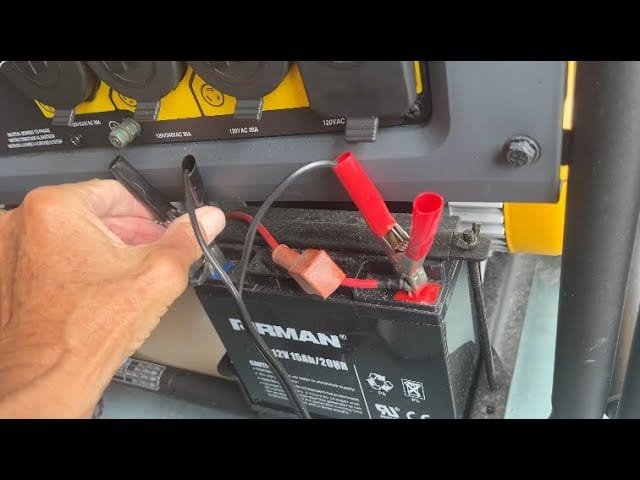
Charging your generator is a simple process. Here’s a step-by-step guide: 1. Locate the Battery: Open the generator cover to access the battery. 2. Check Connections: Ensure that all connections are secure and free from corrosion. 3. Connect the Charger: Plug your charger into a standard outlet and connect the clamps to the battery terminals—red to positive and black to negative. 4. Set Charging Time: Follow the charger’s instructions on how long to charge. It usually takes a few hours. 5. Disconnect: Once charged, unplug the charger and remove the clamps in reverse order. Being aware of common mistakes can save you time and frustration. Here are a few pitfalls to steer clear of: – Overcharging: This can damage the battery. Always follow the manufacturer’s recommendations for charging time. – Neglecting Maintenance: Regularly check battery connections and fluid levels to ensure optimal performance. – Ignoring Safety Precautions: Always wear gloves and safety glasses when handling batteries to protect yourself from acid spills.Benefits Of Proper Charging
Charging your generator properly has numerous advantages: – Extended Battery Life: Regular charging and maintenance can significantly increase your battery’s lifespan. – Reliable Power Source: A well-charged generator ensures you have power when you need it most, giving you peace of mind. – Cost Efficiency: Avoid costly repairs by maintaining your generator’s battery health. Are you ready to ensure your generator is always prepared for use? By understanding the charging process and maintaining your generator, you can enjoy uninterrupted power whenever you need it.Types Of Generators
Generators come in different types. Each type serves unique needs. Understanding these types helps you choose the right one.
Portable Generators
Portable generators are easy to move. They are great for outdoor events or job sites. You can use them for camping or tailgating.
These generators run on gasoline or propane. They provide power for tools, lights, and small appliances. Most have a power output between 1,000 to 10,000 watts.
Standby Generators
Standby generators are fixed installations. They automatically turn on during a power outage. These generators run on natural gas or propane.
They provide seamless power to your home. They can power essential systems like heating and cooling. Standby generators are more powerful than portable options.
Inverter Generators
Inverter generators are quiet and efficient. They produce clean energy, safe for sensitive electronics. These generators adjust power output based on demand.
They are lightweight and easy to transport. Ideal for camping or RVs, they can also be used at home. Their fuel efficiency makes them popular among users.
Essential Tools And Equipment
Charging a generator is simple with the right tools. Start with a charger designed for your generator’s battery. Connect the charger, ensuring proper polarity. Follow the manufacturer’s instructions for safe and effective charging. Regular maintenance keeps your generator ready when you need it most.
Charging your generator requires specific tools and equipment to ensure efficiency and safety. Having the right items on hand makes the process straightforward. Here’s a look at the essential tools you’ll need to charge your generator effectively.Charging Cables
Charging cables are vital for connecting your generator to a power source. Look for cables that are heavy-duty and rated for the voltage of your generator. – Length matters: Ensure the cables are long enough to reach your power source without straining. – Connector types: Use connectors that fit snugly to prevent accidental disconnections. I once tried using a set of old cables, and they caused a frustrating delay. Investing in high-quality cables saved me time and hassle later on.Voltage Regulators
A voltage regulator maintains a consistent output voltage from your generator. This tool prevents damage to your appliances and ensures they operate smoothly. – Compatibility: Check that the regulator matches your generator’s specifications. – Digital vs. analog: Digital regulators often provide more precise control, which can be crucial for sensitive electronics. I learned the hard way that using an incompatible regulator can lead to power surges. Take the time to choose the right one.Battery Chargers
Battery chargers are essential for keeping your generator’s battery in top condition. Regular charging can prolong the life of the battery and improve performance. – Smart chargers: These automatically adjust the charge rate based on the battery’s needs. – Portability: A lightweight, compact charger is easier to store and transport. I’ve found that a reliable battery charger has been a game-changer for my generator maintenance. It’s a small investment that pays off in reliability. Having these essential tools on hand will streamline the charging process for your generator. Each piece plays a critical role in ensuring your generator runs efficiently when you need it most. Are you ready to gather your tools and charge your generator with confidence?
Credit: www.youtube.com
Preparing For Charging
Charging a generator requires careful steps. Proper preparation ensures safety and efficiency. Follow these guidelines to get ready for charging.
Inspecting The Generator
Start by checking the generator’s exterior. Look for any signs of damage. Cracks or rust can indicate problems.
Inspect the fuel tank for leaks. Ensure it is filled with the correct fuel type. Check all cables for wear or fraying.
Ensuring Proper Ventilation
Good airflow is essential during charging. Position the generator in a well-ventilated area. Avoid enclosed spaces to prevent gas buildup.
Keep the area clear of flammable materials. Ensure no obstacles block air vents. Proper ventilation helps the generator function safely.
Checking The Battery Condition
Examine the battery before charging. Look for corrosion around the terminals. Clean any buildup using a mixture of baking soda and water.
Check the fluid level in the battery. Add distilled water if it is low. A healthy battery is crucial for effective charging.
Step-by-step Charging Process
Charging a generator properly is important for its performance. Follow this step-by-step charging process. It helps ensure your generator runs smoothly. Each step is simple and easy to follow.
Connecting The Cables
Start by gathering your charging cables. Make sure they are in good condition. Find the positive and negative terminals on your generator. Connect the positive cable to the positive terminal. Then, connect the negative cable to the negative terminal. Ensure the connections are tight. This keeps the flow of electricity strong.
Starting The Generator
Once the cables are connected, turn on the generator. Most generators have a start switch. Flip the switch to start charging. Listen for the sound of the engine. It should run smoothly. If it does not start, check the connections again. Make sure they are secure.
Monitoring Voltage Levels
Keep an eye on the voltage levels during charging. Use a multimeter for accurate readings. A good voltage level is crucial for proper charging. Watch for any fluctuations. If the levels drop too low, stop the process. Disconnect the cables safely. Check for issues before trying again.

Credit: vtoman.com
Tips To Enhance Charging Efficiency
Charging a generator efficiently is important for its performance. Better charging means longer use and less downtime. Here are some tips to enhance charging efficiency.
Choosing The Right Charging Method
Select a charging method that fits your generator type. Some generators have built-in chargers. Others need external chargers. Always read the user manual for guidance.
Consider using smart chargers. They adjust the charging speed based on the battery condition. This helps prevent overcharging and damage.
Maintaining Optimal Load
Keep the generator at an optimal load during charging. A generator works best when it is not overloaded. This improves fuel efficiency and reduces wear.
Avoid running devices that draw too much power. Use only necessary appliances. This helps the generator charge faster and stay efficient.
Regular Maintenance Practices
Regular maintenance is key for charging efficiency. Check the battery regularly for corrosion. Clean terminals and ensure connections are tight.
Inspect fuel levels and oil regularly. Replace filters as needed. These practices keep the generator in good shape and improve charging.
Common Mistakes To Avoid
Charging a generator seems simple. Many people make mistakes. These errors can damage the battery or create safety issues. Here are some common mistakes to avoid.
Overcharging The Battery
Overcharging can harm the battery. It causes heat buildup. This heat can damage the battery cells. Always check the charging time. Follow the manufacturer’s guidelines. Use a charger with an automatic shut-off feature. This will prevent overcharging.
Using Incorrect Cables
Using the wrong cables can lead to problems. Cables that are too thin can overheat. This increases the risk of fire. Always use cables that match the generator’s specifications. Check for any signs of wear or damage. Replace old cables immediately.
Ignoring Safety Precautions
Safety should always come first. Avoid charging in wet areas. Water and electricity do not mix. Wear protective gear like gloves and goggles. Keep flammable materials away from the charging area. Always have a fire extinguisher nearby. Be aware of your surroundings.
Safety Measures During Charging
Charging a generator requires attention to safety. Always use the correct charger for your generator model. Avoid charging in wet areas to prevent electric shock. Keep the battery and terminals clean for better performance. Regular checks can help prevent accidents during the charging process.
Charging a generator safely is crucial for ensuring both your safety and the longevity of your equipment. Neglecting safety measures can lead to accidents, equipment damage, or even serious injuries. Understanding how to handle electrical components, avoid overheating, and use protective gear will make the charging process smoother and safer.Handling Electrical Components
Always start by checking the generator’s manual for specific charging instructions. Make sure you are familiar with the electrical components involved. Disconnect the generator from the power source before you begin charging. This prevents any accidental shocks. When connecting cables, be mindful of the positive and negative terminals. Connecting them incorrectly can cause sparks or damage the generator. Take your time and verify your connections. A moment of caution can save you from unnecessary risks.Avoiding Overheating Risks
Overheating is a common issue when charging generators. To reduce this risk, ensure the generator is placed in a well-ventilated area. Poor airflow can lead to heat buildup, which may damage internal components. Monitor the charging process regularly. If you notice the generator getting excessively hot, stop charging immediately. Allow it to cool down before proceeding. You want your generator to last, and overheating can shorten its lifespan.Using Protective Gear
Wearing the right protective gear can make a significant difference. Use insulated gloves while handling electrical components. This simple step can protect you from shocks. Safety goggles are also a wise choice. They shield your eyes from accidental sparks or debris. Consider wearing a long-sleeved shirt and sturdy shoes. You never know when an accident might occur, and being prepared is key. Have you ever faced an unexpected mishap while charging? Reflecting on these experiences can help you appreciate the importance of safety measures.Troubleshooting Charging Issues
Charging a generator can sometimes be tricky. Issues can arise that affect the charging process. Understanding these problems helps you find solutions quickly. Let’s look at some common charging issues and how to fix them.
Dealing With Slow Charging
Slow charging can frustrate users. It often happens due to several reasons.
First, check the power source. A weak outlet can cause slow charging. Make sure the outlet works well.
Next, inspect the charging cable. A damaged or worn cable can slow down the process. Replace it if necessary.
Lastly, consider the generator’s settings. Some models have power-saving modes. These modes can slow charging times.
Fixing Connection Problems
Connection problems can stop the charging process. Start by checking all connections. Loose or corroded connections can cause issues.
Ensure the battery terminals are clean. Dirt and corrosion can block the flow of electricity. A simple cleaning can solve this problem.
Make sure all cables are tight. Loose cables can prevent the generator from charging correctly.
Addressing Battery Failures
A failing battery can hinder charging. Check the battery’s age. Old batteries may lose their ability to hold a charge.
Test the battery with a multimeter. This tool helps determine its voltage. Low voltage signals a problem.
Replace the battery if needed. Using a new battery can improve charging performance.

Credit: theboatgalley.com
Frequently Asked Questions
How Do I Charge My Generator Battery?
To charge your generator battery, locate the charging port. Connect a compatible charger and ensure it’s set to the correct voltage. Turn on the charger and monitor the charging process. It typically takes several hours to fully charge. Regularly check the battery’s condition to ensure optimal performance.
Can I Use Solar Panels To Charge A Generator?
Yes, you can use solar panels to charge a generator. Connect the solar panels to the generator’s battery using a suitable charge controller. Ensure the solar panel output matches the battery’s voltage requirements. This eco-friendly method provides a sustainable energy source, especially during prolonged use or emergencies.
How Long Does It Take To Charge A Generator?
Charging a generator can take anywhere from a few hours to overnight. The charging time depends on the battery size and the charger’s output. Smaller batteries charge faster, while larger ones may require more time. Always refer to your generator’s manual for specific charging times and recommendations.
What Type Of Charger Is Best For My Generator?
The best charger for your generator is a smart or automatic charger. These chargers adjust the charging rate based on battery needs. They prevent overcharging and extend battery life. Always check the voltage compatibility before purchasing a charger for your generator.
Conclusion
Charging a generator is simple with the right steps. Always follow safety tips. Check your fuel level before starting. Use the correct charger for your generator type. Keep an eye on the battery during the charging process. Proper maintenance helps your generator last longer.
Knowing how to charge a generator ensures you stay prepared. Stay informed and ready for any power needs. With these tips, you can charge your generator with confidence.