
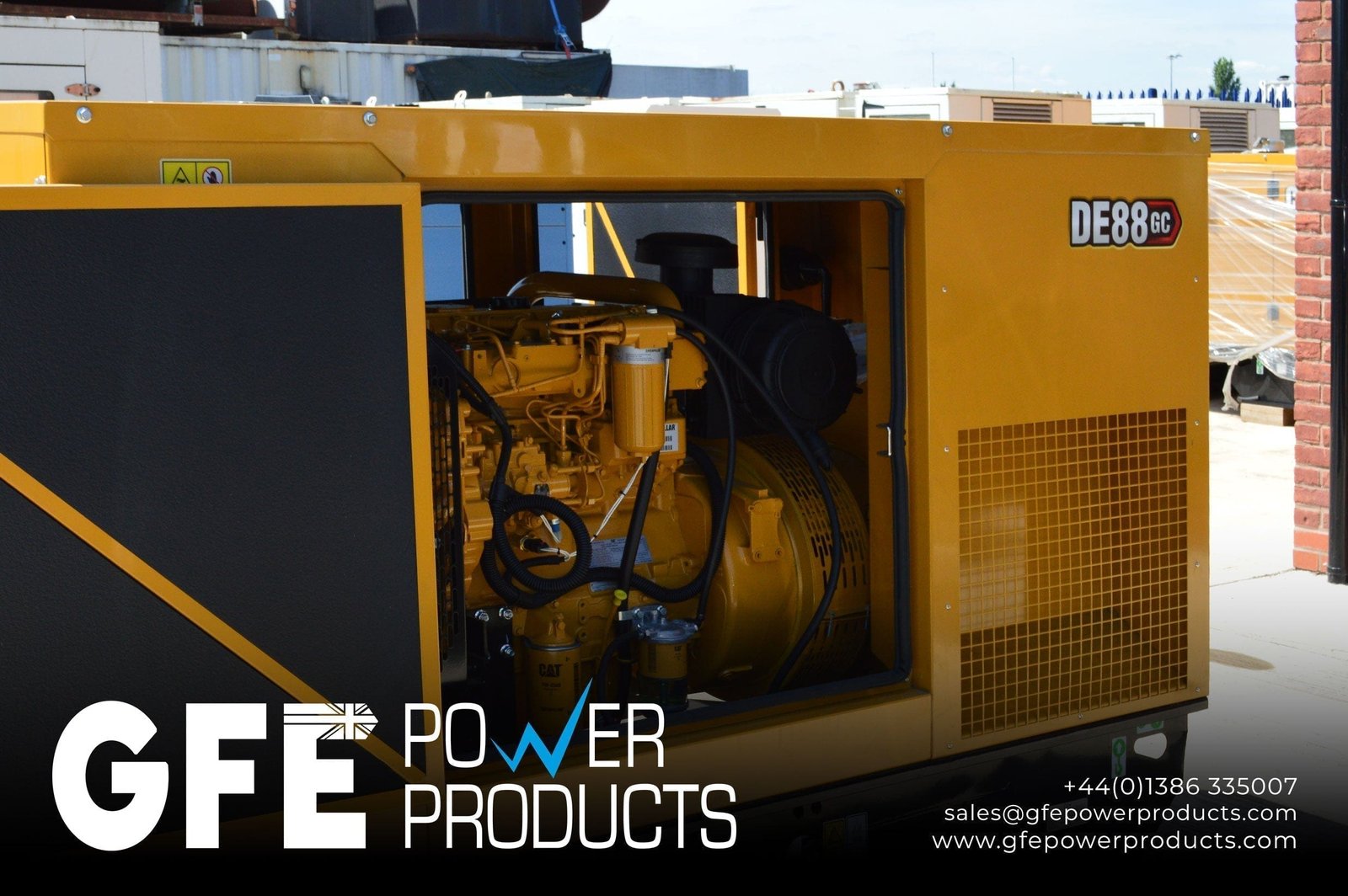
When it comes to keeping your home powered and your appliances running smoothly, knowing how often to run your generator is crucial. You might wonder if you’re using it too much or not enough.
Striking the right balance can extend the life of your generator and ensure it’s ready when you need it most. We’ll break down the best practices for running your generator, how to gauge its usage, and tips to maintain it in top condition.
By the end, you’ll have a clear understanding of the ideal frequency for running your generator, helping you make informed decisions for your home. Read on to empower yourself with knowledge that could save you time, money, and hassle.
Credit: www.fuellogic.net
Importance Of Regular Generator Use
Understanding the importance of regular generator use is crucial for any homeowner or business owner. A generator is not just a backup power source; it’s an investment that needs attention and care. Regular operation helps ensure that your generator is ready when you need it most.
Enhances Reliability
Running your generator regularly enhances its reliability. If you only use it during emergencies, you might find it malfunctioning when you need it most. This happened to a friend of mine during a storm. His generator wouldn’t start, leaving him in the dark.
Regular use keeps the internal parts lubricated. It prevents the buildup of stale fuel, which can lead to costly repairs. How often do you check your generator’s fuel and oil levels?
Extends Lifespan
Just like any machine, generators benefit from routine use. By running it monthly, you can identify issues early. This simple practice can significantly extend its lifespan.
Think of it as a workout for your generator. A quick 30-minute run can make all the difference. Are you giving your generator the exercise it needs?
Prevents Fuel Problems
Stale fuel is one of the biggest threats to a generator’s performance. If your generator sits unused for too long, the fuel can degrade. This can lead to clogs and starting issues.
Running the generator helps to keep the fuel fresh. Using a fuel stabilizer can also help if you don’t run it often. Are you taking steps to ensure your generator’s fuel quality?
Improves Safety
Safety is another key reason to run your generator regularly. A well-maintained generator reduces the risk of accidents. Regular operation allows you to test safety features and ensure everything is functioning correctly.
Imagine needing your generator during a power outage only to find it has a malfunction. Regular use can prevent this stressful scenario. Are you prioritizing generator safety in your routine?
Builds Confidence
Finally, running your generator regularly builds your confidence in its performance. You’ll know it works and how to operate it effectively. This peace of mind is invaluable during emergencies.
Have you ever felt anxious about whether your generator would start? Regular practice can help ease those worries. How prepared do you feel for the next power outage?
Factors Affecting Generator Running Frequency
Generator running frequency depends on several factors. These include the type of generator, its age, and how often it is used. Regular running helps maintain performance and ensures it is ready when needed.
Understanding the factors that affect how often you should run your generator is essential for optimal performance and longevity. Each generator has unique needs based on its type, how you use it, and the environment it operates in. This knowledge will help you make informed decisions, ensuring your generator remains reliable when you need it most.Type Of Generator
The type of generator you own plays a significant role in its running frequency. Portable generators typically require more frequent use during power outages or outdoor activities. In contrast, standby generators are designed to kick in automatically and may run less often. Consider a portable generator for camping trips. You might run it for several hours a day to power lights and cooking appliances. On the other hand, a standby generator might only activate during a blackout, running for shorter periods as needed. Choosing the right generator type aligns with your lifestyle. Evaluate your power needs before making a decision.Usage Pattern
Your generator’s usage pattern directly impacts how often it should run. Regularly using your generator for essential tasks may require more frequent operation. Alternatively, if it sits idle for long periods, you may need to run it periodically for maintenance. Think about your routine. If you use your generator to power tools for home improvement projects, you’ll likely run it more often than someone who only uses it during emergencies. Don’t overlook the importance of routine checks. Running your generator monthly for a short period can keep it in good condition, preventing issues when you need it most.Environment And Climate
The environment and climate where you live can also affect your generator’s running frequency. In areas prone to severe weather, you might find yourself using your generator more often during storm seasons. Humidity and temperature extremes can impact performance too. Consider how weather conditions affect your plans. If you live in a region with frequent power outages, you may rely on your generator more than someone in a stable climate. Be proactive about maintenance, especially if your generator faces harsh conditions. This ensures it runs smoothly when you need it, regardless of the weather. How often do you think you’ll need to run your generator based on these factors? Understanding your specific situation will help you keep your generator ready for action.Recommended Running Schedule
Running a generator regularly is important for its health. Aim to run it at least once a month. This helps keep the engine lubricated and ready for use when needed.
The recommended running schedule for generators plays a crucial role in ensuring their longevity and optimal performance. Regular running not only helps to keep the engine lubricated but also prevents fuel from stagnating. So, how often should you run your generator? Let’s break it down based on the type of generator you own.For Backup Generators
Backup generators are usually used during power outages. It’s vital to run your backup generator at least once a month. This monthly exercise helps you detect any potential issues before they become serious problems. Aim to run it for about 20 to 30 minutes. This duration allows the engine to reach its optimal operating temperature and ensures that the battery remains charged. If you notice any unusual noises or difficulties starting, consider scheduling a maintenance check. Your generator is an investment, and keeping it in good shape is key.For Portable Generators
Portable generators are versatile tools for camping or job sites. You should run your portable generator every three to six months, even if you haven’t used it. This practice keeps the engine in good condition and prevents fuel degradation. Running it for about 30 minutes is ideal. This not only lubricates the engine but also helps to maintain the fuel system. Always check the oil level and look for leaks after running it. This extra step ensures your generator remains safe and efficient.For Industrial Generators
Industrial generators work harder and need a more rigorous running schedule. It’s recommended to run these generators at least once a week. This regular operation helps to identify issues early on and keeps all components in working order. Run the generator for at least 30 minutes to an hour. This duration is crucial for larger engines as it allows them to reach their optimal temperature and ensures that all systems are functioning properly. Consider implementing a maintenance checklist to track performance and any repairs needed. Keeping a log helps you stay organized and aware of your generator’s health. Are you ready to make these running schedules a part of your routine? Your generator will thank you with reliability when you need it most.
Credit: www.gotpower.com
Tips For Efficient Generator Operation
Operating your generator efficiently can save you money and extend its lifespan. Whether you rely on it during power outages or for outdoor events, understanding how to manage your generator is crucial. Here are some practical tips to help you get the most out of your generator.
Monitoring Fuel Levels
Keeping an eye on your fuel levels is essential. Running your generator on low fuel can cause it to overheat and damage the engine. It’s wise to refuel when you hit the quarter tank mark.
Consider using a fuel gauge to keep track. This simple tool can prevent unpleasant surprises. Have you ever been in the middle of a storm, only to realize your generator is out of gas? Avoid that stress by checking regularly.
Avoiding Overloading
Overloading your generator can lead to mechanical failures. Know the wattage of your generator and the devices you plan to power. It’s better to run fewer devices than to risk damaging your generator.
Make a list of essential appliances and their wattages. Prioritize what needs power during an outage. This practice not only preserves your generator but also ensures your most important devices stay operational.
Running The Generator At Full Load
Running your generator at full load can seem counterintuitive, but it helps maintain its efficiency. Generators are designed to operate best at full capacity. It reduces the build-up of carbon deposits that can occur with lighter loads.
Of course, this doesn’t mean you should overload it. Balance is key. Have you noticed a difference in performance when running multiple devices? You might find that a well-maintained generator runs smoother and lasts longer when used properly.
Maintenance Practices During Use
Keeping your generator in good shape is essential. Regular maintenance helps it run smoothly. Check important parts during use. This prevents bigger problems later.
Inspecting Oil And Filters
Oil keeps the engine running well. Check the oil level often. Change the oil as needed. Clean or replace filters regularly. Dirty filters can block airflow. This can harm the generator’s performance.
Checking Battery Health
The battery powers your generator. Inspect the battery connections. Look for corrosion or loose wires. Test the battery voltage. A weak battery can stop the generator.
Listening For Unusual Sounds
Pay attention to sounds while the generator runs. Strange noises can signal trouble. Clanging or whining sounds are red flags. Turn off the generator if you hear these. Investigate the issue right away.
Common Mistakes To Avoid
Many people make mistakes when using generators. These errors can lead to problems. Knowing what to avoid helps keep your generator in good shape.
Running For Too Long
Some users run generators for too long. This can cause overheating. It may also lead to wear and tear. Generators need breaks to cool down. Limit run time to avoid damage. Check the manual for specific guidelines.
Skipping Regular Test Runs
Skipping test runs is a common mistake. Regular testing keeps the generator ready. It helps you spot issues early. Run your generator monthly, even if you don’t need it. This practice ensures it runs smoothly when you need it most.
Neglecting Seasonal Maintenance
Seasonal maintenance is crucial. Many people forget to check their generators before winter or summer. Clean the air filter and check the oil level. Inspect fuel lines for leaks. These steps help prevent problems later. A little maintenance goes a long way.
When To Consult A Professional
Knowing when to call a professional for your generator is important. Some issues need expert help. They can ensure safety and proper function. Here are some signs to watch for.
Recurring Performance Issues
Does your generator often fail to start? Or does it run poorly? These problems can indicate deeper issues.
Frequent stalling or strange noises are not normal. Ignoring these signs can lead to bigger problems. A professional can diagnose the issue correctly.
Major Repairs
Some repairs are too complex for DIY fixes. If you notice leaks or severe damage, it’s time to call an expert.
Electrical issues can be dangerous. A professional can handle these safely. They have the tools and knowledge needed for major repairs.
Upgrading Or Replacing The Generator
Thinking about upgrading your generator? A professional can help you choose the right model. They understand your power needs.
Replacement can also be tricky. A pro can assess your current setup. They ensure you get the best option for your home.

Credit: www.fuellogic.net
Frequently Asked Questions
How Often Should I Run My Generator?
It’s recommended to run your generator at least once a month. This ensures that it stays in good working condition. Running it regularly also helps identify any potential issues before they become major problems. Always follow the manufacturer’s guidelines for best results.
Can I Run My Generator Every Day?
Running your generator every day is not necessary unless needed for power outages. Frequent use can lead to wear and tear. However, if you rely on it for daily power, ensure regular maintenance checks. This will keep it running efficiently and extend its lifespan.
What Is The Ideal Runtime For A Generator?
The ideal runtime for a generator varies based on use. Typically, running it for 2-4 hours during a power outage is sufficient. If you use it for appliances, monitor fuel levels. Always allow it to cool down before refueling to ensure safety.
Should I Run My Generator On A Schedule?
Yes, running your generator on a schedule is beneficial. It helps maintain the battery and ensures readiness for emergencies. A monthly schedule is often recommended. This routine can prevent problems and extend the life of your generator.
Conclusion
Regularly running your generator keeps it in good shape. Follow the guidelines for usage and maintenance. This will help you avoid problems later. Pay attention to your generator’s needs. A well-maintained generator lasts longer and works better. Remember, running it often can prevent issues.
Stay safe and prepared. Your generator is an important tool for emergencies. Treat it well, and it will serve you well.