
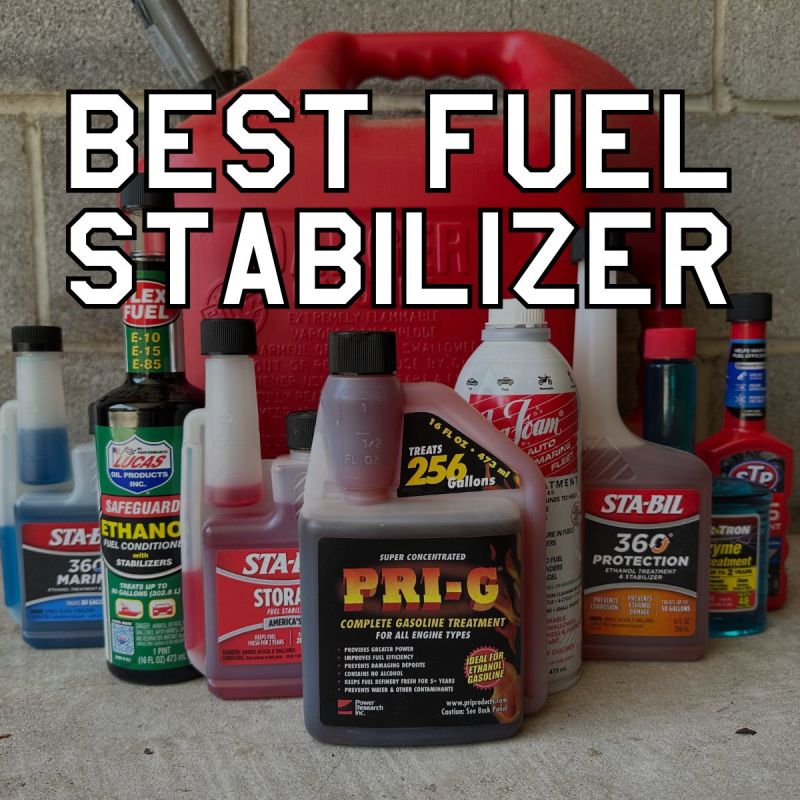
If you rely on a generator to keep your home or business powered during outages, protecting that investment is crucial. One simple step you can take is using a fuel stabilizer.
Have you ever faced a generator that won’t start or runs poorly after sitting unused? That frustrating experience often comes from old, degraded fuel damaging your engine. By adding a fuel stabilizer, you keep your gasoline fresh, avoid costly repairs, and ensure your generator is ready whenever you need it.
Keep reading to discover why using fuel stabilizers is a smart move for your generator’s health and performance.
Why Fuel Stabilizers Matter
Fuel stabilizers play a key role in keeping your generator’s fuel fresh. Gasoline breaks down over time. This process can cause problems for your generator. Using a fuel stabilizer slows down fuel degradation. It helps keep your generator ready to run when you need it most.
Fuel that is old or stale can cause the engine to run poorly. It can clog the carburetor and fuel lines. This leads to harder starts and more repairs. Fuel stabilizers protect your generator from these issues. They make sure the fuel stays usable for longer periods.
Preventing Fuel Breakdown
Gasoline starts to lose its quality soon after purchase. Exposure to air and heat causes it to oxidize and evaporate. Fuel stabilizers add chemicals that slow this process. They keep the fuel stable and stop it from turning gummy. This means less damage to your engine and carburetor.
Protecting Engine Components
Old fuel leaves sticky deposits inside the carburetor and fuel system. These deposits block fuel flow and reduce engine efficiency. A fuel stabilizer stops these deposits from forming. It helps your generator start easily and run smoothly. This protection reduces the chance of costly repairs.
Extending Generator Life
Fuel issues can cause long-term damage to your generator’s engine. Using a fuel stabilizer reduces wear and tear. It keeps the engine parts cleaner and functioning well. This helps your generator last longer and perform better over time.
Generators without fuel stabilizers often need more frequent cleaning and repairs. Stabilizers reduce the build-up of harmful deposits. This lowers the need for carburetor cleaning or parts replacement. Regular use of stabilizers saves time and money on maintenance.
Ideal For Long-term Storage
Generators are not always in use every day. When stored for weeks or months, fuel can go bad quickly. Fuel stabilizers protect the fuel during storage periods. They keep the generator ready to start even after long downtime. This is essential for emergency backup power.

Credit: trueprepper.com
Fuel Degradation Risks
Fuel can degrade quickly when stored in generators. This causes problems that affect performance and reliability.
Over time, gasoline breaks down and loses its quality. This process is known as fuel degradation. It can create thick, sticky residues inside the fuel system.
These residues clog fuel lines and carburetors. Engines may start hard or not run at all. Fuel degradation also leads to corrosion inside the tank.
What Causes Fuel Degradation?
Exposure to air causes gasoline to oxidize. Heat and moisture speed up this process. Ethanol-blended fuels attract water, increasing the risk.
Fuel breaks down into varnish and gum. These substances block small engine parts and filters.
Effects Of Degraded Fuel On Generators
Degraded fuel causes rough engine running and poor fuel efficiency. It can cause the engine to stall or fail to start.
Carburetors get clogged, requiring costly cleaning or replacement. Corrosion inside the fuel tank can lead to leaks.
Fuel stabilizers slow down the breakdown process. They keep gasoline fresh and prevent residue build-up.
Stabilizers protect engine parts and improve starting reliability. Using stabilizers reduces maintenance and extends generator life.
Carburetor Protection
The carburetor is a key part of your generator’s engine. It mixes air and fuel to create the right blend for combustion. Over time, fuel can break down and leave sticky deposits. These deposits clog the carburetor’s small parts. This leads to poor engine performance or even failure to start.
Fuel stabilizers protect the carburetor by keeping gasoline fresh. They prevent the fuel from turning into gum or varnish. This keeps the carburetor clean and functioning well. Using a stabilizer reduces the need for frequent cleaning or repairs.
How Fuel Stabilizers Prevent Carburetor Clogging
Gasoline breaks down quickly when exposed to air and heat. This causes thick deposits to form inside the carburetor. Fuel stabilizers slow this process. They keep the fuel stable and clear for months. Clean fuel means fewer blockages and smoother engine runs.
Benefits Of Protecting The Carburetor
Protecting the carburetor improves your generator’s reliability. The engine starts easier and runs better. It also lasts longer without needing repairs. Proper carburetor care saves money on maintenance and extends the generator’s life.
When To Use Fuel Stabilizers For Carburetor Care
Use fuel stabilizers before storing your generator. Especially if it will sit unused for a month or more. Add stabilizer to fresh fuel and run the engine briefly. This spreads the stabilizer through the carburetor and fuel system. Regular use prevents buildup and keeps the carburetor clean.

Credit: trueprepper.com
Extending Generator Lifespan
Extending the lifespan of a generator depends largely on proper fuel care. Using fuel stabilizers plays a key role in this process. Fuel stabilizers keep gasoline fresh and prevent damage to engine parts.
Clean fuel helps the generator run smoothly and reduces wear over time. This leads to fewer repairs and longer service life. Protecting the fuel also protects the engine from costly damage.
How Fuel Stabilizers Protect Engine Components
Fuel breaks down and forms varnish and gum inside the engine. These deposits clog fuel lines and carburetors. Fuel stabilizers stop these harmful substances from forming. This keeps engine parts clean and working well.
Preventing Corrosion And Rust
Water can build up in fuel tanks, causing rust inside the engine. Fuel stabilizers reduce moisture and prevent rust. This helps metal parts stay strong and last longer.
Maintaining Smooth Engine Performance
Old or degraded fuel makes the engine run rough or stall. Stabilizers keep the fuel fresh, ensuring steady power. This prevents engine strain and extends its working life.
Reducing Maintenance Frequency
Fuel-related problems often lead to frequent repairs. Using stabilizers lowers the need for cleaning and fixing carburetors. Less maintenance means less wear and a longer generator lifespan.
Reducing Maintenance Needs
Reducing maintenance needs is a key benefit of using fuel stabilizers in generators. Fuel can break down and cause damage when left untreated. This leads to costly repairs and frequent servicing. Using a stabilizer keeps fuel fresh and protects engine parts.
Clean fuel means fewer problems with the carburetor and fuel lines. It helps prevent clogs and buildup that cause poor engine performance. With a fuel stabilizer, the generator runs smoothly longer without extra care.
Preventing Carburetor Clogging
Fuel stabilizers stop gasoline from turning gummy and sticky. This reduces the chance of residue forming inside the carburetor. A clean carburetor means fewer breakdowns and less need for cleaning or replacement. It also helps the generator start easily every time.
Extending Engine Life
Stabilized fuel prevents corrosion and rust inside the engine. This keeps engine parts healthy and working well. Less wear and tear means the generator needs fewer repairs. Proper fuel treatment supports longer generator life and better reliability.
Saving Time And Money
Using a fuel stabilizer cuts down on frequent maintenance tasks. You spend less time fixing fuel-related issues. It also lowers repair costs caused by old or bad fuel. Regular use of stabilizers protects your investment and reduces future expenses.
Best Practices For Storage
Proper storage of your generator is key to its longevity and reliable performance. Using fuel stabilizers plays a big part in this process. They keep the fuel fresh and prevent damage during storage. Following the right storage steps ensures your generator starts easily after long periods of inactivity.
Careful handling and storage practices protect the engine and fuel system. This reduces costly repairs and maintenance. Below are some best practices for storing your generator with fuel stabilizers.
Store Generator In A Clean, Dry Place
Keep the generator in a dry area away from dust and dirt. Moisture can cause rust and damage the engine parts. A clean environment helps prevent fuel contamination and corrosion.
Use Fuel Stabilizer Before Storage
Add fuel stabilizer to the fuel tank before storing the generator. This stops gasoline from breaking down and forming deposits. Running the engine for a few minutes helps circulate the stabilizer through the system.
Drain Or Treat Old Fuel
Remove old fuel if you stored the generator without stabilizer. Old fuel can clog the carburetor and cause hard starts. Treating the fuel with stabilizer before storage avoids this problem.
Run The Generator Periodically
Start and run the generator every few weeks. This keeps the engine parts lubricated and fuel fresh. It also helps identify any issues early before long storage.
Check And Replace Filters Regularly
Inspect fuel and air filters before and after storage. Dirty filters reduce engine efficiency and cause wear. Clean or replace filters as needed for smooth operation.
How To Add Fuel Stabilizer
Adding fuel stabilizer to your generator is a simple but important step. It keeps the fuel fresh and prevents engine problems. Proper use of fuel stabilizer helps your generator start easily and run smoothly.
Follow these steps to add fuel stabilizer correctly and protect your generator.
Prepare The Generator
Turn off the generator and let it cool down. Make sure it is in a well-ventilated area. This helps avoid accidents during the fuel stabilizer process.
Measure The Fuel Stabilizer
Read the instructions on the stabilizer bottle carefully. Use the recommended amount for the amount of fuel in your tank. Too much or too little can reduce its effectiveness.
Add Stabilizer To The Fuel Tank
Open the fuel tank cap slowly. Pour the measured stabilizer directly into the tank. Avoid spilling to keep the area clean and safe.
Run The Generator
Start the generator and let it run for 5 to 10 minutes. This allows the stabilizer to mix well with the fuel and circulate through the engine. It protects all fuel system parts.
Store The Generator Properly
Turn off the generator after running it. Store it in a dry, cool place. Using fuel stabilizer before storage keeps the fuel fresh for months.
Choosing The Right Stabilizer
Choosing the right fuel stabilizer is key to keeping your generator running smoothly. Not all stabilizers work the same way. Some are designed for short-term use, while others protect fuel for months. Picking the correct one helps avoid engine problems and saves money on repairs.
Consider the type of fuel your generator uses. Gasoline and diesel need different stabilizers. Using the wrong type can cause damage or reduce performance. Always check the label to match it with your generator’s fuel.
Check Compatibility With Your Generator
Each generator model may have specific fuel needs. Read the manual for recommended stabilizer types. Some brands also suggest certain products. Using a stabilizer that fits your generator ensures better protection and longer engine life.
Look For Long-term Fuel Protection
Generators often sit unused for weeks or months. Choose a stabilizer that keeps fuel fresh during storage. Look for products that guarantee protection for at least 6 to 12 months. This prevents fuel breakdown and carburetor clogging.
Consider Additives And Benefits
Some stabilizers include extra additives. These clean the fuel system and reduce corrosion. They also help prevent gum and varnish buildup. A good stabilizer not only preserves fuel but also keeps the engine parts clean.
Read User Reviews And Ratings
Check feedback from other generator owners. Reviews can show how well a stabilizer works in real life. Look for products with high ratings and positive comments about fuel preservation and engine performance.
Common Myths About Stabilizers
Many people have wrong ideas about fuel stabilizers. These myths can stop generator owners from using them properly. Clearing up these misunderstandings helps keep generators working well for longer.
Fuel Stabilizers Are Not Necessary For Short-term Use
Some think fuel stabilizers only help if a generator is stored for years. Actually, fuel starts to degrade in just a few weeks. Using a stabilizer even for short breaks prevents fuel breakdown. This keeps the engine running smoothly every time.
Stabilizers Can Damage The Engine
A common myth says stabilizers harm generator engines. In truth, quality fuel stabilizers protect engine parts. They stop gum and varnish build-up inside the carburetor and fuel lines. This reduces repairs and extends engine life.
Fuel Stabilizers Replace Regular Maintenance
Fuel stabilizers are not a substitute for proper care. Regular maintenance like checking filters and oil changes still matters. Stabilizers only help keep the fuel fresh and clean. Both maintenance and stabilizers together keep generators reliable.
Any Stabilizer Works For All Generators
Not all fuel stabilizers suit every generator type. Some fuels and engines need specific formulas. Always check the stabilizer label to match your generator’s fuel type. Using the right product ensures the best protection and performance.

Credit: trueprepper.com
When To Skip Fuel Stabilizers
Fuel stabilizers protect gasoline from breaking down. They keep your generator running smoothly during long storage. Yet, not every situation requires a fuel stabilizer. Knowing when to skip them saves time and money.
This section explains when using a fuel stabilizer is not necessary.
Using Fresh Fuel For Immediate Use
Fuel stabilizers are not needed if you use fresh gasoline. Fresh fuel lasts about 30 days without going bad. If you plan to run your generator soon, just fill it with fresh gas. The fuel will stay good enough without additives.
Running Generator Frequently
Fuel breaks down when left unused. Running the generator often keeps fuel moving. This prevents it from going stale. If you run your generator weekly or more, skip fuel stabilizers. The fuel stays fresh through regular use.
Using Diesel Or Propane Generators
Fuel stabilizers mainly help with gasoline. Diesel and propane fuels are more stable. They do not degrade as quickly as gasoline. Diesel and propane generators rarely need fuel stabilizers. Check your generator’s manual to be sure.
Short-term Storage Under One Month
Fuel stabilizers are most useful for long storage. For storage less than 30 days, you can skip them. Gasoline will stay fresh without additives for this short time. Just keep the fuel tank full to avoid moisture buildup.
Frequently Asked Questions
Do I Need To Put A Fuel Stabilizer In My Generator?
Yes, use a fuel stabilizer to keep gasoline fresh in your generator, especially during long storage periods. It prevents fuel breakdown, avoids carburetor clogs, and ensures reliable starts, extending your generator’s lifespan and reducing maintenance needs. Always follow the stabilizer’s instructions for best results.
Is A Fuel Stabilizer Really Necessary?
Fuel stabilizer is essential for generators stored over a month. It prevents fuel breakdown, protects the engine, and ensures reliable starts.
How Much Fuel Stabilizer To Add To A Generator?
Add fuel stabilizer according to the product label, typically 1 ounce per gallon of gasoline. Run the generator for 5 minutes to mix.
How Often Should I Use A Fuel Stabilizer?
Use fuel stabilizer every time you fill your generator’s tank if storing it for over 30 days. Run the engine after adding.
What Is A Fuel Stabilizer For Generators?
A fuel stabilizer keeps gasoline fresh and prevents it from breaking down over time.
Why Use Fuel Stabilizers In Generators?
They stop fuel from degrading, which helps the generator start easily and run smoothly.
How Does Fuel Stabilizer Protect The Carburetor?
It prevents gum and deposits that can block or damage the carburetor parts.
Can Fuel Stabilizers Extend Generator Lifespan?
Yes, they keep fuel fresh, reducing wear and tear on the engine components.
How Often Should I Add Fuel Stabilizer?
Add it every time you fill the tank, especially if storing the generator long-term.
Will Fuel Stabilizer Reduce Generator Maintenance Needs?
Yes, it lowers the chance of fuel-related problems needing carburetor cleaning or repair.
Conclusion
Using fuel stabilizers keeps your generator’s fuel fresh and clean. This helps the engine start easily and run smoothly. It also prevents damage to the carburetor and other parts. Fuel stabilizers reduce the need for repairs and save you time.
They are especially useful when storing your generator for weeks or months. Simple steps like adding stabilizer and running the engine improve performance. Protect your investment with fuel stabilizers for longer generator life and reliability. Don’t let old fuel cause problems—use stabilizers to keep your generator ready.