
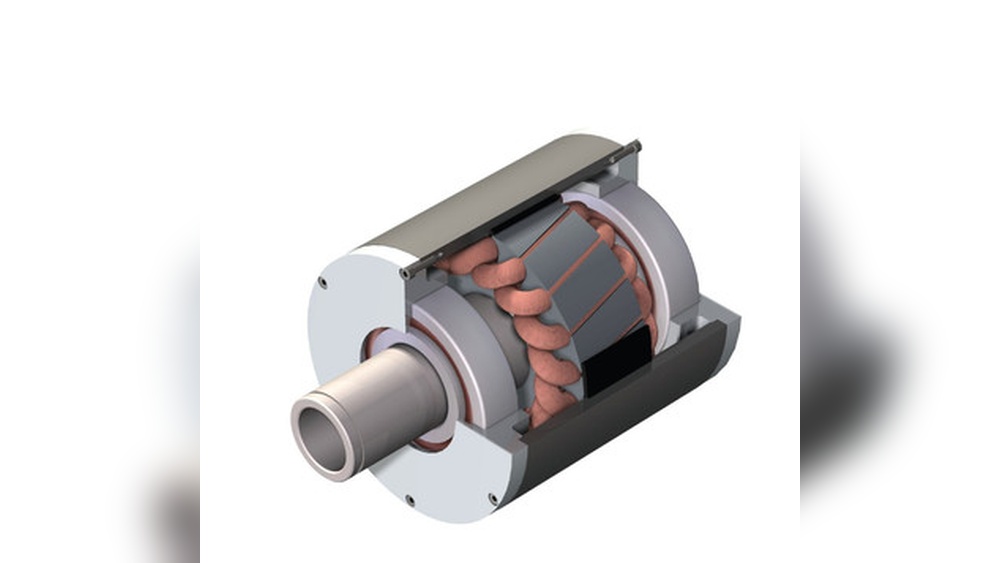
Are you searching for a reliable way to generate power at low speeds? A Permanent Magnet Generator (PMG) designed for low RPM might be exactly what you need.
These generators work efficiently even when turning slowly, making them perfect for wind turbines, small hydro setups, and other renewable energy projects. If you want to maximize energy output without complicated gearboxes or high-speed engines, understanding how a low RPM PMG works can transform your approach.
Keep reading to discover how this technology can power your projects smoothly and effectively, even at low rotations per minute.
Low Rpm Challenges
Operating a permanent magnet generator (PMG) at low revolutions per minute (RPM) presents unique difficulties. Low RPM means less mechanical energy to convert into electrical energy. This situation challenges the generator’s ability to produce consistent power.
Designers must address these problems to ensure stable output and efficiency. Understanding the main low RPM challenges helps improve PMG performance in various applications.
Maintaining Voltage Stability
At low RPM, voltage output tends to fluctuate. The generator’s voltage depends on the speed of rotation. Slower speeds cause weaker magnetic fields to induce less voltage. This variation can affect connected devices and systems.
Generating Sufficient Power
Low RPM limits the power a PMG can produce. Less mechanical motion means less electrical energy generated. This can restrict the generator’s use in applications needing steady or high power levels.
Overcoming Mechanical Losses
Friction and drag forces impact PMG efficiency more at low speeds. Bearings, windage, and other mechanical parts resist motion. These losses reduce the overall energy output and increase wear on components.
Ensuring Reliable Startup
Starting a PMG at low RPM can be difficult. The magnets need enough speed to create an initial voltage. Weak startup voltage can delay or prevent the generator from powering connected loads.
Minimizing Noise and Vibration
Low RPM operation may cause irregular magnetic forces. This leads to vibrations and noise during generator use. Such disturbances can shorten lifespan and disturb nearby equipment or users.
Permanent Magnet Basics
Permanent magnets are the heart of many low RPM generators. They create a steady magnetic field without needing extra power. This makes the generator more efficient and reliable.
The magnets are made from materials like neodymium or ferrite. These materials keep their magnetism for a long time. They do not lose strength easily, even after years of use.
In a permanent magnet generator, these magnets spin near coils of wire. This movement creates electricity. The process is simple, but very effective for low-speed operations.
What Are Permanent Magnets?
Permanent magnets are objects that produce a magnetic field on their own. They do not require electricity to work. Their magnetic field comes from the alignment of atoms inside them.
Strong permanent magnets are made from rare earth elements. They hold their magnetic force well, even under tough conditions. This makes them perfect for generators that run at low speeds.
How Permanent Magnets Work In Generators
In a generator, permanent magnets rotate close to copper coils. This rotation causes electrons to move inside the coils. The moving electrons generate electric current.
The strength of the magnet affects the power output. Stronger magnets produce more electricity at lower speeds. This is key for low RPM generators.
Advantages Of Using Permanent Magnets
Permanent magnets do not need extra energy to create a magnetic field. This saves power and increases efficiency. The generator can start producing electricity at low speeds.
They also reduce the need for maintenance. No brushes or external power sources are required. The system stays simpler and lasts longer.
Efficiency Factors
Efficiency is key for Permanent Magnet Generators (PMGs) running at low RPM. It affects power output and reliability. Understanding the factors that influence efficiency helps improve generator design and performance.
Low RPM PMGs face unique challenges compared to high-speed generators. Efficiency depends on several technical and material aspects. Optimizing these can reduce energy loss and enhance power generation.
Magnet Quality And Material
High-quality permanent magnets maintain strong magnetic fields. Rare earth magnets like neodymium improve efficiency at low speeds. Better magnets create stronger flux with less energy loss.
Coil Design And Winding
Coil shape and winding patterns impact electrical resistance. Efficient winding reduces heat and power loss. Using thicker wires or better insulation boosts generator efficiency.
Rotor And Stator Alignment
Precise alignment minimizes air gaps between rotor and stator. Smaller gaps increase magnetic coupling and improve output power. Proper alignment also reduces mechanical wear.
Core Material And Laminations
Soft magnetic cores with thin laminations reduce eddy current losses. High-grade steel cores enhance magnetic flux conduction. These materials lower internal heat generation.
Load Matching
Connecting the generator to the correct load maximizes power transfer. Mismatched loads cause energy wastage and inefficiency. Proper load management keeps RPM steady and output stable.
Cooling Systems
Efficient cooling prevents overheating of coils and magnets. Lower temperatures maintain magnet strength and reduce resistance. Cooling systems extend generator lifespan and performance.

Credit: www.xindaenergy.com
Design Innovations
Permanent Magnet Generators (PMGs) designed for low RPM use new ideas to improve efficiency. These innovations help generate power at slower speeds. This is important for wind turbines and other slow-turning machines.
Designers focus on making the generator compact and strong. They use special magnets and advanced materials. These changes create more power without needing high speed.
Enhanced Magnetic Materials
New magnetic materials improve the strength of PMGs. Rare earth magnets like neodymium produce a strong magnetic field. This lets the generator produce power at low RPMs. The magnets stay stable in various temperatures. This keeps the generator reliable and efficient.
Optimized Rotor And Stator Design
The rotor and stator shape affects power output. Designers use computer models to find the best shape. More poles are added to increase voltage at low speeds. The spacing between parts is adjusted to reduce energy loss. This creates smoother rotation and better power generation.
Direct Drive Systems
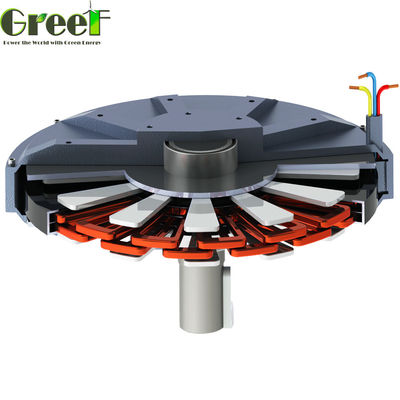
Direct drive eliminates the need for gears. It connects the rotor directly to the load. This reduces mechanical losses and maintenance needs. The design is simpler and quieter. It also handles low RPMs better than geared systems.
Improved Cooling Techniques
Cooling keeps the generator running longer and safer. New designs use better airflow and heat sinks. Some PMGs use liquid cooling for tough conditions. Good cooling prevents overheating and extends the generator’s life.
Material Advances
Material improvements have boosted permanent magnet generators’ efficiency at low rpm. Better materials allow stronger magnets and lighter components. This change helps generators work well even at slow speeds.
New material designs improve durability and reduce energy loss. These upgrades lower costs and increase lifespan. The result is a more reliable and efficient generator.
Rare Earth Magnets
Rare earth magnets like neodymium provide high magnetic strength. They keep their power even at low rotation speeds. These magnets make the generator smaller and more efficient.
Advanced Magnetic Alloys
New alloys improve magnetic flux and reduce heat loss. They help maintain steady performance during long use. This leads to better energy output at low rpm.
Lightweight Composite Materials
Composites reduce the weight of generator parts. Lighter parts spin easier and reduce mechanical stress. This enhances the generator’s lifespan and efficiency.

Credit: www.amazon.com
Applications In Wind Power
Permanent Magnet Generators (PMGs) designed for low RPM play a vital role in wind power technology. These generators work efficiently at slow rotational speeds, matching the natural speed of large wind turbine blades. Their design eliminates the need for complex gearboxes, reducing maintenance and improving reliability.
Low RPM PMGs convert wind energy into electricity smoothly and steadily. This capability makes them ideal for various wind power applications. The following sections explore key uses of low RPM PMGs in the wind energy sector.
Small And Medium Wind Turbines
Low RPM PMGs suit small and medium wind turbines perfectly. They generate power directly from slow-moving blades. This direct-drive approach reduces mechanical losses. It also lowers noise and vibration levels. These features make turbines quieter and more durable.
Off-grid Wind Power Systems
Many off-grid locations rely on low RPM PMGs for wind energy. These systems provide electricity where the grid is unavailable. Low RPM PMGs ensure stable power output at varying wind speeds. They require less maintenance, ideal for remote areas.
Hybrid Renewable Energy Systems
Low RPM PMGs integrate well with solar and other renewables. They contribute to hybrid systems that balance power supply. Their efficiency at low speeds helps maximize energy capture. This improves overall system performance and reliability.
Large-scale Wind Farms
Some large wind farms use low RPM PMGs in direct-drive turbines. These generators reduce gearbox failures and downtime. They improve turbine lifespan and reduce operating costs. Their design supports high efficiency and robust performance.
Direct Drive Benefits
Direct drive technology in permanent magnet generators (PMGs) offers clear advantages. It removes the need for gears between the rotor and the generator. This leads to simpler design and better performance at low rpm.
Many low rpm applications benefit from direct drive systems. They reduce energy loss and improve reliability. This makes direct drive PMGs ideal for wind turbines and small hydro setups.
Reduced Mechanical Losses
Direct drive eliminates gears and belts. These parts usually cause friction and wear. Without them, the generator runs smoother and wastes less energy. This increases overall efficiency, especially at low speeds.
Lower Maintenance Requirements
Fewer moving parts means less chance of breakdowns. Direct drive PMGs need less frequent repairs and part replacements. This reduces downtime and maintenance costs over the generator’s life.
Quieter Operation
Gears and gearboxes often produce noise. Removing them makes the generator quieter. This is important in residential areas or noise-sensitive environments. Quiet operation improves user comfort.
Compact And Lightweight Design
Direct drive generators are more compact. They do not require extra space for gearboxes. This reduces the total weight and size. Smaller, lighter units are easier to install and transport.
Improved Reliability
Less complexity means fewer parts that can fail. Direct drive PMGs offer higher reliability over time. This reliability is valuable for remote or hard-to-access locations.
Credit: m.permanent-magnetalternator.com
Comparison With Electromagnetic Generators
Comparing permanent magnet generators (PMGs) and electromagnetic generators reveals key differences in design and performance. Each type has unique features that affect efficiency, maintenance, and suitability for low rpm applications.
Efficiency At Low Rpm
Permanent magnet generators maintain high efficiency even at low rpm. They use strong magnets that produce a stable magnetic field without extra energy. Electromagnetic generators need electrical current to create the magnetic field, which can lower efficiency at low speeds.
Maintenance Requirements
PMGs require less maintenance because they have no brushes or slip rings. Electromagnetic generators often use brushes to supply current, which wear out and need regular replacement. This makes PMGs more reliable in remote or hard-to-reach locations.
Size And Weight
Permanent magnet generators tend to be smaller and lighter. The permanent magnets replace bulky coils and iron cores. Electromagnetic generators need larger coils and iron cores to create the magnetic field, increasing their size and weight.
Control And Flexibility
Electromagnetic generators allow control of magnetic field strength by adjusting current. This flexibility helps match power output to demand. PMGs have fixed magnetic fields, so output control is limited. This can restrict their use in variable load situations.
Cost Considerations
PMGs generally have higher initial costs due to the magnets used. Electromagnetic generators may cost less upfront but require more maintenance expenses. Over time, PMGs can be more cost-effective because of lower upkeep and longer lifespan.
Maintenance And Durability
Permanent Magnet Generators (PMGs) designed for low RPM use offer unique benefits. Their maintenance needs are generally lower than traditional generators. Durability is a key factor that makes these generators reliable for long-term use.
Low RPM PMGs have fewer moving parts. This reduces the chance of mechanical wear and tear. The permanent magnets do not require external power to maintain their magnetic field. This feature lowers the risk of component failure and simplifies upkeep.
Easy Inspection And Cleaning
Inspecting a low RPM PMG is simple. Check the magnets and rotor for dirt or damage. Clean dust and debris regularly to avoid overheating. Use a soft brush or cloth for cleaning. Avoid harsh chemicals that can harm the magnets.
Minimal Lubrication Needs
These generators need little lubrication. Bearings and other moving parts require occasional oiling. Proper lubrication prevents friction and extends component life. Too much oil can attract dust, so apply sparingly.
Long Lifespan Components
High-quality magnets and sturdy materials increase durability. Low RPM operation causes less stress on parts. This results in fewer breakdowns and longer service life. Choosing a well-built PMG ensures consistent performance.
Resistance To Environmental Factors
Many low RPM PMGs resist moisture and corrosion. Protective coatings shield sensitive parts. This makes them suitable for outdoor and harsh environments. Proper housing and sealing improve durability further.
Future Trends
The future of Permanent Magnet Generator Low RPM technology holds exciting possibilities. Innovations aim to improve efficiency and durability. Developers focus on making generators work well at very low speeds. This change will expand their use in many fields.
Advances in materials and design will help reduce energy loss. This leads to longer generator life and less maintenance. The trend moves towards compact and lightweight designs. Such improvements support cleaner and quieter power generation.
Advanced Magnetic Materials
New magnetic materials will boost generator power and stability. These materials keep magnets strong even under tough conditions. They help generators run smoothly at low speeds. This progress reduces energy waste and increases output.
Integration with Renewable Energy Systems
Permanent magnet generators will fit better with wind and water turbines. Low RPM models suit slow-moving renewable sources. This match improves energy capture and reduces costs. More homes and businesses will use green power more easily.
Smart Control and Monitoring
Future generators will have smart sensors and controls. These tools track performance and predict issues. Operators can fix problems before damage occurs. Smart systems make generators safer and more reliable.
Cost Reduction and Mass Production
Mass production will lower the price of low RPM generators. More affordable units will reach new markets worldwide. This helps spread clean energy solutions in remote areas. Cost drops also encourage more innovation in designs.
Frequently Asked Questions
What Causes Low Rpm In A Generator?
Low RPM in a generator often results from fuel restrictions, clogged filters, or malfunctioning engine components. These issues reduce engine speed and power output.
What Are The Disadvantages Of A Permanent Magnet Generator?
Permanent magnet generators have fixed magnetic fields, limiting control over output voltage. They may cost more and risk demagnetization. Maintenance can be challenging due to strong magnets. Efficiency drops at very low speeds, reducing performance in some applications.
Why Is The Pmg Frequency High?
The PMG frequency is high because permanent magnets create more poles per inch. This design boosts frequency in a compact size.
What Is The Minimum Rpm Of A Wind Turbine?
The minimum RPM of a wind turbine typically ranges between 10 and 20 RPM. Low RPM designs use permanent magnet generators for efficient power generation.
What Is A Permanent Magnet Generator (pmg) Low Rpm?
A PMG low RPM is a generator that produces power at slow rotation speeds.
How Does A Pmg Work At Low Rpm?
It uses strong magnets to create electricity even when spinning slowly.
Why Choose A Pmg For Low-speed Applications?
PMGs are efficient and reliable at generating power with low rotation speed.
What Are Common Uses Of Low Rpm Pmgs?
They are used in wind turbines, hydro power, and small engines.
How Is Power Output Affected By Low Rpm In Pmgs?
Lower RPM means less power, but PMGs still maintain good voltage output.
Can Pmgs Operate Without External Excitation?
Yes, permanent magnets provide their own magnetic field, so no extra power needed.
Conclusion
Permanent magnet generators work well at low RPMs, offering steady power output. Their simple design means less maintenance and longer life. These generators suit wind turbines and other slow-moving machines. They produce clean energy without extra fuel or noise. Choosing the right low RPM generator can save money and effort.
Understanding their benefits helps make smarter energy decisions. Consider them for efficient, quiet, and reliable power generation. Low RPM permanent magnet generators meet many needs with ease.