
Are you wondering if an inverter generator can deliver the high power you need without draining your wallet? You’re not alone.
Many people face the challenge of finding a power source that balances strong output with affordability. Inverter generators promise cleaner, quieter, and more efficient energy—but can they truly offer high power at a low cost? You’ll discover how these machines work, what makes them different from traditional generators, and whether they’re the right choice for your budget and power needs.
Keep reading to find out if an inverter generator can be your perfect power solution.
Inverter Generator Basics
An inverter generator produces electricity differently from a traditional generator. It uses advanced electronics to convert raw power into clean, stable electricity. This makes it ideal for sensitive devices like laptops and smartphones.
Inverter generators are compact and quieter than conventional models. They adjust engine speed to match power demand. This efficiency reduces fuel use and noise.
What Is An Inverter Generator?
An inverter generator creates AC power, then converts it to DC power. After that, it changes DC back into clean AC power. This process ensures steady voltage and frequency.
Stable power helps protect electronics from damage. It also supports devices that need precise power input.
How Does It Work?
The engine runs at variable speeds, not a constant rate. This allows the generator to use fuel efficiently. The inverter module controls the output power quality.
This control keeps the power output smooth. It reduces fluctuations that can harm electrical devices.
Key Features Of Inverter Generators
Inverter generators are known for quiet operation and fuel efficiency. They are lightweight and easy to carry. Many models include smart throttle technology to save fuel.
These generators offer clean power suitable for sensitive electronics. They often have multiple outlets and USB ports for convenience.
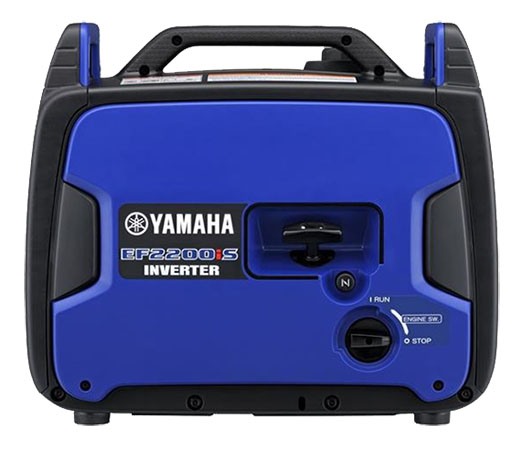
Credit: www.danscycle.com
Power Output Capabilities
Inverter generators provide clean and stable power output for sensitive electronics. They adjust the engine speed to match the power demand. This efficiency saves fuel and reduces noise. Many models deliver enough power for home appliances, tools, and outdoor equipment.
These generators often produce power in a range suitable for small to medium needs. Some models support surge watts for starting motors or compressors. Surge power helps handle brief spikes without damaging devices. Understanding the power limits of an inverter generator is key to matching it with your needs.
Rated And Surge Power Explained
Rated power is the continuous electricity a generator can provide. Surge power is a short burst to start appliances. Inverter generators usually have a surge rating 20-30% higher than rated power. This helps start devices like refrigerators or pumps without tripping the generator.
Typical Power Range
Small inverter generators range from 1,000 to 2,000 watts. These are ideal for camping or small electronics. Mid-sized units offer 2,000 to 3,500 watts, powering multiple tools or home backup. Larger inverter generators reach around 4,000 watts but are less common and more expensive.
Power Quality And Stability
Inverter generators produce clean sine wave power. This reduces risk to sensitive devices like laptops and medical equipment. Stable voltage and frequency mean safe operation even when power demand varies. This quality makes inverter generators popular for electronics and outdoor events.
Cost Factors Explained
Inverter generators often cost more upfront because of advanced technology. They deliver clean, stable power but may have limited high-power options. Maintenance can be pricier due to complex parts, yet they remain efficient for many uses at a reasonable operational cost.
Understanding the cost factors of inverter generators helps in making a smart choice. These generators often seem costly at first glance. Their price reflects advanced technology and design features. This section breaks down what affects their cost and why.
Higher Purchase Price
Inverter generators cost more than traditional models with similar power. This is due to their complex electronics and advanced components. The inverter technology controls voltage and frequency precisely. This precision requires expensive parts and skilled assembly. Buyers pay extra for cleaner and stable power output.
Maintenance Complexity
Maintenance of inverter generators is more complicated than conventional ones. They contain more electronic parts that need careful handling. Repairs often require professional service, which raises the cost. Regular check-ups prevent expensive breakdowns. This complexity adds to the overall cost of ownership.
Limited High-power Options
Inverter generators usually offer lower maximum power than traditional generators. High-wattage inverter models are fewer and costlier. Producing high power with inverter technology involves more intricate design. This limits choices for users needing very large power output. The balance between power and cost is a key factor.
Fuel Dependency And Operational Costs
Inverter generators run on gasoline, diesel, or propane. Constant fuel supply is necessary for continuous operation. Fuel prices and availability affect running costs significantly. Efficient engines reduce fuel use but add to the initial price. Users should consider fuel expenses over the generator’s life.
Technology Behind Inverters
Inverter generators use advanced technology to produce clean and stable power. They convert raw power into a smooth and usable form. This process helps protect sensitive devices from damage. The technology also makes these generators quieter and more fuel-efficient than traditional models.
The core of this technology lies in converting direct current (DC) into alternating current (AC). This conversion allows the generator to produce electricity that matches household power standards. The result is a steady power output that adapts to the load demand.
How Inverters Convert Power
Inverter generators first create AC power like traditional generators. Then, they convert this AC into DC power. Next, the DC power is inverted back to clean AC power. This double conversion process controls the electricity’s frequency and voltage precisely. It ensures the power output stays stable and safe for electronics.
Benefits Of Sine Wave Output
The inverter produces a pure sine wave output. This type of wave mimics the power from your home outlets. Pure sine waves reduce interference and protect devices like laptops and smartphones. This clean power output also helps appliances run more efficiently and safely.
Efficiency And Fuel Savings
Inverter generators adjust engine speed based on power needs. This means they use less fuel during low power demand. The engine runs only as fast as needed to provide electricity. This variable speed operation saves fuel and reduces noise. It also lowers emissions, making the generator more eco-friendly.
Maintenance And Repair Challenges
Maintenance and repair challenges affect the overall cost and usability of inverter generators. These generators use advanced technology, making upkeep more demanding than traditional models. Users must consider these factors when evaluating cost-effectiveness.
Inverter generators contain complex electronic components. These parts require careful handling and specialized knowledge for repairs. Routine maintenance can be more expensive due to the need for expert service.
Keeping the generator in good condition involves regular checks of the engine, oil, and filters. The inverter system needs attention to avoid issues with power output and efficiency. Neglecting maintenance can lead to costly repairs or reduced lifespan.
Higher Repair Costs
Repairing inverter generators often costs more than fixing conventional types. The electronic inverter module is delicate and expensive to replace. Finding skilled technicians can also be difficult, raising labor charges.
Complex Maintenance Procedures
Maintenance tasks require precise steps and special tools. The inverter technology demands routine software updates or diagnostics. This complexity increases the time and cost of servicing the generator.
Availability Of Replacement Parts
Spare parts for inverter generators may not be widely available. This scarcity can delay repairs and increase expenses. Users must source parts from authorized dealers or manufacturers.
Impact On Overall Cost Efficiency
Maintenance and repair costs affect the total ownership cost. High upkeep expenses may reduce the initial savings from fuel efficiency. Careful budgeting for maintenance is essential for true cost benefits.
Fuel Dependency Issues
Fuel dependency is a key concern with inverter generators. These devices rely solely on fuels like gasoline, diesel, or propane. This need creates challenges for users who want a steady power supply.
Securing fuel can be difficult, especially during emergencies or in remote areas. Running out of fuel means the generator stops working. This situation can disrupt essential activities and cause inconvenience.
Fuel availability also affects the overall cost of using an inverter generator. Prices for gasoline or propane fluctuate and may rise during high demand or shortages. Users might face unexpected expenses keeping the generator running.
Fuel Supply Challenges
Inverter generators require a constant fuel source. Finding and storing enough fuel can be tricky. Emergency situations often limit access to fuel stations. This issue can leave users without power when they need it most.
Fuel Storage And Safety
Fuel must be stored safely to avoid hazards. Gasoline and diesel are flammable and need proper containers. Improper storage risks leaks, fires, or explosions. Users must follow safety guidelines strictly.
Environmental Impact Of Fuel Use
Burning fuel produces harmful emissions. These emissions contribute to air pollution and climate change. Using fossil fuels also means relying on non-renewable resources. This factor may concern eco-conscious users.
Fuel Cost Fluctuations
Fuel prices vary widely over time and location. This variation makes budgeting for generator use difficult. Sudden price spikes increase the cost of power generation. Users should prepare for such financial changes.
Efficiency At High Power Levels
Inverter generators can deliver strong power output while keeping fuel use low. They balance efficiency and cost, though high power models may be pricier. This makes them a practical choice for reliable, affordable energy.
Inverter generators are known for their fuel efficiency at low power. But how do they perform under high power demands? Understanding efficiency at high power levels helps determine their true value.
These generators adjust engine speed to match power needs. This variable speed helps save fuel and reduce noise. At high power, the engine runs faster but still tries to stay efficient.
How Inverter Technology Maintains Efficiency
The inverter converts raw power into clean, stable electricity. This process uses less fuel than traditional generators at similar power output. The electronics optimize the engine’s work, minimizing waste.
Even when running near full capacity, the inverter controls energy flow tightly. This control reduces fuel use and lowers emissions compared to standard generators.
Limitations At Maximum Output
Efficiency can drop slightly at maximum power. Internal components generate heat and lose some energy. Larger inverter generators face more energy loss due to complex circuits.
Still, these losses are small compared to fuel saved during normal operation. Users get cleaner power with less fuel cost over time.
Cost Benefits Of Efficient High Power Use
Fuel savings at high power reduce overall operating costs. Less fuel means fewer refills and lower expenses. This efficiency often balances the higher initial price of inverter generators.
For frequent use, the lower fuel bills make inverter generators a smart choice. They deliver strong power without excessive fuel waste or noise.
Safety Considerations
Safety is a critical factor when choosing an inverter generator. These devices produce power efficiently but require careful handling. Understanding safety points reduces risks of injury or damage. This section covers key safety considerations for inverter generators.
Proper Ventilation And Carbon Monoxide Risks
Inverter generators emit carbon monoxide, a deadly gas. Always operate them outdoors in open spaces. Never run a generator inside homes, garages, or enclosed areas. Ensure exhaust faces away from doors and windows. Use carbon monoxide detectors near generator locations for extra safety.
Handling Fuel Safely
Fuel is flammable and must be stored carefully. Keep gasoline or propane containers away from heat and flames. Use approved containers and avoid overfilling the fuel tank. Turn off the generator and let it cool before refueling. Spilled fuel can cause fires or explosions.
Electrical Safety Practices
Protect yourself from electric shock by using grounded outlets and cords. Avoid using damaged or frayed extension cords. Connect appliances directly to the generator or through a transfer switch. Do not overload the generator with more devices than its capacity. Follow the manufacturer’s instructions for safe electrical connections.
Regular Maintenance Checks
Routine maintenance keeps the generator safe and efficient. Check oil levels, air filters, and spark plugs regularly. Replace worn parts immediately to prevent malfunctions. Clean the generator to remove dust and debris that might cause overheating. Proper upkeep extends the life of the inverter generator and ensures safe operation.
Comparing To Conventional Generators
Comparing inverter generators to conventional ones reveals key differences in power output and cost. Both types serve to provide electricity during outages or outdoor activities. Yet, their designs and technologies affect performance and pricing.
Understanding these differences helps decide which generator fits your needs best. Inverter generators use advanced electronics to produce cleaner power. Conventional generators rely on simpler engines and alternators.
Power Output And Efficiency
Conventional generators offer steady, high power output. They handle heavy loads and sudden surges well. Inverter generators usually produce less peak power but maintain stable voltage. This makes them suitable for sensitive electronics.
Inverters adjust engine speed to match power demand. This increases fuel efficiency and reduces noise. Conventional models run at constant speed, wasting fuel when load is low.
Cost Comparison
Conventional generators generally cost less upfront. Their simpler design means lower manufacturing expenses. Inverter generators come with higher price tags due to complex components.
Maintenance costs differ too. Inverters require careful upkeep of electronic parts. Conventional units have fewer components, often leading to simpler repairs.
Portability And Noise Levels
Inverter generators tend to be lighter and more compact. They suit camping and mobile power needs well. Conventional generators are bulkier and heavier.
Noise is another factor. Inverters run quieter because their engines adjust speed. Conventional generators produce louder, constant noise during operation.

Credit: www.amazon.com
When To Choose An Inverter Generator
Choosing an inverter generator makes sense when you need quiet, efficient power with clean electricity. They provide good power output but often cost more upfront than standard models. Ideal for sensitive electronics and outdoor use where noise matters.
When Portability Matters Most
Inverter generators are compact and lightweight. They fit easily in small spaces. Carrying them is simple for camping or tailgating. Their design suits people who move frequently. They provide power without the bulk of traditional models.
For Sensitive Electronics
These generators produce clean, stable power. This protects devices like laptops and smartphones. The inverter technology keeps voltage steady. It reduces the risk of damage. Use inverter generators when powering sensitive equipment.
Quiet Operation Needs
Inverter generators run much quieter than standard ones. Noise levels drop significantly, making them ideal for parks or neighborhoods. They cause less disturbance during use. Choose them where low noise is important.
Fuel Efficiency And Cost Savings
Inverter generators adjust engine speed to match power needs. This saves fuel during light loads. Fuel efficiency lowers running costs over time. This feature suits users who want to save money on fuel.
Short-term And Backup Power
These generators work well for short-term power needs. They are great for emergencies and power outages. Easy start and stop make them user-friendly. Their size and efficiency fit backup power scenarios.
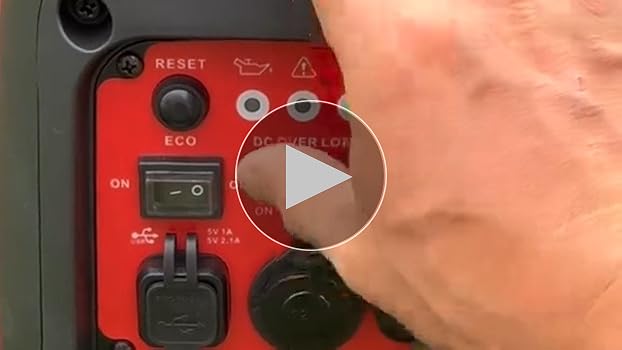
Credit: www.amazon.com
Frequently Asked Questions
What Is The Downside Of An Inverter Generator?
Inverter generators cost more upfront and require complex, expensive maintenance. They offer limited high-power options and depend entirely on fuel.
What Is The 20/20/20 Rule For Generators?
The 20/20/20 rule for generators means running the generator at 20% load for 20 minutes every 20 hours. This prevents engine fouling and ensures efficient operation.
Can An Inverter Generator Power A Whole House?
An inverter generator can power essential home appliances but usually cannot support an entire house. Its capacity suits smaller loads and partial backup. For whole-house power, a larger standby generator is often necessary.
What Can A 2000 Watt Inverter Generator Power?
A 2000 watt inverter generator powers small appliances, lights, laptops, TVs, and charging devices simultaneously. It suits camping and emergency use.
What Is An Inverter Generator?
An inverter generator produces clean, stable power using advanced electronics and a microprocessor.
Can Inverter Generators Provide High Power Output?
Yes, but they usually deliver moderate power suited for small to medium devices.
Are Inverter Generators Cheaper Than Conventional Ones?
Inverter generators cost more upfront due to advanced technology but save fuel over time.
How Efficient Are Inverter Generators?
They use fuel efficiently by adjusting engine speed to match power demand.
Do Inverter Generators Require Complex Maintenance?
Yes, their advanced parts can make maintenance costlier than traditional generators.
Can Inverter Generators Power Large Appliances?
Most models are better for small to medium appliances, not heavy machinery.
Conclusion
Inverter generators can deliver good power with better fuel efficiency. They cost more upfront but save money over time. Maintenance may be complex due to advanced parts. Their power output suits many, but very high demands may need other options.
Fuel supply must be steady for continuous use. Safe outdoor use only, due to emissions. Overall, they offer a balance of power and cost for many users. Choose based on your specific needs and budget.