
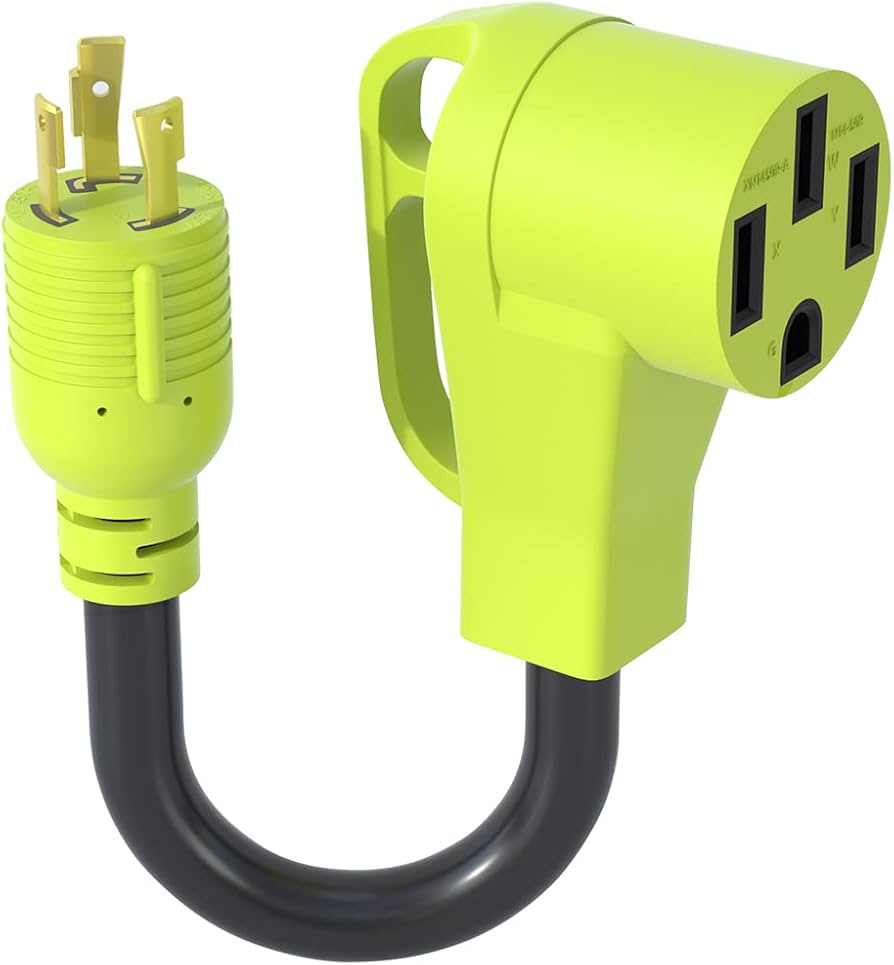
Choose 30 Amp for small RVs and essentials; choose 50 Amp for full-hookup RVs and higher loads.
I’ve spent years installing and troubleshooting RV power and backup systems, so I know how confusing the 30 Amp Vs 50 Amp generator choice can be. This article breaks down the real differences, practical pros and cons, wiring and plug facts, and how to pick the right generator for your camper, home backup, or jobsite. Read on to learn clear, tested advice that will help you avoid common mistakes and pick the right power setup with confidence.

What does "30 Amp Vs 50 Amp Generator" mean?
Understanding the phrase 30 Amp Vs 50 Amp generator starts with amps, volts, and watts. Amps measure current. Generators are rated by the maximum current they can supply at a given voltage. A 30 Amp generator usually supplies 120 volts and up to 30 amps. A 50 Amp system often supplies two 120-volt legs for a combined 240 volts and up to 50 amps per leg, giving more power overall.
Key quick facts:
- 30 Amp systems supply up to about 3,600 watts at 120 V.
- 50 Amp systems supply up to about 12,000 watts total across two legs.
- The plugs and cords differ in shape, wiring, and pin count.
When people search 30 Amp Vs 50 Amp generator they want to know capacity, compatibility, cost, and safety. I’ll cover all of that in plain language and with usable rules of thumb.
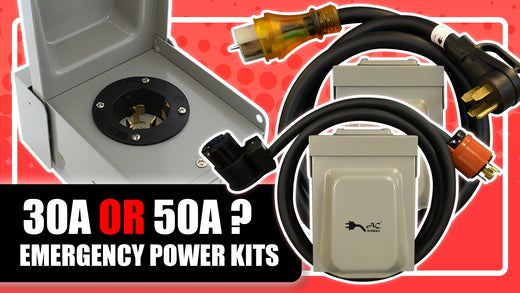
Power capacity and what it runs
Capacity is the most important difference in the 30 Amp Vs 50 Amp generator debate. Capacity tells you what appliances you can run at once.
30 Amp generator: typical loads it can handle
- Small RV air conditioner (one small unit)
- Lights and small appliances like a microwave (compact)
- Water heater if electric draw is low
- Refrigerator and a few 12V devices via inverter
50 Amp generator: typical loads it can handle
- Two RV A/C units running at once
- Full kitchen: oven, microwave, coffee maker
- Multiple appliances and power tools simultaneously
- Home backup for essential circuits if wired properly
Practical example: If you want to run two 15,000 BTU RV air conditioners, a 50 Amp generator is the safer bet. If you only need lights, fridge, and occasional microwave use, a 30 Amp generator often suffices.
The bottom line in the 30 Amp Vs 50 Amp generator choice is match capacity to real peak loads, not just average use.

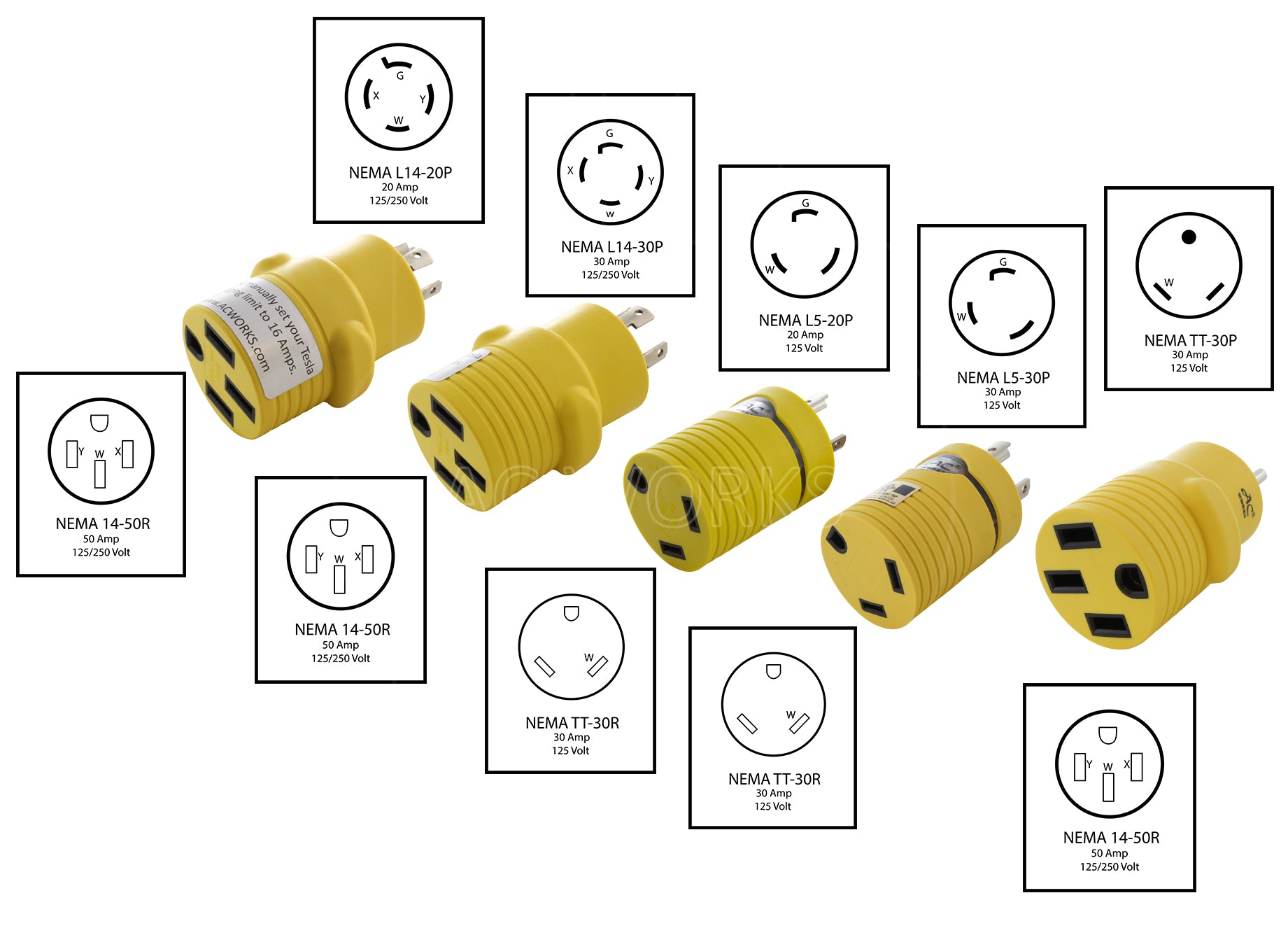
Plugs, cords, and wiring differences
The 30 Amp Vs 50 Amp generator comparison includes clear plug and wiring differences that affect compatibility and safety.
30 Amp systems
- Use a 3-prong TT-30 plug
- Carry 120 volts on a single hot leg
- Simpler cords, lighter and less expensive
50 Amp systems
- Use a 4-prong 14-50 or 4-prong RV-style plug
- Provide two 120 V hot legs plus neutral and ground
- Heavier cords and larger breakers; require compatible inlet on RV or transfer switch
Compatibility tips
- Never force a plug into a mismatched inlet.
- Use only approved adapters and understand they can limit capacity or create imbalance.
- For home backup, a transfer switch is safer than makeshift adapters.
These wiring differences are central when deciding between 30 Amp Vs 50 Amp generator setups. Use the right cords and breakers.
Cost, size, and fuel consumption
Cost and running cost are big practical factors in the 30 Amp Vs 50 Amp generator decision.
Upfront cost
- 30 Amp generators are typically smaller and cheaper.
- 50 Amp generators are larger, costlier, and often built for heavier duty.
Fuel and runtime
- Bigger 50 Amp units use more fuel at full load.
- At partial load, a 50 Amp generator can be more fuel-efficient per watt if run near its optimal range.
- Consider inverter generators for quieter, more efficient operation at light loads.
Maintenance and longevity
- Larger 50 Amp generators often have stronger engines and cooling, which helps longevity if maintained.
- Regular oil changes, fuel stabilizer, and load testing extend life for both types.
When weighing 30 Amp Vs 50 Amp generator budgets, factor purchase price, fuel, maintenance, and how often you plan to run at high load.

Installation, safety, and code considerations
Safety and code are non-negotiable when choosing between 30 Amp Vs 50 Amp generator systems.
Permits and electrical code
- Local codes may require permits for permanent generator installs and transfer switches.
- 50 Amp setups for home backup usually need a manual or automatic transfer switch to isolate from the grid.
Grounding and bonding
- Follow the generator manual and local code for grounding.
- Incorrect bonding between neutral and ground can create shock hazards.
Generators and carbon monoxide
- Always run generators outdoors, away from windows and vents.
- Install CO detectors in your RV or home for safety.
Safety checklist for both 30 Amp and 50 Amp
- Use properly rated cords and inlets.
- Keep generators dry and on stable ground.
- Test battery and fuel lines regularly.
Safety is a major part of the 30 Amp Vs 50 Amp generator decision. Never cut corners to save money.
Adapters, load balancing, and practical hacks
People often try to adapt one system to another. Here’s what works and what to avoid.
Common adapters
- 30 Amp to 50 Amp adapters exist, but they may create overload risk if all power is used.
- Adapters that split a 50 Amp generator to feed 30 Amp loads must respect amperage limits.
Load balancing tips
- On 50 Amp systems, balance large loads across both legs when possible.
- Avoid running two heavy loads on the same leg.
Practical hacks
- Use a clamp meter to check current draw before adding more devices.
- Prioritize essential circuits: fridge, pumps, and heating/cooling first.
Adapters and hacks can bridge the gap between 30 Amp Vs 50 Amp generator setups, but they require careful planning and respect for ratings.

Which is right for RVing, home backup, and work sites?
Use-case guidance helps choose between 30 Amp Vs 50 Amp generator options.
RVing
- If your RV has a single A/C unit and light appliances, 30 Amp is common and economical.
- If your RV has two A/C units, multiple large appliances, or full hookups, 50 Amp is better.
Home backup
- For basic backup (fridge, lights, furnace), a 30 Amp portable generator with a transfer switch can work.
- For whole-house backup or many circuits, a 50 Amp or larger generator wired to a transfer switch is the right choice.
Work sites
- Power tools and welders need more amps. Choose 50 Amp or commercial generators sized to tool loads.
Match the choice to usage. Think not just about immediate needs, but future upgrades. This is key in the 30 Amp Vs 50 Amp generator decision.

My experience, lessons learned, and tips
I’ve installed both 30 Amp and 50 Amp systems for RVers and homeowners. Here are real lessons from the field.
Personal lessons
- Once, I saw an adapter used so often it melted; always respect amperage ratings.
- Balancing loads on a 50 Amp generator drastically reduced tripped breakers at a busy campsite.
- A small inverter generator saved fuel when I only needed lights and phone charging.
Practical tips
- Do a load test at the campsite or jobsite before relying on a generator for a long trip.
- Carry common fuses, a voltmeter, and a good quality adapter if you plan mixed hookups.
- Label cords and breakers to avoid accidental overload.
Mistakes to avoid
- Don’t assume a 50 Amp inlet means unlimited power; the generator still has rated limits.
- Avoid running heavy loads for long periods on undersized cords or adapters.
These hands-on tips make the 30 Amp Vs 50 Amp generator choice safer and more predictable.
Quick PAA-style questions
How many watts does a 30 Amp generator provide?
A 30 Amp generator at 120 V gives roughly 3,600 watts maximum. Real usable power is lower after accounting for surge and efficiency.
Can I use a 30 Amp generator for a 50 Amp RV?
You can use adapters, but you will not get full power and risk tripping breakers if you exceed the 30 Amp limit. Prioritize essential loads only.
Is a 50 Amp generator worth the extra cost?
If you need multiple A/C units, heavy appliances, or whole-house backup, a 50 Amp generator is worth the cost. For light use, a 30 Amp model can be cheaper and simpler.
Frequently Asked Questions of 30 Amp Vs 50 Amp Generator
What is the main difference between 30 Amp and 50 Amp generators?
The main difference is how much current they supply and the plug/wiring style. A 50 Amp generator supplies much more total wattage and has two hot legs.
Can a 50 Amp generator run a 30 Amp RV?
Yes. With the correct 50-to-30 Amp adapter and proper safety checks, a 50 Amp generator can run a 30 Amp RV without issue.
Will a 30 Amp generator run my RV air conditioner?
A 30 Amp generator can run a small RV air conditioner but may struggle with larger or multiple units. Check the AC start-up amperage.
Do I need a transfer switch for a 50 Amp home hookup?
Yes. For safe home backup and legal compliance, a transfer switch is typically required to isolate your generator from the grid.
How do I know which generator size I need?
List your devices, add their starting and running watts, and pick a generator that covers the peak demand plus a safety margin.
Conclusion
Choosing between a 30 Amp Vs 50 Amp generator comes down to matching real power needs, safety, and budget. For light RV use and basic backup, 30 Amp often wins for cost and simplicity. For full-hookup RVs, multiple A/C units, or whole-house backup, 50 Amp is the smarter choice. Test your actual loads, use the right cords and transfer equipment, and follow safety rules. Try a load test or consult a pro before committing. If you found this helpful, leave a comment, share your setup, or subscribe for more hands-on power tips.