

A hospital backup generator is a life-saving system that keeps critical care running during power loss.
I have spent years working with hospital facility teams and emergency planners to specify, install, and maintain backup generator systems. This guide explains why a Backup Generator For Hospital matters, how to choose the right one, what codes and tests matter, and practical lessons I learned in the field. Read on for clear, real-world advice that helps clinical teams and facilities managers keep patients safe when the grid fails.
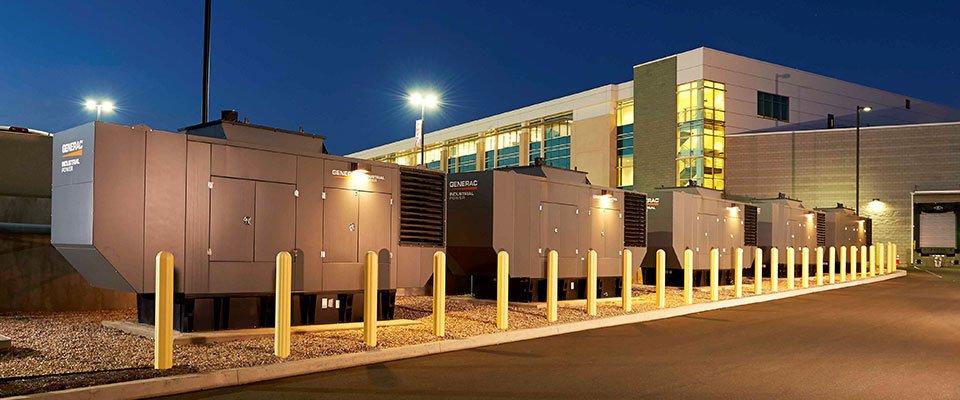
Why a Backup Generator For Hospital Is Essential
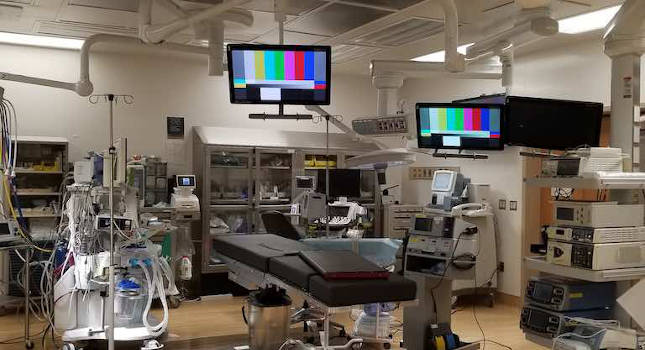
A Backup Generator For Hospital provides power to life-support equipment, lighting, HVAC, and communications during outages. Hospitals depend on continuous electricity for ventilators, monitors, lab equipment, and elevators. Even short outages can risk patient safety and interrupt care.
Key reasons hospitals need backup power:
- Protect patients on life support and monitoring systems.
- Maintain sterile environments in operating rooms.
- Keep refrigeration for medicines and blood supplies.
- Ensure building systems like fire alarms and elevators remain active.
A reliable Backup Generator For Hospital is not optional. It is part of patient safety and risk management planning. Facility teams must design systems with redundancy and clear testing schedules.
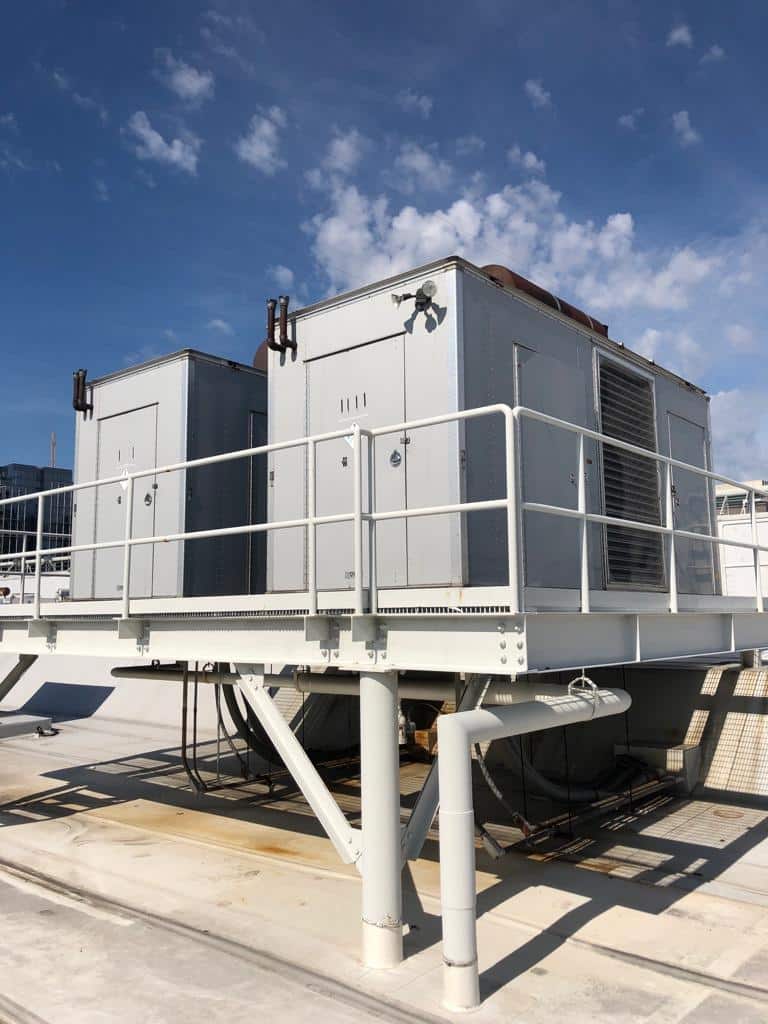
Types of Backup Generators For Hospital
Selecting the right generator type affects reliability, runtime, and maintenance costs. Common options include:
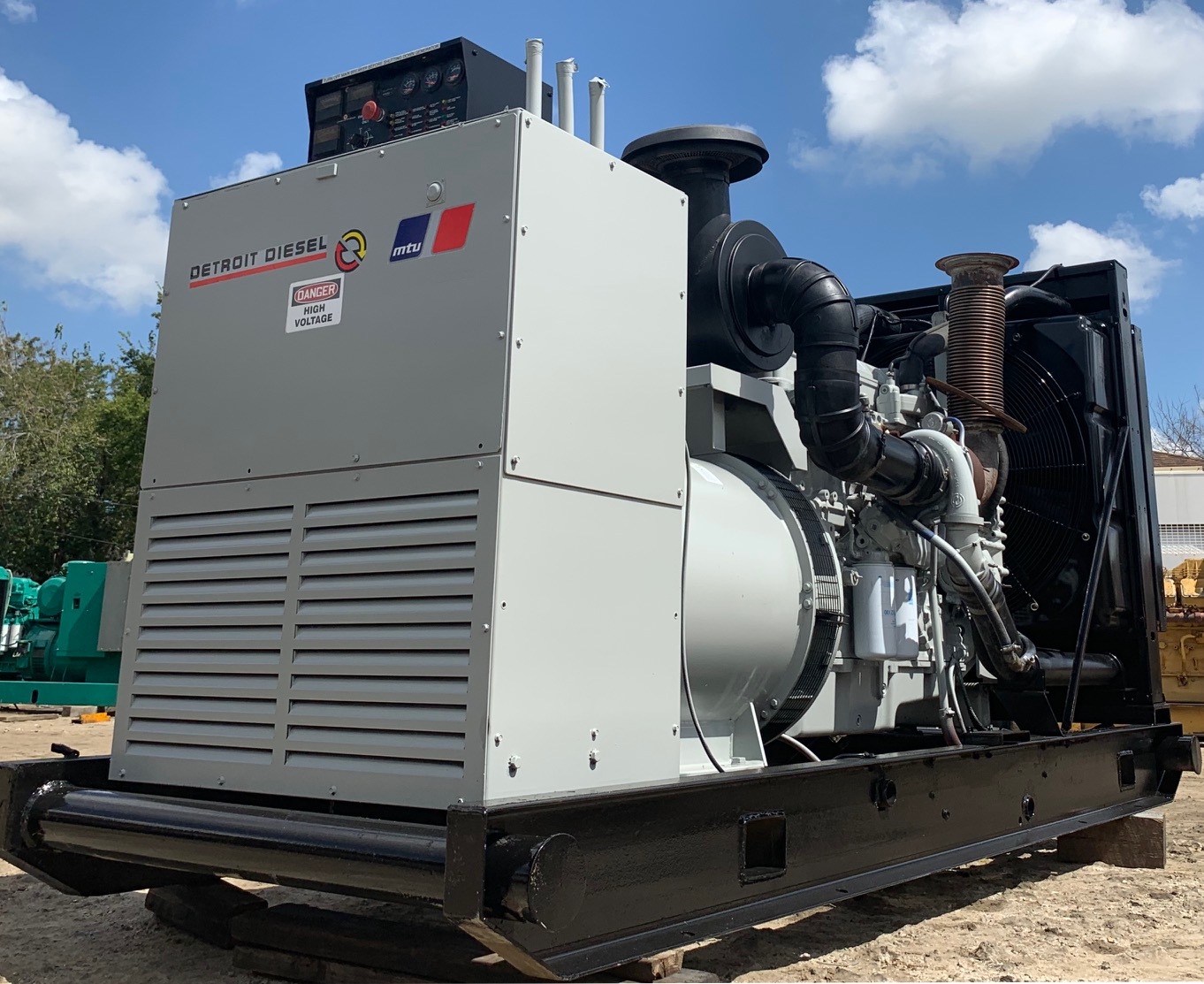
- Diesel generators
- Proven reliability and high power density.
- Good for long runtime and heavy loads.
- Natural gas generators
- Cleaner emissions and continuous fuel supply if utility gas remains available.
- May be vulnerable if gas distribution is interrupted.
- Liquid propane generators
- Useful in locations without reliable natural gas.
- Fuel storage limits runtime.
- Dual-fuel systems
- Offer flexibility to switch between fuels.
- Increase resilience in long emergencies.
- Hybrid and battery systems
- Battery backup (UPS) handles brief switchover and sensitive loads.
- Hybrid systems can reduce fuel use and emissions when paired with generators.
Choosing the right Backup Generator For Hospital depends on site fuel access, expected run time, emissions rules, and maintenance capacity. Often, a mix of technologies gives the best resilience.

Sizing and Load Calculation for Hospitals
Correct sizing prevents overload and ensures essential circuits stay powered. Steps to size a Backup Generator For Hospital:
- Inventory loads
- List critical equipment: ventilators, NICU, ORs, imaging, refrigeration, IT, pumps.
- Classify priorities
- Assign life-safety loads, critical loads, and noncritical loads.
- Calculate starting currents
- Motors and compressors need extra capacity at startup.
- Add redundancy factor
- Design with spare capacity (often 15–25%) to allow for future expansion.
- Use a diversity factor
- Not every device runs at full capacity simultaneously.
A precise load study for a Backup Generator For Hospital is essential. I recommend working with electrical engineers and clinical staff to validate the list of critical loads.

Installation, Transfer Systems, and Placement
How the generator connects matters as much as the generator itself. Key topics:
- Automatic Transfer Switch (ATS)
- Ensures fast, automatic changeover to generator power.
- Test the ATS regularly to confirm reliable switching.
- Manual transfer options
- Useful for planned maintenance or staged startups.
- Require trained staff and clear procedures.
- Location and enclosure
- Place generators away from air intakes and sensitive areas.
- Use weatherproof, sound-attenuated enclosures in populated zones.
- Fuel storage and piping
- Comply with fire and environmental codes for fuel tanks.
- Plan containment and spill prevention.
- Vibration and seismic mounting
- Secure mounts and flexible connections reduce damage risk in quakes.
During one hospital retrofit I managed, moving the generator to a lower noise enclosure and adding a dedicated ATS cut switchover time by half. Small installation choices can make a big difference in real operations.

Maintenance, Testing, and Lifecycle Management
A Backup Generator For Hospital must be tested and serviced on a set schedule to be trustworthy. Best practices:
- Routine inspections
- Weekly visual checks and monthly exercise runs under load.
- Load bank testing
- Annual or semi-annual full-load tests validate cooling and fuel systems.
- Fuel quality and treatment
- Diesel degrades. Use filters, water separators, and rotation plans.
- Battery and UPS maintenance
- Replace batteries per manufacturer schedules and test UPS transfer.
- Record keeping
- Log all tests, repairs, fuel usage, and part changes for compliance.
I once found a generator that would run but failed to start under real load because its battery bank was weak. Regular testing saved patient care during the next storm.
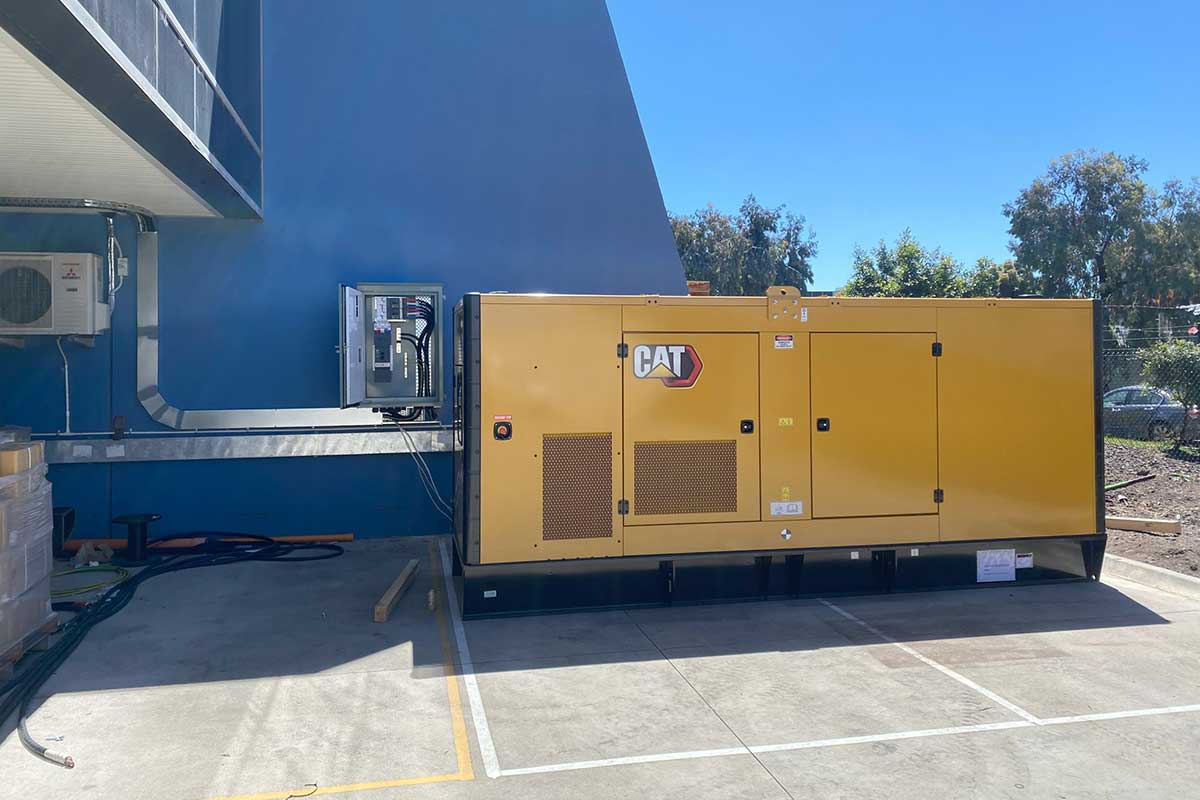
Regulations, Codes, and Compliance
Hospitals face strict rules for backup power. Know the applicable standards:
- National and local electrical codes
- Define how life-safety circuits must be powered.
- Healthcare facility standards
- Require separate systems for life safety and critical care areas.
- Environmental and air quality rules
- Emissions limits can affect fuel choices for a Backup Generator For Hospital.
- Accreditation and inspection schedules
- Accreditation bodies require documented backup power plans and tests.
- Fuel storage and fire safety
- Tanks and piping must meet fire codes and spill prevention rules.
Work with compliance officers and authorities to ensure your Backup Generator For Hospital meets all requirements. Documentation is as important as equipment.
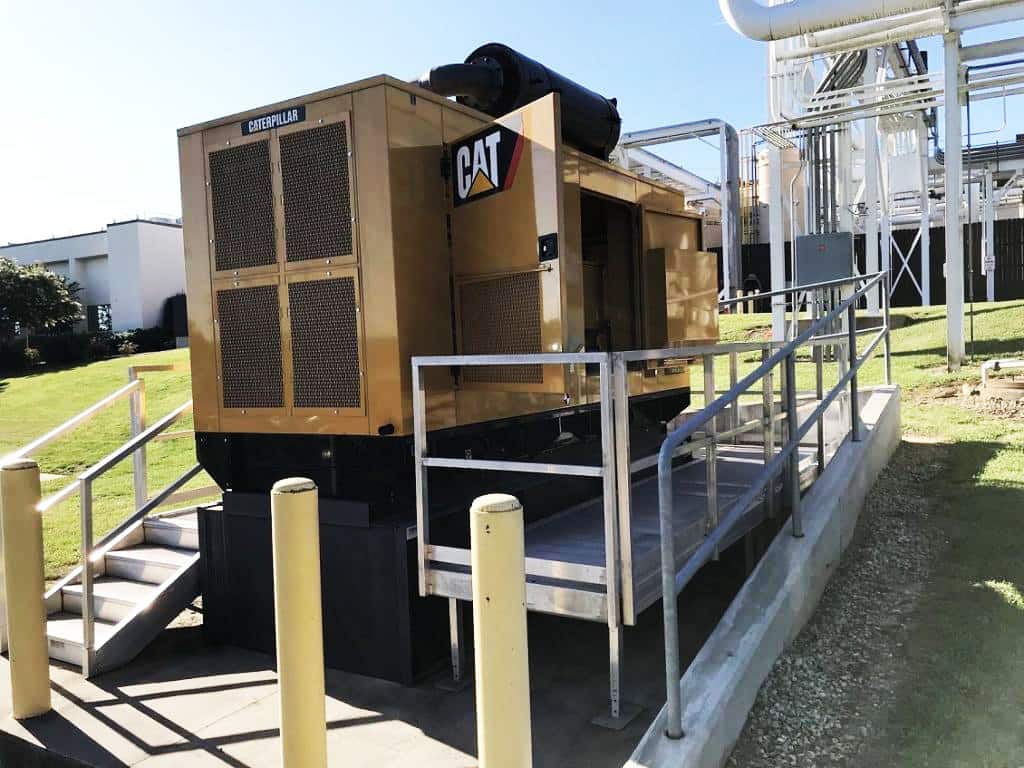
Cost, Budgeting, and Financing Options
Budgeting for a Backup Generator For Hospital requires accounting for capital and operating expenses.
Typical cost drivers:
- Generator capacity and technology
- Installation complexity, ATS, and transfer wiring
- Fuel tank size and fuel supply systems
- Enclosures, noise mitigation, and site work
- Ongoing fuel, testing, and maintenance costs
Financing options:
- Capital expense budgets
- Resilience grants and state funding
- Long-term service contracts that include parts and testing
- Leasing or power-as-a-service for some sites
A total cost-of-ownership view helps hospitals choose the best Backup Generator For Hospital option for their budget and risk tolerance.
Case Studies and Personal Lessons
Real examples bring lessons to life.
Example 1: Mid-size hospital
- Installed dual diesel generators with ATS and remote monitoring.
- Result: Zero downtime for critical care during a multi-day regional outage.
Example 2: Urban medical center
- Switched to natural gas generators with local gas reliability backups.
- Result: Lower fuel handling costs but added a small LPG backup for redundancy.
Lessons learned from my experience:
- Always test under realistic load. Simulation is not enough.
- Train staff on manual transfer and emergency shutdowns.
- Plan for fuel logistics in long-duration events.
- Keep spare parts on site for common failures.
These practical tips can make a Backup Generator For Hospital perform when it matters most.
Common Pitfalls and How to Avoid Them
Avoid these frequent mistakes:
- Undersizing the generator
- Leads to overloads and trips during emergencies.
- Neglecting battery and fuel systems
- Causes failure on start or during extended runtime.
- Poor documentation
- Fails inspections and confuses staff during drills.
- Ignoring emissions and local rules
- Can result in fines or required equipment changes.
- Not training operators
- Increases recovery time during real outages.
Fix these by doing a proper load study, scheduling maintenance, and running regular drills for the Backup Generator For Hospital team.
How to Evaluate Vendors and Service Contracts
Choosing the right partner matters. Steps to evaluate:
- Check healthcare experience
- Select vendors who know hospital codes and life-safety priorities.
- Review references and case studies
- Ask for hospitals similar in size and complexity.
- Compare service response times
- Fast response is critical during outages.
- Inspect contract details
- Ensure regular testing, spare parts, and fuel handling are covered.
- Consider remote monitoring
- Real-time alerts help prevent small issues from becoming big failures.
I recommend site visits and trial periods when possible. A trustworthy vendor helps keep your Backup Generator For Hospital ready.
Emergency Planning and Integration with Hospital Operations
Backup power is most effective when integrated into broader emergency plans.
- Create clear power priorities
- Who decides which systems get power during constrained scenarios?
- Coordinate with clinical teams
- Ensure equipment needs match generator capacity and circuits.
- Practice realistic drills
- Include ATS tests and simulated multi-system failures.
- Update the plan after events
- Learn from real outages and near-misses.
When staff know the plan and equipment works, patient care remains steady under stress.
PAA-Style Quick Questions
- What should a generator power in a hospital?
- Life-safety systems, critical clinical equipment, HVAC for sterile areas, refrigeration for meds and blood, and essential IT and communications.
- How often should hospital generators be tested?
- Weekly visual checks, monthly exercise runs, and annual full-load or load bank tests are common best practices.
- Can hospitals rely on utility gas for generators?
- Many do, but you should plan secondary fuels or dual-fuel options in case gas distribution fails.
Frequently Asked Questions of Backup Generator For Hospital
How long should a hospital backup generator run during an outage?
Hospital generators should be able to run long enough to maintain critical services until power is restored or fuel resupply occurs. Typical designs allow for several days of operation with planned refueling.
What is the difference between life-safety and critical loads?
Life-safety loads support building safety systems like fire alarms and emergency lighting. Critical loads include medical devices and clinical systems vital for patient care. Both receive high priority in backup planning.
Do hospitals need multiple generators?
Many hospitals use multiple generators for redundancy and staged load transfer. Multiple units offer maintenance flexibility and reduce single-point failure risk.
How often are inspections required by authorities?
Inspections vary by jurisdiction but usually include routine weekly checks, monthly tests, and annual inspections or full-load tests. Accreditation bodies also require documented testing.
What fuel type is best for hospital backup generators?
There is no one-size-fits-all answer. Diesel is reliable for long runs, natural gas reduces handling needs and emissions, and dual-fuel adds resilience. Site constraints and local codes guide the choice.
Conclusion
A Backup Generator For Hospital is a critical element of patient safety and operational resilience. Choose the right technology, size it correctly, follow strict testing schedules, and integrate the system into your emergency plans. Practical lessons—regular testing, trained staff, and clear documentation—make the difference in real events. Take action now: review your current backup power plan, schedule a full-load test, and talk to an experienced vendor to ensure your hospital stays powered when it matters most. Leave a comment or subscribe for more guides on healthcare facility resilience.