
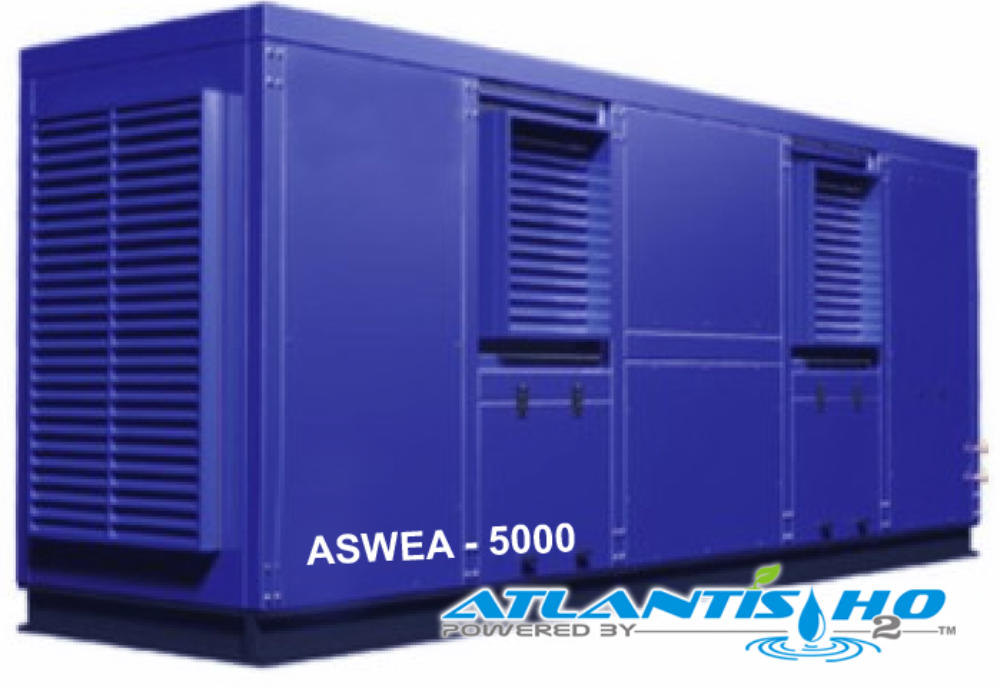
Atmospheric water generators usually range from $1,500 for small units to $30,000+ for commercial systems.
I’ve spent years evaluating water tech and installing systems for homes and small businesses, so I can walk you through exactly how much does an atmospheric water generator cost, what drives price differences, and how to decide if one makes sense for your needs. This guide breaks down upfront prices, operating costs, real-world examples, pros and cons, and practical tips I learned on installations and tests.

What is an atmospheric water generator and why price varies
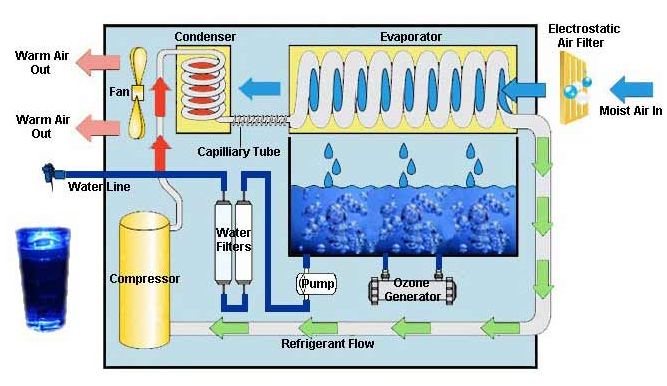
An atmospheric water generator pulls moisture from air and turns it into liquid water you can use. These units work like small dehumidifiers with added filters and sanitizers. How much does an atmospheric water generator cost depends on capacity, tech, build quality, and local climate. Lower humidity cuts output and raises effective cost per gallon, so buyers near humid coasts get more water for the same price.
Common factors that change price
- Capacity rated in liters or gallons per day
- Filtration, UV sterilization, and post-treatment features
- Energy efficiency and compressor quality
- Build material and weatherproofing for outdoor use
- Brand, warranty, and service network
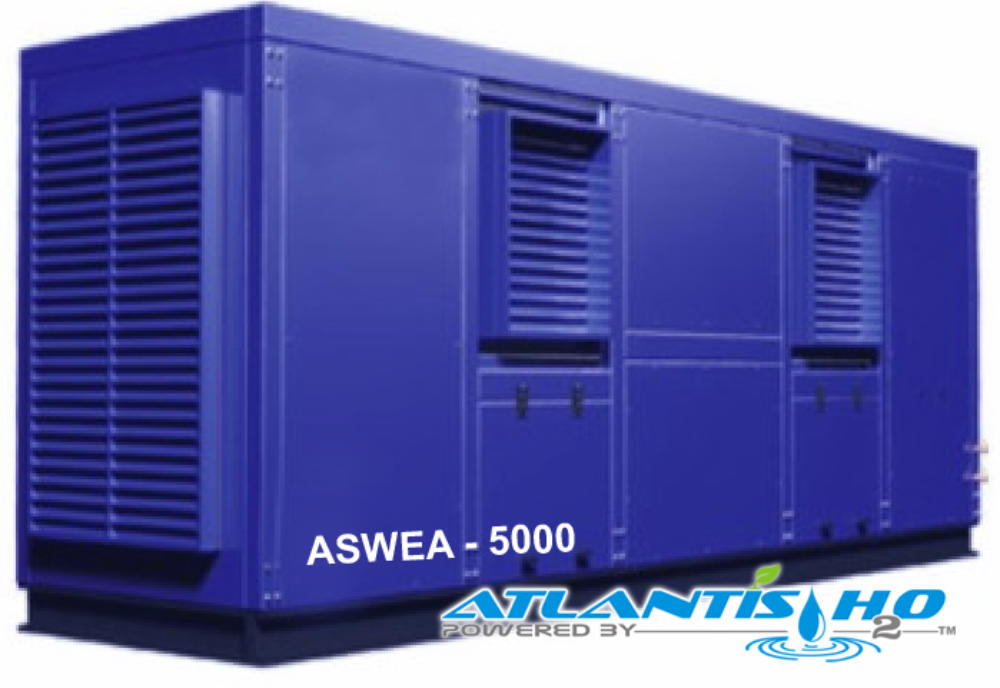
Typical price ranges and what you get
Residential and small office units
Small units for home use typically cost between $1,500 and $6,000. These usually make 5 to 30 gallons per day and include basic filters and UV treatment. How much does an atmospheric water generator cost here depends mostly on output and filtration.
Mid-size and commercial units
Mid-range systems for offices, clinics, or schools run $6,000 to $25,000. They make 30 to 500 gallons per day and include better compressors, larger condensers, and more robust filtration. You’ll also see smart controls and remote monitoring in this band.
Industrial and large-scale systems
Large-scale or industrial systems can cost $25,000 to over $100,000. These systems are modular, can make thousands of gallons per day, and need professional installation and often dedicated power or HVAC integration. How much does an atmospheric water generator cost at this scale reflects engineering, redundancy, and compliance work.

Breakdown of upfront costs
Here’s how the price typically splits
- Equipment cost: Core unit price, from $1,500 to $100,000+
- Installation: $200 to $10,000 depending on complexity and electrical work
- Water treatment add-ons: $100 to $2,000 for extra filters, mineralization, or storage
- Permits and testing: $0 to $1,500 in some jurisdictions for plumbing, health checks, or building permits
- Delivery and setup: $50 to $2,000 for heavy or remote shipments
How much does an atmospheric water generator cost can be 70% equipment and 30% installation plus extras in many residential cases. For commercial installs, labor and integration rise as a share of total cost.

Operating costs: energy, filters, and maintenance
Energy use
Most units use a compressor and fans. Small home units may use 200 to 900 watts when running. Larger systems can draw several kilowatts. Energy cost is often the biggest ongoing expense. How much does an atmospheric water generator cost monthly will include this energy bill.
Filter and maintenance costs
- Filter replacements: $30 to $300 per year for small units, more for commercial models
- UV lamp changes: $20 to $200 annually depending on system size
- Routine service: $100 to $600 per visit if you hire a tech
Estimated monthly operating costs
- Small home unit: $10 to $60 per month, mostly electricity
- Mid-size unit: $50 to $300 per month
- Large/commercial: $300+ per month depending on run hours and energy prices
How climate affects price and value
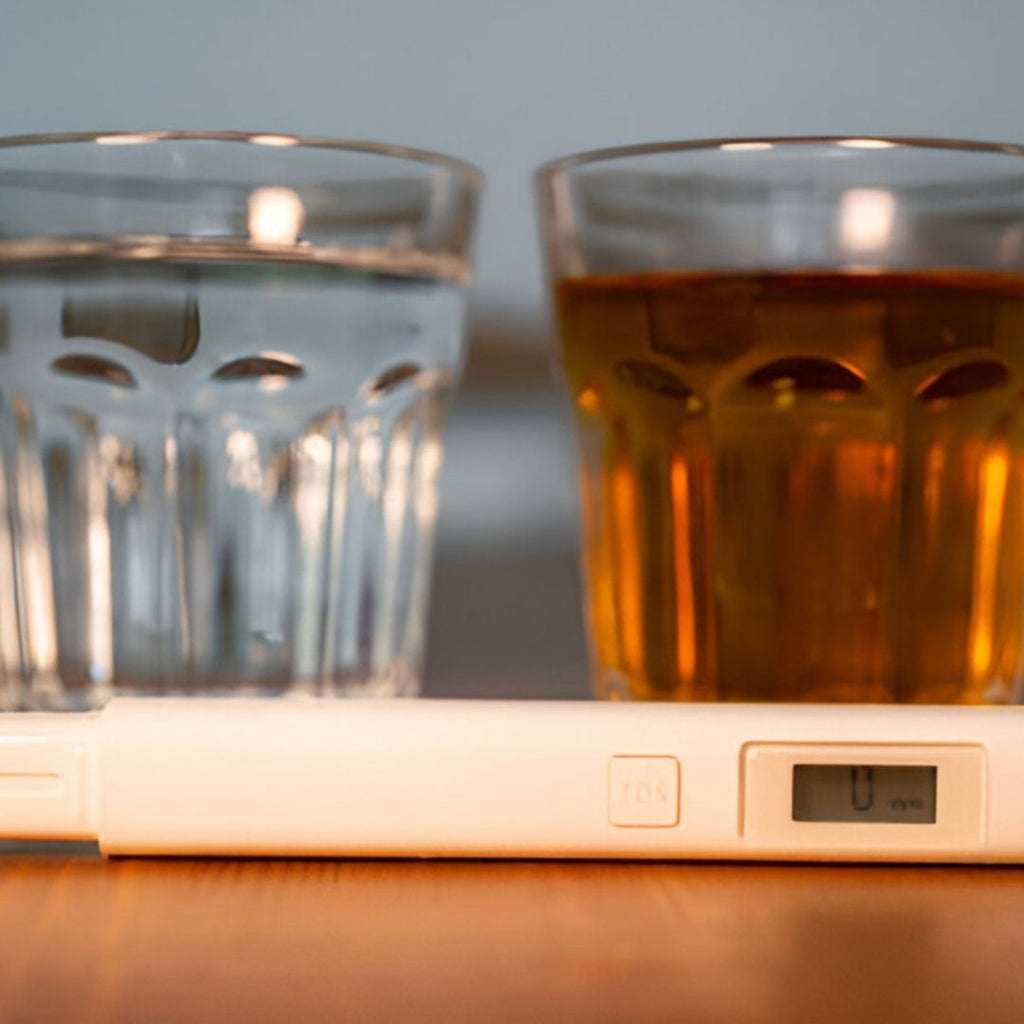
Humidity and temperature matter a lot. Units produce more water in warm, humid air. In dry climates, a unit may run much longer to make the same water, raising per-gallon cost. When asking how much does an atmospheric water generator cost, always factor local climate into the total lifecycle cost. In humid regions, payback is faster and output is higher.
Practical example
- Coastal town: 20 GPD unit may meet basic household needs for $2,000 plus low operating cost.
- Arid inland area: You might need a larger, more expensive unit or accept higher electricity bills.
Sizing examples and real price scenarios
Example 1 — Small home
- 10–20 GPD unit price: $1,800 to $4,000
- Installation: $200 to $800
- Monthly op cost: $15 to $50
Example 2 — Small clinic or office - 100–300 GPD system price: $8,000 to $20,000
- Installation and plumbing: $800 to $3,000
- Monthly op cost: $100 to $400
Example 3 — Remote village system - 1,000+ GPD modular system price: $25,000 to $80,000
- Installation and training: $2,000 to $15,000
- Monthly op cost: $500+
When you ask how much does an atmospheric water generator cost, think of both upfront price and per-gallon cost over time. A cheap unit can be expensive to run, and an expensive unit can be economical if it’s energy efficient.

Return on investment and environmental trade-offs
ROI variables
- Local water costs and availability
- Energy cost per kWh
- Unit lifespan and maintenance expenses
- Water demand profile and reliability needs
When municipal water is costly or unavailable, how much does an atmospheric water generator cost matters less than reliability. In some remote sites, AWGs can pay back in 3–6 years compared to trucked water. In cities with cheap tap water, payback may be much longer.
Environmental considerations
- AWGs use electricity and may have higher carbon footprints if grid power is fossil-fuel based.
- Using renewable energy or efficient systems lowers environmental impact.
- Compare total lifecycle emissions if sustainability is a priority.
Installation, permits, and practical tips
Site needs
- Stable, shaded, ventilated location
- Access to power and drainage
- Space for water storage tanks and service access
Permits and regulations
- Some jurisdictions classify AWGs as potable water sources and require testing.
- Check local health department rules and building codes.
Practical tips from my installs
- Size for peak need, not average need.
- Add a small storage tank and pressure pump for steady flow.
- Include pre-filters if air quality is poor to reduce maintenance.

Pros, cons, and when an AWG makes sense
Pros
- Independent water source during outages
- Potable water with proper treatment
- Useful for remote sites, disaster prep, and off-grid living
Cons
- Higher energy use than simple rain catchment
- Output falls in dry, cold air
- Upfront cost can be high for reliable supply
When to choose an AWG
- No reliable municipal water
- High cost of trucked water or bottled water
- Humid climate with steady demand
- Need for emergency, off-grid, or decentralized water supply
Buying checklist and negotiation tips
Before you buy
- Confirm true output at your local humidity and temp
- Ask for full lifecycle cost estimates: energy, filters, lamp replacements
- Request references or case studies for similar installs
- Verify warranty coverage and local service options
Negotiation tips
- Bundle installation and filters into a single quote
- Ask for measured output tests under local conditions
- Negotiate training and first-year service into the price
Personal experience, lessons learned, and common mistakes
From my fieldwork and installations I learned these simple truths. I once installed a unit without assessing local humidity and the owner had poor output and high bills. Always test a demo unit or get manufacturer data for your climate. Don’t skimp on filtration if you plan to drink the water; cheap filters lead to taste and safety problems. And plan for routine service—preventive care saves money over time.
Three things I wish I knew early
- Check energy draw under real conditions, not just rated numbers.
- Factor in replacement filter lead times and costs.
- Position the unit for airflow, not just convenience.
Frequently Asked Questions of how much does an atmospheric water generator cost(make it h2 tag)
How much does an atmospheric water generator cost for a small home?
Small home units usually cost between $1,500 and $6,000 including basic filtration. Add installation and running costs to estimate total monthly expense.
How much does an atmospheric water generator cost to run per month?
Expect $10 to $60 per month for small units, mainly from electricity and occasional filter changes. Larger systems will run higher depending on output.
How much does an atmospheric water generator cost for commercial use?
Commercial systems range from $6,000 to $25,000 for medium setups, and $25,000+ for large systems. Installation, testing, and integration add to the total.
Does climate change how much an atmospheric water generator cost-effectively?
Yes. In humid climates, units produce more water and lower the effective per-gallon cost. In arid areas, output drops and per-gallon cost rises.
What ongoing costs should I budget after buying an AWG?
Budget for electricity, filter replacements, UV lamp changes, and annual servicing. Total ongoing costs vary but are essential to plan for reliable water.
Conclusion
Choosing an atmospheric water generator means balancing upfront price, operating cost, and local conditions. You learned how much does an atmospheric water generator cost at different scales, which factors drive price, and how to size and maintain a system for long-term value. If you value water independence or face high costs for delivered water, an AWG can be a strong option when chosen and installed carefully.
Takeaway: get real output data for your climate, budget for energy and maintenance, and compare total lifecycle cost to alternatives before buying. If you found this useful, try measuring your household water use, then compare quotes from reputable suppliers and ask for test data under local conditions.