
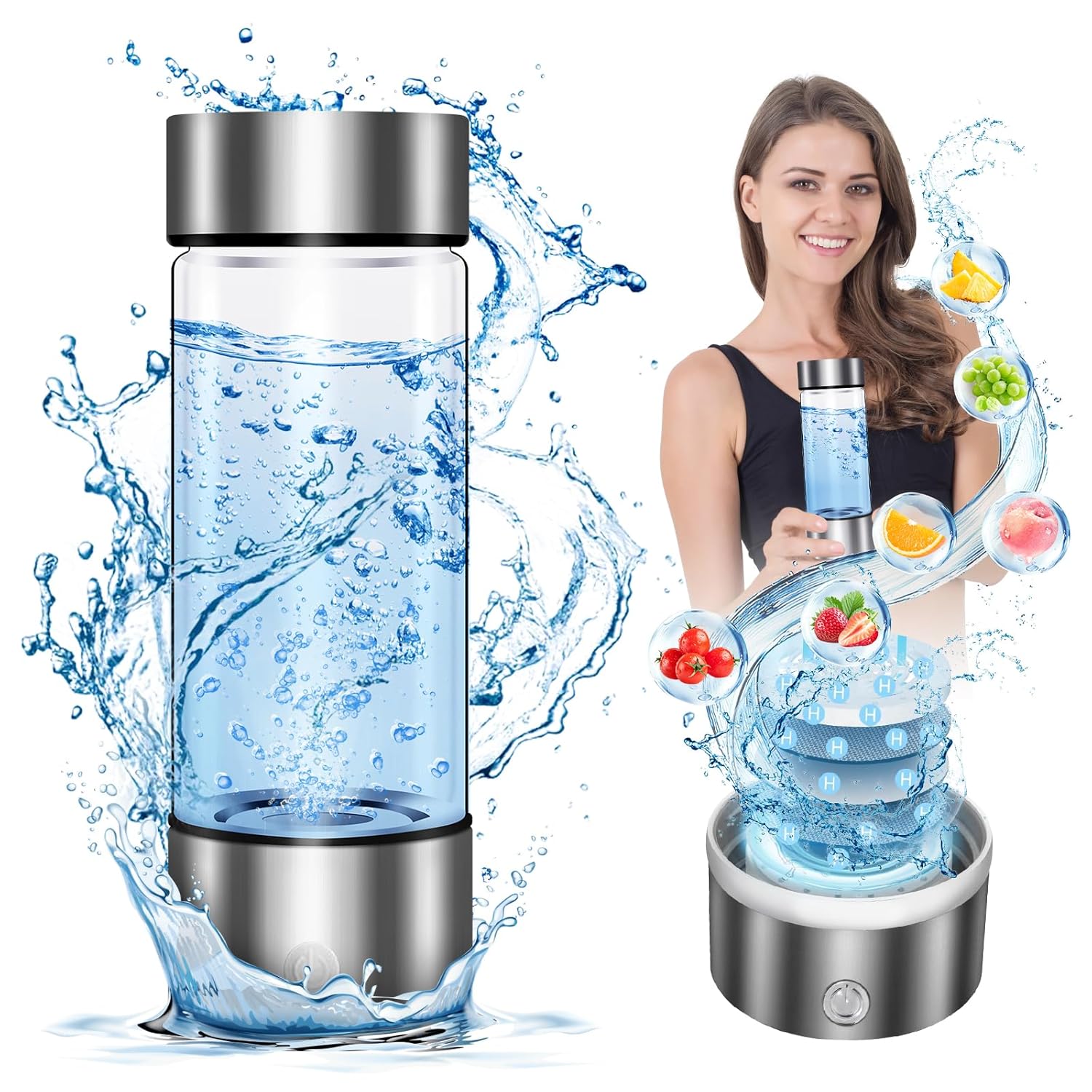
Atmospheric water generators replace polluted water sources with clean air-derived water, lowering contamination and runoff.
I have spent years working on decentralized water projects and testing atmospheric water systems in coastal and inland settings. In this article I explain how atmospheric water generators can decrease water pollution, step by step. You will learn practical ways these devices cut pollution, the limits to expect, and how to implement them responsibly. Read on for clear, practice-based guidance that blends field experience with current science.

What are atmospheric water generators?
Atmospheric water generators, or AWGs, are machines that pull moisture from the air and turn it into liquid water. They use cooling coils or desiccant materials to condense vapor, then filter and sanitize the collected water. AWGs range from small household units to large, industrial-sized systems that can supply communities. In short, they offer a local source of potable water independent of rivers, wells, or municipal supply.

How atmospheric water generators can decrease water pollution
Atmospheric water generators can decrease water pollution by lowering demand on polluted sources. When people and businesses use AWG water, they take pressure off rivers and aquifers that often carry industrial or agricultural contaminants. This reduces withdrawals from polluted sites and slows the spread of contaminants in waterways.
AWGs also reduce the need for extensive treatment of contaminated water. Treating polluted surface water often involves chemicals, sludge, and energy. Using clean AWG water for drinking and some industrial uses cuts the volume of water that must be treated, which lowers chemical discharge and treatment byproducts.
Decentralized AWG use limits long water transport lines and the leaks that add contaminants. Shorter supply chains mean fewer opportunities for pollution from pipeline corrosion, cross-connections, and sewer overflow events.
AWGs help reduce plastic waste tied to bottled water. Fewer bottled deliveries means less plastic pollution entering rivers and coastal zones. That drop in plastic waste indirectly lowers microplastic contamination in aquatic ecosystems.
Finally, AWGs offer a resilient option in areas with contaminated groundwater. They provide safe water without drilling deeper wells that can exacerbate contamination plumes. This keeps pollutants contained and reduces long-term remediation needs.
How atmospheric water generators can decrease water pollution works best when AWGs are combined with conservation, source protection, and clean energy. AWGs do not fix industrial spills or agricultural runoff by themselves, but they can reduce human reliance on polluted sources and the downstream pollution that follows.

Mechanisms: exactly how AWGs block pollution pathways
- Reduce extraction from polluted sources. By replacing some withdrawals from rivers and wells, AWGs cut the flow that spreads contaminants.
- Lower treatment load. Less polluted water to treat reduces chemical discharge and sludge production from water plants.
- Cut bottled-water pollution. Local AWG supply reduces plastic bottle production and waste.
- Limit infrastructure-related contamination. Shorter, local supply chains mean fewer leaks and cross-connections that pollute water.
- Provide alternatives during contamination events. AWGs can supply safe water when municipal systems are compromised, preventing unsafe ad hoc solutions that cause pollution.
How atmospheric water generators can decrease water pollution depends on deployment scale, local humidity, and energy sourcing. When paired with renewable energy, AWGs offer a cleaner path than hauling and treating contaminated water.

Benefits and environmental trade-offs
Benefits
- Immediate potable water in contaminated zones. AWGs provide safe, treated water at the point of use.
- Reduced pollution from treatment plants. Lower volumes for centralized treatment mean fewer discharges.
- Fewer plastic bottles and less solid waste. This lowers plastic pollution in waterways.
- Decentralized resilience. Communities can avoid risky, polluting emergency water fixes.
Trade-offs and impacts
- Energy use. AWGs need electricity. If power comes from fossil fuels, pollution can shift from water to air.
- Humidity dependence. Low-humidity areas produce less water, limiting effectiveness.
- Resource and material footprint. Manufacturing AWGs and filters involves metals and plastics that must be managed responsibly.
How atmospheric water generators can decrease water pollution is strongest when energy is green and AWGs are part of a wider pollution control plan. That balance keeps environmental benefits real and measurable.

Real-world examples and lessons from the field
I worked on a coastal pilot where small AWGs supplied clinics during a river contamination event. The clinics avoided bottled water deliveries and cut local plastic waste. This lowered plastic runoff into nearby estuaries.
In a rural project, AWGs reduced well pumping by 30 percent. The drop slowed the spread of an old industrial plume and reduced costs for deep well treatment. The community also used AWG water for sensitive processes that previously required treated river water.
Lessons learned
- Match AWG size to need. Oversized systems sit idle and waste power. Undersized systems fail users and create risky fallback behaviors.
- Use renewable power when possible. Solar pairing kept operational costs low and avoided shifting pollution to emissions.
- Maintain filters and sanitation. Neglect creates local health risks and undermines environmental benefits.
These field notes show practical ways how atmospheric water generators can decrease water pollution when planned and maintained well.

Practical implementation tips
For households
- Choose the right capacity. Estimate daily liters needed and add a safety margin.
- Keep filters fresh. Change filters on schedule to avoid bacterial growth.
- Place units in ventilated, shaded areas to improve efficiency.
For communities and municipalities
- Use AWGs as part of a blended supply. Combine AWGs with conservation and source protection.
- Pilot before scale-up. Test AWGs in varied microclimates to set expectations.
- Prioritize renewable energy. Solar or wind reduces lifecycle pollution.
For industry
- Use AWG water for nonprocess uses. Cooling, cleaning, and sanitation can often use AWG water to reduce demand on treated sources.
- Monitor water quality. Ensure AWG output meets regulatory needs for the intended use.
Mistakes to avoid
- Relying on AWGs as the sole long-term solution in arid regions.
- Ignoring lifecycle waste from filters and expired units.
- Overlooking backup systems during maintenance windows.
Following these tips helps ensure that how atmospheric water generators can decrease water pollution is practical and lasting.
Costs, limitations, and future outlook
Costs
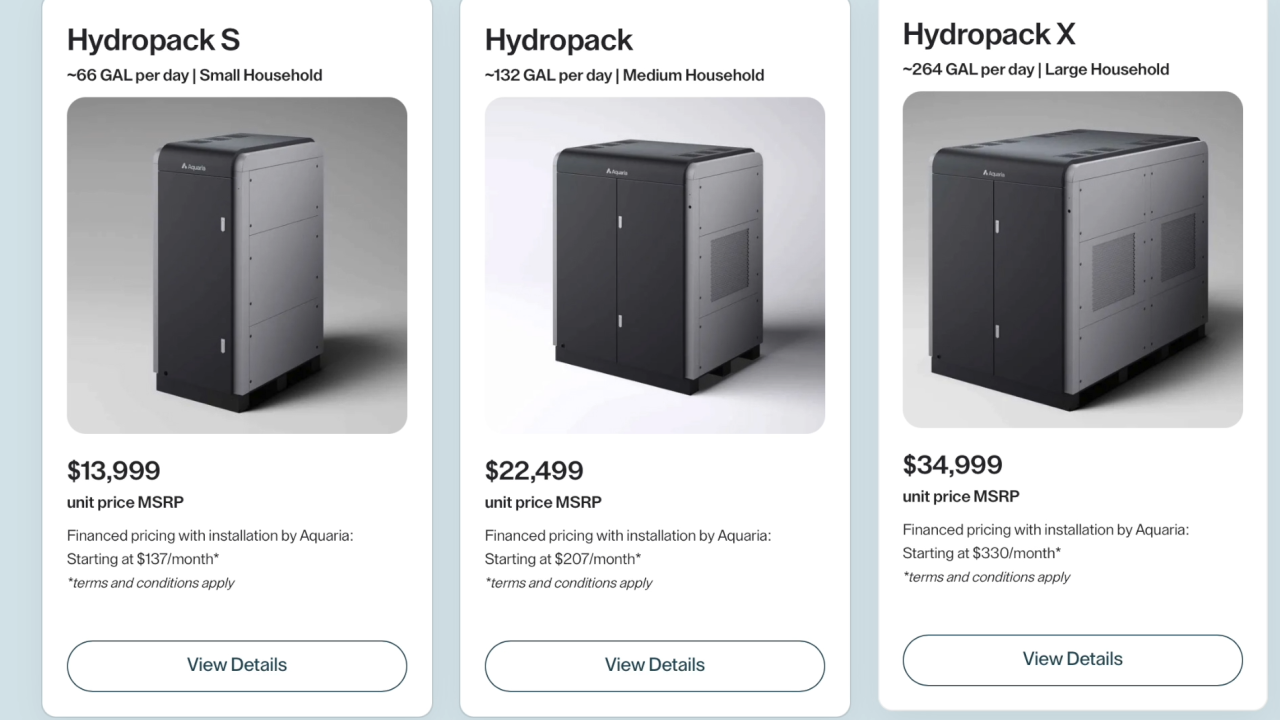
- Capital costs vary by size. Small units are affordable for homes; community-scale units cost more upfront.
- Operational costs depend on electricity prices. In many places, energy makes up most of the running cost.
Limitations
- Performance drops in low humidity. AWGs are less viable in arid deserts without energy-intensive methods.
- Energy source matters. Using fossil-fueled grids reduces net environmental benefit.
- Not a direct pollution cleanup. AWGs do not remove contaminants already in rivers or soil.
Future outlook
- Efficiency gains are making AWGs cheaper and more energy efficient.
- Combining AWGs with renewables and smart controls will widen their role in pollution reduction.
- Policy incentives and circular-economy designs for filters and parts will improve lifecycle impacts.
When planners assess how atmospheric water generators can decrease water pollution, they must weigh costs, local conditions, and energy sources. With smart design, AWGs can play an important role in cleaner water systems.
Frequently Asked Questions of how atmospheric water generators can decrease water pollution
How do AWGs make water without touching rivers or wells?
AWGs condense humidity from the air using cooling coils or desiccants. The condensed water is filtered and sanitized, so it does not rely on rivers or groundwater.
Can AWGs replace municipal water systems?
AWGs can supplement but rarely fully replace municipal systems at scale. They are best used to reduce demand, boost resilience, and cut pollution from overuse and treatment.
Do AWGs produce safe drinking water?
Yes, properly maintained AWGs with filtration and UV or chemical sanitation can produce potable water. Regular maintenance is essential to avoid microbial risk.
Will AWGs stop industrial pollution?
AWGs reduce demand on polluted sources but do not stop industrial discharge at the source. They are part of a suite of measures that together lower water pollution.
Are AWGs energy intensive?
They require energy, especially in low-humidity environments. Pairing AWGs with renewables improves their environmental profile and reduces net pollution.
Conclusion
Atmospheric water generators offer a practical way to reduce pressure on polluted rivers and aquifers, lower treatment loads, and cut plastic waste. Used thoughtfully, they can be a powerful tool in a pollution-reduction toolbox. Start by piloting AWGs where contamination is a clear issue, pair systems with renewables, and track impacts on local water withdrawals. Try a small pilot, share results, and scale what works—then leave a comment to share your experience or subscribe for more guides on clean water solutions.