
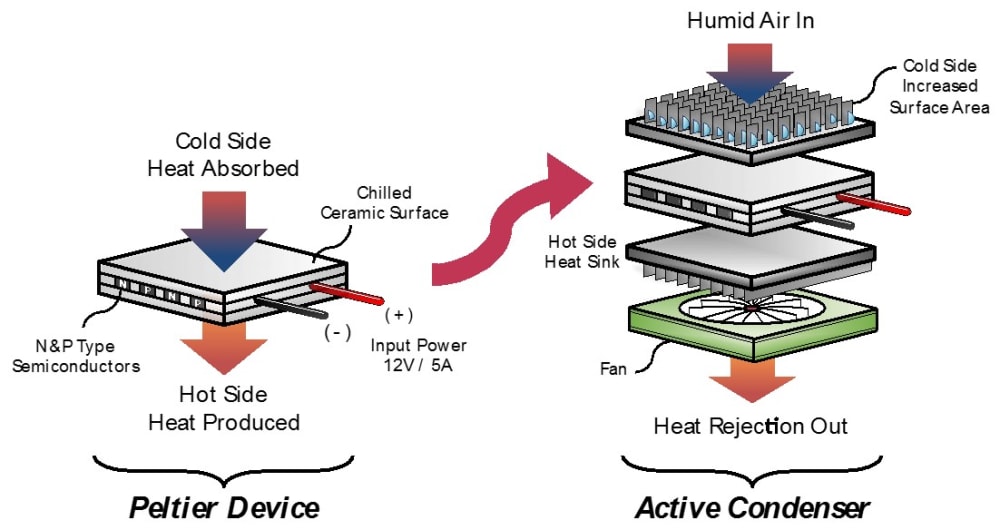
They extract water from humid air by cooling or absorbing moisture and condensing it into drinkable liquid.
I have spent years researching and testing atmospheric water systems, and I can explain how atmospheric water generators work in clear, practical terms. This article breaks the science into simple steps, compares the main types, shares real-world pros and cons, and gives hands-on tips from my field experience. Read on to learn how atmospheric water generators work, when they make sense, and how to get reliable water from the air.
Basic principles of how atmospheric water generators work
How atmospheric water generators work is simple at its core. They take in air. They cool or treat the air to make water vapor condense. That liquid is then collected and cleaned for use.
There are two main physics paths. One uses cooling and condensation. The other uses desiccants to absorb moisture. Both move water from vapor in air into liquid form.
How atmospheric water generators work depends on humidity and temperature. The more humid and warm the air, the more water you can harvest. Devices must manage airflow, energy use, and purification to produce safe water.

Types and methods: cooling vs desiccant AWGs
How atmospheric water generators work varies by type. The main types are cooling-condensation AWGs and desiccant-based AWGs.
- Cooling-condensation AWGs
- Pull air over cold coils.
- Water vapor condenses like a dehumidifier.
- Works best in warm, humid climates.
- Desiccant AWGs
- Use salt or silica to absorb moisture.
- Heat releases the water from the absorbent in a separate step.
- Better for dry climates and lower-energy setups.
- Hybrid systems
- Combine cooling and desiccant steps.
- Aim for higher yield across more climates.
Both types need filters and disinfection to make the water safe. How atmospheric water generators work in practice often blends these techniques to balance yield and energy.
Core components and the step-by-step process
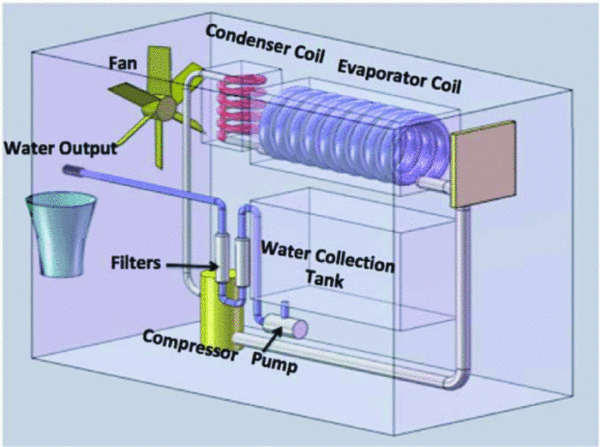
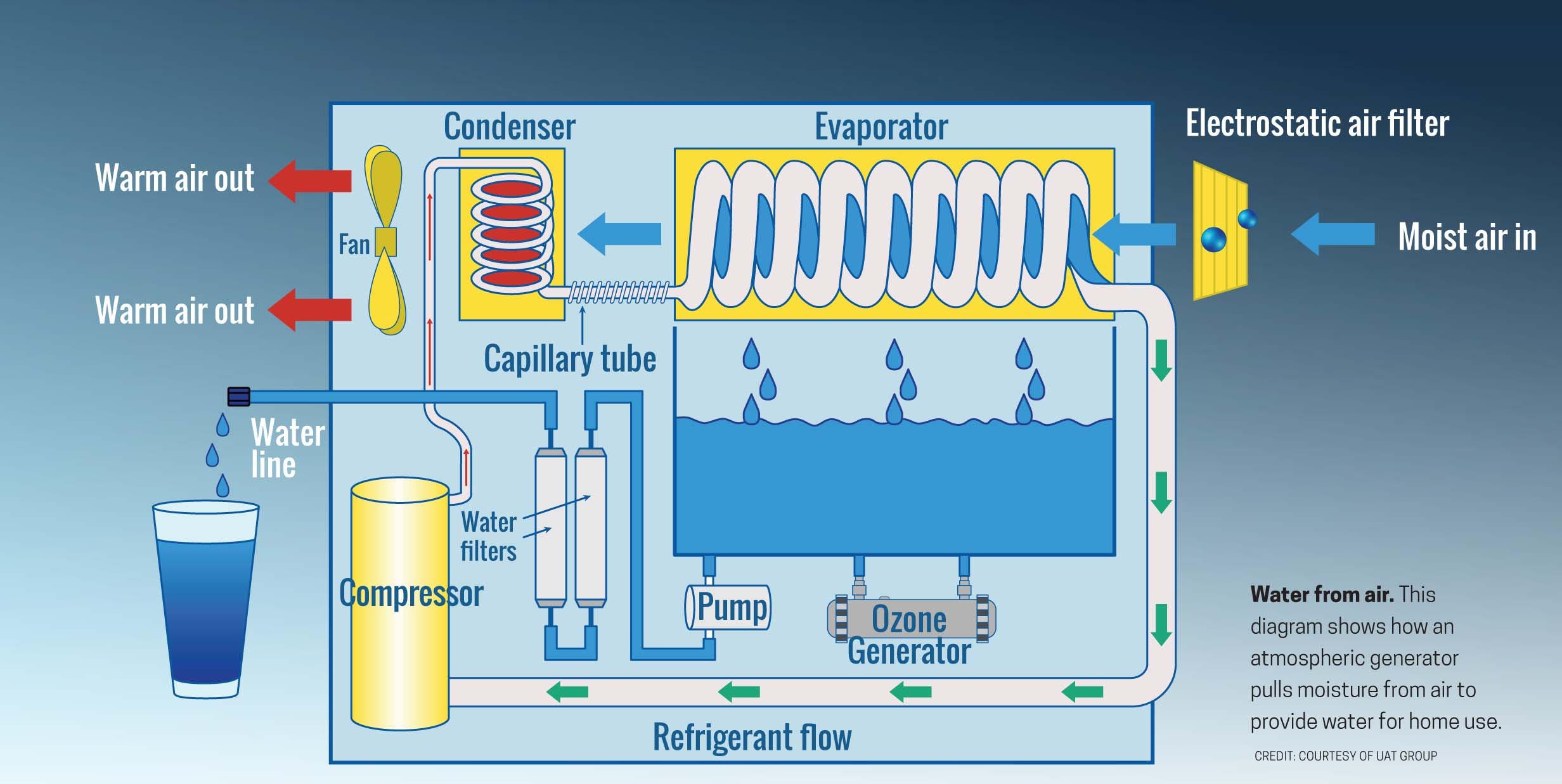
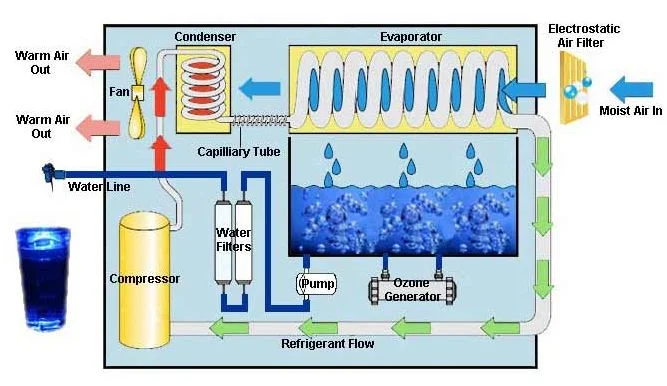
To understand how atmospheric water generators work, break the system into parts. Each part plays a role in turning air into water.
- Air intake and pre-filtration
- Removes dust and large particulates.
- Protects internal components and improves taste.
- Cooling or desiccant capture
- Cooling: air hits a cold surface and forms droplets.
- Desiccant: material adsorbs water vapor into a concentrated phase.
- Condensate collection
- Droplets drip into a sterile reservoir.
- Design minimizes contamination and losses.
- Purification and mineralization
- UV, carbon, and membrane filters remove germs and odors.
- Mineral cartridges can add healthy minerals back.
- Storage and delivery
- Tanks are sealed and often refrigerated.
- Pumps or taps provide water to users.
When you know how atmospheric water generators work at the component level, you can make smarter choices on purchase and maintenance.
Performance drivers: humidity, temperature, and energy
How atmospheric water generators work well depends on climate. Key drivers are humidity and temperature. Energy use is the other major factor.
- Humidity
- Higher relative humidity yields more water.
- Above 60% RH is ideal for cooling AWGs.
- Temperature
- Warm air holds more vapor. Hotter air often means higher yield.
- Cooling systems need to create a large temperature drop to condense.
- Energy and efficiency
- Cooling AWGs can be energy intensive.
- Desiccant AWGs can be more efficient in low-humidity conditions.
- Airflow and design
- Faster airflow brings more moisture to the capture surface.
- Good design balances flow vs. contact time.
If you want to predict yield, check local dew point and RH data. These are reliable indicators of how atmospheric water generators work where you live.

Benefits, limitations, and practical trade-offs
How atmospheric water generators work offers clear benefits and real limits. Knowing both helps you decide if an AWG is right for you.
Benefits
- On-demand water in areas with unreliable supply.
- Lower dependence on transported water.
- Can provide clean water when filters and maintenance are done.
Limitations
- Output drops sharply in dry, cold climates.
- Energy consumption can be high for cooling types.
- Initial cost and maintenance matter for long-term value.
Practical trade-offs include choosing a unit sized for your household or community and balancing energy costs against water price or availability.
Applications and real-world examples
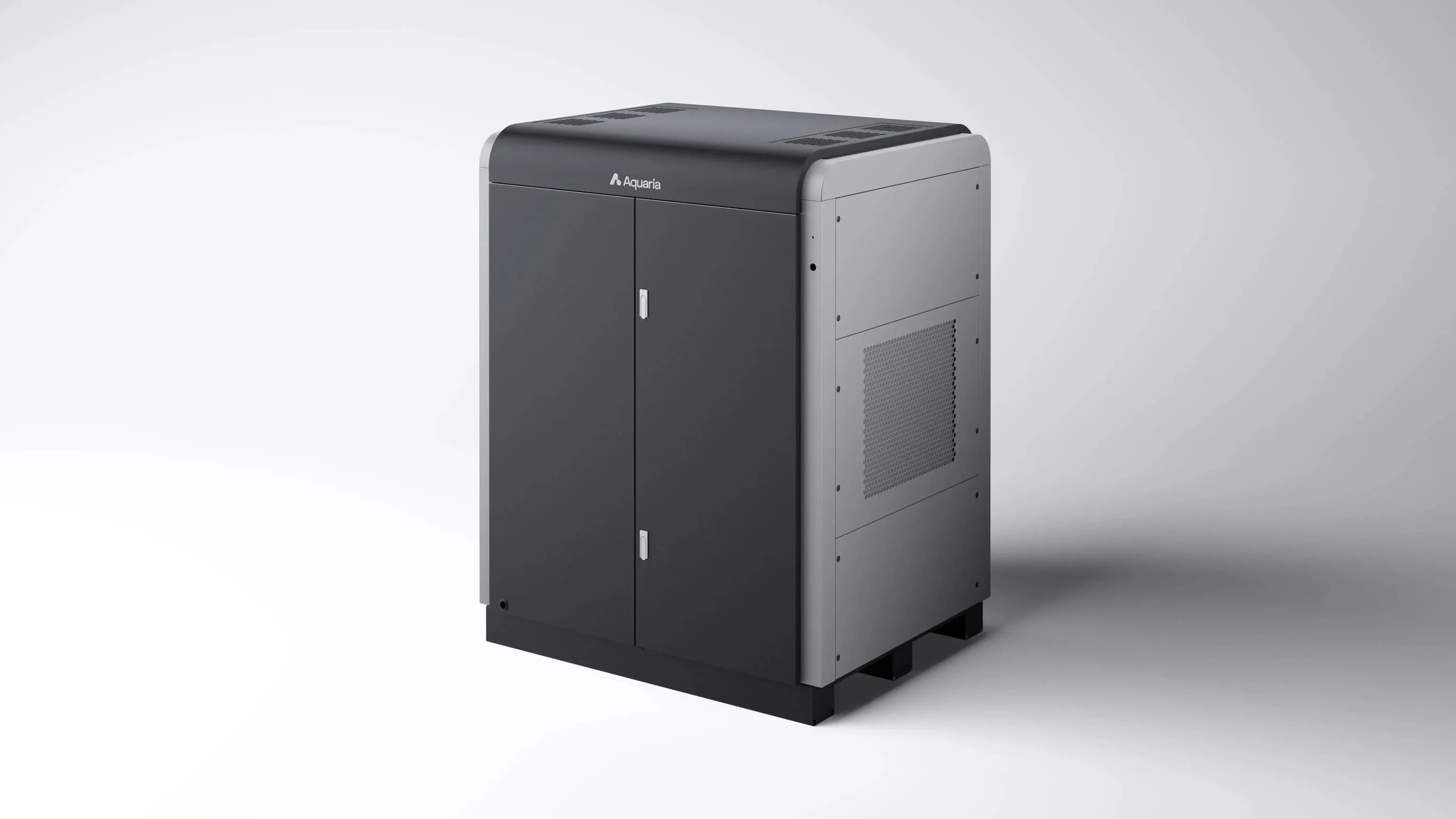
How atmospheric water generators work for different uses varies by scale. Small home units, mid-size systems for offices, and large systems for communities all exist.
- Home and office use
- Provide drinking and cooking water.
- Require regular filter and UV maintenance.
- Remote and emergency supply
- Useful where infrastructure is damaged.
- Portable versions can be deployed quickly.
- Agricultural and industrial uses
- Supplement irrigation in greenhouses.
- Provide process water where municipal sources are lacking.
In one project I tested, a mid-size system produced enough daily water for a five-person household in a humid coastal town. The same unit failed to meet basic needs when moved to a high desert site. That taught me to always match system type to climate.
Costs, maintenance, and lifespan
How atmospheric water generators work financially depends on purchase price, energy, and upkeep. Plan for ongoing costs, not just the device price.
- Upfront cost
- Small home units are hundreds to a few thousand dollars.
- Commercial units can cost tens to hundreds of thousands.
- Energy costs
- Cooling units consume significant electricity.
- Desiccant systems trade energy for heat at different times.
- Maintenance
- Change filters and UV bulbs as recommended.
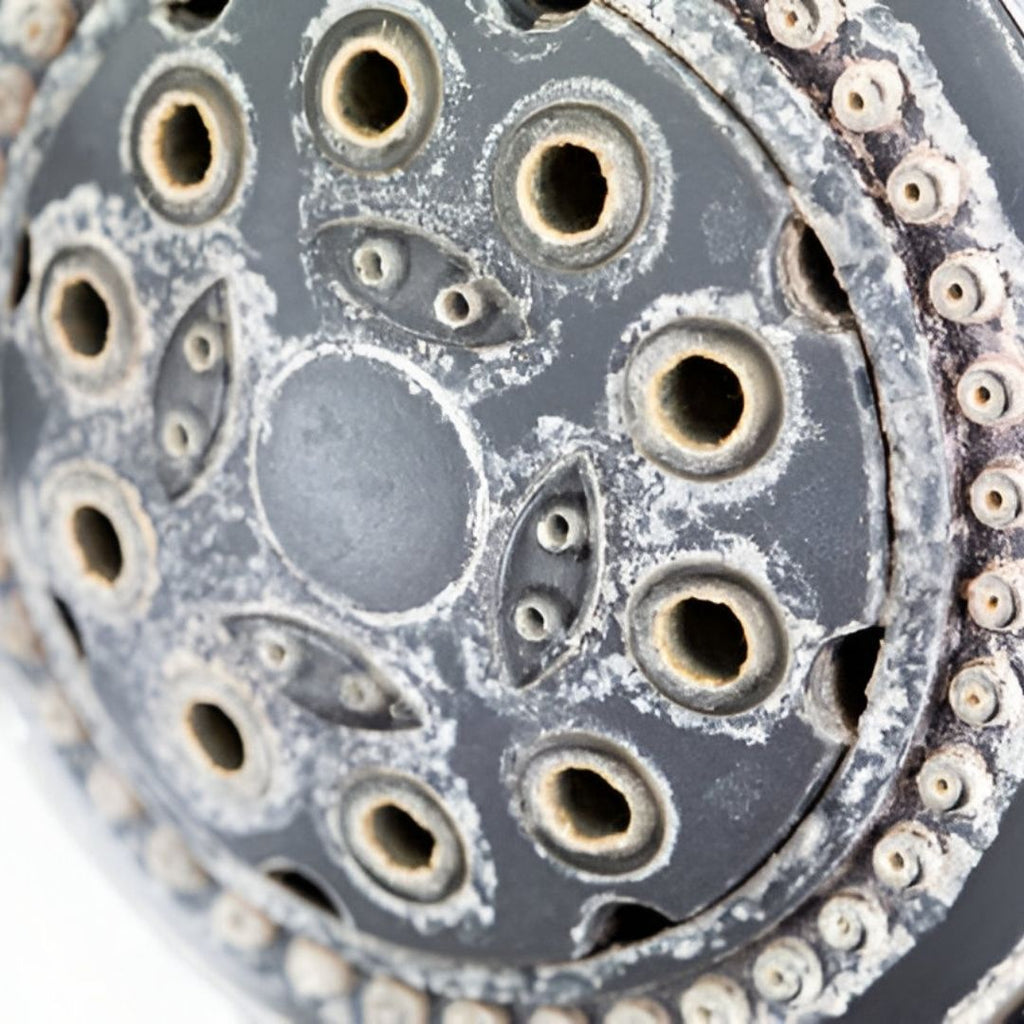
- Clean condensate tanks regularly to avoid biofilm.
- Lifespan
- With care, many systems last 5–15 years.
- Parts like fans, compressors, and desiccants may need replacement sooner.
Budget realistically. I once underestimated annual filter costs for an office AWG and had to delay replacements, which hurt water quality. Regular service prevents that.
Environmental impact and sustainability
When evaluating how atmospheric water generators work, consider environmental trade-offs. There is both promise and cost.
- Water sourcing
- AWGs do not draw from rivers or aquifers.
- They avoid many ecosystem harms of traditional sourcing.
- Energy and emissions
- Electricity use may increase a building’s carbon footprint.
- Using renewables with AWGs improves sustainability.
- Lifecycle considerations
- Manufacturing and disposal of components matter.
- Choose recyclable parts and serviceable designs.
Studies show AWGs can be sustainable when paired with efficient design and clean energy. Be transparent about limits and avoid overpromising yield in dry climates.
Personal experience, tips, and common mistakes to avoid
I have installed and tested dozens of units. Here are practical tips from that work. These points show how atmospheric water generators work best in the real world.
Tips
- Match the system to local humidity data before buying.
- Prioritize units with easy access to filters and UV bulbs.
- Use a small pre-filter on intake to reduce dust buildup.
- Integrate solar or grid efficiency controls where possible.
Common mistakes
- Buying a unit rated in ideal lab conditions, not your climate.
- Skipping regular cleaning and filter changes.
- Ignoring mineralization; stripped water can taste flat.
A real case: I installed a unit in a coastal clinic. We set up a maintenance schedule and kept spare filters on hand. That small planning kept the unit running and provided safe water every day.
PAA-style quick questions
What conditions maximize AWG yield?
- Warm temperatures and high relative humidity produce the most water.
Are AWGs potable out of the tank?
- Most AWGs include filtration and UV, but final polishing or mineralization improves taste and safety.
Can AWGs replace plumbing?
- They can supply drinking water. They rarely replace full municipal plumbing for all domestic uses.
Frequently Asked Questions of how atmospheric water generators work
What is an atmospheric water generator and how does it work?
An atmospheric water generator extracts moisture from air and condenses it into liquid water. It uses cooling coils or desiccant materials and then filters and disinfects the collected water.
How much water can an AWG produce per day?
Production varies widely by climate and unit size. In humid, warm conditions a home unit might produce 20–50 liters per day, while commercial units can make thousands of liters.
Do AWGs need a lot of electricity?
Cooling-based AWGs can be energy intensive, while desiccant systems may be more efficient in drier climates. Energy use depends on design and local weather conditions.
Is the water from an AWG safe to drink?
Water is safe when the unit has proper filtration, UV treatment, and maintenance. Regular cleaning and timely part replacement are essential to ensure safety.
Can AWGs work in dry or cold climates?
Performance drops in dry or cold air because less moisture is available. Desiccant AWGs or hybrid designs can extend usability in lower-humidity regions.
How often should I service an AWG?
Service intervals depend on the model and usage, but expect basic maintenance every 3–12 months. Filters, UV lamps, and condensate tanks require routine attention.
Conclusion
How atmospheric water generators work combines simple physics with practical engineering. They turn humidity into usable water through cooling or desiccant processes, plus filtration and storage. If you choose an AWG, match the technology to your climate, budget for energy and maintenance, and follow a clear service plan to keep water safe.
Takeaway: test local humidity and energy options before buying, and plan for regular care. If this topic matters to you, explore local demos, subscribe for updates, or leave a comment with questions about your site or needs.