
Use an AWG by placing it in humid air, powering it, and filtering the condensed water.
I’ve worked with atmospheric water generators for years, testing small home units and larger off-grid systems. This guide explains how to use atmospheric water generator machines safely and efficiently. You’ll get clear steps, maintenance tips, and real-world lessons so you can run an AWG with confidence.
How atmospheric water generators work
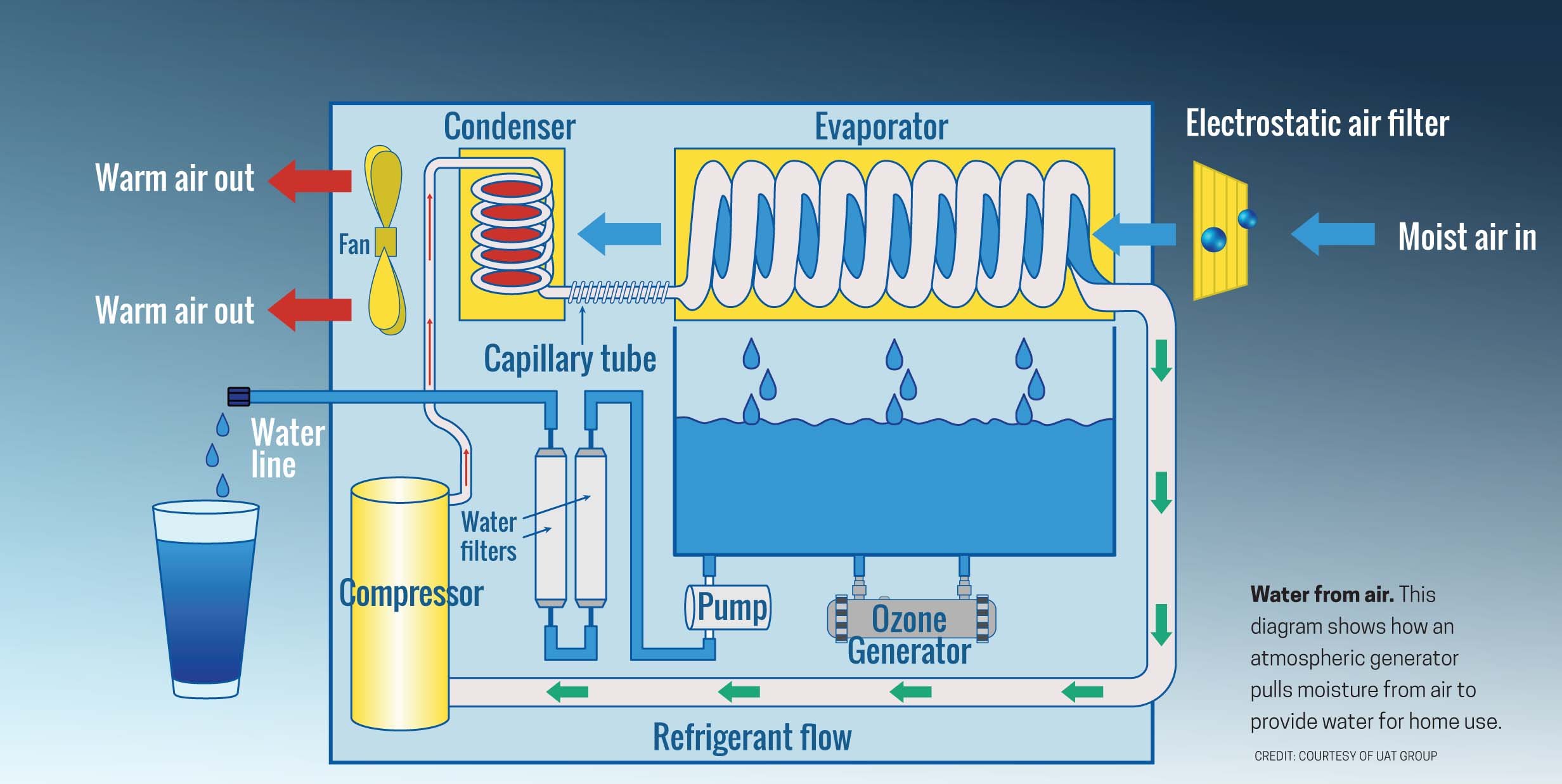
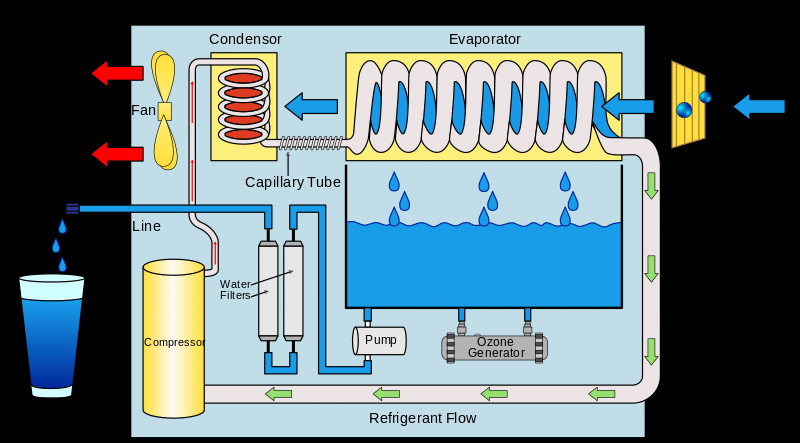
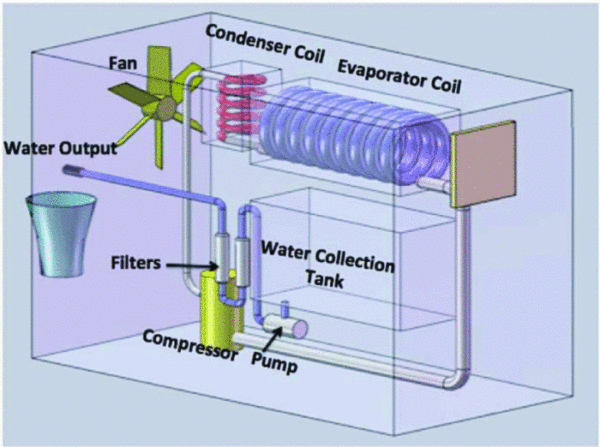
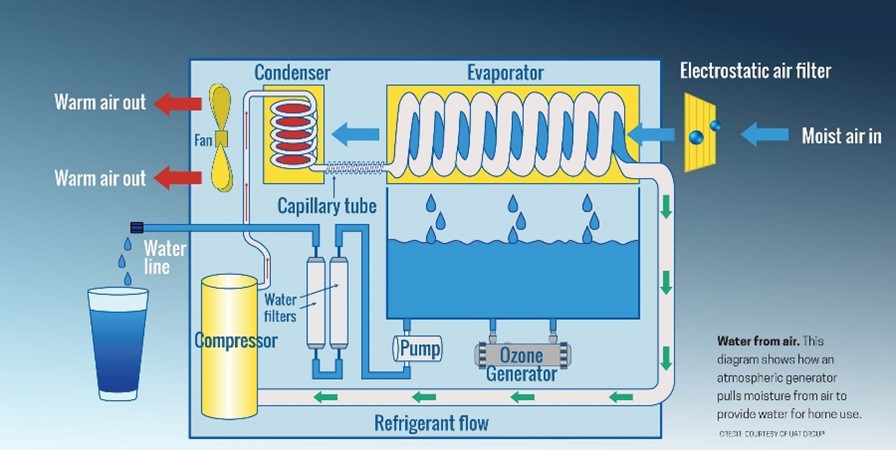
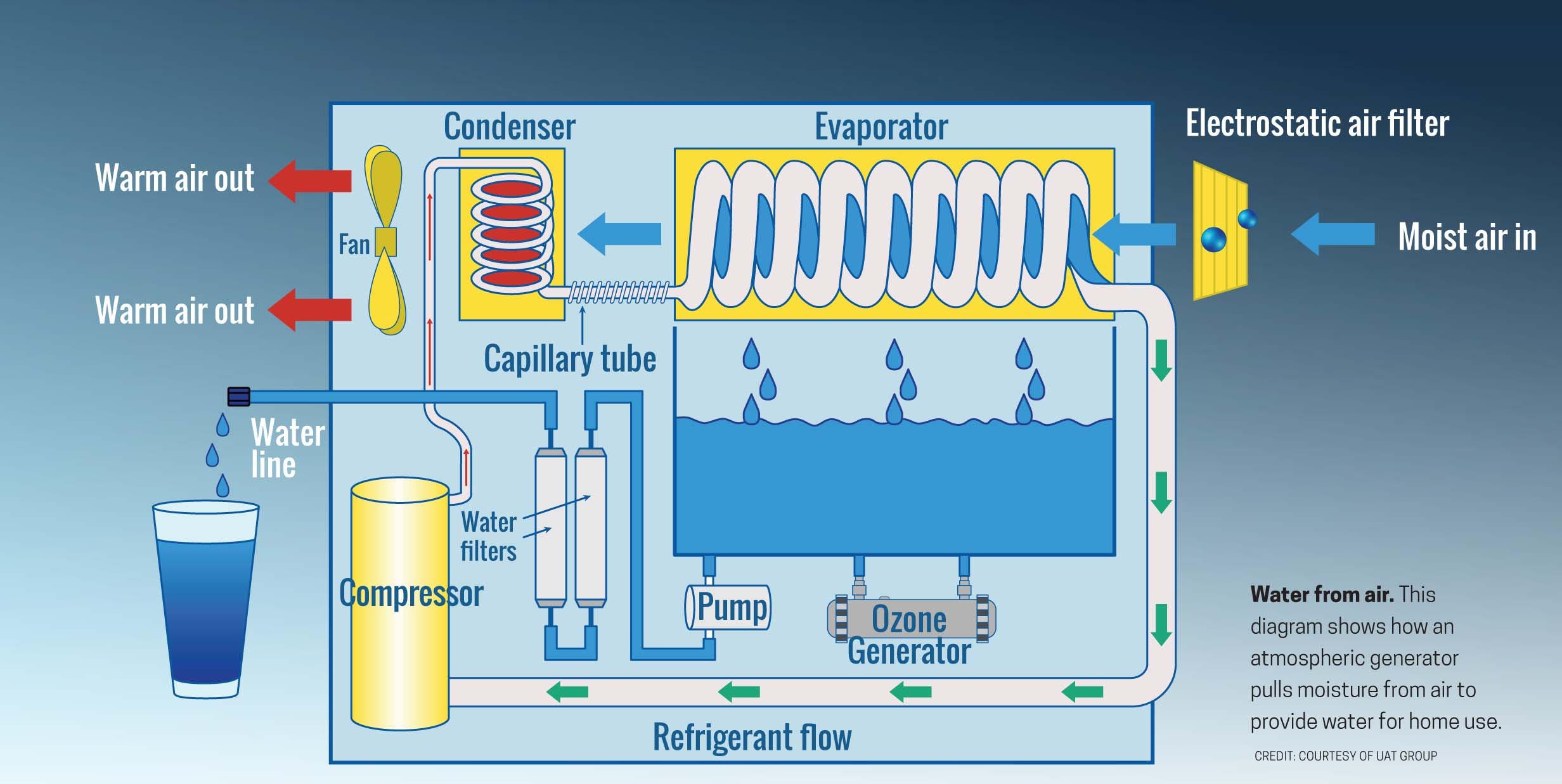
An atmospheric water generator pulls moisture from the air and turns it into liquid water. Most units use refrigeration or desiccant systems to condense humidity. Condensed water then passes through filters, UV, or ozone for purification before storage.
Key parts to know:
- Compressor or desiccant wheel that captures moisture.
- Condenser coils where vapor becomes liquid.
- Filtration and purification modules for safe drinking water.
- Storage tank and outlet for use.
Understanding this process helps when you learn how to use atmospheric water generator units in different settings. The basic physics is simple, but system care is vital for safe water.
Choosing the right model and location
Match the unit size to your needs and climate. Small home AWG units produce a few liters per day. Commercial units can make hundreds of liters. Check the production rate at the humidity and temperature you expect.
Location tips:
- Place the unit in a shaded, ventilated area to avoid heat buildup.
- Keep it off dusty floors to reduce filter load.
- Ensure electrical supply matches the unit’s requirements.
When you ask how to use atmospheric water generator, choosing the right model and place is the first real step. A well-sited unit performs better and costs less to run.
Step-by-step: how to use atmospheric water generator
Follow these steps to start and operate an AWG safely.
Unpack and inspect
- Remove packaging and check for damage.
- Confirm all parts are included and intact.
Place and connect
- Position the unit in a cool, ventilated spot with good airflow.
- Connect to a stable power source and, if required, a drainage line.
Initial setup
- Install pre-filters and activated carbon filters per manual.
- If the unit has UV or ozone, verify the module is seated correctly.
Power up and run
- Turn on the unit and let it run for its recommended break-in period.
- Monitor the first batch of water; discard the first few liters per manufacturer advice.
Collect and store
- Use the built-in tank or connect to your water lines.
- For drinking, run collected water through any final-stage purifier.
Monitor performance
- Track daily production and quality.
- Check for unusual noises, leaks, or drops in output.
These steps show precisely how to use atmospheric water generator systems to get clean water. Start slowly and follow the manual for your specific model.
Maintenance, cleaning, and safety
Routine care keeps water safe and the machine efficient. Clean filters, coils, tanks, and sensors on schedule. Replace filters and UV bulbs per the manufacturer timeline.
Maintenance checklist:
- Weekly: Check and empty the drip tray and clean external vents.
- Monthly: Inspect and clean pre-filters and grills.
- Every 3–12 months: Replace carbon filters, HEPA or sediment filters as specified.
- Yearly: Service compressor, coils, and desiccant components professionally.
Safety tips:
- Always disconnect power before servicing.
- Use gloves and follow local guidelines for handling used filters.
- Test water regularly for bacteria and mineral content if used for drinking.
Maintenance is core to learning how to use atmospheric water generator units long-term. Skipping care reduces water quality and shortens lifespan.
Benefits and limitations
Benefits:
- Produces water where no piped supply exists.
- Reduces reliance on bottled water in humid areas.
- Offers a scalable option from home to community systems.
Limitations:
- Output drops in low-humidity or cold climates.
- Energy use can be high compared to simple filtration.
- Requires regular maintenance and quality control to ensure safe drinking water.
Knowing both benefits and limits helps set realistic expectations when deciding how to use atmospheric water generator systems. For many, they are a practical supplement rather than a perfect replacement for municipal water.

Costs, energy use, and installation considerations
Cost factors include unit size, production rate, and purification features. Energy consumption depends on method: refrigeration-based AWGs often use more power than desiccant systems in some climates.
What to budget for:
- Initial purchase and professional installation if needed.
- Electricity or fuel costs based on daily output.
- Consumables like filters, UV bulbs, and occasional repairs.
Installation notes:
- Ensure electrical wiring can handle startup loads.
- Consider a solar or hybrid power setup for remote use.
- Install proper drainage for condensate and overflow.
When you weigh these factors, you’ll better understand ongoing costs tied to how to use atmospheric water generator technology in your situation.

Real-life tips, lessons learned, and common mistakes
From my field testing, a few patterns stand out. Humidity is king: even great machines fall short in dry seasons. Dust and pollen kill performance fast, so pre-filtration matters a lot.
Practical tips:
- Run the AWG during higher humidity times for better yield.
- Use a low-cost pre-filter to reduce maintenance frequency.
- Record output daily for two weeks to spot trends or issues.
Common mistakes:
- Placing unit in direct sun or near heat sources.
- Ignoring filter changes to save money.
- Assuming all AWG water is instantly potable without testing.
These tips come from hands-on use and tests. They make a real difference in how to use atmospheric water generator units efficiently.

Frequently Asked Questions of how to use atmospheric water generator
What environments work best for an AWG?
Best environments are warm and humid, such as coastal or tropical regions. Higher humidity and temperature increase water yield and efficiency.
How much water can an AWG produce daily?
Output varies by model and climate; small units may make 5–20 liters per day, while larger systems can make hundreds. Check the unit rating at expected humidity levels.
Is AWG water safe to drink straight from the machine?
Most AWGs include filtration and UV treatment, but you should test water quality before regular drinking. Many manufacturers advise discarding the first output and running final purification.
How often do I need to change filters and UV bulbs?
Filter schedules differ, but plan on filters every 3–12 months and UV bulbs annually. Follow the manufacturer’s maintenance schedule for best results.
Can I run an AWG off-grid with solar power?
Yes, many AWGs can run with solar or hybrid systems, but power sizing is crucial due to compressor startup demands. Use a battery bank or inverter sized to handle peaks.
Does low humidity mean an AWG won’t work?
AWGs still work in lower humidity but produce much less water and use more energy. Desiccant-based units can be more effective in drier climates.
Are there health risks using an AWG?
Risks arise from poor maintenance: bacteria or mold can grow in stagnant tanks. Regular cleaning, testing, and proper filtration reduce health risks.
Conclusion
Using an atmospheric water generator gives you a reliable water source when done right. Choose the correct model, site it for airflow and shade, follow step-by-step startup, and commit to regular maintenance. Small habits—like regular filter changes and simple testing—keep water safe and systems efficient.
Try a trial run: track production for a month and adjust placement and upkeep as needed. If you found this guide useful, subscribe for updates, leave a comment with your questions, or share your own AWG experiences.