

Are you looking to make the most of your solar energy at home? Storing solar energy effectively can help you save money and reduce your reliance on the grid.
Imagine having power available even when the sun isn’t shining. You can enjoy energy independence and lower utility bills by learning how to store solar energy properly. You’ll discover practical tips and innovative solutions to maximize your solar investment. Get ready to unlock the full potential of your solar system and take control of your energy usage!


Credit: lifepo4-energy.com
Benefits Of Storing Solar Energy
Storing solar energy at home has many advantages. It helps save money on electricity bills and provides power during outages. Home energy storage systems also reduce reliance on the grid, making energy use more efficient and environmentally friendly.
Storing solar energy at home comes with numerous benefits that can transform your energy usage and enhance your lifestyle. Whether you’re looking to cut down on energy bills or reduce your carbon footprint, understanding these advantages is crucial. Let’s dive into the key benefits of storing solar energy.
Cost Savings
Storing solar energy allows you to save significantly on your electricity bills. By using stored energy during peak hours, you can avoid high utility rates. Imagine having a lower bill each month simply because you used the energy you generated during the day. This can add up quickly, providing you with extra cash for other essential expenses.
Energy Independence
Having a solar energy storage system gives you greater control over your energy supply. You become less reliant on your utility company, which can be empowering. During outages or emergencies, stored energy ensures you still have power. Think about the peace of mind that comes with knowing your home can run independently.
Environmental Impact
Storing solar energy contributes to a greener planet. By using renewable energy, you reduce your reliance on fossil fuels. This helps cut down greenhouse gas emissions, making your home more eco-friendly. Every bit of energy you store and use from the sun contributes to a healthier environment for future generations.
Increased Property Value
Homes equipped with solar energy systems often see an increase in property value. Potential buyers appreciate the cost savings and energy independence that come with solar storage. Investing in solar energy not only benefits you now but can also pay off in the long run. Have you thought about how this could impact the value of your home?
Flexibility And Convenience
Solar storage systems offer flexibility in how and when you use energy. You can charge devices, run appliances, or even power your electric vehicle during off-peak times. This level of convenience means you can plan your energy use according to your needs. Plus, it’s satisfying to know you’re using clean energy whenever you want. Storing solar energy at home isn’t just about saving money; it’s about creating a sustainable and resilient lifestyle. Each benefit you gain adds up to a significant impact on your daily life and the environment. Are you ready to harness the power of the sun?
Choosing The Right Storage System
Choosing the right storage system for your solar energy can make a significant difference in how effectively you harness and use your renewable energy. With various options available, it’s essential to understand the different types of batteries, key factors to consider, and how to size your storage system to meet your needs. This decision can impact your energy bills, sustainability goals, and overall convenience.
Battery Types For Solar Storage
There are several battery types you can choose from for solar energy storage:
- Lithium-ion Batteries:These batteries are popular due to their high energy density and long life span. They are lightweight and require less maintenance, making them a favorite for many homeowners.
- Lead-acid Batteries:More affordable but heavier and bulkier. They have a shorter lifespan and require regular maintenance. Suitable for those on a tight budget.
- Flow Batteries:These offer a longer life cycle and are scalable. They are less common but can be excellent for large energy needs.
Choosing the right battery type depends on your energy requirements and budget. Have you considered what fits your lifestyle best?
Key Factors To Consider
Several key factors play a crucial role in selecting your solar storage system:
- Energy Capacity:How much energy do you need to store? Understand your daily energy consumption to determine the capacity needed.
- Cost:Factor in both initial investment and long-term savings. Sometimes the cheapest option isn’t the most economical in the long run.
- Efficiency:Look for systems that offer high efficiency. A more efficient battery will use less energy during the storage process.
- Warranty and Lifespan:Check the warranty period. A longer warranty often indicates a more reliable product.
Consider how each factor aligns with your energy goals and lifestyle. What aspects are most important to you?
Sizing Your Storage System
Properly sizing your solar storage system is essential to maximize its effectiveness. Start by assessing your energy consumption patterns.
- Daily Usage:Calculate your average daily energy use in kilowatt-hours (kWh). This will guide you in selecting the right capacity.
- Peak Load:Consider your peak usage times. Ensure your system can handle higher demands when necessary.
- Future Needs:Think about potential changes in your energy needs. Planning for growth can save you from having to upgrade too soon.
Getting the size right can prevent energy shortages or over-investing in capacity you don’t use. Are you ready to evaluate your energy needs?
Choosing the right storage system is not just about picking a battery; it’s about aligning it with your unique energy requirements and lifestyle. Investing time in understanding your options will pay off in the long run.
Home Battery Storage Options
Home battery storage options help you keep solar energy for later use. These systems store excess energy generated during the day. This way, you can power your home even when the sun isn’t shining. Choosing the right battery can enhance your energy independence and savings.
Storing solar energy at home is an essential aspect of maximizing your renewable energy investment. Home battery storage options allow you to harness energy generated during the day for use during the night or during power outages. Understanding the types of batteries available can help you make an informed choice that suits your energy needs and budget.
Lithium-ion Batteries
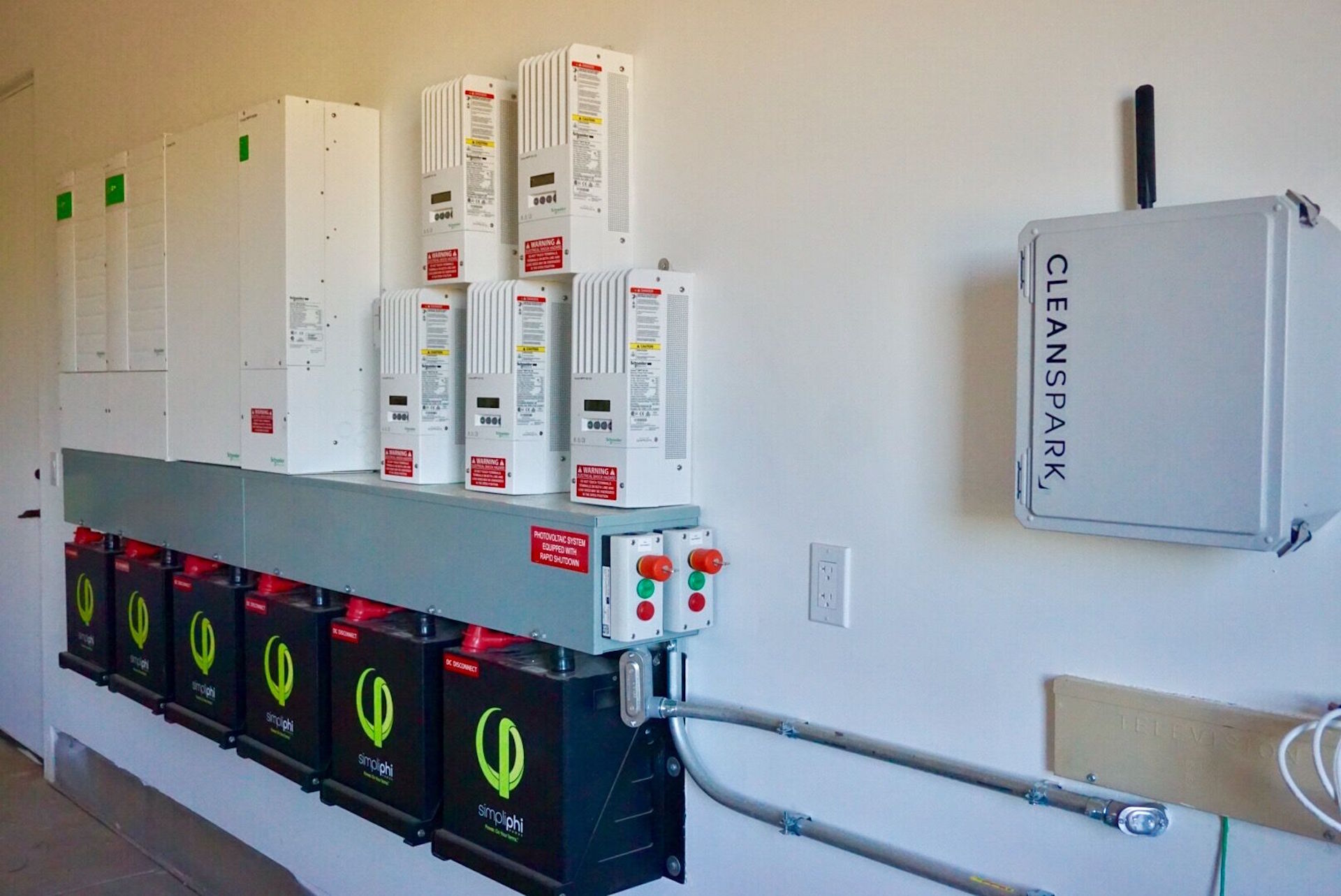
Lithium-ion batteries are a popular choice for home energy storage. Their high energy density means they store more energy in a smaller space. They also have a longer lifespan compared to other options. You might find these batteries in many modern solar systems. They charge quickly and discharge energy efficiently, making them ideal for daily use. Consider brands like Tesla Powerwall or LG Chem. They offer reliable performance and smart features, like app monitoring. However, these batteries can be pricey upfront. Think about your budget and energy needs before making a decision.
Lead-acid Batteries
Lead-acid batteries have been around for a long time. They are generally more affordable than lithium-ion options. These batteries are commonly used in off-grid systems. Despite their lower cost, they have some drawbacks. Lead-acid batteries require more maintenance and have a shorter lifespan. They also take longer to charge and discharge. If you choose this option, ensure you have enough space for ventilation. These batteries produce gases and need proper installation to avoid hazards. Many homeowners still prefer lead-acid batteries for their simplicity. They can be a good choice if you are looking for a budget-friendly solution.
Flow Batteries
Flow batteries are less common but gaining attention. They store energy in liquid electrolytes, allowing for scalability. This feature makes them ideal for larger energy storage systems. Their long lifespan and low maintenance requirements are significant advantages. They can handle deep discharges, making them suitable for various applications. However, flow batteries can be bulky and require more space. If you have ample room, this might be a viable option for your home. Consider your energy consumption patterns. Flow batteries might be the right fit if you need a reliable and long-lasting energy source. Which battery option resonates most with your needs? Your choice could significantly impact your energy independence.
Credit: www.energy.gov
Thermal Energy Storage Solutions
Thermal energy storage solutions help keep solar energy for later use. They collect heat during sunny days and store it for nighttime or cloudy days. This way, homes can enjoy solar power even when the sun isn’t shining.
Thermal Energy Storage Solutions offer a practical way to store the sun’s energy for later use. These systems capture and store heat generated by solar energy, allowing you to enjoy energy savings and efficiency throughout the day and night. With the right setup, you can reduce your reliance on the grid and optimize your energy consumption.
How Thermal Systems Work
Thermal energy storage systems work by collecting heat during sunny periods and holding it for later use. They typically use materials like water, molten salts, or special thermal mass materials. – Water tanks are commonly used due to their efficiency and availability. – Phase change materials can store energy by changing states, like from solid to liquid. You might have noticed that water heated during the day stays warm for several hours. This principle is at play in these systems, allowing you to use stored heat for heating your home or for hot water needs. The stored heat can be released as needed, providing you with hot water or heating during the evening or on cloudy days. This method not only saves money but also helps in reducing carbon footprints.
Best Applications For Home Use
Thermal energy storage is ideal for various applications in your home. Here are some of the best options: – Water heating: Use a solar water heater combined with a thermal storage tank. This setup can provide hot water for showers and dishes, even when the sun isn’t shining. – Space heating: If you have a radiant floor heating system, consider using thermal storage to keep your home warm. A water tank filled with heated water can effectively distribute warmth throughout your space. – Swimming pools: If you own a pool, a thermal energy storage system can help maintain a comfortable temperature. Heated water can be stored and circulated, making your pool inviting even in cooler months. Choosing the right thermal storage solution depends on your specific needs. Have you thought about how much energy you could save by implementing one of these systems? The potential for reduced energy bills and increased comfort makes thermal energy storage a smart choice for homeowners looking to harness solar power effectively.
Hydrogen Energy Storage At Home
Storing solar energy at home can be done using hydrogen energy. This method captures excess solar power and converts it into hydrogen gas. Later, the hydrogen can be used to generate electricity when needed, providing a reliable energy source for your household.
Hydrogen energy storage at home is an innovative way to harness renewable energy. It allows you to store surplus energy generated from solar panels and utilize it when needed. By converting excess electricity into hydrogen, you can create a sustainable energy supply for your household.
How Hydrogen Storage Works
Hydrogen storage systems convert electricity into hydrogen through a process called electrolysis. 1. Electrolysis: This process splits water into hydrogen and oxygen using electricity. The hydrogen produced can be stored for later use. 2. Storage: Hydrogen can be stored in various forms, such as compressed gas or liquid hydrogen. 3. Fuel Cells: When you need energy, hydrogen can be converted back into electricity using fuel cells. This produces only water vapor as a byproduct, making it an eco-friendly option. You can think of hydrogen storage as a battery, but with a more extensive range and longer storage capabilities. It offers a flexible solution to manage your energy needs throughout the day.
Challenges And Opportunities
Hydrogen energy storage presents both challenges and opportunities. Challenges: – Cost: Initial setup costs for hydrogen systems can be high. Equipment and technology are still developing, which may deter some homeowners. – Infrastructure: A lack of existing infrastructure for hydrogen distribution can limit accessibility. Opportunities: – Energy Independence: Storing hydrogen allows you to rely less on grid electricity. You can use your stored energy during outages or peak usage times. – Sustainability: By utilizing renewable energy sources to create hydrogen, you can significantly reduce your carbon footprint. Have you considered how hydrogen energy storage could benefit your home? With advancements in technology, now might be the time to explore this green option. Understanding the mechanics and implications can empower you to make informed energy choices for a sustainable future.
Off-grid Vs. Grid-tied Storage
Off-grid systems store solar energy for use without relying on the main power grid. Grid-tied systems connect to the grid and share excess energy. Both methods have unique benefits for storing solar energy at home. Choose the one that fits your needs best.
Storing solar energy at home is an exciting venture, especially when considering the differences between off-grid and grid-tied storage systems. Each approach has its unique advantages that cater to different lifestyles and energy needs. Understanding these options can help you make an informed decision about which system suits your home and energy goals best.
Advantages Of Off-grid Storage
Off-grid storage systems provide independence from utility companies. You can generate, store, and use your energy without relying on the grid. This can be particularly advantageous if you live in a remote area where power outages are frequent. You gain control over your energy supply. If you experience a blackout, your stored solar energy ensures you have power. This peace of mind can be invaluable, especially during storms or emergencies. However, setting up an off-grid system can be costly. You might need larger battery banks and solar panels to meet your needs. It’s essential to calculate your energy requirements carefully before diving in.
Benefits Of Grid-tied Systems
Grid-tied storage systems are generally easier to install and maintain. These systems allow you to connect to the grid, meaning you can draw energy when your solar panels aren’t producing enough power. This flexibility can help you save on energy costs. Another significant benefit is the ability to sell excess energy back to the grid. If your system produces more energy than you use, you can receive credits or payment. This can offset your energy bills and provide a return on your investment. Grid-tied systems are typically more affordable upfront. They require fewer batteries since you can use the grid as a backup. This can make them a practical choice for homeowners looking to transition to solar energy without a huge initial expense. Which system appeals to you more, and why? Understanding your energy needs and lifestyle can help you choose the right solution for your home.
Smart Energy Management Systems
Smart Energy Management Systems help you store solar energy at home efficiently. These systems capture sunlight and save it for later use. By using batteries or other storage options, you can power your home even when the sun isn’t shining.
Smart Energy Management Systems play a crucial role in maximizing the benefits of solar energy at home. These systems allow you to monitor, control, and optimize your energy usage efficiently. By integrating smart technology into your energy management, you can enhance the performance of your solar setup and reduce your electricity bills.
Integrating Smart Technology
Smart technology can change how you interact with your energy systems. Smart meters provide real-time data on energy consumption, helping you identify patterns in your usage. With apps linked to your solar system, you can control devices remotely. For instance, you can schedule your washing machine to run during peak sunlight hours. This not only saves money but also ensures you utilize the maximum solar energy available. Consider using smart plugs and thermostats. These devices can automatically adjust based on your energy consumption trends. They help you optimize energy use without needing constant manual adjustments.
Optimizing Energy Usage
Optimizing your energy usage can lead to significant savings. Start by analyzing your energy consumption patterns. Are there times of the day when you use more energy? Use this information to adjust your habits. For example, shift high-energy tasks, like running the dishwasher or charging electric vehicles, to sunny hours when your solar system is generating the most energy. Implementing a battery storage system can also enhance your energy management. This allows you to store excess energy generated during the day for use at night. Having energy on hand when you need it helps you reduce reliance on the grid, especially during peak hours. Have you considered how much energy you can save by managing your consumption effectively? By taking these steps, you can not only save money but also contribute to a more sustainable future.
Cost Considerations For Storage
Storing solar energy at home involves various costs. Battery systems can be expensive, but they offer long-term savings. Consider installation fees and maintenance costs too. Comparing options helps find the best fit for your budget and energy needs.
Understanding the costs associated with storing solar energy at home is crucial for anyone considering this investment. While the initial outlay can be significant, the long-term savings and benefits often outweigh these upfront costs. Let’s dive into the financial aspects to help you make an informed decision.
Upfront Costs Vs. Long-term Savings
The first hurdle many homeowners face is the upfront cost of solar battery storage systems. Prices vary widely depending on the type and capacity of the battery you choose. A high-quality lithium-ion battery system may range from $7,000 to $15,000, including installation. However, it’s essential to weigh these initial expenses against potential savings on your electricity bills. By storing solar energy, you can significantly reduce your reliance on the grid. Many users report savings of up to 70% on their monthly energy costs after installing storage solutions. Consider the lifespan of a solar battery. Most lithium-ion batteries last about 10 to 15 years. This longevity means that over time, the savings can surpass your initial investment, making it a financially sound decision.
Government Incentives And Rebates
Don’t overlook government incentives when calculating your costs. Many countries and states offer rebates, tax credits, or other financial incentives for installing solar energy systems and battery storage. For instance, in the U.S., the federal solar tax credit allows you to deduct a significant percentage of your solar installation costs from your federal taxes. Research local programs that may provide additional benefits. Some areas have specific funding available for renewable energy projects. These incentives can dramatically lower your upfront costs, making solar energy storage more accessible for you. Staying informed about these opportunities can lead to significant savings. Have you checked what your local government offers? It’s a simple step that can pay off handsomely. Understanding these cost considerations can empower you to make a smart investment in solar energy storage. Assess your situation, explore your options, and take advantage of available incentives to maximize your savings.
Maintenance Tips For Storage Systems
Storing solar energy at home requires proper maintenance of your storage systems. Regularly check batteries and connections for wear and tear. Keeping your equipment clean and dry helps ensure efficiency and extends its lifespan. Proper care will help you maximize the benefits of your solar energy system.
Maintaining your solar energy storage system is crucial for maximizing efficiency and longevity. Proper care can prevent costly repairs and ensure that your energy supply remains reliable. Here are some practical maintenance tips to keep your system running smoothly.
Extending Battery Life
To get the most out of your solar batteries, monitor their charge levels regularly. Keeping them within the recommended range helps avoid deep discharges, which can shorten their lifespan. Use a battery management system if available. This technology provides real-time data on battery health, allowing you to take action before issues arise. Regularly clean the battery terminals to prevent corrosion. A simple wipe-down can improve connectivity and performance. Consider performing a monthly visual inspection. Look for any signs of leakage or swelling. These can indicate a failing battery that needs immediate attention.
Preventing System Downtime
Schedule routine maintenance checks for your system. A professional can identify potential issues before they become serious problems. This proactive approach can save you from unexpected outages. Keep an eye on the inverter and its display. Any error codes or warning lights should prompt immediate investigation. Ignoring these signals can lead to longer downtimes. Ensure that the surrounding area is free from debris. Overgrown plants or accumulated dirt can obstruct ventilation and cooling. This simple step can prolong the life of your system. Don’t forget to update your system’s software. Manufacturers often release updates that enhance efficiency and security. Staying current can help prevent vulnerabilities and improve performance. Maintaining your solar energy storage system doesn’t have to be daunting. With these tips, you can ensure a reliable and efficient energy supply for your home. What steps will you take today to improve your solar system’s performance?

Credit: www.pbs.org
Frequently Asked Questions
How Can I Store Solar Energy At Home?
Storing solar energy at home typically involves using solar batteries. These batteries capture excess energy generated by solar panels for later use. Popular options include lithium-ion and lead-acid batteries. Choosing the right battery depends on your energy needs and budget.
Proper installation and maintenance are essential for optimal performance.
What Are The Best Solar Batteries For Home Use?
The best solar batteries for home use include Tesla Powerwall, LG Chem, and Sonnen. Tesla Powerwall offers high capacity and smart technology. LG Chem is known for its efficiency and compact design. Sonnen focuses on sustainability and smart energy management.
Each option has unique features, so consider your specific needs.
How Long Can Solar Energy Be Stored?
Solar energy can be stored for several hours to days, depending on battery capacity and usage. Most modern solar batteries can hold energy for 24 hours or more. However, factors like battery age and discharge rate affect storage duration. Regular maintenance ensures longer storage capabilities and efficiency.
Is It Worth Investing In Solar Energy Storage?
Investing in solar energy storage is often worthwhile for homeowners. It enhances energy independence and reduces reliance on the grid. Additionally, it can save money on electricity bills. With incentives and decreasing battery costs, the long-term benefits may outweigh the initial investment.
Consider your energy consumption patterns to determine feasibility.
Conclusion
Storing solar energy at home is both smart and practical. It helps save money and reduces dependence on the grid. With the right systems, you can enjoy clean energy anytime. Choose batteries that fit your needs. Regular maintenance keeps everything running well.
Educate yourself about local regulations and incentives. This knowledge can maximize your savings. Storing solar energy is a step toward a sustainable future. Embrace this change for a better environment. Start your journey to energy independence today.