
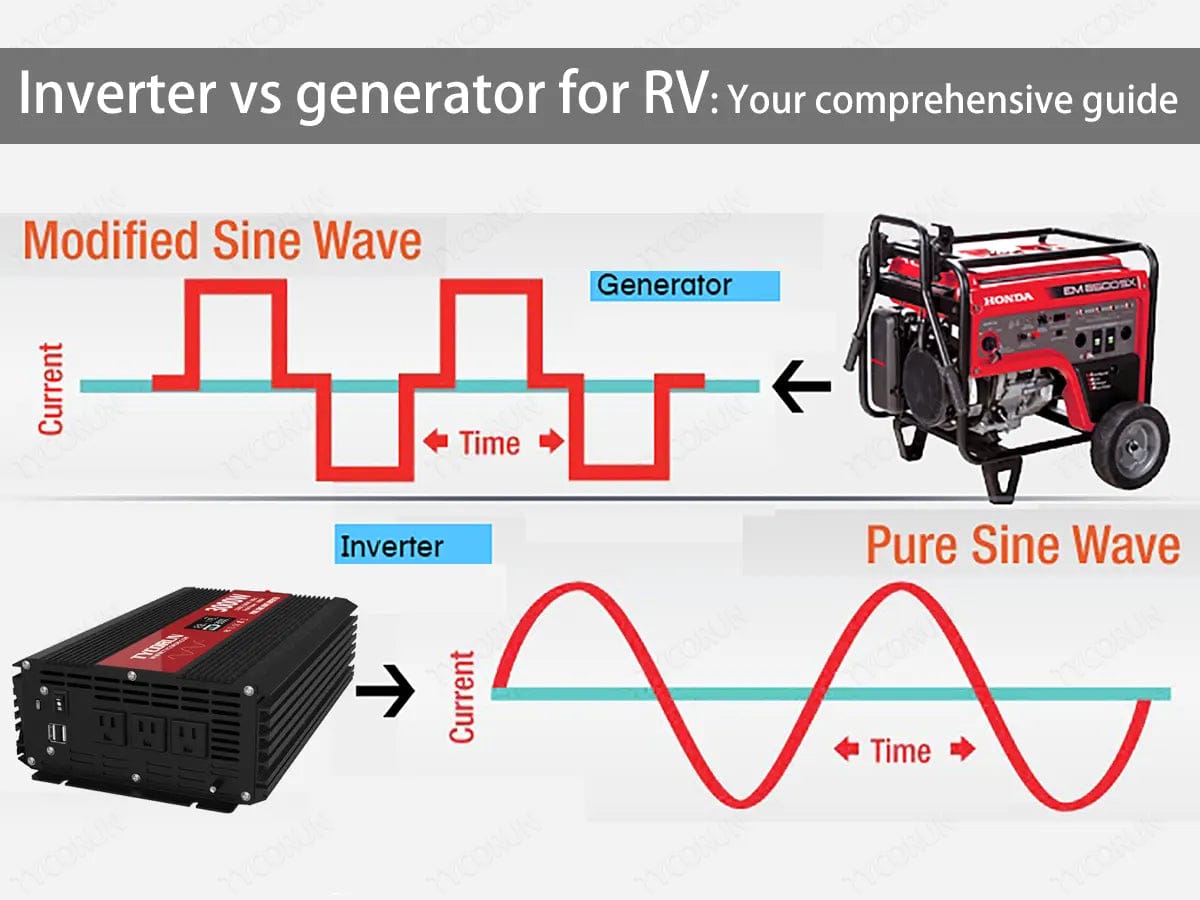
When the power goes out, you want to be ready. But how do you choose the right backup power source?
You may find yourself torn between an inverter and a generator. Both options have their advantages, but which one truly fits your needs? We’ll break down the key differences between inverters and generators. You’ll discover what each can offer, from portability to efficiency.
By the end, you’ll have a clear understanding of which option suits your lifestyle best. Don’t miss out on making an informed decision that could keep your home powered and your life running smoothly. Let’s dive in!
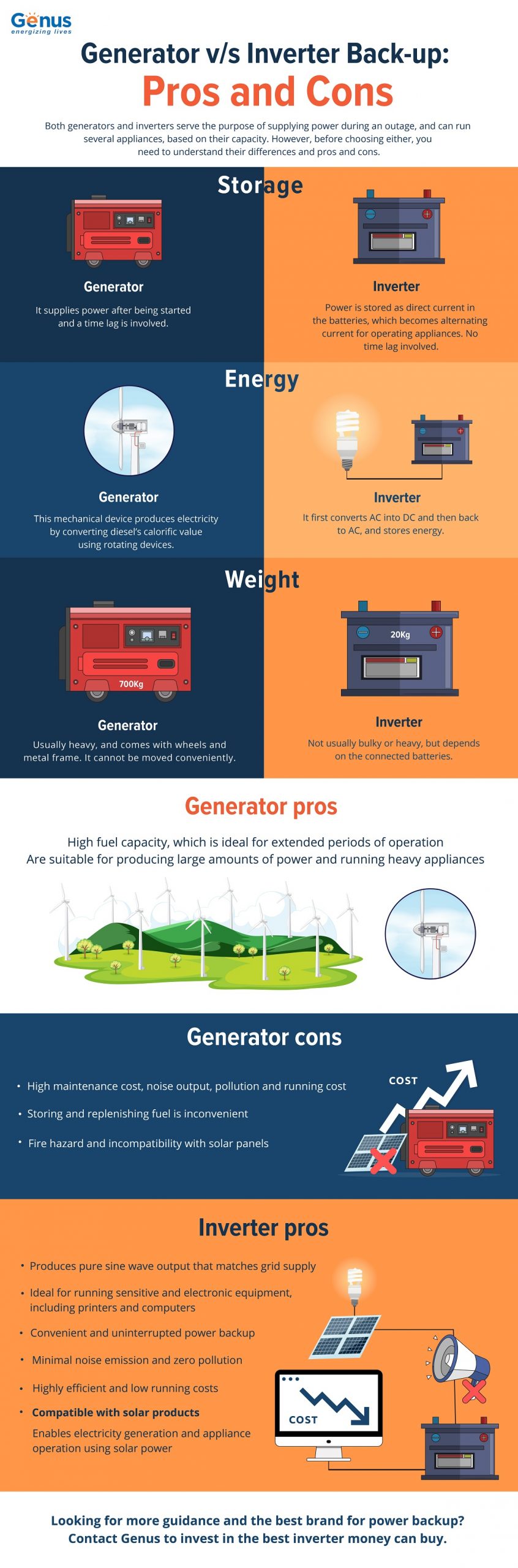
Credit: www.genusinnovation.com
Inverter And Generator Basics
Understanding the basics of inverters and generators is essential. Both devices provide power but work differently. Knowing how each one functions helps you choose the right option.
What Is An Inverter?
An inverter converts direct current (DC) into alternating current (AC). This process allows it to power household appliances. Inverters are usually compact and lightweight. They are quiet and operate efficiently.
Inverters use battery power or solar energy. They provide clean energy with less harmonic distortion. This makes them safe for sensitive devices like computers and TVs.
What Is A Generator?
A generator produces electricity by converting mechanical energy into electrical energy. It typically runs on fuel like gasoline or diesel. Generators can supply power for longer periods. They are robust and can handle heavy loads.
Generators can be noisy and emit fumes. They are great for powering tools on job sites or during outages. However, they may not be suitable for sensitive electronics.
Key Differences
Inverters are quieter and more efficient than generators. They are better for indoor use. Generators provide more power but can be louder.
Consider your power needs. If you require a portable solution, an inverter is a good choice. For heavy-duty applications, a generator may be more suitable.
How They Generate Power
Understanding how inverters and generators produce electricity is key. Each has its own method. Knowing these differences helps you choose the right one for your needs.
How Generators Work
Generators create power using mechanical energy. They rely on fuel, like gasoline or diesel. The engine converts fuel into motion. This motion spins a rotor inside a magnetic field. This process generates electricity.
Generators typically provide a steady output. They are great for long-term use. However, they can be loud and less efficient. They also emit fumes. This can be a drawback in certain situations.
How Inverters Work
Inverters operate differently. They convert direct current (DC) into alternating current (AC). They usually take power from batteries or solar panels. This makes them quieter and cleaner.
Inverters adjust power output. They provide stable electricity for sensitive devices. Their efficiency can be higher than traditional generators. This makes them a popular choice for many users.
Power Output Comparison
The power output of an inverter and a generator can significantly impact your choice between the two. Understanding how each one works can help you select the right device for your needs. Let’s dive into the specifics of their power output to see how they compare.
Understanding Generator Power Output
Generators produce power by converting mechanical energy into electrical energy. They typically have a higher power output, making them suitable for heavy-duty applications.
- Commonly rated in watts (W) or kilowatts (kW).
- Can range from 1,000 watts for small units to over 20,000 watts for larger models.
- Ideal for powering appliances, tools, and even entire homes during an outage.
When I used a generator during a recent camping trip, it effortlessly powered multiple devices. It ran my refrigerator, lights, and even my laptop without any issues. This reliability made it clear how powerful a generator could be in demanding situations.
Understanding Inverter Power Output
Inverters generate power using a different approach. They convert DC (direct current) from batteries into AC (alternating current), which most household devices require.
- Typically rated from 300 watts to 3,000 watts.
- Best for sensitive electronics like laptops and smartphones.
- Offer a more stable power output without fluctuations.
I remember charging my smartphone and laptop with an inverter while camping. The power was consistent, which ensured my devices charged quickly and safely. This stability is crucial for sensitive electronics that could be damaged by irregular power supplies.
Power Efficiency And Usage
Generators usually consume more fuel to produce higher power outputs. In contrast, inverters are more fuel-efficient, especially when running smaller loads.
- Generators may waste fuel when not under heavy load.
- Inverters can run on battery power, making them quieter and more efficient.
- Consider your specific usage to determine what’s more important: raw power or efficiency.
Have you ever found yourself in a power outage? You might appreciate the quiet operation of an inverter, especially if you’re trying to enjoy a peaceful evening at home. On the other hand, if you need to run high-powered tools for a project, a generator may be your best bet.
Choosing between an inverter and a generator largely depends on your power needs and lifestyle. Knowing their power outputs and efficiency will help you make the right decision. What’s your priority: maximum power or energy efficiency?
Fuel Efficiency And Consumption
Fuel efficiency and consumption play a crucial role in deciding between an inverter and a generator. Understanding how each option utilizes fuel can save you money and enhance your overall experience. Let’s break down the differences so you can make an informed choice.
Understanding Fuel Efficiency
Fuel efficiency refers to how effectively a machine converts fuel into energy. An inverter generally offers better fuel efficiency than a traditional generator. This means you can run your appliances longer on less fuel, which is a significant advantage when you’re on a camping trip or during a power outage.
Generator Fuel Consumption
Generators tend to consume more fuel, especially when operating at high loads. They often run continuously at full capacity, leading to quicker depletion of your fuel reserves. If you plan on using a generator for extended periods, consider how much fuel you’ll need and the associated costs.
Inverter Fuel Consumption
Inverters adjust their engine speed based on the power demand. This means they consume less fuel when the load is low. Imagine running a few lights and charging your phone—your inverter won’t work as hard, saving you fuel and money.
Cost Analysis
While inverters might have a higher upfront cost, their fuel efficiency can lead to savings over time. If you frequently use power tools or appliances, an inverter could save you significantly on fuel costs. Think about your daily power needs—how often do you run high-demand devices?
Environmental Impact
Choosing an efficient fuel option can also lessen your environmental footprint. Inverters produce less noise and emissions compared to traditional generators. If you’re environmentally conscious, this can be a deciding factor in your choice.
Making The Right Choice
Consider your specific needs and usage patterns. Do you need a reliable power source for a few hours or for several days? Evaluating how often you’ll use it can guide your decision.
Fuel efficiency and consumption are key factors in choosing between an inverter and a generator. Weigh your options based on your needs, budget, and environmental considerations. What will you prioritize—initial cost or long-term savings? Your choice can make a significant difference in your energy management.
Noise Levels And Operation
Noise levels play a big role in choosing between an inverter and a generator. Different machines produce different sounds. This can affect your comfort and enjoyment during use. Let’s explore how these two options compare.
Noise Levels Of Inverters
Inverters are known for being quiet. They often run at 50 to 60 decibels. This is similar to normal conversation. Many people find this noise level acceptable.
Inverters adjust their speed based on the load. This means they can run even quieter when less power is needed. Quiet operation is one reason many prefer inverters for camping or home use.
Noise Levels Of Generators
Generators tend to be much louder than inverters. They can range from 60 to over 100 decibels. This noise can be disruptive in peaceful settings.
Generators run at a constant speed. This constant operation can lead to increased noise. Users often find this level bothersome, especially in residential areas.
Operation And Ease Of Use
Inverters are typically easier to operate. They have simple controls and start quickly. Users can connect devices without much hassle.
Generators may require more setup. Fuel needs to be added, and they often have more complicated controls. This can be a drawback for some users.
Best Use Cases For Each
Inverters are best for quiet environments. They work well for camping, RVs, and home backup. Their low noise makes them a great choice.
Generators are suited for larger power needs. They work best at job sites or during power outages. The noise may not matter in these situations.
Portability And Size
Portability and size are important factors in choosing between an inverter and a generator. Both have unique features that affect how easily they can be moved and stored. Understanding these differences can help you make the right choice.
Inverter Size And Weight
Inverters are typically smaller and lighter than generators. They are designed for easy transport. Many models weigh less than 50 pounds. This makes them convenient for camping and outdoor events.
The compact design allows for simple storage. You can fit an inverter in your car trunk or even a backpack. This portability is a major plus for users on the go.
Generator Size And Weight
Generators are larger and heavier. Most portable generators weigh over 100 pounds. This can make them harder to transport. You often need a truck or larger vehicle to move them.
Storage can be an issue too. Generators require more space. Finding a suitable place for a generator can be challenging.
Ease Of Transport
Inverters usually have built-in handles. This design makes them easy to carry. Some even come with wheels for easy rolling. You can take them anywhere without much effort.
Generators often lack these features. Moving them requires more strength and planning. You may need assistance to lift or move them.
Storage Solutions
Inverters can be stored in small spaces. Their compact size allows for easy organization. You can place them on a shelf or in a closet.
Generators need more room. They require a dedicated area for safe storage. Proper ventilation is also necessary to avoid fumes.
Maintenance Requirements
Maintenance is key for both inverters and generators. Keeping them in good shape ensures they work well. Each type has different needs. Understanding these helps you make the best choice.
Inverter Maintenance
Inverters require less maintenance than generators. They have fewer moving parts. Regularly check the battery and connections. Clean any dust or debris. This keeps the inverter running smoothly.
Battery health is crucial. Replace the battery every few years. Monitor its charge level. Proper care extends its life.
Generator Maintenance
Generators need more attention. They have more complex systems. Regular oil changes are necessary. Check the fuel system for leaks. Clean or replace the air filter often.
Inspect spark plugs regularly. Replace them if they show wear. Follow the manufacturer’s guidelines for maintenance schedules. This helps prevent breakdowns.
Comparison Of Maintenance Needs
Overall, inverters are easier to maintain. Less frequent checks save time. Generators demand more effort and care. They require regular servicing and inspections.
Consider your lifestyle. If you prefer low upkeep, an inverter suits you. If you can manage more work, a generator may fit your needs.
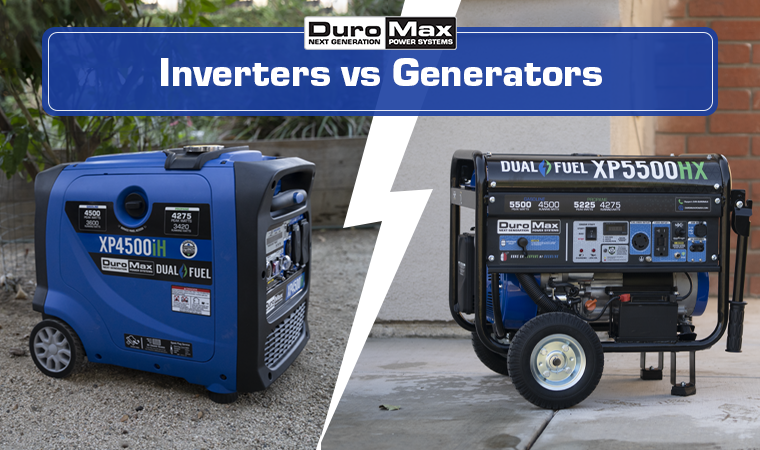
Credit: www.duromaxpower.com
Cost And Budget Considerations
Choosing between an inverter and a generator involves cost. Each option has its price range. Understanding these costs helps in making a smart choice.
Initial Purchase Price
The initial cost of an inverter is usually higher. Inverters offer advanced technology. They produce cleaner power and run quieter than generators. Generators, on the other hand, tend to be cheaper. They provide more power for less money. However, the lower price may come with noise and fuel efficiency issues.
Operating Costs
Operating costs differ for inverters and generators. Inverters often use less fuel. This can lead to savings over time. Generators consume more fuel, which adds to expenses. Maintenance costs also vary. Inverters need less upkeep than traditional generators.
Long-term Value
Consider long-term value when choosing. Inverters can last many years with proper care. They often come with warranties. This can mean fewer repair costs. Generators may need more frequent repairs. Think about how often you will use the device.
Resale Value
Resale value is another factor. Inverters generally have higher resale value. Many buyers prefer inverters for their efficiency. Generators may lose value faster. They are often less appealing to future buyers.
Best Use Cases For Each Option
Understanding the best use cases for inverters and generators can help you choose the right power solution for your needs. Each option has its strengths and weaknesses, making them suitable for different situations. Let’s break down when to use each one.
Best Uses For Inverters
Inverters shine in scenarios where quiet operation and fuel efficiency matter. They convert DC power from batteries into clean AC power, making them ideal for sensitive electronics.
- Camping and Outdoor Activities:If you enjoy camping, an inverter is perfect for running small appliances like a laptop or phone charger without disturbing nature.
- Home Backup Power:Use an inverter during short power outages to keep essential devices running, such as your refrigerator or medical equipment.
- RV Travel:Inverters are great for RVs, providing power for lights, fans, and even a microwave without the noise and fumes of a traditional generator.
Have you ever found yourself in a quiet spot, wishing you could charge your devices without the rumble of a generator? An inverter can make that possible.
Best Uses For Generators
Generators are robust power sources, suitable for heavy-duty applications. They excel in providing large amounts of power quickly.
- Construction Sites:On a construction site, you need reliable power for tools and machinery. A generator can handle the load without missing a beat.
- Emergency Backup:For extended power outages, a generator can supply enough electricity to power your entire home, keeping your family safe and comfortable.
- Outdoor Events:Hosting an outdoor party? A generator will easily power lights, sound systems, and food trucks, ensuring your event runs smoothly.
Think about your next outdoor gathering. Would you rather deal with the noise of a generator or the quiet efficiency of an inverter?
Choosing between an inverter and a generator boils down to your specific needs. Consider the environment, required power output, and duration of use. The right choice will provide you with peace of mind and reliable power.

Credit: www.integratesun.com
Factors To Consider Before Buying
Choosing between an inverter and a generator can be a daunting task, especially with so many options available. Understanding the factors that influence your decision can simplify the process. Knowing what to look for will help you make the right choice that fits your needs.
Power Output Requirements
First, assess your power needs. What devices will you be running? Inverters are ideal for sensitive electronics like laptops and phones. They deliver clean power and are quieter than generators.
Generators, on the other hand, can handle larger appliances, such as refrigerators or power tools. Think about the total wattage of the devices you plan to use. This will guide your decision.
Portability
Portability is another crucial factor. If you need to move your power source frequently, an inverter is lighter and more compact. You can easily carry it to your camping site or for tailgating.
Generators tend to be bulkier and heavier. Consider where you will use the unit. If you plan on using it at home, weight might not be a significant issue.
Noise Levels
Noise can be a deal-breaker. Inverters operate quietly, making them perfect for situations where noise is a concern, like camping. You can enjoy the outdoors without disturbing the peace.
Generators, however, can be loud, potentially annoying your neighbors. Think about your environment before making a purchase.
Fuel Type And Efficiency
Fuel type plays a vital role in your decision. Inverters usually run on batteries, which can be charged using solar panels or standard outlets. This makes them energy-efficient and environmentally friendly.
Generators typically use gasoline or propane, which can be more expensive in the long run. Check the fuel efficiency ratings for both options to understand long-term costs.
Cost
Budget is often a deciding factor. Generally, inverters are more expensive upfront but may save you money on fuel and maintenance over time. Think about the total cost of ownership.
Generators might seem cheaper initially but can incur higher operational costs. Compare your options and evaluate what best fits your financial situation.
Maintenance And Longevity
Maintenance requirements vary between the two. Inverters usually require less upkeep, while generators may need regular oil changes and other maintenance. Consider how much time you’re willing to invest in upkeep.
Also, think about longevity. Inverters often last longer due to less wear and tear. Investing in a reliable option is worth it for peace of mind.
Deciding between an inverter and a generator depends on your specific needs and circumstances. By evaluating these factors, you can make an informed choice that suits your lifestyle. What will you prioritize in your purchase?
Frequently Asked Questions
What Is The Main Difference Between An Inverter And A Generator?
An inverter converts DC power to AC power. A generator creates electricity using fuel.
Which Is Quieter: Inverter Or Generator?
Inverters are usually quieter than generators. This makes them great for camping or quiet areas.
Can An Inverter Run Appliances Directly?
Yes, inverters can run appliances directly when connected properly. They provide stable power for sensitive devices.
What Type Of Fuel Do Generators Use?
Generators typically use gasoline, diesel, or propane for fuel. The type depends on the model and brand.
Are Inverters More Efficient Than Generators?
Inverters are generally more efficient, especially for smaller loads. They waste less energy during operation.
Can I Use An Inverter For My Home?
Yes, you can use an inverter for home power needs. Just ensure it has enough capacity for your appliances.
How Long Can A Generator Run Continuously?
Most generators can run for 8 to 12 hours continuously. This depends on fuel size and usage.
Do Inverters Require Maintenance?
Inverters need less maintenance than generators. Regular checks are still important for optimal performance.
Which Is Better For Outdoor Activities: Inverter Or Generator?
Inverters are better for outdoor activities. They are lighter, quieter, and easier to transport.
Can I Charge My Inverter While Using It?
Yes, you can charge an inverter while using it. Just ensure it has enough capacity for both tasks.
Conclusion
Choosing between an inverter and a generator can be challenging. Each has its own benefits. Inverters are quiet and fuel-efficient. They work well for sensitive electronics. Generators provide high power for larger needs. They are reliable during outages. Think about your energy needs before deciding.
Consider noise levels and portability. Understanding these factors will help you make a smart choice. Both options can serve different purposes. Choose what fits your lifestyle best. Your decision will impact comfort and convenience. Make an informed choice today for a better tomorrow.