
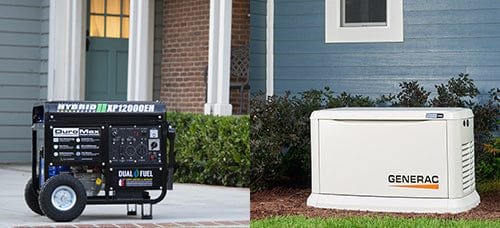
When the power goes out, having a reliable backup solution can make all the difference. You might find yourself asking: should you invest in a portable generator or a standby generator?
Each option has its own set of benefits and drawbacks, and understanding them is crucial for making the right choice for your needs. Imagine being able to keep your lights on, your refrigerator running, and your home comfortable during an outage.
But which generator will best serve your lifestyle? We’ll break down the key differences between portable and standby generators, helping you weigh your options. By the end, you’ll have a clearer picture of what fits your unique situation. Let’s dive in and find the perfect generator for your peace of mind.
Portable Generators
Portable generators offer flexibility for temporary power needs. Standby generators provide automatic backup during outages. Choosing between them depends on your power requirements and usage frequency.
Portable generators are essential tools for anyone who values convenience and reliability. Whether you’re camping, tailgating, or facing a power outage at home, these generators offer a practical solution for your power needs. They are compact, easy to move, and can provide electricity to your appliances and devices when you need it most.
What Is A Portable Generator?
A portable generator is a small, engine-driven device that converts fuel into electrical energy. They are designed to be easily transported, making them perfect for outdoor activities or emergency situations. Most portable generators run on gasoline or propane, giving you flexibility in fuel choice.
Benefits Of Portable Generators
Portable generators come with several advantages:
- Mobility:You can take them anywhere, whether it’s a job site, a campsite, or your backyard.
- Cost-effective:They are generally more affordable than standby generators.
- Ease of use:Setting up a portable generator is usually straightforward. Just fill it with fuel, connect your devices, and turn it on.
Imagine being out camping with friends. A portable generator can power your lights, cook your meals, and even charge your devices. You don’t have to worry about running out of battery or missing out on essential comforts.
Common Uses Of Portable Generators
You can use portable generators for various purposes:
- Home Backup: During a power outage, they can keep your refrigerator running and your lights on.
- Outdoor Events: Tailgating or hosting a party? They provide power for music, lights, and cooking equipment.
- Construction Sites: They can power tools and equipment where electricity is not available.
Have you ever been stuck in the dark during a storm? A portable generator can be a lifesaver, ensuring that you have the power to stay comfortable and safe.
Considerations When Choosing A Portable Generator
Selecting the right portable generator involves some key factors:
- Wattage: Determine how much power you need to run your devices.
- Runtime: Check how long the generator can run on a single tank of fuel.
- Noise Level: Some models are quieter than others, which is vital if you’re using it in a residential area.
Think about your specific needs and how often you’ll use the generator. This will help you make an informed choice. Portable generators offer flexibility and convenience, making them a popular choice for many. With the right one, you can enjoy peace of mind in various situations. Are you ready to choose the perfect portable generator for your needs?
Standby Generators
Standby generators provide reliable power during outages. They automatically turn on when the power goes out. This ensures your home stays powered. Standby generators are connected to your home’s electrical system. They can run on natural gas or propane. This makes them a convenient choice for many homeowners.
Automatic Operation
Standby generators start automatically during a power failure. There is no need for manual operation. This saves time and effort. You stay protected from unexpected outages. Your appliances and systems continue to work without interruption.
Power Capacity
Standby generators come in various sizes. They can handle different power needs. Larger units can power entire homes. Smaller units can support essential systems only. Choose a generator that fits your power requirements.
Installation And Maintenance
Installing a standby generator requires professional help. Technicians ensure proper setup and safety. Regular maintenance is crucial. Schedule annual checks to keep the system running smoothly. This helps avoid issues during an outage.
Noise Level
Standby generators are quieter than portable ones. They often operate outside the home. Sound levels vary by model. Check the specifications to find a quieter option.
Cost Considerations
Standby generators usually cost more than portable ones. The price includes the unit and installation. Consider long-term benefits. They provide peace of mind and reliability.
Power Output Differences
Understanding the power output differences helps in choosing the right generator. Portable and standby generators serve unique purposes. Each type has its own strengths when it comes to power.
Portable Generator Power Output
Portable generators are versatile. They often provide between 1,000 to 10,000 watts. This range is suitable for smaller tasks. You can use them for camping, tailgating, or power tools.
Most portable generators run on gasoline or propane. They are easy to transport. This makes them ideal for temporary power needs. However, they may not power an entire home.
Standby Generator Power Output
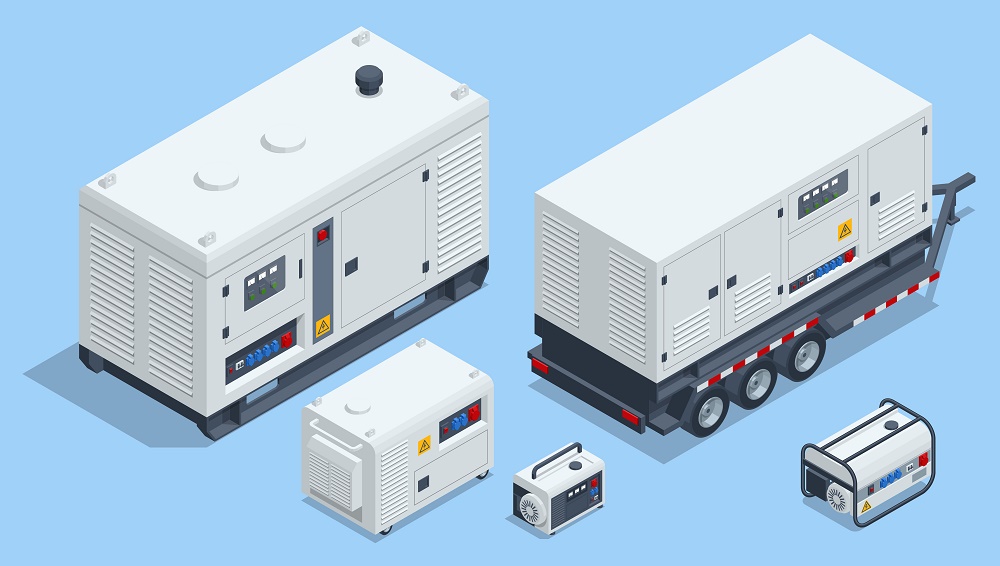
Standby generators offer a higher power output. They can range from 5,000 to 50,000 watts or more. This capacity can power an entire house.
Standby generators connect directly to your home’s electrical system. They run on natural gas or propane. They automatically turn on during a power outage.
Choosing The Right Generator
Selecting the right generator depends on your needs. Consider the total wattage of devices you want to run. For smaller jobs, a portable generator may be enough.
If you need backup power for your home, a standby generator works best. Think about your power needs before making a decision. This ensures you have the right power output.
Credit: rpgaspiping.com
Cost Comparison
Choosing between a portable generator and a standby generator? Cost is a key factor. Both types serve different needs and budgets. Understanding their costs helps in making a better choice.
Initial Purchase Price
Portable generators are cheaper. They typically cost between $300 to $1,500. Standby generators have a higher price. They range from $2,000 to $10,000. The initial cost is a big difference.
Installation Costs
Portable generators need little setup. Just plug them in and use. Standby generators require professional installation. This adds to the overall cost. Installation can range from $500 to $2,000.
Maintenance Costs
Maintenance varies for both types. Portable generators need basic care. Regular oil changes and cleanings are enough. Standby generators need more attention. They require annual inspections and maintenance services.
Operating Costs
Operating costs also differ. Portable generators use gasoline or propane. Prices fluctuate based on fuel prices. Standby generators use natural gas or propane. Their costs are generally more stable.
Long-term Value
Think about long-term value. Portable generators may save money upfront. Standby generators offer reliability and convenience. They power your home automatically during outages.
Resale Value
Resale value can be important. Portable generators may have lower resale value. Standby generators often retain value better. Many buyers prefer their convenience and reliability.
Ease Of Installation
Choosing between a portable and a standby generator often comes down to ease of installation. Understanding how each type functions and what’s required for setup can save you time and frustration. Let’s break down the key differences.
Portable Generators: Quick Setup
Portable generators are designed for convenience. You can easily roll them out of storage and plug them in where needed. Most models just require a simple connection to your appliances.
Setting up a portable generator typically involves:
- Finding a suitable location outside your home.
- Connecting extension cords to power your devices.
- Ensuring proper ventilation to avoid carbon monoxide buildup.
Many users appreciate how quickly they can get power back on. You can usually have a portable generator up and running in less than 30 minutes. This flexibility is perfect for camping trips or unexpected outages.
Standby Generators: Professional Installation Required
Standby generators are a different story. These systems are permanently installed and require a professional electrician for setup. This ensures compliance with local codes and safety standards.
Installation involves several steps:
- Choosing a location away from windows and doors.
- Connecting the generator to your home’s electrical system.
- Adding a transfer switch to manage power flow.
Although the initial setup takes longer, it offers peace of mind. Once installed, you won’t have to worry about manual connection during an outage. The generator automatically kicks in, allowing you to go about your day uninterrupted.
Comparing Installation Costs
Cost can also play a role in your decision. Portable generators are generally less expensive and don’t require professional installation. You might spend a few hundred dollars on a portable unit.
On the other hand, standby generators can run into thousands due to installation costs. However, consider the long-term benefits of having a reliable backup. Your time and comfort during power outages can be well worth the investment.
What matters most to you? The quick setup of a portable generator or the convenience of an automatic standby system? Reflect on your lifestyle and needs before making a choice.

Credit: uk.vtoman.com
Fuel Options And Efficiency
Understanding the fuel options and efficiency of portable and standby generators is crucial for making an informed choice. Each type of generator has distinct advantages depending on your needs and circumstances. Let’s break down these aspects to see what fits your lifestyle best.
Fuel Options For Portable Generators
Portable generators typically run on gasoline, propane, or diesel. Gasoline is the most common choice due to its availability and ease of use. However, propane offers a cleaner burn and longer shelf life, which can be beneficial during long-term storage.
- Gasoline:Widely available, but has a shorter shelf life.
- Propane:Cleaner and can be stored longer.
- Diesel:More fuel-efficient but often heavier and less portable.
Consider your local fuel availability and personal preferences when choosing. If you need quick power for short outages, gasoline might be your go-to option. But if you plan for extended use, propane could offer more reliability.
Fuel Options For Standby Generators
Standby generators usually run on natural gas or propane. Natural gas is convenient if you have access to a municipal supply. It provides a consistent energy source without the need for frequent refueling.
Propane is another option for standby systems, especially if your home is off the gas grid. It’s easy to store and can be delivered in bulk. Think about your home’s infrastructure and how often you want to refuel before making a decision.
Efficiency Comparisons
Efficiency varies significantly between portable and standby generators. Portable generators often consume more fuel for the same amount of power output. Their smaller engines work harder, which can lead to increased fuel costs over time.
Standby generators, on the other hand, are designed for sustained use. They typically have larger engines that run more efficiently, especially under load. This efficiency can save you money in the long run, particularly during prolonged outages.
Making The Right Choice
What are your power needs? Consider how often you experience outages and for how long. If you rely on power for essential appliances, a standby generator might be worth the investment.
On the other hand, if you only need backup power occasionally, a portable generator could suffice. Evaluate your lifestyle and choose a generator that aligns with your specific requirements and budget.
Ultimately, understanding the fuel options and efficiency of both types of generators will empower you to make the right decision for your home. What fuel source do you feel most comfortable using? Your choice may shape your experience with backup power for years to come.
Mobility And Flexibility
Mobility and flexibility are crucial factors to consider when choosing between a portable and a standby generator. Your specific needs and lifestyle will dictate which option suits you best. Let’s break down the differences to help you make an informed decision.
Understanding Portable Generators
Portable generators are designed for easy transport. You can take them wherever you need power, whether it’s for a camping trip, outdoor event, or during a power outage at home. Their lightweight design and built-in wheels make it simple to move them around.
Many portable models come with handles, allowing you to carry them effortlessly. This mobility is a significant advantage for those who value versatility. You can use them for various applications, such as powering tools at a job site or supplying energy to your RV.
Exploring Standby Generators
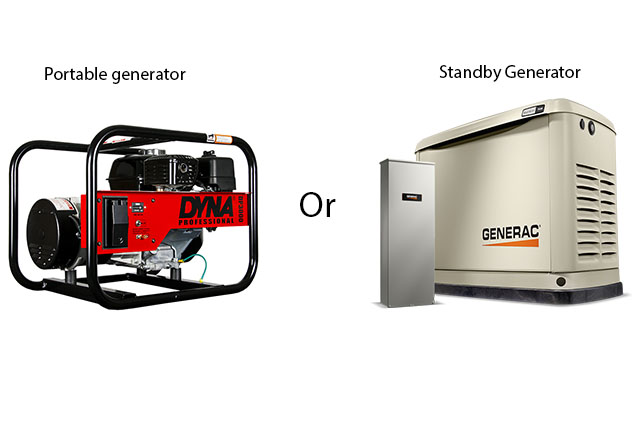
Standby generators are stationary and installed outside your home. They automatically kick in during a power outage, providing a seamless power supply. Their fixed nature means they are always ready, but they lack the transportability of portable units.
If you live in an area prone to blackouts, the reliability of a standby generator may be appealing. You won’t need to rush outside to start it manually. This convenience allows you to maintain your routine without interruption.
Assessing Your Needs
Think about your lifestyle and power requirements. Do you need electricity for outdoor activities or emergencies? A portable generator might be your best choice.
On the other hand, if you’re looking for a reliable backup for your home, consider a standby generator. It provides peace of mind knowing that your appliances and systems will stay powered on during outages.
Cost And Installation Considerations
- Portable Generators:Generally more affordable and easy to set up. No professional installation is required.
- Standby Generators:Higher initial costs and require professional installation. However, they offer long-term value.
How important is power accessibility to you? Understanding your priorities will guide your decision. Weigh the costs against the benefits to find the best fit for your situation.
Credit: empowergenerators.com
Maintenance Requirements
Keeping your generator in good shape is important. Regular maintenance helps avoid problems later. Different types of generators have different needs. Let’s look at the maintenance requirements for portable and standby generators.
Portable Generator Maintenance
Portable generators require regular checks. You need to change the oil often. Most recommend changing it every 50 hours of use. Check the air filter regularly. A clean filter helps the generator run smoothly.
Inspect the spark plug too. Clean or replace it as needed. Fuel quality matters. Use fresh fuel to avoid issues. Store fuel safely when not in use.
Battery maintenance is also key. If your portable generator has a battery, check it often. Keep it charged and clean. Remember to test the generator every few months.
Standby Generator Maintenance
Standby generators have different needs. They usually require less frequent checks. Most have an automatic self-test feature. This feature runs the generator at regular intervals.
Check the oil and coolant levels regularly. Change the oil at least once a year. Inspect the battery and its connections. Replace the battery as needed.
Air filters should be cleaned or replaced too. Look for any signs of wear or damage. Schedule a professional service once a year. This helps ensure everything works well.
Noise Levels
Noise levels can significantly influence your decision between a portable and standby generator. If you’ve ever been in a neighborhood during a power outage, you might have noticed the varying sounds of generators humming away. Some are barely noticeable, while others can be quite disruptive. Let’s break down how noise levels differ between these two types of generators.
Noise Levels Of Portable Generators
Portable generators are known for their versatility, but they often come with a trade-off in noise. On average, they produce between 50 to 70 decibels of sound. This level can be comparable to a normal conversation or a vacuum cleaner.
Have you ever tried to enjoy a quiet evening only to be interrupted by a loud generator? It’s frustrating, especially if you’re camping or hosting friends. Many portable models now include noise-reducing features, but they still tend to be louder than standby options.
Noise Levels Of Standby Generators
Standby generators, designed for home use, usually operate at lower noise levels. They typically range from 45 to 60 decibels, making them quieter than portable models. This level is similar to the sound of a refrigerator running.
Imagine having your lights on during a storm without the constant drone of a noisy generator. With a standby generator, you can maintain your normal lifestyle without the distraction of loud machinery. This makes them a more appealing option for residential areas.
Considerations For Noise Levels
- Location:Consider where you plan to use your generator. In quieter neighborhoods, a noisy generator can lead to complaints.
- Usage:If you need power for an extended time, the noise from a portable generator can become unbearable.
- Noise Ratings:Always check the decibel rating before purchasing. Some manufacturers provide detailed specs to help you choose.
What’s more important to you: the flexibility of a portable generator or the quiet efficiency of a standby model? Balancing these factors can lead you to the right choice for your needs.
Best Use Cases
Portable generators are great for camping and outdoor events. They provide power anywhere you need it. Standby generators work best for home backup during outages. They automatically turn on and keep essential appliances running. Each type serves different needs based on your power requirements.
The choice between a portable and standby generator often comes down to your specific needs. Understanding the best use cases for each type can help you make an informed decision. Both have their strengths and ideal scenarios, so let’s break it down.
Best Use Cases For Portable Generators
Portable generators shine in versatility. They’re perfect for outdoor activities like camping or tailgating. You can easily transport them to any location, ensuring you always have power. – Use them for powering tools at job sites. – They can keep your appliances running during a short power outage. – Great for recreational use, such as powering a radio or lights at a picnic. Think about your lifestyle. Do you often go on trips or have DIY projects at home? A portable generator might be your best bet.
Best Use Cases For Standby Generators
Standby generators are designed for long-term power supply. They automatically kick in when the power goes out. This means less hassle for you during emergencies. – Ideal for homes in areas prone to frequent outages. – Keeps essential appliances running, like refrigerators and HVAC systems. – Offers a seamless power transition, so you won’t even notice the outage. Imagine a storm hits and the power goes out. With a standby generator, your home remains operational without missing a beat.
Comparative Scenarios: When To Choose Which
Think about your specific needs. If you need power for a few hours while camping, go with a portable generator. However, if you want peace of mind during extreme weather, a standby generator is a wise choice. | Feature | Portable Generator | Standby Generator | |——————|———————–|———————| | Portability | Highly portable | Stationary | | Power Duration | Short-term use | Long-term use | | Installation | Minimal setup | Professional setup | | Cost | Generally cheaper | Higher investment | What’s your priority? Flexibility or reliability? Knowing this can guide your decision.
Frequently Asked Questions
What Is A Portable Generator?
A portable generator is a device that provides temporary power. It is easy to move and can be used for various needs.
What Is A Standby Generator?
A standby generator is a permanent power source. It automatically turns on during a power outage.
How Do Portable Generators Work?
Portable generators use gasoline or propane to create electricity. They have outlets to connect your devices.
How Do Standby Generators Work?
Standby generators run on natural gas or propane. They connect directly to your home’s electrical system.
Which Generator Is Cheaper To Buy?
Portable generators generally cost less than standby generators. They are a good option for limited budgets.
Which Generator Is More Powerful?
Standby generators usually offer more power. They can run entire homes during outages.
How Long Can A Portable Generator Run?
A portable generator can run for 8 to 12 hours. This depends on the fuel tank size and load.
Do Standby Generators Require Maintenance?
Yes, standby generators need regular maintenance. This includes oil changes and battery checks to stay reliable.
Can You Use A Portable Generator Indoors?
No, never use a portable generator indoors. It can produce harmful carbon monoxide gas.
Which Generator Is Better For Emergencies?
Standby generators are better for emergencies. They provide automatic power when you need it most.
Conclusion
Choosing between a portable and standby generator depends on your needs. Portable generators are great for temporary use. They are easy to move and store. Standby generators offer permanent power solutions. They kick in automatically during outages. Both types have their benefits.
Think about your power needs and budget. Research options carefully. This decision affects your comfort and safety. Make sure you choose wisely. Power outages can happen anytime, and being prepared is key. A good generator keeps your home running smoothly.
Your choice can make all the difference.