
Are you curious about how a generator converts energy into usable power? If you’ve ever wondered what happens behind the scenes when you flip the switch on your generator, you’re in the right place.
Understanding this process can help you make better choices for your energy needs and even save you money. Whether you’re a homeowner looking to ensure a steady power supply or someone interested in renewable energy solutions, knowing how generators work is essential.
Stick around, and let’s dive into the fascinating mechanics of how a generator converts energy into electricity, revealing insights that could transform your approach to power usage.
How Generators Work
Generators are machines that create electricity. They convert mechanical energy into electrical energy. This process is essential for many devices we use daily. Understanding how generators work helps us appreciate their importance.
Basic Components Of A Generator
A generator has three main parts: the engine, the alternator, and the fuel system. The engine powers the generator. The alternator converts the mechanical energy into electrical energy. The fuel system provides the energy needed to run the engine.
The Role Of Electromagnetism
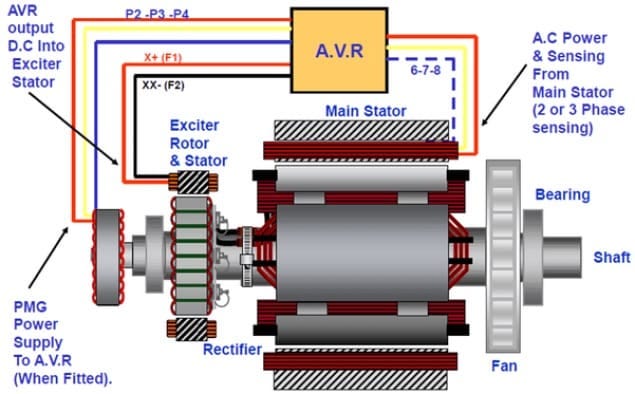
Generators use the principle of electromagnetism. This means that moving a conductor through a magnetic field creates electricity. The alternator has magnets and coils. As the engine runs, it spins these parts, generating electrical power.
There are several types of generators. Portable generators are small and easy to move. Standby generators provide backup power during outages. Solar generators use sunlight to create electricity. Each type serves different needs.
How Energy Is Generated
Energy generation starts with fuel. The engine burns fuel to create mechanical energy. This energy spins the alternator. The alternator then produces electricity. This electricity can power homes, tools, and more.
Safety Features In Generators
Safety is crucial when using generators. Many have features like circuit breakers. These prevent overloads and short circuits. Others include automatic shut-off systems. These stop the generator if it overheats.
Types Of Generators
Understanding the various types of generators is essential for anyone considering their options for backup power or portable energy solutions. Each type serves different needs and environments, making it crucial to choose the right one for your situation. This section breaks down the most common types of generators, helping you make an informed decision.
Portable Generators
Portable generators are versatile and convenient. They are easy to transport, making them ideal for camping trips, outdoor events, or emergency power at home. You can typically run tools, lights, and small appliances with them.
These generators come in various sizes, so you can select one that meets your power requirements. Look for features like multiple outlets, fuel efficiency, and noise levels. You don’t want to disturb your neighbors during a power outage!
Inverter Generators
Inverter generators offer clean and stable power, making them perfect for sensitive electronics. If you’ve ever had a laptop malfunction due to poor power supply, you understand the importance of stable electricity.
These generators are also quieter and more fuel-efficient than conventional models. They adjust their engine speed based on the load, which saves fuel and reduces noise. Perfect for camping trips or tailgating!
Standby Generators
Standby generators are permanently installed and automatically kick in during a power outage. You won’t have to worry about plugging anything in or running outside in the dark. They provide seamless power to your home, keeping everything running smoothly.
These generators run on natural gas or propane, and they can power your entire home or specific circuits. Think about your needs: Would you want to keep your refrigerator running? Or perhaps your heating system? Standby generators ensure you stay comfortable during outages.
Solar Generators
Solar generators harness the power of the sun, offering an eco-friendly alternative. They are perfect for those who want a sustainable energy source without the noise of traditional generators.
While they may not provide as much power as gas generators, they are great for charging small devices or running lights and fans. Consider your energy needs and whether solar could be a good fit for you. Have you ever thought about how much you could save on fuel costs?
Diesel Generators
Diesel generators are robust and typically used for heavy-duty applications. They excel in providing a lot of power, making them suitable for construction sites or large commercial operations. If you’ve ever been on a job site, you’ve likely seen one in action.
They tend to have a longer lifespan than gasoline generators, but they can be noisier. Evaluate your power needs and environment before making a choice. Could the reliability of a diesel generator be what you need for your projects?
Choosing the right generator involves understanding your unique needs and preferences. Take time to evaluate each type based on your specific requirements. What features are most important to you?
Key Components Of A Generator
A generator has several important parts. Each part plays a role in producing electricity. Understanding these components helps you know how a generator works. Here are the main parts of a generator.
Engine
The engine is the heart of the generator. It burns fuel to create power. The type of fuel can vary. Common options are gasoline, diesel, or natural gas. The engine’s size affects the power output. A larger engine can produce more electricity.
Alternator
The alternator generates electrical energy. It converts mechanical energy from the engine. This process creates alternating current (AC). Some generators also produce direct current (DC). The alternator is crucial for power generation.
Fuel System
The fuel system stores and supplies fuel to the engine. It includes the fuel tank, fuel lines, and filters. Clean fuel is vital for good engine performance. Fuel systems can vary based on the generator type.
Voltage Regulator
The voltage regulator controls the output voltage. It ensures the generator produces stable power. This part protects connected devices from voltage spikes. A good regulator helps maintain consistent performance.
Cooling System
The cooling system keeps the engine from overheating. It may use air or liquid to cool the engine. Proper cooling extends the generator’s life. Overheating can lead to serious damage.
Lubrication System
The lubrication system reduces friction in the engine. It uses oil to keep moving parts smooth. Good lubrication helps prevent wear and tear. Regular maintenance is important for this system.
Control Panel
The control panel is the operator’s interface. It displays power output and running status. Users can start, stop, and monitor the generator here. A clear control panel is essential for easy operation.
Fuel Options For Generators
Choosing the right fuel for your generator is vital. Different fuels have unique benefits and drawbacks. Understanding these options helps you make informed choices.
Generators can use various fuels. The main types include gasoline, diesel, propane, and natural gas. Each fuel type affects performance, cost, and convenience.
Gasoline
Gasoline is the most common fuel. It is easy to find and store. Many people use gasoline generators for home backup power.
They are portable and lightweight. Gasoline generators start quickly. However, they can be noisy and less efficient.
Diesel
Diesel generators are known for durability. They run longer and are more fuel-efficient. Diesel fuel has a higher energy density than gasoline.
These generators are great for heavy-duty use. They are quieter than gasoline models. However, diesel generators tend to be more expensive.
Propane
Propane is a clean-burning fuel option. It produces fewer emissions than gasoline. Propane generators are often more environmentally friendly.
They are easy to store and transport. Propane has a long shelf life. However, availability can vary by location.
Natural Gas
Natural gas is a convenient option for many homes. It connects directly to gas lines. This means no need for refueling.
Natural gas generators are reliable and quiet. They are ideal for permanent installations. However, they may require additional setup costs.
Each fuel type has its unique benefits. Consider your needs and preferences when choosing.
Portable Vs Standby Generators
Choosing between portable and standby generators can feel overwhelming. Both types have unique benefits and specific use cases. Understanding their differences can help you make a well-informed decision that suits your needs.
Portable Generators
Portable generators are versatile and designed for mobility. They can be easily transported to various locations, making them ideal for camping trips, outdoor events, or emergency power during outages.
These generators typically run on gasoline or propane and are available in various sizes. You can power essential appliances like refrigerators, lights, and even small air conditioners with the right model.
- Pros:
- Easy to transport
- Lower initial cost
- Good for short-term use
- Cons:
- Requires manual setup
- Limited runtime
- Noise level can be high
Standby Generators
Standby generators, also known as whole-house generators, are permanently installed and automatically turn on during a power outage. They run on natural gas or diesel, providing a reliable power source without the need for manual intervention.
This type is excellent for homes that experience frequent outages. Standby generators can power your entire home, ensuring you never lose essential services like heating, cooling, or medical equipment.
- Pros:
- Automatic operation
- Can power your entire home
- Quiet and efficient
- Cons:
- Higher initial cost
- Requires professional installation
- Maintenance needed
Have you ever experienced a power outage? If so, you know how essential it is to have reliable backup power. The choice between portable and standby generators often comes down to your specific needs and lifestyle.
Consider how you plan to use your generator. If you’re looking for something to power your home during emergencies, a standby generator might be best. If you need something for outdoor adventures or occasional use, a portable generator could fit your needs perfectly.
Benefits Of Using Generators
Using a generator can be a game-changer in various situations. Whether you’re facing a power outage or need extra power for outdoor activities, generators offer numerous benefits. Understanding these advantages can help you make informed decisions about your energy needs.
Reliable Power Source
Generators provide a dependable source of electricity. This reliability is crucial during emergencies, like storms or natural disasters. You can keep your home running smoothly even when the grid goes down.
Cost-effective Solution
Investing in a generator can save you money in the long run. Instead of relying on costly hotel stays during power outages, you can stay comfortable at home. Plus, generators can help you avoid lost wages if you work from home.
Versatility In Use
Generators are versatile tools. You can use them for various purposes, like camping trips, outdoor events, or construction sites. This flexibility makes them a valuable asset for anyone who needs portable power.
Increased Comfort And Convenience
Imagine hosting a backyard barbecue without worrying about power interruptions. A generator keeps your appliances running, from refrigerators to air conditioners. This comfort allows you to focus on enjoying your time with family and friends.
Enhanced Safety
Safety is another significant benefit of using generators. During a power outage, darkness can lead to accidents. Having a generator ensures that you have light and can power essential devices like phones and medical equipment.
Environmentally Friendly Options
Many modern generators are designed with eco-friendly features. You can find models that use less fuel and produce fewer emissions. Choosing these options can help you reduce your carbon footprint while still enjoying the benefits of backup power.
Have you thought about how a generator could improve your life? With so many advantages, the right generator can be an essential part of your energy solutions. Consider your needs and see how a generator can offer you peace of mind.
Choosing The Right Generator
Choosing the right generator can be a game-changer for your home or business. It’s not just about picking a brand or model; it’s about understanding your specific needs. With the right information, you can make an informed choice that saves you time, money, and frustration.
Assess Your Power Needs
Start by determining how much power you actually need. Make a list of all the appliances and devices you want to run during an outage. A simple way to calculate this is to add up the wattage of each item.
- Refrigerator: 600-800 watts
- Heating/Cooling System: 2000-5000 watts
- Lights: 60-100 watts each
- Laptop: 50-100 watts
It’s crucial to consider starting and running wattage. Some appliances, like refrigerators, require more power to start than to run. Understanding these details helps you choose a generator that fits your needs.
Portability Vs. Standby Generators
Think about where you will use the generator. Do you need something portable for camping or tailgating? Or do you want a standby generator that automatically kicks in during power outages?
Portable generators are great for versatility. They can power tools on job sites or keep your fridge running during emergencies. Standby generators provide peace of mind, connecting directly to your home’s electrical system.
Fuel Type Considerations
The type of fuel your generator uses matters a lot. Common options include gasoline, propane, and diesel. Each fuel type has its pros and cons.
- Gasoline:Widely available, but not ideal for long-term storage.
- Propane:Cleaner burning and can be stored indefinitely.
- Diesel:More fuel-efficient but can be harder to find.
Your choice may depend on availability and your personal preferences. Consider what will work best for your situation.
Noise Level And Features
Noise can be a significant factor, especially if you plan to use the generator in residential areas. Look for models that advertise quieter operation.
Also, think about features that matter to you. Do you need multiple outlets? An electric start? Some generators come with advanced features like inverter technology for cleaner power.
Budget And Warranty
Set a budget before you start shopping. Generators can vary greatly in price, so knowing how much you’re willing to spend helps narrow your options.
Don’t overlook warranty options. A good warranty can save you money in the long run and provides peace of mind. Always read the fine print.
Choosing the right generator can feel overwhelming, but breaking it down into these considerations makes it manageable. You can find a generator that fits your needs perfectly. What features are you most excited about in your next generator?
Credit: medium.com
Common Applications Of Generators
Generators are useful tools in many situations. They provide power when there is none. Different types of generators serve various needs. Here are some common applications of generators.
Emergency Power Supply
Generators are often used as backup power. During blackouts, they keep homes running. They power essential appliances like refrigerators and lights. This helps maintain safety and comfort.
Construction Sites
On construction sites, generators are vital. They provide power for tools and equipment. Without generators, work would be slow or impossible. They ensure projects stay on schedule.
Outdoor Events
Outdoor events need power for sound and lighting. Generators supply this power easily. They make concerts, festivals, and weddings possible. Generators enhance the experience for everyone involved.
Remote Locations
In remote areas, generators are often necessary. They provide electricity where it is not available. This is important for research camps or cabins. Generators allow for modern conveniences anywhere.
Industrial Uses
Industries rely on generators for various tasks. They support manufacturing processes and keep equipment running. A steady power supply is crucial for productivity. Generators help businesses operate smoothly.
Maintenance Tips For Generators
Maintaining your generator is crucial for ensuring its reliability and longevity. Regular upkeep not only keeps it running smoothly but also saves you from unexpected breakdowns. Here are some practical maintenance tips that can help you keep your generator in top shape.
Regularly Check The Oil Level
Oil is the lifeblood of your generator. Make it a habit to check the oil level before you start it up.
- Use the dipstick to monitor the oil level.
- Top it off if it’s low.
- Change the oil every 50-100 hours of operation.
Keeping the oil clean ensures the engine operates efficiently. Dirty oil can lead to serious damage, so don’t overlook this step.
Keep The Air Filter Clean
A clean air filter is essential for optimal performance. Dust and debris can clog the filter, affecting airflow.
- Check the air filter every month.
- Replace or clean it as needed.
During one of my generator maintenance sessions, I found that a simple cleaning of the air filter increased efficiency significantly. Have you checked yours lately?
Inspect The Fuel System
The fuel system is another area you should monitor regularly. Stale fuel can cause issues, especially if your generator sits unused for long periods.
- Drain old fuel and replace it with fresh fuel.
- Check for leaks in fuel lines.
- Consider using a fuel stabilizer if you store fuel for more than a month.
A well-maintained fuel system enhances performance and extends the lifespan of your generator.
Test The Generator Monthly
Regular testing is vital to ensure your generator works when you need it most. Run it for about 30 minutes every month.
- Check all operational functions.
- Listen for any unusual noises.
During a power outage last summer, my generator roared to life without a hitch, thanks to this monthly habit. How often do you test yours?
Store It Properly
If you won’t be using your generator for a while, proper storage is key. Keep it in a dry, cool place to prevent rust and damage.
- Cover it with a tarp or a dedicated generator cover.
- Disconnect the battery if applicable.
Taking these steps ensures that your generator will be ready when duty calls.
By implementing these maintenance tips, you can enhance the performance and reliability of your generator. Regular checks and simple upkeep can save you time, money, and hassle in the long run. What maintenance tasks will you tackle this week?

Credit: slideplayer.com
Future Trends In Generator Technology
The future of generator technology is bright and full of exciting possibilities. With advancements in efficiency and sustainability, generators are evolving to meet the needs of a more eco-conscious world. Let’s look at some of the key trends shaping this industry.
Enhanced Efficiency With Smart Technology
Smart technology is changing how generators operate. Modern generators can now communicate with other devices, optimizing performance based on real-time data.
Imagine a generator that adjusts its power output according to the energy demands of your home. This not only saves fuel but also reduces wear and tear on the machine.
As smart grids become more common, you might find your generator automatically switching to a power-saving mode during off-peak hours. This kind of efficiency could save you money in the long run.
Rise Of Renewable Energy Sources
Many generators now integrate renewable energy sources like solar or wind power. This shift addresses environmental concerns and lowers carbon footprints.
Some companies are developing hybrid models that combine traditional fuel sources with solar panels. These generators can reduce reliance on fossil fuels while providing reliable power.
Are you ready to consider a generator that harnesses the power of the sun? This approach not only helps the planet but can also lead to significant savings on energy costs.
Battery Storage Innovations
Battery technology is advancing rapidly, making it more feasible to store energy for later use. This is particularly beneficial during power outages or peak demand times.
Generators paired with battery systems can provide a seamless transition from grid power to stored energy. This means you stay powered up without interruption.
Consider the convenience of knowing your generator is always ready to go, thanks to efficient battery storage. How would that change your experience during a blackout?
Focus On Noise Reduction
Noise is a common complaint with traditional generators. Fortunately, manufacturers are prioritizing quieter models that are more suitable for residential areas.
New designs incorporate sound-dampening technology, making it easier for you to enjoy peace and quiet while your generator operates.
Have you ever had to pause your outdoor activities because of generator noise? Future models may allow you to enjoy your space without disruption.
Increased Portability And Compact Designs
Today’s generators are becoming more portable and easier to transport. Compact designs mean you can easily move them for various uses, from camping trips to emergency backups at home.
Some models are lightweight and feature ergonomic handles, making them user-friendly. Imagine being able to take your power source anywhere you need it without hassle.
Are you ready to embrace a generator that fits seamlessly into your lifestyle? The future of generator technology is all about convenience and adaptability.
Frequently Asked Questions
What Does A Generator Convert To?
A generator converts mechanical energy into electrical energy for power.
How Do Generators Work?
Generators use magnetic fields to convert motion into electricity.
What Types Of Energy Do Generators Produce?
Generators mainly produce electrical energy from mechanical or thermal energy sources.
Can A Generator Run On Gasoline?
Yes, many generators can operate using gasoline as fuel.
What Is The Role Of A Generator In A Power Outage?
Generators provide backup power during outages, keeping essential devices running.
How Is Electricity Generated By A Generator?
Electricity is generated through the movement of magnets within coils of wire.
Are There Different Types Of Generators?
Yes, there are portable, standby, and inverter generators for different uses.
What Is The Efficiency Of A Generator?
The efficiency varies but most generators convert about 70-90% of energy.
Can A Generator Be Used For Home Power?
Yes, many homeowners use generators for backup or off-grid power solutions.
How Do I Maintain A Generator?
Regularly check fuel, oil levels, and clean the air filter for best performance.
Conclusion
A generator can convert energy into power. This process is essential for many uses. It provides electricity when needed. Understanding how generators work helps you choose the right one. Consider your needs and environment. Always prioritize safety and efficiency. A good generator can make life easier.
It ensures you have power during outages. Explore options and find the best fit for you. This knowledge will serve you well in the long run. Make informed decisions and enjoy the benefits of reliable energy.