

A transfer switch safely connects a standby generator to your home's circuits during outages.
I have installed and tested transfer switches for homes and small businesses for years, so I know what works and what trips people up. This article explains Adding Generator Transfer Switch in clear steps, shows benefits, covers code and safety, and shares real-world tips from my own installations to help you plan and execute the project with confidence. Read on for practical guidance that saves time, money, and sleepless nights during a blackout.
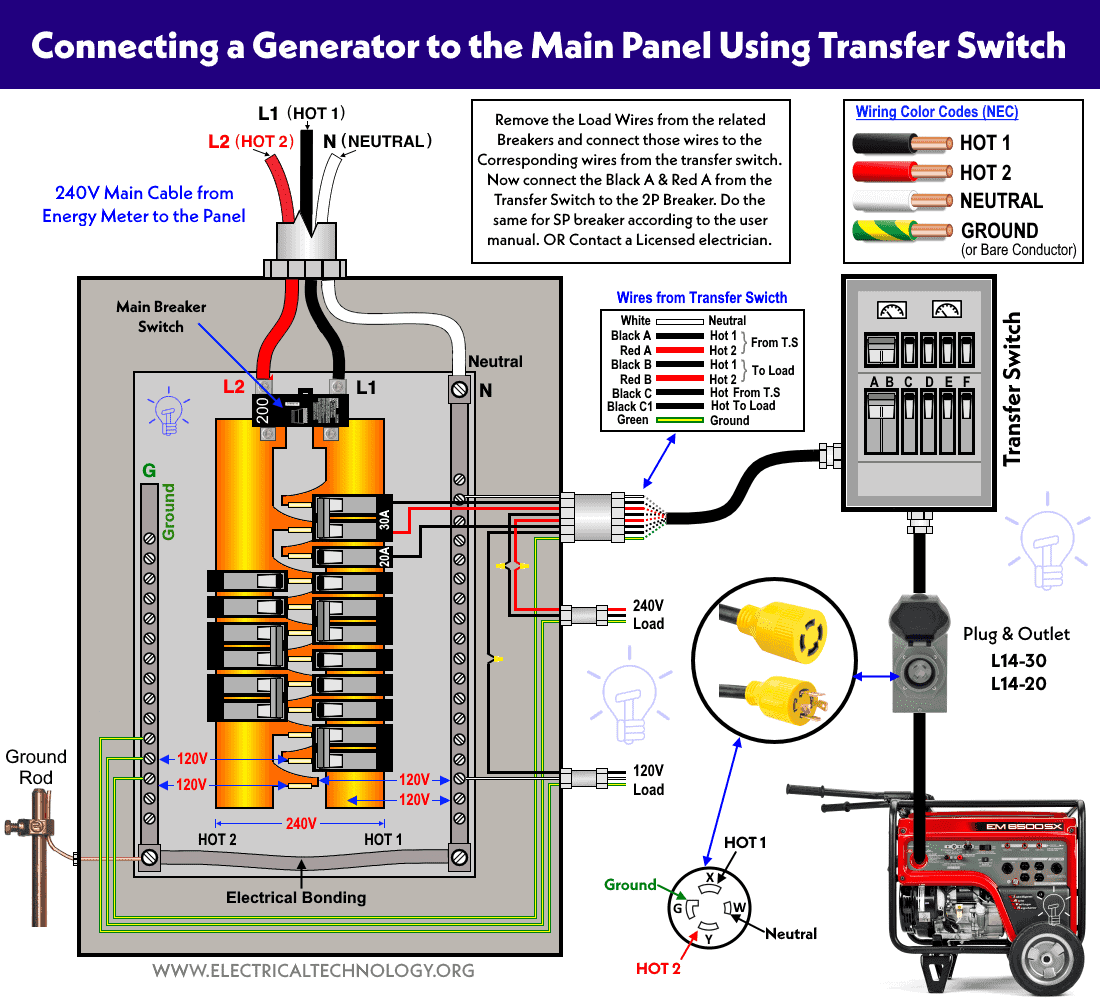
Overview: What Adding Generator Transfer Switch Means
Adding Generator Transfer Switch means installing a device that isolates your generator from the utility grid. The switch prevents dangerous backfeed and lets you power chosen circuits safely. When you add a transfer switch, you decide which circuits run on generator power and how that power is delivered. That choice improves safety and makes generator use simple and reliable.
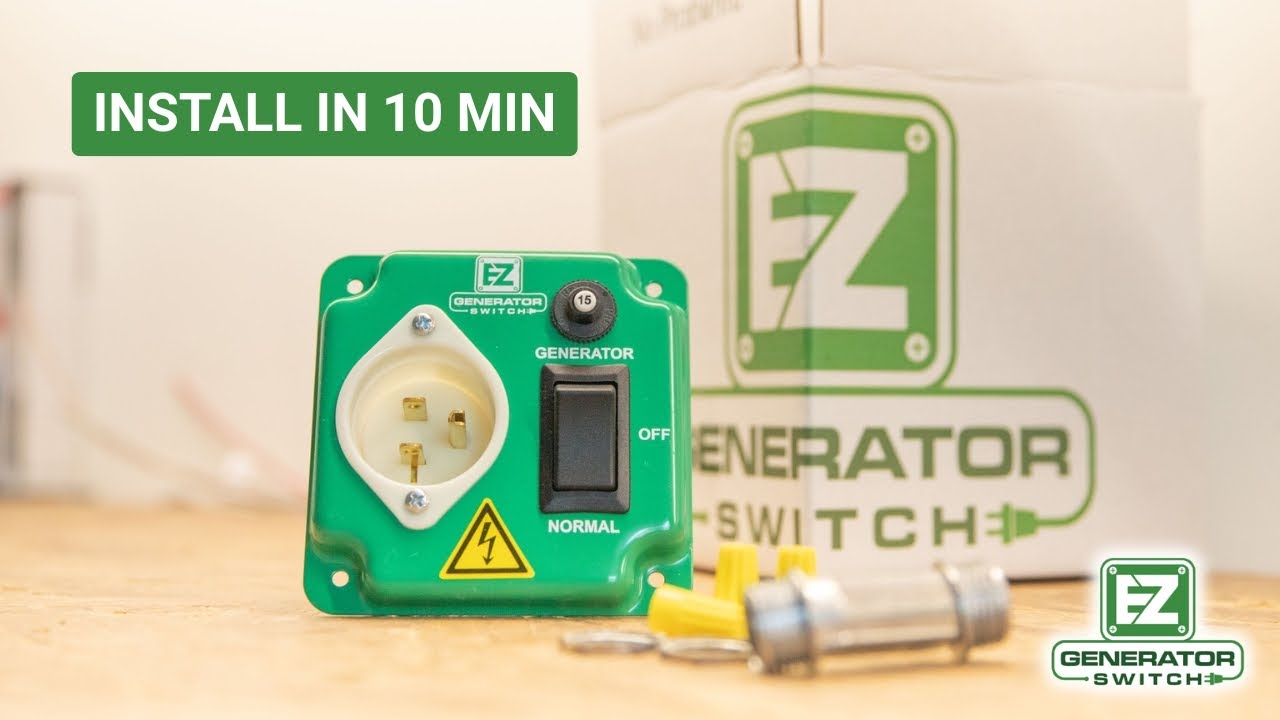
Types of Transfer Switches and How They Differ
There are three main options when Adding Generator Transfer Switch:
- Manual transfer switches: You flip a breaker or handle to change power sources. They are simple and cost-effective.
- Automatic transfer switches (ATS): The ATS senses grid loss and starts the generator automatically. This is best for homes needing hands-free backup.
- Interlock kits: These are a lower-cost way to prevent backfeed by mechanically interlocking the main breaker and generator breaker. They require precise installation and local code approval.
Choosing the right type affects cost, convenience, and code compliance. Consider how often you expect to run the generator and whether remote or automatic startup matters.

Why Add a Generator Transfer Switch
Adding Generator Transfer Switch improves safety, protects utility workers, and preserves appliances. It also speeds up transition during outages and prevents accidental backfeed that could damage equipment. For many people, the convenience of an automatic switch or a dedicated manual switch outweighs the installation cost. A proper transfer switch also helps pass inspections and meet insurance requirements.
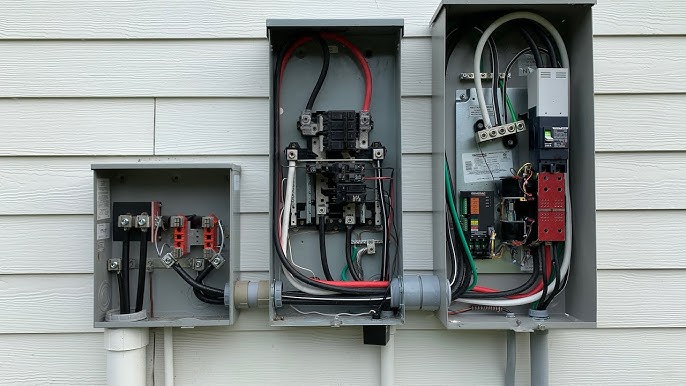
Step-by-Step Installation Process (High-Level)
I recommend hiring a licensed electrician, but here is the high-level workflow I follow when Adding Generator Transfer Switch:
- Plan loads: List critical circuits you want powered. This keeps the generator size practical.
- Choose switch type and location: Pick a switch rated for your panel and generator, and position it near the main panel.
- Obtain permit: File for a permit and schedule inspections before starting work.
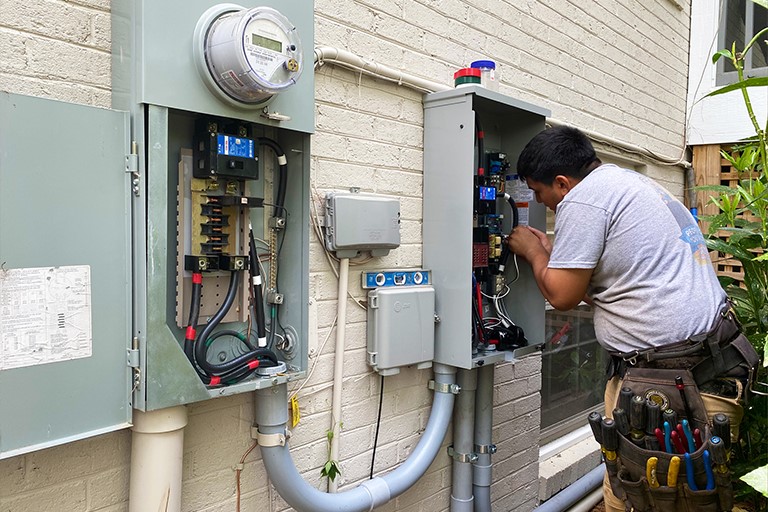
- Install transfer switch: The electrician mounts the transfer switch and ties selected circuits to it.
- Connect generator inlet and grounding: Install a weatherproof inlet and bond ground according to code.
- Test and label: Run the generator, check loads, and label circuits and operating steps.
When I installed a switch at my cabin, I accidentally left one critical circuit unlabeled. I learned to double-check labeling and test each circuit while the generator is running to avoid surprises.

Sizing, Load Calculations, and Planning
Correct sizing is key when Adding Generator Transfer Switch. Follow these steps:
- Make a list of critical appliances and their starting and running watts. Motors need extra starting power.
- Add up running watts and size the generator with a safety margin of 20 to 30 percent.
- Match the transfer switch amp rating to panel and generator capacity.
Example: A fridge (800 running, 2,400 starting) plus lights and a furnace blower (1,000 running) plus a few outlets might need a 5,000–7,500 watt generator. Accurate sizing prevents overloads and reduces fuel waste.
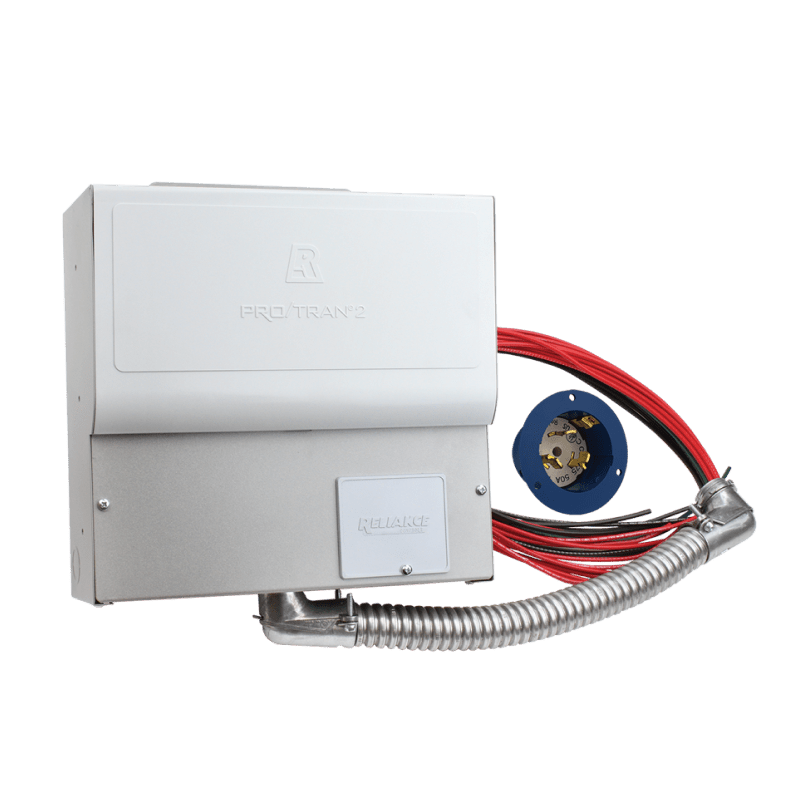
Safety, Code Compliance, and Best Practices
Safety is the main reason for Adding Generator Transfer Switch. Key compliance points:
- Prevent backfeed: The transfer switch isolates generator power from the grid to protect line workers.
- Follow NEC rules: The National Electrical Code sets grounding, bonding, and installation standards.
- Permits and inspections: Always get a permit and pass inspection before using the system.
- Use proper wiring and breakers: Oversized or undersized wiring creates hazards and code violations.
I always document the installation with photos and the permit number. That record helps with future service and warranty work.
Costs, Warranty, and Benefits
Costs vary when Adding Generator Transfer Switch. Typical price ranges:
- Manual transfer switch device alone: several hundred to a thousand dollars.
- Automatic transfer switch device: one to several thousand dollars.
- Professional installation and permits: several hundred to a few thousand dollars.
Benefits often outweigh costs. They include reliable backup power, improved safety, faster recovery after outages, and potential insurance advantages. Think of the cost as an investment in peace of mind.

Troubleshooting and Maintenance Tips
Keep the system reliable after Adding Generator Transfer Switch with simple care:
- Test quarterly: Run the generator under load to ensure everything works.
- Inspect connections: Look for loose wires, corrosion, or damaged insulation.
- Update labels: Replace faded or incorrect labels to avoid operator errors.
- Replace batteries and fluids: If your generator has a control battery or coolant, maintain them per the manual.
From experience, a brief monthly visual check and a quarterly test prevent most failures during actual outages.

Frequently Asked Questions of Adding Generator Transfer Switch
What does a transfer switch do for a home generator?
A transfer switch isolates the home electrical system from the utility grid when the generator runs. It prevents backfeed and allows safe powering of selected circuits.
Can I install a transfer switch myself?
You can do some planning yourself, but the actual install should be done by a licensed electrician. Permits and safe wiring practice are required by code.
How do I choose between manual and automatic transfer switches?
Choose manual if you need a low-cost, simple solution and can start the generator yourself. Choose automatic for hands-free operation, especially if you are away during outages.
Will adding a transfer switch increase my home’s value?
A properly installed transfer switch can add value by improving safety and emergency readiness. It is often attractive to buyers who value reliable backup power.
How often should I test the transfer switch and generator?
Run a full test at least quarterly and perform a visual inspection monthly. Regular testing prevents surprises in a real outage.
Conclusion
Adding Generator Transfer Switch is one of the best investments you can make for safe, reliable backup power. It protects utility workers, keeps essential circuits running, and makes generator use simple and repeatable. Start by planning loads, choose the correct switch type, get permits, and hire a licensed electrician to install and test the system. If you want peace of mind during storms and outages, take the next step: get a quote, ask for references, and schedule an inspection. Leave a comment with your questions or share your own experience to help others choose the right setup.