
Arbitrary Waveform Generator Vs Function Generator: AWG makes custom, complex signals; function generators output standard wave shapes.
I have spent years designing and testing electronic systems with signal instruments, so I know the subtle but crucial gaps between an Arbitrary Waveform Generator Vs Function Generator. This article explains how each tool works, when to choose one over the other, and practical tips from real lab work to help you decide quickly and confidently. Read on to get clear, hands-on guidance that saves time and avoids costly mistakes.
What is an Arbitrary Waveform Generator Vs Function Generator?
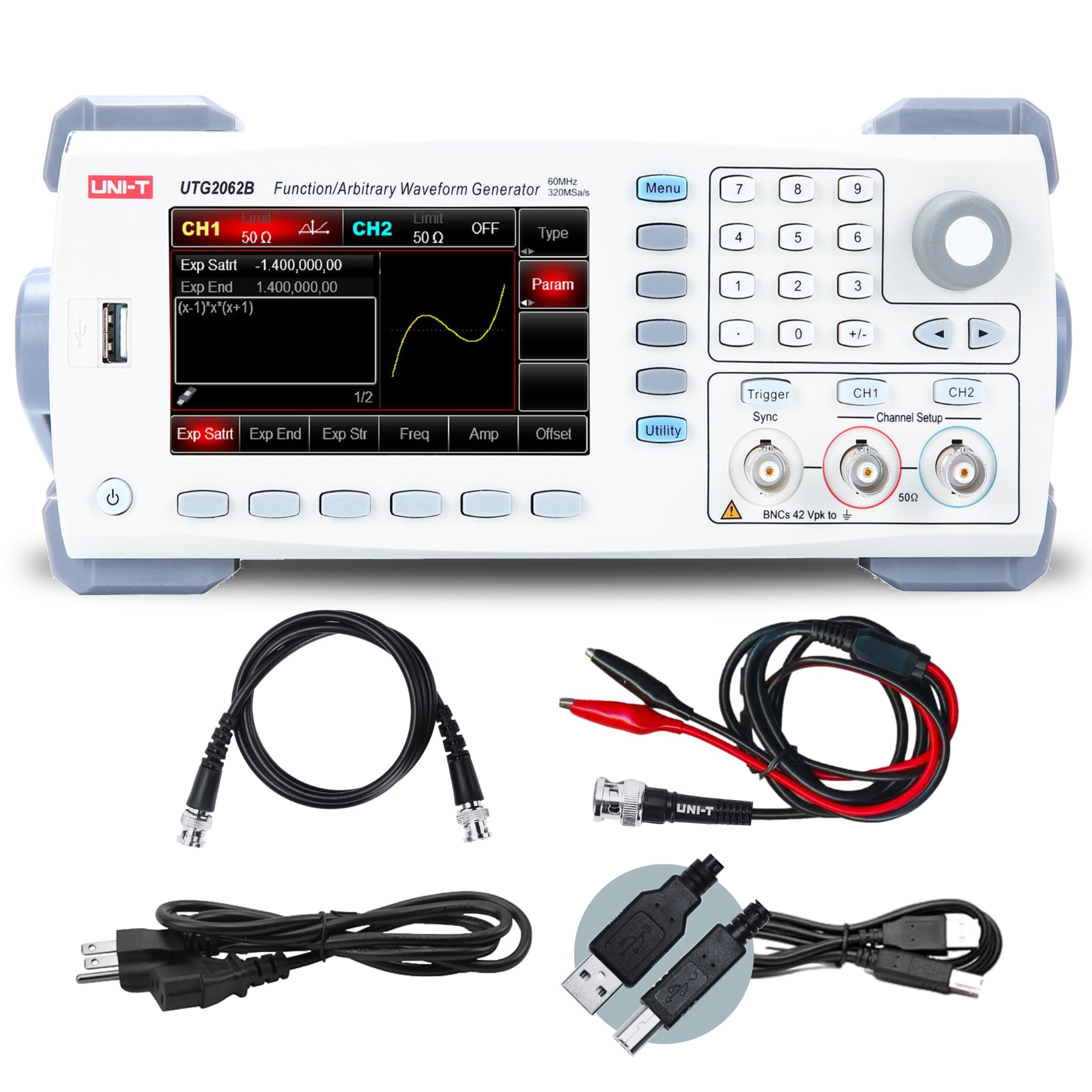
An Arbitrary Waveform Generator Vs Function Generator comparison starts with simple definitions. A function generator creates standard analog signals. It makes sine, square, triangle, and ramp waves with adjustable frequency and amplitude.
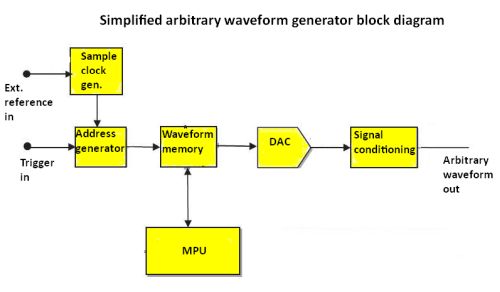
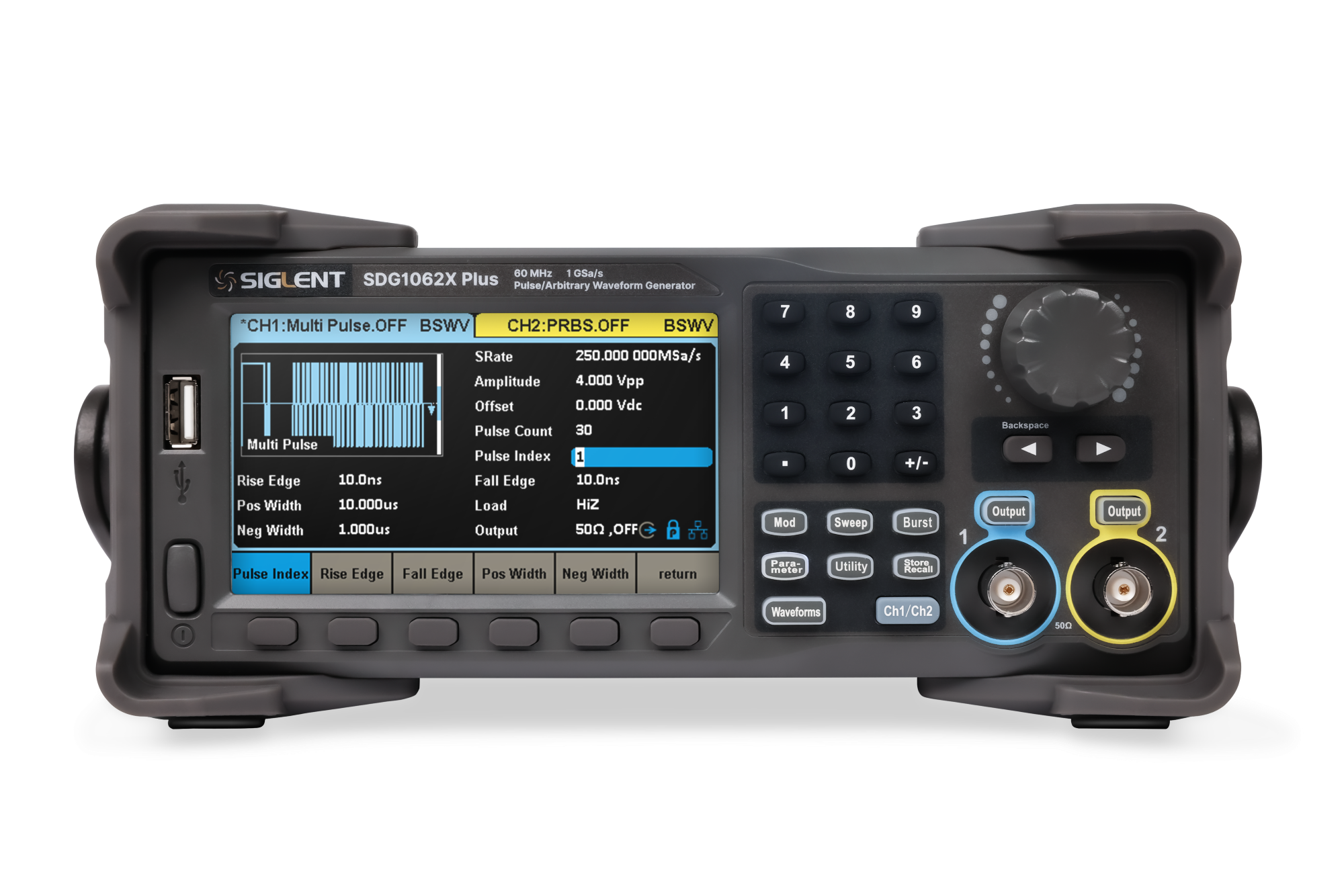
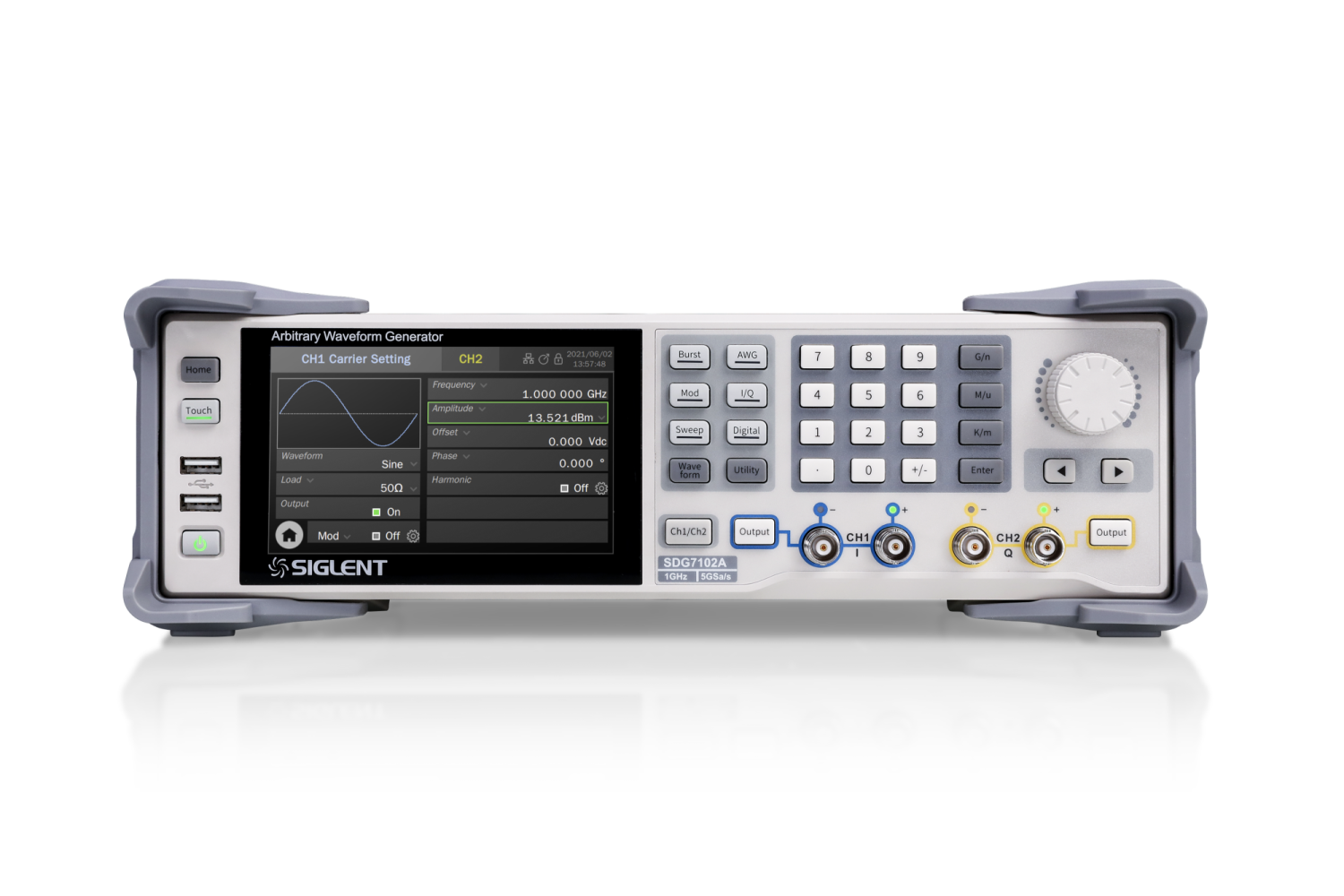
An Arbitrary Waveform Generator, or AWG, builds user-defined waveforms. It uses high-speed digital memory and a DAC to reproduce nearly any periodic or aperiodic shape. AWGs also support complex modulation, precise timing, and multi-channel synchronization.
Why the difference matters: a function generator is fast to set up for common tasks. An AWG is essential when you need realistic stimuli, repeatable glitches, or custom test patterns. My lab uses AWGs for modem testing and function generators for quick clock or PWM checks.

Key technical differences explained
Understanding the technical gaps makes selection easier. Below are clear, bite-size comparisons.
- Waveform types
- Function generator: Produces fixed shapes such as sine, square, triangle, and pulse.
- AWG: Reproduces arbitrary, user-defined waveforms and sample-accurate sequences.
- Output fidelity
- Function generator: Good for many tasks, limited by internal shaping and analog filters.
- AWG: Higher fidelity thanks to digital sampling, interpolation, and precise DACs.
- Memory and length
- Function generator: Minimal memory needs, usually no long sequences.
- AWG: Large memory depth for long or high-resolution waveforms.
- Sampling rate and bandwidth
- Function generator: Bandwidth often aligned to analog oscillator limits.
- AWG: High sampling rates enable wide bandwidth and better high-frequency behavior.
- Modulation and sequencing
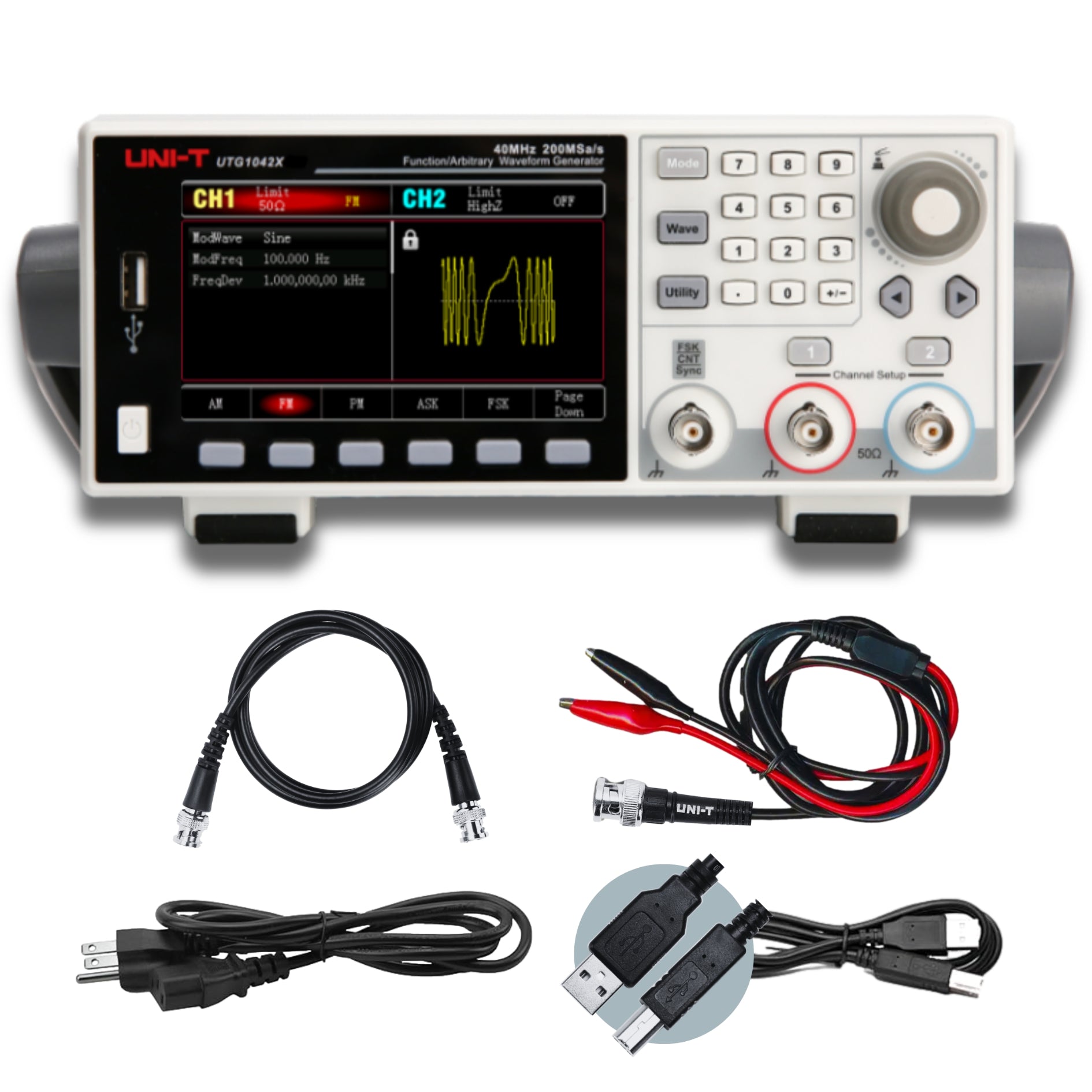
- Function generator: Basic AM/FM/PM and simple gating.
- AWG: Advanced arbitrary modulation, sequencing, and pattern loops.
- Price and complexity
- Function generator: Lower cost, simple interface.
- AWG: Higher cost, steeper learning curve, more features.
In short, the Arbitrary Waveform Generator Vs Function Generator difference is primarily about flexibility versus simplicity. Use a function generator when you need standard shapes fast. Choose an AWG for precise, repeatable, custom signals.
Use cases and real-world examples
Knowing how devices are used makes the choice practical. Here are common scenarios.
- Education and bench work
- Function generator: Excellent for teaching labs and quick troubleshooting.
- AWG: Used in advanced labs for digital communications demos and waveform synthesis.
- Communications and radar testing
- AWG: Generates complex modulation schemes and channel impairments.
- Function generator: Not suitable for realistic modulation testing.
- Audio and acoustics
- Function generator: Useful for basic tone checks and speaker testing.
- AWG: Creates complex test signals like sweep sequences and noise patterns.
- Power electronics and control
- Function generator: Provides clock and PWM reference signals.
- AWG: Tests transient responses and custom control patterns.
- Automotive and sensor simulation
- AWG: Simulates real sensor waveforms, faults, and noises.
- Function generator: Limited to simple sensor-level checks.
From my experience, engineers often start with a function generator and move to an AWG when they need repeatable, realistic signals. I once debugged a flaky ECU input only after using an AWG to replicate a rare transient.
Performance factors to consider when comparing devices
Focus on a few metrics that affect real test outcomes.
- Sampling rate and resolution
- Higher sampling rates and bit depth give cleaner, more accurate waveforms.
- Memory depth and waveform length
- More memory allows longer, higher-resolution sequences without repeats.
- Output amplitude and impedance
- Check load drive ability and impedance matching for accurate tests.
- Channel count and synchronization
- Multi-channel phase sync is essential for MIMO or differential testing.
- Triggering and sequencing features
- Precise triggers and hardware sequencing enable complex automated tests.
- Software and waveform editing
- Good software speeds waveform creation and test automation.
I once chose an AWG with insufficient memory and had to re-run long tests in segments. Lesson learned: match memory depth and sampling specs to your worst-case waveform length.

Practical tips, mistakes to avoid, and testing advice
Hands-on tips make a big difference in lab time and results.
- Start with the correct instrument for the job
- Use a function generator for simple wave checking and an AWG for complex stimuli.
- Match bandwidth to the device under test
- Avoid under-specifying bandwidth; it can hide faults or create false ones.
- Calibrate and verify outputs
- Periodically check amplitude, offset, and phase using an oscilloscope.
- Use proper termination and cabling
- Mismatched impedance causes reflections that distort waveforms.
- Beware of interpolation artifacts
- Understand DAC reconstruction filters and use adequate sample rates.
- Automate repetitive tests
- Use waveform sequencing and triggers to reduce human error.
From personal tests, automating capture and stimulus removes most variability. Also, keep a simple library of common waveforms to save time.
Buying guide and budgeting
How to decide what to buy and what features matter most.
- For hobbyists and students
- Choose a function generator for low cost and ease of use.
- For R&D and advanced testing
- Invest in an AWG with adequate sampling rate, memory, and channels.
- For mixed use
- Consider modular instruments or combined function and AWG units.
- Budget ranges
- Function generators: entry-level models are affordable.
- AWGs: higher cost, but worth the investment for complex testing.
When budgeting, factor in software, probes, calibration, and support. I recommend buying the highest sampling rate and memory you can afford within your budget; they extend the instrument’s useful life.
Common quick questions (PAA-style)
Q: Can a function generator make any waveform?
A: No. Function generators make standard shapes. They cannot reproduce arbitrary user-defined waveforms with the fidelity of an AWG.
Q: Is an AWG always better than a function generator?
A: Not always. AWGs are more flexible but costlier. For simple tasks, a function generator is faster and cheaper.
Q: Do I need both devices?
A: Many labs keep both. Each serves a different purpose and together they cover most test needs.

Frequently Asked Questions of Arbitrary Waveform Generator Vs Function Generator
What is the main difference between an AWG and function generator?
The main difference is flexibility. An AWG reproduces custom, user-defined waveforms while a function generator outputs standard wave shapes with basic modulation.
Can a function generator simulate modulation schemes?
Function generators offer basic AM, FM, and PM. They usually cannot produce complex, realistic modulation schemes like those created on an AWG.
Are AWGs necessary for RF and communications testing?
Yes, for advanced RF or communications testing. AWGs can generate the precise waveforms and impairments used in modern protocols.
How does cost compare between the two instruments?
Function generators are generally inexpensive and easy to use. AWGs are more costly due to higher sampling rates, memory, and advanced features.
Which should I choose for learning electronics?
Start with a function generator for basics. Move to an AWG when you need to recreate real-world signals or advanced modulation.
Conclusion
Choosing between an Arbitrary Waveform Generator Vs Function Generator comes down to needs: simplicity and cost versus flexibility and fidelity. Use a function generator for routine wave checks and simple signals. Choose an AWG when you need accurate, repeatable, and complex waveforms for R&D, communications, or simulation work.
Act now: review your testing needs, match them to sampling rate and memory, and consider borrowing or renting an AWG before a big purchase. If you found this helpful, try a hands-on test with both instruments, subscribe for more tips, or leave a comment with your use case.