
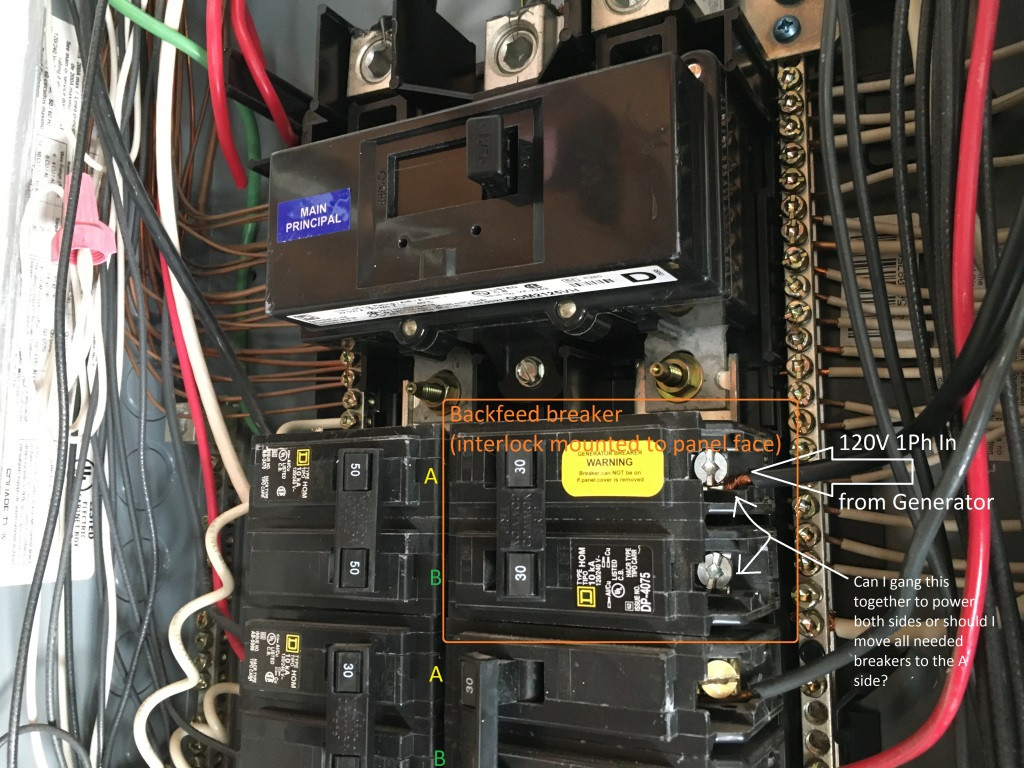
A backfeed panel with generator safely redirects power from a generator to home circuits.
I have designed and installed dozens of backup power systems, and I know how a backfeed panel with generator can keep a home running through outages. This article walks you through what a backfeed panel with generator is, how it works, safety rules, installation tips, troubleshooting, and real-world lessons from my field experience. Read on for clear, practical guidance so you can plan, install, or inspect a backfeed panel with generator confidently.
What is a Backfeed Panel With Generator?
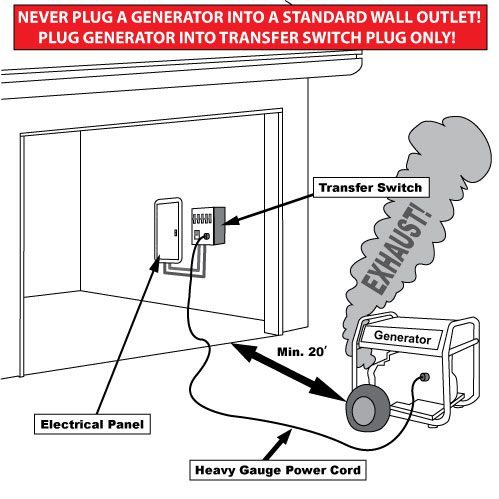
A backfeed panel with generator is a setup that allows generator power to feed selected house circuits safely. It bridges a portable or standby generator to a home electrical panel so loads get power during an outage. The key is preventing power from flowing back into the utility grid, which could harm utility workers and damage equipment. A proper backfeed panel with generator uses transfer devices, interlocks, or transfer switches to keep systems isolated and safe.
How a Backfeed Panel With Generator Works
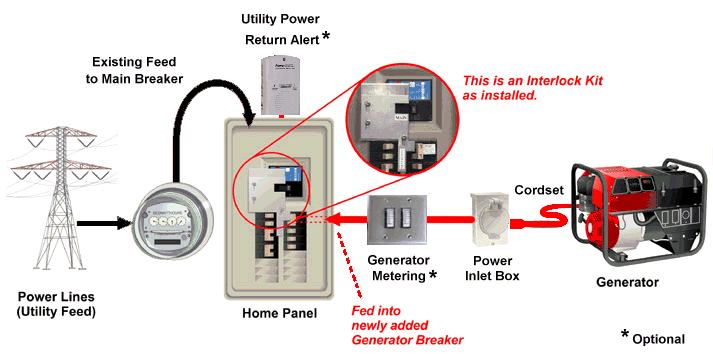
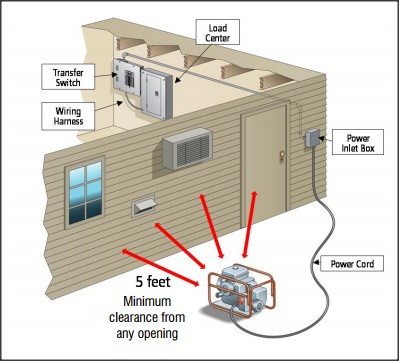
A backfeed panel with generator redirects generator output to a main service or a subpanel. The generator connects to the panel through a transfer switch, interlock kit, or a dedicated backfeed breaker. When you start the generator, you open the breaker to the utility and close the breaker that allows generator power to the selected circuits. This ensures the utility and generator never feed the panel simultaneously.
Common configurations for a backfeed panel with generator:
- Manual transfer via an interlock kit that prevents both sources from being on at once.
- Automatic transfer switch that senses outage and flips sources automatically.
- A dedicated subpanel wired for critical loads only, supplied by the generator when needed.
People also ask:
Can I backfeed a panel without a transfer switch?
You should never backfeed without proper equipment. A transfer switch or interlock is required to prevent dangerous backfeed to the grid and to meet code.
Will a backfeed panel power my whole house?
A backfeed panel with generator can power many circuits but may be limited by generator capacity. Prioritize essential loads and balance them across generator phases.
How long can a generator backfeed a panel?
Runtime depends on fuel supply and generator load. Proper sizing and load management extend safe run time.

Types and Configurations of Backfeed Panel With Generator
There are a few common ways to set up a backfeed panel with generator. Each has pros and cons.
Manual interlock and backfeed breaker
- Uses a mechanical interlock or labeled breakers to prevent both sources from being on.
- Good for portable generator users who want control and lower cost.
Automatic transfer switch (ATS)
- Senses utility loss and transfers loads automatically to the generator.
- Best for standby generators and hands-off operation.
Generator subpanel (critical loads panel)
- Only essential circuits are tied to the generator through a subpanel.
- Simplifies load management and makes transfers safer.
Direct backfeed via a meter-release or meter-main combination
- Some installed systems use approved meter-main devices to feed the home.
- Must comply with local utility and code requirements to prevent hazards.
Each option for a backfeed panel with generator must be chosen with safety, budget, and reliability in mind.

Installation Steps and Best Practices for Backfeed Panel With Generator
Installations should follow local code and involve a licensed electrician when needed. Here are practical steps and tips I use in the field.
Basic installation steps
- Plan loads: list priority circuits and calculate starting and running watts.
- Choose method: interlock, transfer switch, or ATS based on needs.
- Select equipment: rated breakers, transfer switch sized to generator, proper cords and connectors.
- Install wiring: use correct gauge wire, proper conduit, and secure connections.
- Label everything: mark circuits, transfer switch positions, and generator instructions.
- Test: run the generator with selected loads and verify safe operation.
Best practices
- Always install a transfer device to prevent backfeed to the grid.
- Use lockable switches or tagged breakers to prevent accidental closure.
- Balance loads across phases when using three-phase panels.
- Provide proper grounding and bonding to avoid shock hazards.
A correctly installed backfeed panel with generator reduces risk and extends equipment life.

Safety, Codes, and Permits for Backfeed Panel With Generator
Safety is the non-negotiable priority for any backfeed panel with generator. Code rules exist to keep installers and utility workers safe.
Key safety and code points
- Never connect a generator to a panel without an approved transfer method; open backfeeding is dangerous and illegal in many places.
- National electrical code requires measures that prevent simultaneous connection of utility and generator sources.
- Permits and inspections are often required for panel modifications and generator installations.
- Proper grounding, bonding, and overcurrent protection must match generator and panel ratings.
When Iinspect installations, I check for correct labeling, secure mechanical interlocks, and visible signs of overheating. If anything looks improvised, I stop work and correct it. Follow rules and get inspections for trust and safety.
Benefits and Limitations of Using a Backfeed Panel With Generator
A backfeed panel with generator has clear benefits and some limits you should weigh before committing.
Benefits
- Rapid restoration of power for critical circuits.
- Lower cost for manual setups versus full automatic systems.
- Flexibility to choose what to power during outages.
Limitations
- Portable generators often limit how many circuits you can run at once.
- Improper installation risks backfeeding the grid and voids insurance.
- Transfer switches and equipment add upfront cost and require space.
Knowing benefits and limits helps you design a backfeed panel with generator that matches your needs and budget.

Common Problems and Troubleshooting for Backfeed Panel With Generator
Problems with backfeed panels are usually due to wiring mistakes, incorrect equipment, or load mismanagement. Here are common issues and fixes.
Common problems and quick fixes
- Generator won’t pick up load: Check transfer switch position and generator fuel. Verify breaker settings in backfeed panel with generator setup.
- Tripping breakers under load: Reduce load or redistribute circuits; check for shorted wires or bad appliances.
- Grounding or bonding issues: Ensure generator frame and panel are properly grounded per code.
- Voltage or frequency fluctuations: Inspect generator AVR and governor; match load to generator capacity.
When troubleshooting a backfeed panel with generator, always shut down power and follow lockout procedures before testing. If you’re unsure, call a licensed electrician.
My Experience Installing and Using a Backfeed Panel With Generator
I once installed a backfeed panel with generator for a small clinic that needed reliable power. The client prioritized HVAC, refrigeration, and lighting. I oversaw load calculations and used a manual transfer switch with a dedicated subpanel for critical loads.
Lessons learned
- Labeling saved time during the first outage; staff knew which breakers to switch.
- I initially underestimated startup loads for the HVAC compressor. We adjusted the load plan and added soft-start equipment.
- Proper cord and connector selection prevented heat buildup and extended runtime.
Practical tips from the field
- Always test the system under expected load before an emergency.
- Train household members or staff on the transfer process and safety steps.
- Keep a checklist near the panel so actions are clear during stress.
A well-planned backfeed panel with generator can operate smoothly for years if installed and tested correctly.

Frequently Asked Questions of Backfeed Panel With Generator
What is the main difference between a transfer switch and an interlock?
A transfer switch physically switches the source to generator power and can be automatic or manual. An interlock is a mechanical device that prevents the utility breaker and generator breaker from being on at the same time.
Can I install a backfeed panel with generator myself?
DIY installation is possible for experienced electricians, but most homeowners should hire a licensed electrician. Permits and code compliance are often required and mistakes can be dangerous.
Will my home insurance cover damage from generator backfeed?
Insurance coverage varies; improper or illegal installations may void coverage. Always document professional installation and permits to reduce risk.
How do I size a generator for a backfeed panel with generator setup?
Size the generator by adding the starting and running watts of selected loads. Allow margin for motor startups and future additions to avoid overloads.
Do I need a transfer switch for a portable generator?
Yes, you need a proper transfer switch or approved interlock to prevent backfeeding the grid and comply with code. Portable direct backfeed without a device is unsafe and illegal in many locations.
Conclusion
A properly designed backfeed panel with generator gives reliable, safe backup power when you need it most. Focus on correct equipment, code compliance, and testing to avoid hazards and downtime. If you plan a system, list your critical loads, consult a licensed electrician, and test the setup before relying on it in an emergency. Try a small practice run, document procedures, and share your plan with family or staff. Want more help? Leave a comment with your situation, subscribe for updates, or consult a licensed pro to plan the right backfeed panel with generator for your home or business.