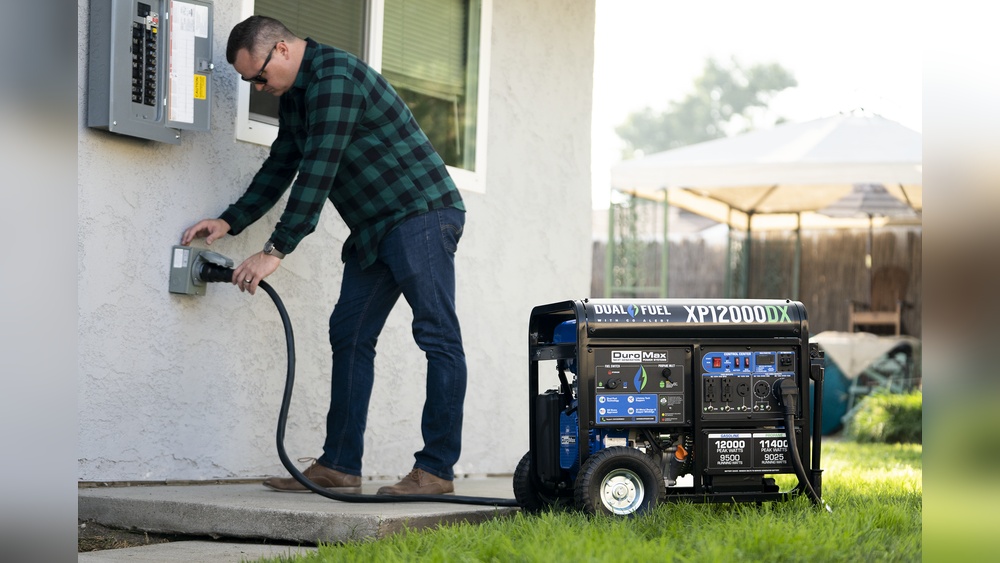
When the power suddenly goes out, you want your home to stay safe and comfortable without missing a beat. But how do you switch your house’s electricity supply to a generator quickly and safely?
That’s where a distribution panel designed to switch to a generator during a power outage comes in. If you’ve ever wondered how to keep your lights on, protect your appliances, and avoid dangerous backfeeds, this guide is for you. Read on to discover how the right setup can give you peace of mind and uninterrupted power exactly when you need it most.
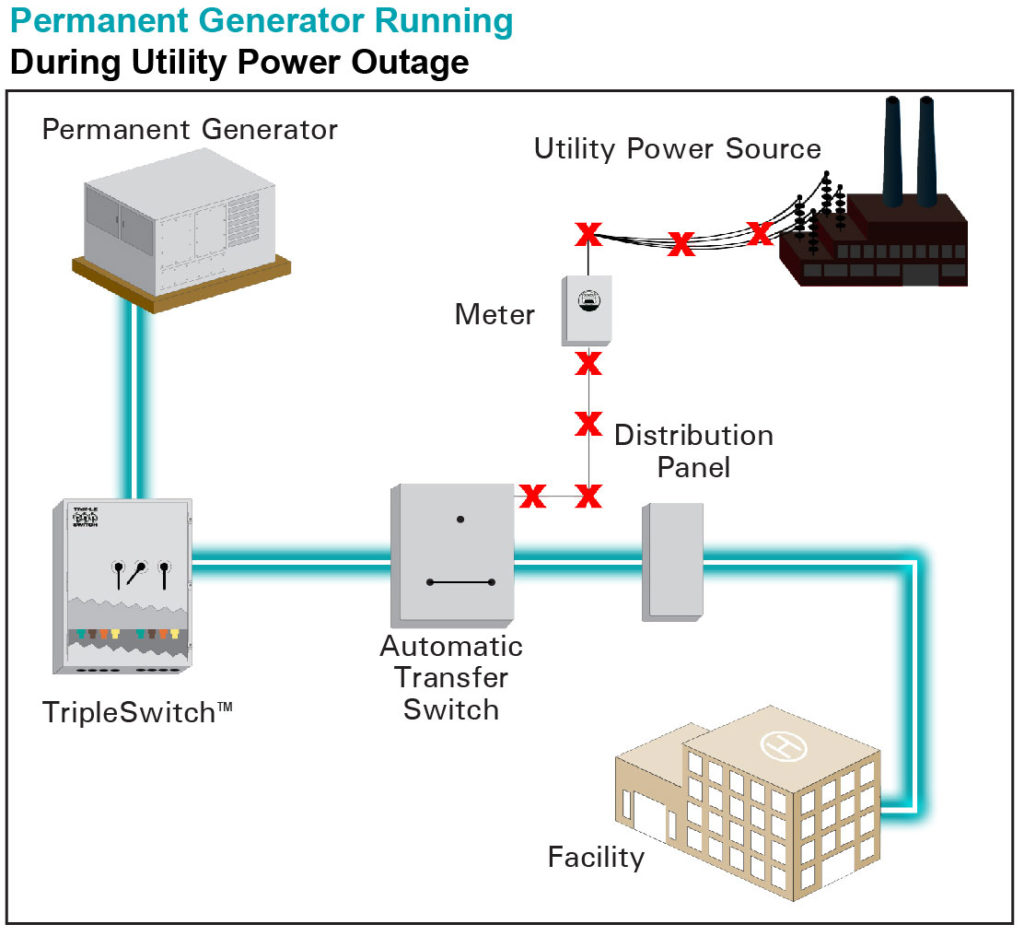
Credit: eslpwr.com
Why Use A Generator Transfer Switch
A generator transfer switch safely connects your generator to your home’s electrical system. It allows you to switch power from the main grid to your generator during an outage. This switch prevents backfeed, which can harm utility workers and damage equipment.
Using a transfer switch also ensures that your generator powers only the circuits you choose. It avoids overloading the generator or your home’s wiring. This makes your backup power system safer and more reliable.
Ensures Safety For You And Utility Workers
The transfer switch stops electricity from flowing back into power lines. This protects utility workers fixing the grid from electric shock. It also prevents damage to your generator and home wiring.
Provides Easy And Quick Power Switching
You can switch power sources with a simple flip of a switch. No need to plug and unplug cords or reset breakers. This saves time and reduces the chance of mistakes during outages.
Allows Control Over Powered Circuits
The transfer switch lets you select which circuits receive power. You can prioritize essential appliances like refrigerators and lights. This keeps your generator from overload and extends its runtime.
Meets Electrical Codes And Insurance Requirements
Many local laws require a transfer switch for generator use. Insurance companies may deny claims if you do not use one. Installing a transfer switch keeps you compliant and protected.
Improves Generator Performance And Longevity
The transfer switch helps your generator run smoothly. It prevents sudden surges and power spikes. This reduces wear and tear, making your generator last longer.
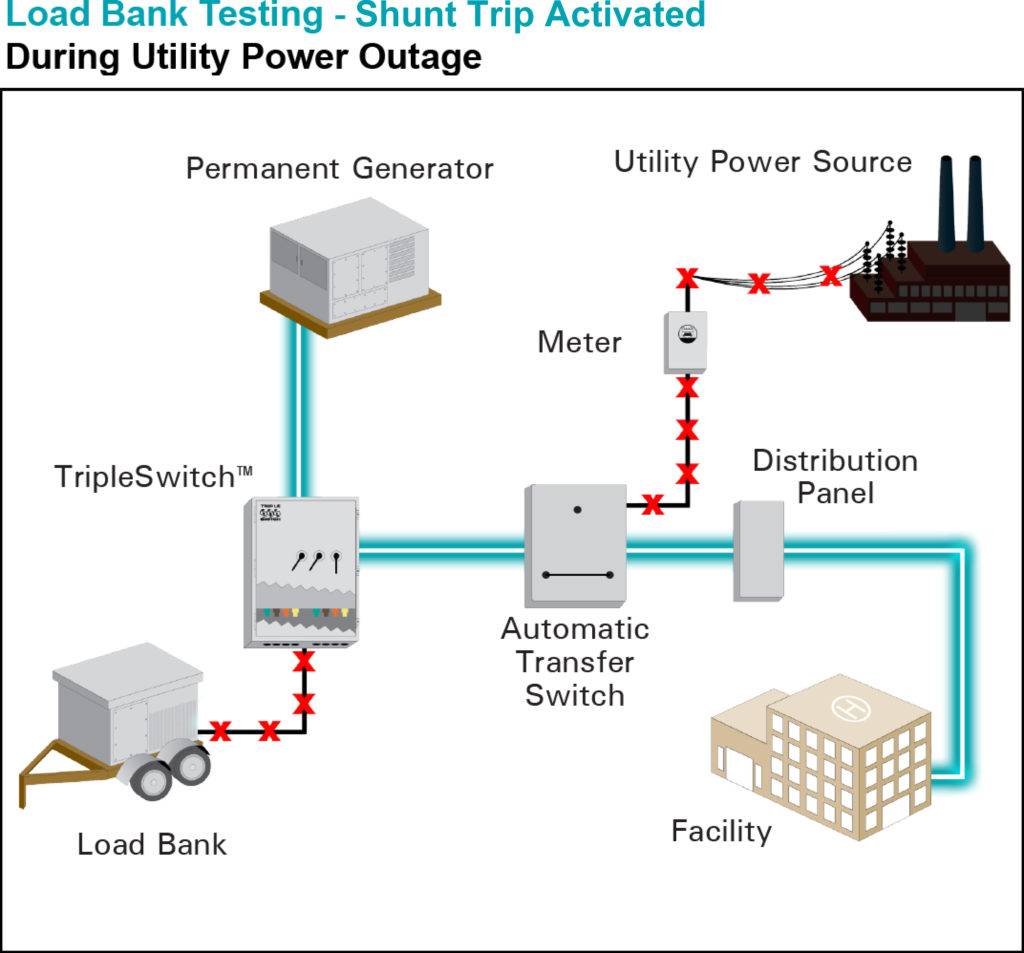
Credit: eslpwr.com
Types Of Transfer Switches
Transfer switches are essential for safely connecting a generator to your home’s electrical system. They prevent back-feeding, which can harm utility workers and damage equipment. Two main types of transfer switches exist: manual and automatic. Each type suits different needs and budgets.
Manual Transfer Switches
Manual transfer switches require you to physically flip a switch during a power outage. You start your generator first, then switch the power source from the grid to the generator. This type is cost-effective and simple. It works well for smaller homes or occasional use. Manual switches need you to be present and alert during outages. They provide control but require more effort.
Automatic Transfer Switches
Automatic transfer switches detect power loss instantly. They start the generator and switch the power source automatically. This ensures no interruption to your electricity supply. Automatic switches are ideal for critical systems or busy households. They offer convenience and peace of mind. These switches cost more but provide hands-free operation. They keep your home powered without manual intervention.
Safety Requirements And Codes
Safety is the top priority when installing a distribution panel to switch to a generator during power outages. Following proper safety requirements and codes protects your home, family, and electrical system. It also ensures smooth and legal operation during emergencies.
Ignoring these rules can cause electrical hazards, damage, or legal troubles. Understanding the key safety guidelines and codes helps you avoid risks and maintain compliance.
National Electric Code Guidelines
The National Electric Code (NEC) sets strict rules for generator connections. It requires a transfer switch to isolate generator power from the main grid. This prevents backfeed, which can harm utility workers and damage equipment.
The NEC also demands proper grounding and wiring methods. These measures reduce shock and fire risks. Only certified electricians should install or modify these systems to meet NEC standards.
Legal And Insurance Implications
Using a generator without following code can violate local laws. It may cause fines or legal action. Insurance companies often refuse claims if installation does not meet safety standards.
Proper permits and inspections are necessary for legal compliance. This protects your investment and ensures coverage in case of damage. Always check local rules and insurance requirements before installing a generator switch.
Choosing The Right Generator
Choosing the right generator for your distribution panel is essential for reliable power during outages. The right choice depends on your needs, budget, and power requirements. A good generator keeps your home safe and comfortable when the grid goes down.
Consider the type and size of the generator carefully. This helps avoid overloading or underpowering your home. Understanding the options makes your decision easier and smarter.
Portable Vs Standby Generators
Portable generators are small and easy to move. They work well for short outages or limited power needs. You can store them away when not in use. They usually require manual setup and refueling.
Standby generators are fixed systems that turn on automatically. They connect directly to your distribution panel and fuel source. These generators handle longer outages and more power needs. They cost more but offer convenience and safety.
Power Capacity Considerations
Check the total wattage your home needs during an outage. Include essential appliances like refrigerators, lights, and heating. Choose a generator with slightly higher capacity than your total load. This avoids overload and keeps systems running smoothly.
Consider future needs as well. If you plan to add more devices, pick a larger generator. Also, review the starting watts for appliances with motors. These require more power to start than to run.
Installation Basics
Installing a distribution panel to switch to a generator during a power outage requires careful planning. The setup must ensure safety and proper power flow. Following basic installation steps helps avoid damage and hazards. This guide covers essential points about connecting and positioning your generator.
Connecting To The Distribution Panel
Start by turning off the main power supply to avoid shocks. Use a transfer switch to connect the generator to the distribution panel. This switch isolates the generator power from the utility power. Connect the generator’s output to the transfer switch using the correct cables. Make sure all connections are tight and secure. Label circuits that will be powered by the generator. This helps in managing power load during an outage.
Positioning The Generator Safely
Place the generator outdoors in a well-ventilated area. Keep it far from windows and doors to prevent carbon monoxide build-up inside. Set the generator on a flat, stable surface to avoid tipping. Avoid placing it near flammable materials. Ensure the generator is protected from rain but still has good airflow. Follow local codes and manufacturer instructions for safe placement.
Step-by-step Transfer Process
Switching your home’s power source to a generator during an outage requires careful steps. This process protects your electrical system and keeps essential devices running. Follow these clear steps to transfer power safely and efficiently.
Preparing The Generator
Place the generator outside in a well-ventilated area. Check the fuel level and add fuel if needed. Inspect the generator for any damage or loose parts. Connect the generator to the transfer switch using a proper generator cord. Make sure the generator is off before connecting.
Switching Power Sources
Turn off the main breaker in your distribution panel. Flip the transfer switch from the “Line” position to the “Generator” position. This change disconnects the house from the main power grid. Start the generator and let it run for a few minutes. Verify that the transfer switch is functioning properly.
Powering Essential Circuits
Turn on the breakers for circuits you want to power. Start with essential appliances like the refrigerator and lights. Add other circuits gradually to avoid overloading the generator. Monitor the generator’s performance and fuel level during use. Switch back to the main power when electricity is restored.
Common Mistakes To Avoid
Switching your distribution panel to a generator during a power outage is a smart solution. Mistakes can cause serious safety problems and damage your equipment. Avoiding common errors helps keep your home and family safe. Here are two key mistakes to watch out for.
Backfeeding Hazards
Backfeeding happens when electricity flows backward into the utility lines. This can shock utility workers fixing the power grid. It also risks damaging your generator and home wiring. Never connect a generator directly to a household outlet. Always use a proper transfer switch to prevent backfeeding. This switch isolates your home circuits from the grid safely.
Overloading The Generator
Generators have limits on how much power they can provide. Overloading causes the generator to shut down or fail. It can also damage connected appliances. Calculate the total wattage of devices you want to run. Turn on appliances one at a time to avoid overload. Choose a generator with enough capacity for your essential needs.
Maintenance Tips
Proper maintenance of your distribution panel and generator transfer switch ensures reliable power during outages. Regular upkeep prevents unexpected failures and extends equipment life. Focused care keeps your system ready when the grid goes down.
Regular Generator Checks
Test your generator monthly to confirm it starts smoothly. Run it under load for 15 to 20 minutes. Check oil and coolant levels before each use. Replace filters and fluids based on the manufacturer’s schedule. Clean the generator to avoid dust and debris buildup. Listen for unusual noises or vibrations. Address any issues immediately to avoid bigger problems.
Transfer Switch Inspections
Inspect the transfer switch quarterly for signs of wear or damage. Tighten loose connections to prevent arcing. Clean contacts and remove dust with a dry cloth. Verify the switch toggles correctly between utility and generator power. Test the automatic transfer function if available. Schedule a professional inspection annually for safety and compliance. Proper switch maintenance ensures smooth, safe power transfer during outages.
Upgrading Existing Systems
Older electrical panels often lack the features needed for safe generator use. Upgrading these systems improves safety and convenience during power outages. It also ensures compliance with electrical codes and reduces risks of damage.
Upgrades include adding a transfer switch and integrating renewable energy sources. These changes help maintain power without complex manual setups. They also prepare homes for future energy needs.
Adding A Transfer Switch To Current Panels
A transfer switch connects your generator to the home’s electrical panel. It allows safe switching between utility and generator power. This prevents backfeeding, which can be dangerous to utility workers and neighbors.
Installing a transfer switch is straightforward with a licensed electrician. It saves time during an outage by avoiding manual plug-in setups. This upgrade also protects your generator and electrical system from damage.
Integrating Renewable Energy Options
Renewable energy systems, like solar panels, can work with your generator setup. Integrating them into your distribution panel increases energy independence. It also reduces fuel use and lowers utility bills.
Adding renewable sources requires special inverters and safety equipment. This setup ensures smooth power transitions between the grid, generator, and solar power. A professional can design a system that fits your home’s needs.
Professional Help And Resources
Handling a distribution panel switch to a generator during a power outage requires careful planning and safety. Professional help ensures the job is done correctly and safely. Access to the right resources makes the process smoother and more reliable. Understanding who to trust and what tools to use is key for homeowners.
Hiring Licensed Electricians
Licensed electricians have the knowledge to handle electrical panels safely. They follow local codes and national standards. This prevents risks like electrical shocks or fire hazards. Hiring a professional also ensures your generator connection is legal. Many insurance policies require licensed installation for coverage. A skilled electrician can recommend the best transfer switch for your needs. They complete the job quickly and with minimal disruption.
Useful Tools And Products
Specific tools make switching your distribution panel to a generator easier. A transfer switch is essential to control power flow safely. Generator cords connect your generator to the transfer switch. Voltage testers and circuit analyzers help verify safe connections. These products improve safety and performance during outages. Using the right equipment reduces the chance of damage to your home’s electrical system. Homeowners should invest in quality tools designed for generator use.
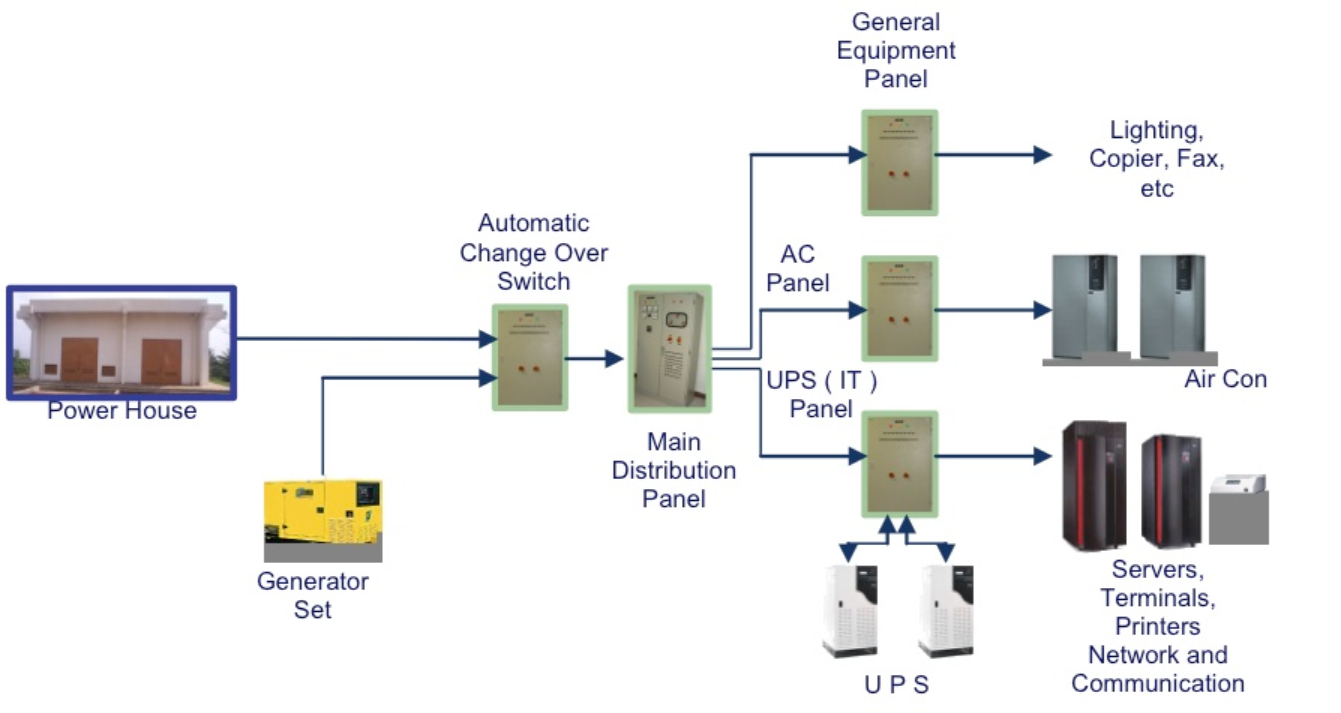
Credit: powerassemblies.com
Frequently Asked Questions
How To Connect Generator To House During Power Outage?
Connect the generator to the transfer switch using a generator cord. Start the generator outside. Flip breakers from “Line” to “Generator. ” Turn on desired circuits one by one.
Are Generator Transfer Switches Legal?
Generator transfer switches are legal and required by the National Electric Code (NEC) for safe, compliant generator use.
Can You Use A Generator During A Power Outage?
Yes, you can use a generator during a power outage. Start it outdoors and connect it to your home’s transfer switch for safety. Always follow proper instructions to avoid hazards and consult an electrician if unsure.
Is A Generator Transfer Switch Worth It?
A generator transfer switch ensures safe, legal power transfer and allows more devices to run during outages. It prevents backfeeding risks.
What Is A Distribution Panel Switch To Generator?
It is a system that shifts power supply from the main grid to a generator during outages.
Why Use A Transfer Switch With A Generator?
It prevents backfeeding, ensuring safe and legal power transfer to your home.
How Does A Distribution Panel Switch To Generator Work?
It disconnects the grid power and connects the generator to your home’s circuits.
Can I Install A Generator Switch Myself?
Professional installation is recommended to meet safety codes and avoid electrical hazards.
Are Generator Transfer Switches Required By Law?
Yes, most electrical codes require transfer switches to use generators safely and legally.
What Types Of Transfer Switches Are Available?
Manual and automatic transfer switches are common, each offering different convenience levels.
Conclusion
A distribution panel that switches to a generator keeps power flowing during outages. This setup ensures safety and convenience for your home. It helps prevent damage to electrical devices. Always use a proper transfer switch for easy connection. Professional installation is recommended to avoid risks.
Being prepared means less stress when the power goes out. Reliable backup power supports your daily needs smoothly. Simple steps can protect your home and family. A well-chosen generator and panel make all the difference. Stay ready and enjoy peace of mind during blackouts.