
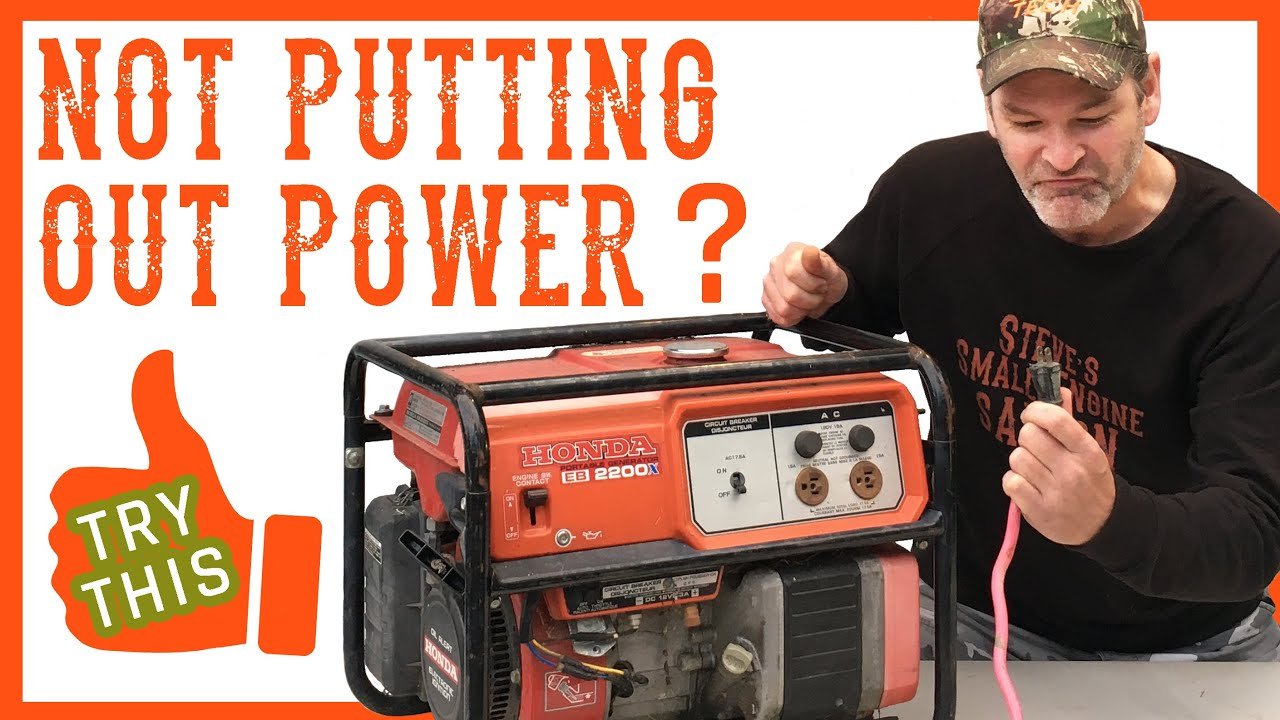
Is your generator not producing electricity? You’re not alone.
Many people face this frustrating issue, and it can be a real headache when you need power the most. Whether it’s for an emergency backup or a weekend getaway, a silent generator can throw a wrench in your plans. We’ll help you uncover the common reasons behind your generator’s failure to produce electricity.
You’ll learn simple troubleshooting tips and practical solutions to get your generator back up and running. Don’t let a powerless generator ruin your day—read on to regain control and ensure you’re always prepared.

Credit: www.facebook.com
Common Causes Of No Electricity
Generators are essential for power supply. When they fail, it can be frustrating. Understanding common causes helps in troubleshooting. Here are the main reasons why a generator may not produce electricity.
Fuel Issues
Fuel problems are a leading cause of generator failure. Generators need clean fuel to run. Old or contaminated fuel can cause issues. Check the fuel level first. Low fuel can stop the generator from working.
Inspect the fuel filter. A clogged filter can block fuel flow. Ensure the fuel lines are not damaged. Any leaks can lead to fuel loss. Use the right type of fuel for your generator.
Engine Malfunctions
Engine problems can prevent electricity production. Look for signs of wear or damage. A faulty spark plug can cause starting issues. Replace old spark plugs regularly.
Check the oil level. Low oil can damage the engine. Overheating is another concern. Make sure the cooling system works well. Regular maintenance keeps the engine running smoothly.
Electrical Component Failures
Electrical components can fail over time. Inspect the circuit breaker for issues. A tripped breaker can stop power flow. Look for blown fuses as well. Replacing fuses can solve the problem.
Check the battery condition. A weak battery may not start the generator. Ensure all connections are tight and free of corrosion. Loose or corroded connections can interrupt power supply.
Inspecting Fuel Supply
Inspecting the fuel supply is crucial when a generator fails to produce electricity. Check for fuel leaks, clogs, or an empty tank. Ensuring a clean and adequate fuel source can restore power and improve generator performance.
Inspecting the fuel supply is crucial when your generator fails to produce electricity. A generator relies on fuel to function properly, and any issues in this area can lead to frustrating power outages. By methodically examining the fuel supply, you can often pinpoint and resolve the issue quickly.Fuel Level Check
Start by checking the fuel level in your generator’s tank. Running out of fuel is a common oversight. If the gauge shows low or empty, refill it with the appropriate fuel type. Always keep a reserve supply on hand to avoid this issue in the future. Have you ever found yourself scrambling for fuel during an outage?Fuel Line Blockages
Next, inspect the fuel lines for any blockages. Dirt, debris, or even insects can clog the lines, preventing fuel from reaching the engine. Look for cracks or kinks in the hoses as well. If you find a blockage, clean it out or replace the affected section. I once faced a complete generator shutdown due to a tiny blockage in the fuel line. It was a simple fix that saved me from a long wait for repairs.Quality Of Fuel
The quality of fuel you use plays a significant role in your generator’s performance. Using old or contaminated fuel can lead to engine problems. Check the fuel for any signs of water or sediment. If the fuel smells off or appears cloudy, it’s time to replace it. Always choose high-quality fuel from reputable suppliers. Have you ever noticed a difference in performance based on the fuel you use? Taking these steps ensures your generator runs smoothly and can save you from unexpected outages.Checking The Engine
When your generator doesn’t produce electricity, checking the engine is essential. The engine is the heart of the generator. If it fails, the generator cannot work. Here are some common engine issues to investigate.
Starter Problems
The starter motor may fail to engage. Check the battery first. A weak or dead battery won’t start the engine. Inspect the connections for corrosion or looseness. Clean any dirty terminals. Try jump-starting the generator. If the starter still does not work, it may need replacement.
Compression Issues
Low compression can cause starting problems. Use a compression gauge to check the engine’s health. If the readings are low, inspect the piston rings and valves. Worn or damaged parts can lead to poor performance. Replacing these parts may restore proper function.
Engine Overheating
Overheating can stop the engine from working. Check the coolant levels and radiator for blockages. Ensure that the cooling fan operates correctly. A faulty thermostat can also cause overheating. Regular maintenance helps prevent these issues.
Examining Electrical Components
Electricity is the lifeblood of your generator. If it fails to produce power, the issue often lies within its electrical components. By examining these elements closely, you can identify the root cause and get your generator running again.
Circuit Breaker Reset
The circuit breaker is your first line of defense. It protects your generator from overloads and faults. A simple reset might resolve the issue.
- Locate the circuit breaker on your generator.
- Check if it’s tripped. If so, push it back into the ON position.
- Listen for any sounds indicating the generator is trying to start.
If the breaker trips again, something else is wrong. You might need to consider other electrical components. Don’t ignore this step; it’s quick and often effective.
Generator Wiring Inspection
Next, turn your attention to the wiring. Damaged or loose wires can interrupt the flow of electricity. A visual inspection can reveal a lot.
- Look for frayed wires or burnt insulation.
- Ensure all connections are tight and secure.
- Check for corrosion at terminals.
Addressing wiring issues can be straightforward. Replacing damaged wires or cleaning terminals often solves the problem. Have you ever encountered a loose connection that made your equipment fail unexpectedly?
Faulty Alternator Diagnosis
The alternator plays a crucial role in generating electricity. If it’s not functioning, your generator won’t produce power. Diagnosing a faulty alternator requires some specific steps.
- Check the output voltage with a multimeter.
- Look for unusual noises when the generator runs.
- Inspect the alternator belt for wear and tear.
If you find issues with the alternator, it may need repair or replacement. Catching these problems early can save you time and money. Have you ever realized a small issue led to a major breakdown? Addressing these components can prevent future headaches.
Testing Voltage Output
Testing the voltage output is key for generator troubleshooting. A generator that doesn’t produce electricity can cause many problems. Understanding how to check its output helps you find the issue quickly.
Using A Multimeter
A multimeter is a simple tool for testing voltage. Start by turning off the generator. Set the multimeter to the AC voltage setting. Connect the multimeter leads to the generator’s output terminals.
Look for a stable reading on the display. Normal output ranges from 110 to 120 volts. A reading below this means low output. No reading indicates a bigger issue.
Voltage Regulator Check
The voltage regulator controls the output voltage. If it fails, the generator won’t produce electricity. Locate the voltage regulator on your generator. Check for any visible damage or loose connections.
Use the multimeter to test the regulator. Follow the manufacturer’s instructions for proper testing. Replace the regulator if it shows faulty readings.
Signs Of Low Or No Output
Several signs indicate low or no output from your generator. Flickering lights or appliances not working point to issues. Unusual noises during operation may also signal problems.
Check for tripped circuit breakers or blown fuses. These can interrupt the power supply. If you notice these signs, it’s time for further testing.
Maintaining Regular Servicing
Regular servicing is key to keeping your generator running smoothly. Generators need care to work well. Without proper maintenance, they can fail to produce electricity. This can lead to frustration and unexpected costs.
Servicing ensures all parts function correctly. It helps identify issues before they become serious. Regular checks can save time and money in the long run.
Scheduled Maintenance
Set a schedule for your generator maintenance. This should include checks at least twice a year. Seasonal changes can affect performance. Preparing before extreme weather is smart.
During scheduled maintenance, inspect fluid levels and filters. Check the battery and connections too. All these steps help the generator run efficiently.
Replacing Worn-out Parts
Parts wear out over time. Replacing them is essential for optimal performance. Pay attention to the spark plugs and oil filters. These parts often show signs of wear.
Delayed replacements can lead to bigger problems. Always keep spare parts on hand. This ensures quick repairs when needed.
Cleaning Key Components
Dust and dirt can harm your generator. Regular cleaning is crucial. Focus on the air filter and cooling vents. These parts need to be clear for proper airflow.
Use a soft brush or cloth to clean surfaces. Avoid harsh chemicals that can damage components. A clean generator runs better and lasts longer.
Seeking Professional Help
Generators can stop producing electricity for many reasons. Seeking professional help can identify the problem quickly. Experts have the tools and knowledge to fix issues and ensure your generator runs smoothly again.
Seeking professional help is often the best route when your generator fails to produce electricity. While troubleshooting can sometimes solve minor issues, some problems require the expertise of a trained technician. Knowing when to call in an expert can save you time, money, and potential hazards.When To Contact An Expert
If your generator isn’t starting after several attempts, it’s time to reach out for help. You might have checked the fuel level and battery connections, but deeper issues could be at play. Strange noises, burning smells, or leaking fluids are clear signs you need a professional’s assessment. Electrical problems can be particularly tricky. If you notice inconsistent power output or flickering lights, don’t delay in seeking assistance. Ignoring these signs can lead to more significant damage or safety hazards.Common Repairs By Professionals
Experts often deal with various common generator issues. Here are some typical repairs they might conduct: – Fuel System Repairs: Clogged fuel filters or malfunctioning fuel pumps are frequent culprits. – Battery Replacement: Dead or weak batteries can prevent your generator from starting. – Electrical System Repairs: Wiring issues, circuit problems, or faulty switches often require professional attention. Each repair not only fixes your current problem but also ensures your generator runs smoothly in the long run.Preventive Measures For Future Issues
Taking proactive steps can minimize the risk of generator problems. Regular maintenance is key. Schedule annual check-ups with a technician to catch potential issues early. You can also perform simple tasks yourself, such as: – Checking and changing the oil regularly – Replacing air and fuel filters as needed – Keeping the generator clean and free of debris Creating a maintenance log can help you stay on top of these tasks. What steps are you currently taking to ensure your generator remains in top shape? Remember, a little effort now can save you from a major headache later.
Credit: www.youtube.com

Credit: ca.jackery.com
Frequently Asked Questions
Why Is My Generator Not Producing Electricity?
There are several reasons why your generator might not produce electricity. Common issues include a lack of fuel, a malfunctioning spark plug, or a blown fuse. Ensure the generator is properly maintained, and check the fuel supply and connections. If the problem persists, consult a professional technician.
How Can I Troubleshoot My Generator?
To troubleshoot your generator, start by checking the fuel level and oil quality. Inspect the battery and connections for corrosion. Additionally, examine the circuit breaker and any fuses. Testing the spark plug and ensuring proper ventilation can also help identify the issue.
Always refer to the user manual for specific guidance.
What Should I Do If The Generator Runs But Doesn’t Generate Power?
If your generator runs without generating power, first check the circuit breaker. If it’s tripped, reset it. Inspect the output terminals for any loose or damaged connections. Additionally, verify the generator’s load capacity to ensure you are not exceeding it.
If the issue remains, seek expert assistance.
Could Bad Fuel Cause My Generator To Fail?
Yes, bad fuel can significantly affect your generator’s performance. Old or contaminated fuel can lead to engine problems, including failure to start or produce electricity. Always use fresh fuel and consider adding a fuel stabilizer for long-term storage. Regular maintenance is key to preventing these issues.
Conclusion
A generator that doesn’t produce electricity can be frustrating. Many factors can cause this issue. Check the fuel, battery, and connections first. Inspect the circuit breaker and fuses next. Regular maintenance can prevent many problems. Understanding these steps helps you troubleshoot effectively.
Knowing what to do saves time and reduces stress. Stay proactive with your generator care. This way, you can enjoy reliable power when you need it most.