
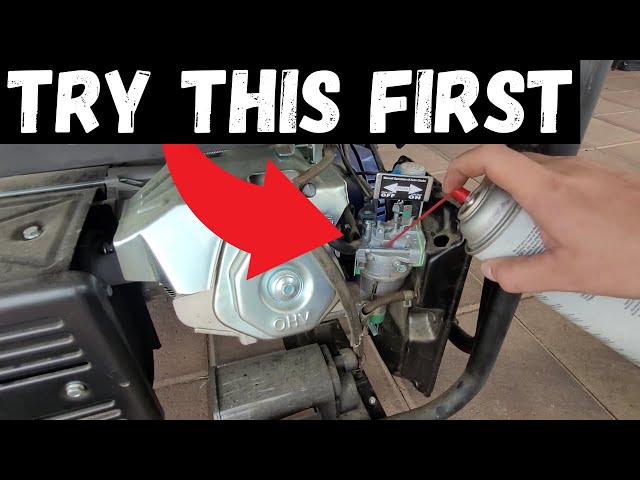
Is your generator making a chugging sound that has you worried? You’re not alone.
Many people experience this frustrating issue, and it can lead to bigger problems if not addressed quickly. That rhythmic chug can signal various underlying issues, from fuel problems to maintenance needs. Understanding what’s causing this noise is crucial for your peace of mind and the longevity of your generator.
You’ll discover the common reasons behind a chugging generator and how to troubleshoot the problem effectively. Stay with us to ensure your generator runs smoothly and reliably when you need it most.
Common Causes Of Chugging Sounds
Chugging sounds from a generator can signal various issues. Common causes include low fuel levels, dirty air filters, or engine problems. Identifying these problems early can help maintain the generator’s performance.
Understanding the common causes of chugging sounds in your generator can help you address issues quickly and effectively. These sounds are often signals that something isn’t quite right. Recognizing the underlying problems can save you time, money, and frustration.
Fuel Issues
Fuel problems are a frequent culprit behind chugging noises. If your generator is low on fuel, it may struggle to operate smoothly. – Old or contaminated fuel can lead to inefficient combustion. – Incorrect fuel type can also be a factor. Always check the fuel quality and ensure you are using the right type for your generator.
Air Supply Blockage
A blocked air filter can restrict airflow, causing your generator to work harder than necessary. – Inspect the air filter regularly. – Clean or replace it if it appears dirty. A clean air supply promotes better combustion and helps reduce unwanted sounds.
Oil Levels
Low or dirty oil can cause your generator to chug. Insufficient lubrication means parts rub together too much, creating noise and potential damage. – Check the oil level frequently. – Change the oil according to the manufacturer’s recommendations. Keeping your oil clean and at the right level is crucial for smooth operation.
Electrical Issues
Faulty wiring or loose connections can lead to chugging. If the generator isn’t getting enough power, it can struggle to operate effectively. – Look for frayed wires or loose connections. – Ensure all electrical components are functioning properly. Addressing electrical issues promptly can enhance performance and prevent further complications.
Load Management
Overloading your generator can lead to chugging sounds. Each generator has a specific load capacity, and exceeding it can cause strain. – Check the wattage requirements of your appliances. – Distribute the load evenly. Understanding your generator’s limits ensures it runs smoothly without unnecessary noise. Identifying and addressing these common causes can transform your generator’s performance. Have you experienced any of these issues with your generator? Taking proactive steps can lead to a quieter and more efficient operation.
Inspecting Fuel System Issues
If your generator sounds like it’s chugging, it’s time to inspect the fuel system. A healthy fuel system is crucial for smooth operation. Let’s dive into some common fuel system issues that could be causing your generator to misbehave.
Checking The Fuel Level
First things first, check the fuel level. Sometimes, the simplest solution is the right one. If your generator is low on fuel, it can struggle to maintain proper operation.
Make it a habit to regularly check your fuel gauge. If you find it low, add fuel immediately to see if that resolves the chugging sound. It’s a quick fix that can save you from bigger problems.
Inspecting The Fuel Filter
The fuel filter plays a vital role in ensuring clean fuel reaches the engine. A clogged filter can restrict fuel flow, leading to performance issues. Regularly inspect the fuel filter for dirt and debris.
Replace the filter if it’s dirty or has been in use for too long. This simple maintenance task can significantly improve the generator’s efficiency and eliminate chugging sounds.
Examining Fuel Lines
Look closely at the fuel lines for any signs of wear or leaks. Cracks or damage can cause air to enter the system, disrupting fuel delivery. Ensure the lines are secure and free from obstructions.
If you notice any leaks, address them promptly. A damaged fuel line can lead to more severe issues, including engine failure.
Assessing Fuel Quality
Using stale or contaminated fuel can cause your generator to chug. Always use fresh fuel and store it properly. If your fuel has been sitting for a while, consider draining it and replacing it with new fuel.
Pay attention to the color and smell of the fuel. If it looks cloudy or has an off odor, it’s time to change it out.
Checking The Fuel Pump
The fuel pump is responsible for delivering fuel to the engine. If it’s malfunctioning, the engine may not receive enough fuel, resulting in chugging sounds. Listen for any unusual noises coming from the pump.
If you suspect a problem with the fuel pump, consult the generator’s manual for troubleshooting steps. Replacing a faulty fuel pump can restore your generator’s performance.
Have you experienced any of these issues with your generator? Taking the time to inspect the fuel system can save you from unnecessary headaches and ensure your generator runs smoothly.
Checking Air Filters And Intake
A generator that sounds like it’s chugging may have dirty air filters or a blocked intake. Checking and cleaning these parts can improve performance. Regular maintenance ensures your generator runs smoothly and efficiently.
Checking the air filters and intake of your generator is crucial when it sounds like it’s chugging. A clean air supply ensures that your generator runs smoothly and efficiently. Neglecting this simple task can lead to performance issues and costly repairs.
Importance Of Clean Air Filters
Dirty air filters restrict airflow, causing your generator to struggle. This limited airflow can lead to overheating and reduced power output. Regularly checking and replacing your air filters can enhance performance and extend the life of your generator. Make it a habit to inspect your air filters every few months. If you notice dirt buildup or discolored filters, it’s time for a change.
How To Inspect The Air Intake
The air intake is the first line of defense for your generator’s engine. Blocked intakes can lead to similar chugging sounds. Check the intake for debris, leaves, or any obstruction. If you see any blockages, clear them out immediately.
Steps To Clean Or Replace Air Filters
1. Turn off the generator. Safety first! 2. Locate the air filter compartment. This is usually on the side of the generator. 3. Remove the filter. Take note of how it’s positioned for easy reinstallation. 4. Inspect the filter. If it looks dirty, clean it with compressed air or replace it entirely. 5. Reinstall the filter. Ensure it fits snugly and securely. Regular maintenance of your air filters can save you from unexpected breakdowns. Have you checked your generator’s air filters lately? Taking a little time now can prevent bigger problems down the road.

Credit: vimeo.com
Evaluating Spark Plug Condition
Generator problems often stem from spark plug issues. A spark plug ignites the fuel, creating energy. If it malfunctions, your generator may chug or misfire. Checking the spark plug is a simple task. It can save you time and money.
Signs Of A Bad Spark Plug
Look for signs of wear. A worn spark plug can cause poor engine performance. Check for corrosion or carbon buildup. These signs indicate it’s time for a replacement.
Visual Inspection
Remove the spark plug carefully. Inspect it closely. A healthy spark plug has a light tan color. A black or sooty appearance means trouble. Cracks or chips also signal replacement.
Checking The Gap
The gap affects the spark plug’s performance. Use a gap tool to measure it. Follow your generator’s specifications for the correct gap. Adjust it if necessary. A proper gap ensures efficient ignition.
Testing The Spark
Testing the spark helps identify issues. Reconnect the spark plug to the wire. Ground it against the engine. Crank the generator. A strong blue spark shows it’s working. A weak or no spark needs further inspection.
Replacement Frequency
Replace spark plugs regularly. Most generators need new plugs every 100 hours. Check your owner’s manual for specific guidelines. Regular replacement keeps your generator running smoothly.
Examining Exhaust Blockages
Generator issues can be frustrating, especially when it starts making odd sounds like it’s chugging. One common culprit behind this problem is exhaust blockages. Understanding how to examine and resolve these blockages can save you time, money, and stress.
Identifying Signs Of Exhaust Blockages
Noticing that your generator is struggling? Pay attention to these signs:
- Unusual noises:A chugging sound often indicates airflow problems.
- Decreased performance:If your generator isn’t producing enough power, it could be choking on exhaust.
- Overheating:Blockages can cause the engine to overheat, leading to potential damage.
Have you checked your generator for these symptoms? Addressing them early can prevent further complications.
Common Causes Of Exhaust Blockages
Several factors can lead to exhaust blockages:
- Debris buildup:Leaves, dirt, and other materials can easily accumulate in the exhaust system.
- Corrosion:Over time, rust can form and restrict exhaust flow.
- Faulty components:Damaged or worn-out parts can lead to restrictions in the exhaust path.
Have you checked for debris or damage? A simple visual inspection might reveal the issue.
How To Inspect For Blockages
Inspecting your generator for exhaust blockages is straightforward. Here’s how to do it:
- Turn off the generator and allow it to cool.
- Examine the exhaust pipe for any visible obstructions.
- Use a flashlight to look deeper into the exhaust system.
- Remove any debris found during your inspection.
How often do you perform maintenance checks? Regular inspections can catch issues before they escalate.
Clearing Exhaust Blockages
If you find a blockage, don’t panic. Here are some steps you can take:
- Clear debris:Use a soft brush or compressed air to remove loose materials.
- Check seals:Ensure all connections are tight and free of rust.
- Consult a professional:If you’re unsure, it’s wise to seek expert help.
Have you ever cleared a blockage yourself? It can be satisfying to resolve the problem with your own hands.
By regularly examining your generator for exhaust blockages, you can keep it running smoothly. Understanding these issues helps you maintain your equipment better and prolong its lifespan. Are you ready to take action and ensure your generator operates efficiently?
Credit: www.tiktok.com
Addressing Overloading Problems
Generators are useful for providing power. Yet, they can face issues. One common problem is overloading. This happens when the generator runs more devices than it can handle. The result? A chugging sound. Let’s explore how to tackle this problem effectively.
Understanding Generator Capacity
Every generator has a specific capacity. This is measured in watts. It’s important to know this number. Exceeding it causes stress on the generator. This leads to chugging sounds and possible damage.
Identifying Power Requirements
List all devices you plan to use. Check their power requirements. Sum up the wattage for all devices. Ensure this total is below the generator’s capacity. This step prevents overloading.
Using A Load Calculator
Consider using a load calculator. These tools help determine your power needs. They can simplify the process. Input device wattages and see the total. This helps you stay within limits.
Prioritizing Essential Devices
Not all devices need power at once. Prioritize essential devices. Start with critical items first. This reduces the load on the generator. It can run more smoothly.
Regular Maintenance Checks
Keep your generator in top shape. Perform regular maintenance checks. Look for signs of wear and tear. Clean filters and check oil levels. A well-maintained generator performs better under load.
Investing In A Larger Generator
Sometimes, a larger generator is the answer. If you regularly exceed capacity, consider upgrading. A bigger generator can handle more devices. This reduces the risk of overloading.
Steps To Resolve Engine Misfires
Generator chugging sounds often signal engine misfires. Start by checking the spark plugs and fuel supply. Inspect the air filter for clogs. Regular maintenance can help prevent these issues. Addressing these steps can restore smooth operation and improve performance.
Resolving engine misfires is crucial for maintaining your generator’s performance. When your generator sounds like it’s chugging, addressing these misfires can enhance efficiency and extend its life. Here are some clear steps you can take to tackle this issue effectively.
Check The Fuel Supply
Start by inspecting your fuel supply. – Ensure the tank has enough fuel. – Look for any blockages in the fuel line. – Confirm the fuel is clean and free of contaminants. If you notice dirty fuel, draining the tank and replacing it with fresh fuel can make a significant difference.
Inspect The Spark Plug
The spark plug plays a vital role in the combustion process. – Remove the spark plug and check for wear or damage. – Clean any carbon buildup or replace it if necessary. A faulty spark plug can lead to poor ignition, causing your generator to misfire.
Examine The Air Filter
A clogged air filter can restrict airflow to the engine. – Remove the air filter and check for dirt and debris. – Clean or replace it if it’s too dirty. Improving airflow can help your generator run smoothly and efficiently.
Check The Ignition System
The ignition system should be in good condition for optimal performance. – Inspect ignition coils for any signs of wear or damage. – Test the ignition timing to ensure it’s set correctly. Misfiring can often stem from issues in this system, so addressing them is critical.
Look For Vacuum Leaks
Vacuum leaks can disrupt the air-fuel mixture. – Inspect all hoses and connections for cracks or loose fittings. – Listen for hissing sounds that may indicate a leak. Sealing any leaks can restore proper engine function.
Consult The Manual
Your generator’s manual can provide valuable information tailored to your model. – Look for troubleshooting tips specific to engine misfires. – Follow any recommended maintenance schedules. Understanding your generator’s unique needs helps prevent future issues. Taking these steps can help you resolve engine misfires effectively. Have you ever faced a similar issue with your generator? What did you do to get it back on track? Share your experiences to help others who might be struggling with the same problem.

Credit: glif.app
Routine Maintenance Tips
Keeping your generator in good shape is important. Regular maintenance helps prevent issues like chugging sounds. Follow these tips to keep your generator running smoothly.
Check The Oil Level
Oil keeps the engine running smoothly. Low oil can cause chugging sounds. Check the oil level every month. Add oil if it is low. Change the oil according to the manufacturer’s schedule.
Clean The Air Filter
A dirty air filter blocks airflow. This can make the engine struggle. Inspect the air filter every few months. Clean it or replace it if it’s dirty. A clean filter helps the engine breathe better.
Inspect Fuel Lines
Check the fuel lines for leaks or cracks. Damaged lines can cause fuel issues. Ensure the connections are tight. Replace any worn parts as needed. Proper fuel flow is key for good performance.
Test The Battery
A weak battery can cause starting problems. Test the battery regularly. Clean any corrosion on the terminals. Replace the battery if it shows signs of wear. A strong battery keeps your generator ready.
Run The Generator Regularly
Use your generator every month. Running it helps keep the parts lubricated. It also prevents fuel from going stale. Let it run for about 30 minutes each time. This simple step can prevent many problems.
Schedule Professional Inspections
Consider having your generator checked by a pro. A technician can spot issues you might miss. Schedule an inspection at least once a year. Regular checks ensure your generator stays in top shape.
Frequently Asked Questions
Why Does My Generator Sound Like It’s Chugging?
A chugging sound from your generator often indicates a fuel supply issue. This could be due to a clogged fuel filter or low-quality fuel. Additionally, it may signal problems with the carburetor or air intake. Regular maintenance can help prevent these issues and ensure smooth operation.
How Can I Fix A Chugging Generator?
To fix a chugging generator, start by checking the fuel supply. Ensure the tank has enough fuel and replace any clogged filters. Inspect the carburetor for dirt or blockages. Cleaning or replacing these components usually resolves the issue. If problems persist, consider consulting a professional technician.
Is A Chugging Generator Dangerous?
Yes, a chugging generator can be dangerous. It may indicate underlying mechanical issues that could lead to failures. Additionally, if the generator is not functioning properly, it could pose safety risks such as electrical malfunctions or fire hazards. Regular checks and prompt repairs are crucial for safety.
What Causes A Generator To Sputter And Chug?
Sputtering and chugging in a generator can be caused by fuel starvation or air intake issues. Clogged fuel lines, filters, or a dirty carburetor often contribute to these symptoms. Sometimes, a low oil level may also affect performance. Routine maintenance is essential to prevent these occurrences.
Conclusion
Generator issues can be frustrating. A chugging sound often signals a problem. Check the fuel level and oil regularly. Clean or replace the air filter as needed. Listen for other unusual noises. Understanding these signs helps you maintain your generator.
Regular maintenance can prevent bigger issues down the road. Keep your generator in good shape for reliable power. Stay proactive to ensure it runs smoothly. With a little care, your generator will serve you well.