

Are you facing a generator starting problem? It can be incredibly frustrating when your generator refuses to start, especially when you need it most.
Whether you rely on your generator for backup power during outages or for outdoor activities, a stubborn machine can throw a wrench in your plans. Understanding the common causes of starting issues can save you time, money, and stress. We’ll explore practical solutions to get your generator running smoothly again.
Stick around to discover tips and tricks that will empower you to tackle any starting problem with confidence. Your generator will thank you!
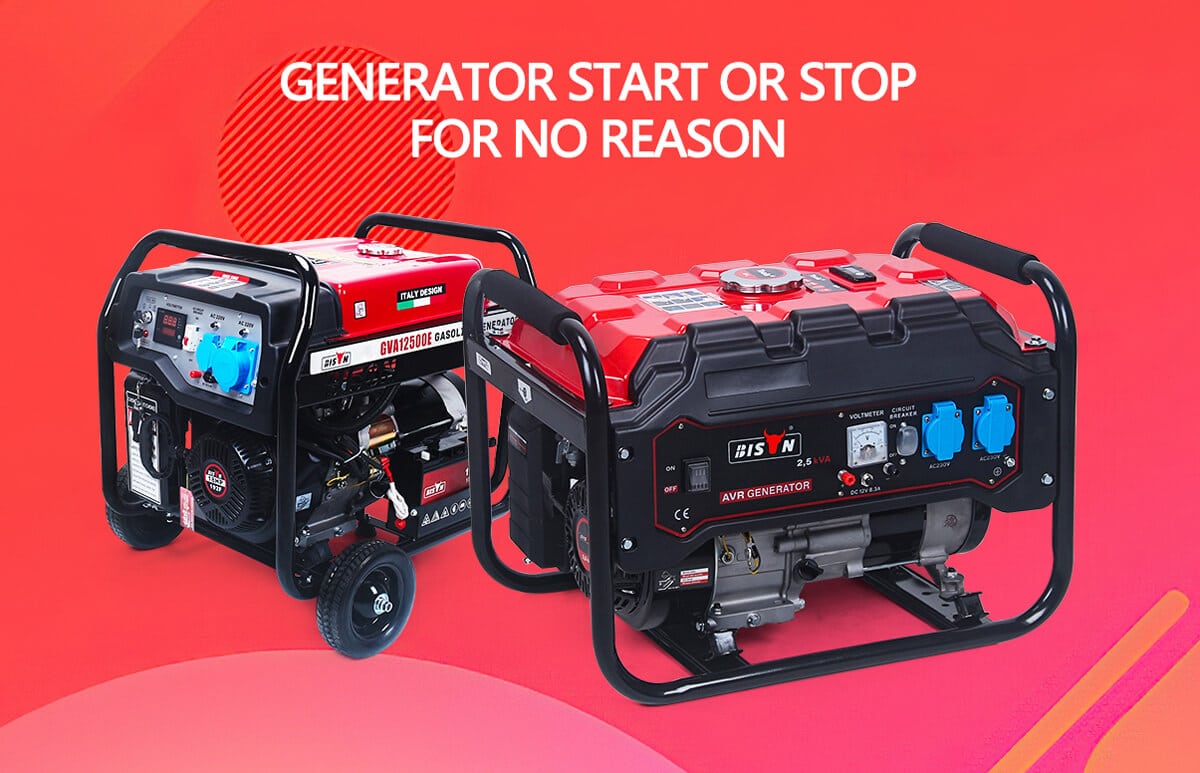
Credit: www.bisonindustry.com
Common Causes Of Starting Issues
Generator starting problems can be frustrating. Many factors can cause these issues. Understanding these causes can help you troubleshoot effectively. Let’s explore some common reasons your generator may struggle to start.
Fuel Problems
Fuel issues are a common reason for starting problems. Old or contaminated fuel can cause starting failure. Generators need fresh fuel. Stale fuel loses its effectiveness. Always check your fuel before trying to start the generator.
Battery Issues
A weak or dead battery can prevent your generator from starting. Batteries can lose charge over time. Cold weather can also affect battery performance. Regularly check your battery’s condition. Replace it if necessary to ensure a smooth start.
Oil Levels
Low oil levels can trigger safety features in generators. These safety features prevent starting to protect the engine. Always check the oil level before use. Maintain proper oil levels for optimal performance.
Clogged Air Filter
A clogged air filter restricts airflow to the engine. This can hinder starting. Regularly inspect the air filter. Clean or replace it as needed to keep the generator running smoothly.
Electrical Issues
Wiring and electrical problems can also cause starting failures. Loose connections can interrupt the power flow. Inspect all wiring for damage or disconnections. Tighten any loose connections to improve performance.
Maintenance Neglect
Skipping regular maintenance can lead to starting issues. Generators need routine checks and servicing. Follow the manufacturer’s maintenance schedule. Keeping the generator well-maintained can prevent many problems.

Credit: www.youtube.com
Checking Fuel Supply
A low fuel supply can cause generator starting problems. Check the fuel tank to ensure it has enough fuel. Also, examine the fuel lines for clogs or leaks that may prevent proper fuel flow.
Checking the fuel supply is a crucial step in diagnosing a generator starting problem. A lack of fuel can prevent your generator from operating effectively, leaving you in a tight spot during an outage. Taking a systematic approach to check the fuel supply can save you time and frustration.Inspect The Fuel Tank
Start by looking at the fuel tank. Is there fuel in it? Sometimes, it’s easy to overlook the basics. – Check the fuel gauge. – If it’s empty, fill it up. Make sure to use the correct type of fuel as specified by your generator’s manufacturer.Look For Fuel Leaks
Next, examine the entire fuel system for leaks. Leaks can lead to inadequate fuel supply and potentially cause engine issues. – Inspect fuel lines and connections. – Look for any signs of wetness or smell of fuel. If you spot a leak, it’s essential to repair it before attempting to start the generator again.Check The Fuel Filter
A clogged fuel filter can disrupt fuel flow, leading to starting problems. – Locate the fuel filter in your generator. – If it looks dirty or blocked, replace it. A clean filter ensures your generator gets the fuel it needs to run smoothly.Examine Fuel Quality
Old or contaminated fuel can be just as problematic. Fuel degrades over time, especially if it sits unused for months. – Check for any discoloration or sediment in the fuel. – If you suspect the fuel is bad, drain it and refill with fresh fuel. Using high-quality fuel is vital for the longevity and performance of your generator. Checking the fuel supply might seem simple, but it’s often the key to resolving starting issues. Have you ever experienced a generator failure due to fuel problems? What steps did you take to resolve it? Your insights could help others avoid the same pitfalls.Inspecting The Battery
A generator starting problem often points to battery issues. Inspect the battery for corrosion or loose connections. A weak or dead battery can stop your generator from starting properly. Ensure the battery is charged and clean for reliable performance.
Inspecting the battery is a crucial first step when troubleshooting generator starting problems. A weak or dead battery often lies at the heart of why your generator won’t start. Understanding how to inspect your battery can save you time, money, and frustration.Check Battery Connections
Start with the battery terminals. Ensure they are clean and securely connected. Loose or corroded connections can prevent power from reaching your generator. – Look for any corrosion. – If you see white or greenish powder, it’s time to clean it off. – Use a mixture of baking soda and water to neutralize the acid and wipe it away. Tighten any loose connections. A secure connection is essential for a smooth start.Test Battery Voltage
Next, test the battery voltage using a multimeter. A fully charged battery should read around 12.6 volts or more. – If the reading is below 12.4 volts, your battery may be undercharged. – Anything below 12 volts usually indicates a dead battery. You can either recharge the battery or replace it, depending on its condition. Regular voltage checks can help you catch issues early.Inspect For Physical Damage
Look for any visible signs of damage on the battery. Cracks, leaks, or swelling can indicate serious problems. – If you spot any of these issues, it’s best to replace the battery immediately. – A damaged battery can be dangerous and may pose a risk of explosion. Always prioritize safety. If you have doubts, consult a professional.Evaluate Battery Age
Consider the age of your battery. Most batteries have a lifespan of 3 to 5 years. – If your battery is nearing the end of its life, it might be time for a replacement. – A new battery can significantly improve your generator’s reliability. Have you checked the age of your battery lately? It’s an easy task that can save you from unexpected generator failures. Inspecting your battery regularly can prevent starting issues down the line. By ensuring that your connections are secure, voltage is adequate, and the battery is in good condition, you’re taking proactive steps toward a reliable generator.Examining Spark Plug Condition
Spark plugs play a key role in starting your generator. They ignite the fuel-air mixture in the engine. A faulty spark plug can cause starting problems. Regularly checking the spark plug can save you time and hassle.
Understanding Spark Plug Functionality
Spark plugs create a small spark. This spark ignites the fuel in the engine. Without this ignition, the engine won’t start. Each spark plug must work correctly for your generator to run smoothly.
Signs Of A Faulty Spark Plug
Several signs indicate a bad spark plug. Look for hard starting, rough idling, or engine misfires. These issues often point to spark plug problems. Inspect the plug for wear or damage.
Inspecting The Spark Plug
Remove the spark plug carefully. Check the electrode for wear. A worn electrode means it needs replacement. Look for carbon buildup, which can block the spark. Clean the spark plug gently with a wire brush.
Replacing The Spark Plug
Replace the spark plug if it is damaged or worn. Use the correct type for your generator. Install it securely but avoid over-tightening. A proper fit ensures good performance.
Regular Maintenance Tips
Check your spark plug every few months. Regular inspections help prevent starting issues. Keep the generator clean and free from debris. A little maintenance goes a long way in keeping your generator running.
Testing The Starter Motor
Testing the starter motor is a crucial step in diagnosing generator starting problems. A malfunctioning starter motor can prevent your generator from starting, leaving you in a bind during power outages or critical moments. By understanding how to test this component, you can save time and potentially avoid costly repairs.
Understanding The Starter Motor’s Role
The starter motor is responsible for turning over the engine to initiate the combustion process. Without it, your generator simply won’t start. Recognizing its importance helps you appreciate why testing it is essential when troubleshooting generator issues.
Gathering The Right Tools
Before you start testing, ensure you have the necessary tools at hand:
- Multimeter
- Screwdriver set
- Wrench set
- Battery tester
Having these tools ready will streamline the testing process and make it more efficient.
Checking Battery Voltage
The first step is to check the battery voltage. A weak battery can mimic starter motor problems. Use a multimeter to measure the voltage:
- Set the multimeter to the DC voltage setting.
- Connect the positive probe to the battery’s positive terminal.
- Connect the negative probe to the negative terminal.
If the reading is below 12.4 volts, your battery may need a charge or replacement.
Inspecting Starter Connections
Next, inspect the connections to the starter motor. Loose or corroded wires can interrupt the electrical flow. Make sure:
- All connections are tight.
- There’s no visible corrosion.
A simple cleaning can often resolve starting issues.
To test the starter motor directly, follow these steps:
- Disconnect the battery to ensure safety.
- Remove the starter motor from the generator.
- Connect the motor directly to a charged battery.
Watch for any movement. If the motor doesn’t spin, it may be faulty and require replacement.
Listening For Unusual Sounds
While testing, pay attention to any unusual sounds. A clicking noise often indicates a weak battery or a faulty starter solenoid. Conversely, a grinding noise can suggest that the starter gear is not engaging properly.
Seeking Professional Help
If you’ve tested everything and your generator still won’t start, it might be time to consult a professional. Sometimes, there are deeper issues that require expert attention. Don’t hesitate to seek help if you’re unsure.
Testing your starter motor doesn’t have to be daunting. By following these steps, you can pinpoint the problem and get your generator back in action. Have you tested your starter motor recently? You might be surprised by what you discover!
Cleaning Air Filters
Cleaning air filters is a crucial step in maintaining your generator’s efficiency and reliability. A clogged air filter can lead to starting problems, causing frustration when you need your generator the most. By keeping your air filters clean, you can ensure your generator runs smoothly and starts without a hitch.
Why Air Filters Matter
Air filters play a vital role in your generator’s performance. They prevent dirt and debris from entering the engine, which can cause wear and tear over time. A clean air filter allows for better airflow, ensuring optimal combustion and fuel efficiency.
Signs Of A Dirty Air Filter
- Difficulty starting the generator
- Reduced power output
- Unusual engine noises
- Increased fuel consumption
If you notice any of these signs, it’s time to check and clean your air filter. Ignoring the problem can lead to more significant issues down the line.
How To Clean Air Filters
- Turn off the generator and let it cool down.
- Locate the air filter, usually found on the side of the generator.
- Remove the air filter cover.
- Take out the air filter and inspect it for dirt and damage.
- Gently tap the filter to remove loose dirt or use compressed air to blow out debris.
- If the filter is heavily soiled or damaged, consider replacing it.
- Reinstall the air filter and cover securely.
This simple cleaning routine can make a world of difference. You’ll find your generator starts more easily and runs more efficiently.
Frequency Of Cleaning
How often should you clean your air filter? It depends on usage and environment. If you operate your generator in a dusty area or use it frequently, check the filter every month. For less frequent use, a quarterly check may suffice.
Benefits Of Regular Maintenance
Regularly cleaning your air filters helps you avoid inconvenient starting problems. It prolongs the life of your generator, saving you money on repairs. Plus, you’ll enjoy peace of mind knowing your generator is ready when you need it.
Have you ever struggled to start your generator right when you needed it? Keeping up with air filter maintenance can prevent those frustrating moments. Take the time to care for your generator, and it will take care of you.
Resetting The Circuit Breaker
Generators sometimes stop working due to a circuit breaker issue. This problem can occur after overloads or short circuits. Resetting the circuit breaker may solve the starting problem quickly. Here’s how to do it safely and effectively.
Locate The Circuit Breaker
First, find the circuit breaker on your generator. It is usually a switch or button. Check the user manual for exact location details. Knowing where it is can save time.
Check The Breaker Status
Look at the circuit breaker. Is it in the “off” position? If yes, it needs to be reset. An indicator light may show if the breaker has tripped. This signal means there is an issue.
Reset The Circuit Breaker
To reset, switch the breaker back to the “on” position. You may hear a click sound. This means the breaker is re-engaged. Wait a moment before trying to start the generator again.
Test The Generator
After resetting, attempt to start the generator. Listen for sounds that indicate it’s working. If it starts, great! If not, further troubleshooting may be necessary.
Seek Professional Help
If the generator still does not start, contact a professional. They can diagnose deeper issues. Regular maintenance helps prevent these problems.
Expert Maintenance Tips
Generator starting problems can be frustrating, especially when you need power the most. Expert maintenance tips can help you avoid these issues and keep your generator running smoothly. Let’s dive into some practical advice that can make a real difference.
Regularly Check The Battery
Your generator’s battery is its lifeline. A dead or weak battery is a common reason for starting problems.
- Inspect battery terminals for corrosion.
- Ensure connections are tight.
- Test the battery voltage regularly.
Replace the battery every three to five years to avoid surprises. This simple step can save you from a non-starting generator when you need it most.
Change The Oil And Filters
Dirty oil can lead to engine problems. Regular oil changes keep your generator in top shape.
- Change the oil every 50 hours of use.
- Replace the oil filter at the same time.
Use high-quality oil suited for your generator model. This practice helps in prolonging the engine’s life and improving performance.
Inspect The Fuel System
Fuel issues often cause starting troubles. Check the fuel tank for water or debris.
- Use fresh fuel; old fuel can cause starting problems.
- Clean or replace the fuel filter regularly.
Consider adding a fuel stabilizer if your generator sits unused for long periods. This keeps the fuel fresh and prevents clogs.
Keep It Clean
Dirt and debris can affect your generator’s performance. Regular cleaning helps maintain airflow and cooling.
- Wipe down the exterior and remove any dust.
- Clear away leaves or grass around the generator.
A clean generator is less likely to have starting issues. It’s a simple yet effective maintenance step.
Run Your Generator Regularly
Generators need exercise, just like any machine. Running your generator every month keeps it in working order.
- Let it run for at least 30 minutes.
- Check for any unusual noises or leaks.
This practice helps lubricate the engine and prevents fuel from going stale. You’ll notice a difference when it’s time to use it in an emergency.
Have you faced starting issues despite regular maintenance? Share your experiences, and let’s figure out how to keep our generators in top shape together!
When To Seek Professional Help
Generator starting problems can be frustrating. Knowing when to call a professional can save time and money. Some issues are easy to fix. Others require expert help.
Signs Of Serious Issues
Be alert for strange noises. Unusual sounds may signal a bigger problem. Smoke or burning smells are also warning signs. These issues can indicate serious damage.
Repeated Starting Problems
Does your generator struggle to start often? Frequent starting issues suggest a deeper problem. One or two failures might be normal. Constant struggles need attention from a professional.
Electrical Problems
Fluctuating power or tripped breakers can indicate trouble. These electrical issues may harm your devices. A technician can diagnose and fix these problems safely.
Fuel Issues
Fuel leaks or low fuel pressure may cause starting problems. These issues can lead to dangerous situations. A professional can handle fuel system repairs properly.
Age Of The Generator
Older generators may need more care. If your unit is over ten years old, seek help. Regular maintenance becomes essential as generators age. Don’t wait for a major failure.

Credit: www.youtube.com
Frequently Asked Questions
What Causes Generator Starting Problems?
Generator starting problems can arise from various issues. Common causes include a dead battery, faulty ignition switch, or blocked fuel lines. Additionally, low oil levels or dirty air filters can hinder performance. Regular maintenance can help prevent these problems and ensure smooth operation.
How Can I Troubleshoot My Generator?
To troubleshoot your generator, start by checking the battery voltage. Make sure connections are clean and tight. Inspect the fuel supply and air filters. If issues persist, consult the user manual for specific troubleshooting steps. Regular checks can help you identify problems early and avoid major repairs.
When Should I Seek Professional Help?
You should seek professional help if basic troubleshooting fails. If your generator shows signs of electrical issues or persistent starting problems, it’s best to consult an expert. Professionals can diagnose complex issues that may not be apparent. This ensures safe and efficient repairs.
Can Cold Weather Affect Generator Starting?
Yes, cold weather can significantly affect generator starting. Low temperatures can lead to battery inefficiency and thickened engine oil. It’s essential to use a battery designed for colder climates. Additionally, consider using a block heater to warm the engine and improve starting performance in winter.
Conclusion
Generator starting problems can be frustrating. Simple checks can help. Make sure the fuel is fresh. Check the oil level and battery connections. Clean the spark plug if needed. Regular maintenance prevents many issues. Always consult the manual for specific guidance.
Troubleshooting step-by-step can lead to quick fixes. Don’t ignore strange sounds or warnings. Taking action early can save time and money. Keep your generator in top shape for reliable power. Addressing problems promptly ensures you stay prepared for any situation.