

Have you just changed the oil in your generator, only to find it won’t start? You’re not alone.
This frustrating situation can leave you feeling confused and worried. You might be wondering what went wrong and how to get your generator running again. We’ll uncover the common reasons why your generator won’t start after an oil change and provide simple solutions to get it back in action.
You deserve reliable power, and we’re here to help you troubleshoot this issue step by step. Keep reading to regain control over your generator and avoid future hiccups!
Credit: www.integrity1auto.com
Common Reasons For Startup Issues
Generators may not start after an oil change. This can be frustrating. Understanding common reasons helps you troubleshoot effectively.
Low Or Overfilled Oil Levels
Incorrect oil levels can cause starting issues. Low oil means the generator lacks lubrication. This can lead to engine damage.
Overfilled oil can create pressure problems. Too much oil can flood the engine. Both situations prevent the generator from starting.
Incorrect Oil Type Used
The type of oil used matters greatly. Using the wrong oil can harm the engine. Check the manufacturer’s specifications for the right type.
Using synthetic oil when not recommended can also cause problems. Stick to the oil that matches your generator’s needs.
Oil Sensor Malfunction
The oil sensor monitors oil levels. A malfunctioning sensor may send false readings. This can stop the generator from starting.
Regularly check the sensor for issues. Replacing a faulty sensor can help the generator start again.
Checking The Oil Level And Quality
Checking the oil level and quality in your generator is crucial, especially after an oil change. If your generator won’t start, this step can often reveal the underlying issue. A simple oversight here can lead to bigger problems down the road.
Steps To Measure The Oil Level
Measuring the oil level in your generator is straightforward. Here’s how to do it:
- Turn Off the Generator:Ensure the generator is completely off and has cooled down.
- Locate the Dipstick:Find the oil dipstick, which is usually near the oil fill cap.
- Remove and Clean:Pull out the dipstick and wipe it clean with a cloth.
- Reinsert and Check:Insert the dipstick back into the tube, then remove it again to check the oil level.
- Assess the Reading:The oil should be between the minimum and maximum marks on the dipstick.
Remember, if the oil level is too low, it can cause your generator to malfunction. Always ensure you refill with the correct type of oil recommended by the manufacturer.
Signs Of Contaminated Oil
Contaminated oil can lead to serious damage. Look out for these signs:
- Dark Color:Fresh oil is typically amber. If it looks dark brown or black, it may be contaminated.
- Grainy Texture:If the oil feels gritty or has particles, it’s a sign of contamination.
- Unusual Smell:A burnt smell can indicate overheating or contamination.
Noticing any of these signs after an oil change? It’s best to drain the oil and replace it with fresh, clean oil. This simple step can save you from costly repairs.
Have you ever experienced starting issues after an oil change? Reflecting on your experiences can help you pinpoint the problem and prevent future mishaps.
Inspecting The Spark Plug
After an oil change, your generator may not start. One common issue is the spark plug. Checking the spark plug is essential. A faulty spark plug can prevent your generator from running. Let’s explore how to identify and fix spark plug issues.
Signs Of A Faulty Spark Plug
Several signs indicate a faulty spark plug. First, the generator may turn over but not start. This often means the spark is weak or absent. You may notice rough idling or misfiring. Poor fuel efficiency can also signal a problem.
Look for physical damage on the spark plug. Cracks or heavy carbon buildup are warning signs. Corrosion on the terminal can also cause issues. Regular inspection helps prevent these problems.
How To Clean Or Replace The Spark Plug
Cleaning the spark plug is a simple task. Start by removing the spark plug from the engine. Use a spark plug wrench for easy removal. Inspect it for damage. If it’s dirty, clean it with a wire brush. Make sure to remove all carbon deposits.
If the spark plug is damaged, it’s best to replace it. Purchase a new spark plug that matches your generator’s model. Install the new plug carefully. Tighten it securely but avoid over-tightening. This simple fix can restore your generator’s performance.
Examining The Air Filter
After an oil change, it can be frustrating when your generator won’t start. One often overlooked culprit is the air filter. A clean air filter is essential for optimal engine performance. If it’s clogged, your generator may struggle to get the air it needs, leading to startup issues.
Symptoms Of A Clogged Air Filter
Recognizing a clogged air filter is key to troubleshooting your generator. Here are some common symptoms:
- Difficulty Starting:If your generator cranks but doesn’t start, the air filter might be restricting airflow.
- Reduced Power Output:A sudden drop in performance can signal that the engine isn’t getting enough air.
- Unusual Noises:Listen for sputtering or coughing sounds that indicate an air supply issue.
- Excessive Smoke:If you see more smoke than usual, it could be a sign of poor combustion due to insufficient airflow.
Steps To Clean Or Replace The Air Filter
Cleaning or replacing your air filter is straightforward. Here’s how to do it:
- Locate the Air Filter:Check your generator’s manual to find the air filter’s location.
- Inspect the Filter:Remove the filter and check for dirt and debris. If it’s visibly dirty, it needs attention.
- Clean or Replace:
- If cleaning, gently tap it to remove dirt or use compressed air. Avoid using water.
- If replacing, ensure you buy the correct filter for your generator model.
- Reinstall:Place the clean or new filter back into its housing, ensuring it fits snugly.
Have you ever had a moment where a small oversight led to a big problem? I once neglected my air filter, thinking it was a minor detail. It wasn’t until I faced repeated startup issues that I realized the importance of this simple component.
Regularly checking your air filter can save you from frustrating situations. It’s a small task that can make a big difference in your generator’s performance. So, when was the last time you gave your air filter some attention?
Testing The Fuel System
Fuel system issues can prevent a generator from starting after an oil change. Check for any air in the fuel lines or clogged filters. Ensure the fuel valve is open and the tank has sufficient fuel. Simple troubleshooting can often resolve the problem.
Testing the fuel system is a crucial step when your generator won’t start after an oil change. Many users overlook this aspect, thinking the oil change alone should solve the issue. However, fuel problems can often be the culprit behind your generator’s reluctance to start.Old Or Contaminated Fuel Issues
Old or contaminated fuel can create significant problems for your generator. Fuel that has been sitting for too long can degrade, leading to issues like poor combustion or clogged fuel lines. Check the date on your fuel. If it’s been more than a few months, it’s time to replace it. Contaminated fuel can cause your engine to sputter, misfire, or not start at all. Consider using a fuel stabilizer for future use. This can help prolong the life of your fuel and prevent issues down the road.Inspecting The Fuel Line And Carburetor
Next, inspect the fuel line and carburetor. A clogged or damaged fuel line can restrict fuel flow, causing your generator to stall. Start by checking for any visible cracks or leaks in the fuel line. If you notice any damage, replacing the line is essential. The carburetor also deserves your attention. A dirty or clogged carburetor can prevent the right fuel-air mixture from reaching the engine. Clean it thoroughly and consider using a carburetor cleaner to ensure it operates properly. Have you ever experienced a stubborn generator that just wouldn’t start? You might find that a simple fuel issue was the root cause. Addressing these fuel system components can often lead to a quick and effective resolution, getting your generator back in action.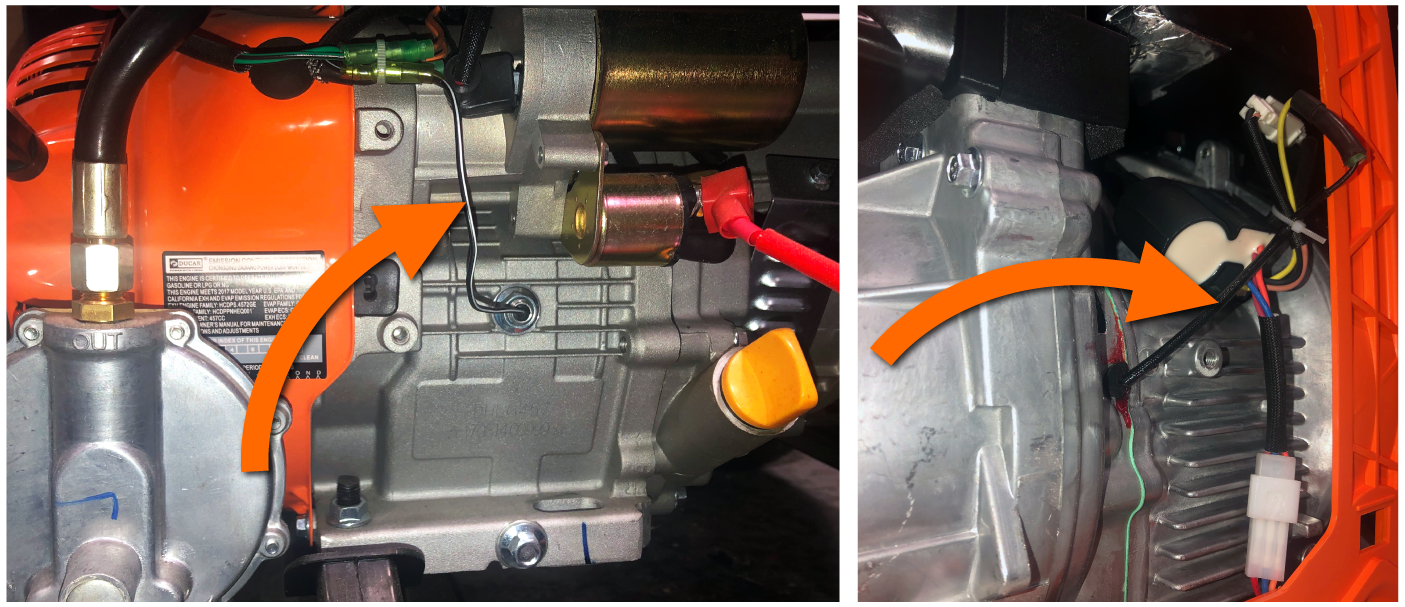
Credit: wenproducts.com
Resetting The Oil Sensor
After changing the oil, a generator may not start due to an oil sensor issue. Resetting the oil sensor can help solve this problem. Follow the manufacturer’s instructions to ensure the sensor is properly reset for smooth operation.
Resetting the oil sensor is a crucial step if your generator won’t start after an oil change. Many people overlook this simple yet vital aspect. A malfunctioning oil sensor can trigger safety mechanisms, preventing your generator from starting, even if everything else is functioning correctly.Steps To Reset The Sensor
Resetting the oil sensor isn’t complicated. Here’s a straightforward guide to help you through the process: 1. Turn Off the Generator: Always start by turning off the generator and disconnecting it from any power source. Safety first! 2. Locate the Oil Sensor: Find the oil sensor on your generator. It’s typically situated near the oil filter or oil pan. 3. Check the Wiring: Inspect the wiring connected to the sensor. Make sure there are no frayed wires or loose connections. 4. Disconnect the Sensor: Carefully disconnect the oil sensor from its harness. 5. Wait a Few Minutes: Allow a couple of minutes for the system to reset. 6. Reconnect the Sensor: Plug the oil sensor back into its harness securely. 7. Turn On the Generator: Start your generator and check if it runs smoothly. If the generator still doesn’t start, double-check the oil levels and ensure the oil is at the recommended level.When To Replace The Sensor
Sometimes, resetting the oil sensor isn’t enough. If you’ve followed the steps and your generator still won’t start, it might be time to consider a replacement. Look for these signs: – Persistent Warning Lights: If the oil warning light remains on, even after resetting, the sensor could be faulty. – Oil Leaks: Any visible oil leaks near the sensor might indicate damage. – Inconsistent Readings: If the oil level indicator fluctuates without any changes to the oil level, it’s a sign the sensor may need replacing. Replacing the oil sensor can prevent future headaches. It’s a small investment for peace of mind and reliable operation. Have you experienced any of these issues with your generator? Understanding these signs can save you time and frustration in the long run.Battery And Electrical Connections
When a generator won’t start after an oil change, check the battery and electrical connections first. These parts are crucial for the generator’s operation. A weak battery or loose wires can prevent the engine from starting. Let’s explore how to check these issues.
Checking Battery Charge
Start by checking the battery charge. A weak battery may not provide enough power. Use a multimeter to measure the voltage. A healthy battery should read around 12.6 volts. Anything lower indicates a need for charging or replacement.
Try jump-starting the generator. Use jumper cables and another vehicle. Make sure to connect the cables properly. If the generator starts, the battery was likely the issue. If not, move on to the next step.
Inspecting Loose Or Damaged Wires
Next, inspect the wires connected to the battery. Look for any loose or damaged connections. A loose wire can interrupt power flow. Tighten any loose connections carefully.
Check for frayed or corroded wires. Damaged wires can lead to starting problems. Replace any wires that show signs of wear. Ensuring all connections are clean and tight is essential. This can solve many electrical issues.
Credit: www.integrity1auto.com
When To Seek Professional Help
A generator that won’t start after an oil change may signal deeper issues. Strange noises or smoke could indicate problems. Seeking professional help can ensure safe and proper repairs.
When your generator refuses to start after an oil change, it can be frustrating. You might be tempted to troubleshoot the issue yourself. However, there are times when seeking professional help is the best course of action. Understanding when to consult an expert can save you time, money, and further complications.Persistent Startup Problems
If your generator won’t start despite multiple attempts, it’s time to consider professional help. You should not ignore the signs of a persistent issue. – Have you tried starting the generator several times with no success? – Are you hearing unusual noises, like grinding or knocking? These symptoms may indicate a deeper problem that requires expert diagnosis. I recall a time when my generator would crank but not start after an oil change. I checked the oil level, fuel, and battery connections. After days of frustration, I called a technician, who quickly identified a faulty spark plug. Don’t let pride or uncertainty keep you from getting the help you need.Signs Of Internal Engine Damage
Watch for signs of internal engine damage, such as smoke or strange odors. If you notice any of these, do not hesitate to reach out to a professional. – Is there excessive smoke coming from the exhaust? – Are there strange smells like burning oil or fuel? These indicators can suggest severe issues that could worsen over time. Ignoring these signs could lead to costly repairs or even a complete engine failure. It’s better to be safe than sorry. Have you ever found yourself in a situation where a small problem escalated into a major repair? Don’t wait for that to happen with your generator. Taking prompt action can save you stress and money in the long run. If you’re unsure, calling a professional can provide peace of mind and a thorough evaluation.Frequently Asked Questions
Why Won’t My Generator Start After An Oil Change?
If your generator won’t start after an oil change, it could be due to several issues. Ensure the oil is at the proper level and has been filled correctly. Check for any leaks or blockages in the fuel line. Lastly, inspect the spark plug for any damage or wear.
Did I Use The Right Oil For My Generator?
Using the wrong type of oil can prevent your generator from starting. Always refer to the manufacturer’s manual for the recommended oil specifications. Using the correct viscosity ensures proper lubrication and optimal performance. If you’ve used the wrong oil, drain it and refill with the appropriate type.
Could Air In The Fuel Line Cause Starting Issues?
Yes, air in the fuel line can definitely cause starting issues. It prevents fuel from reaching the engine, which can lead to failure. To resolve this, you can bleed the fuel line to remove any trapped air. This should help your generator start more reliably.
What Other Reasons Could Prevent Generator Startup?
Several factors can prevent your generator from starting. These include a dead battery, faulty ignition switch, or clogged fuel filter. Additionally, check for loose connections or damaged wiring. Each of these issues requires specific troubleshooting to identify and resolve the problem effectively.
Conclusion
A generator that won’t start after an oil change can be frustrating. Check the oil level. Ensure the oil is clean and filled properly. Look for any loose connections. Inspect the fuel system too. Sometimes, simple issues cause big problems.
Take your time to troubleshoot. If the generator still won’t start, consider seeking help from a professional. Remember, regular maintenance helps prevent these issues. Keep your generator in good shape for future use. A little care goes a long way.
Stay prepared and keep your generator running smoothly.