
When the power goes out, having a reliable backup source can make all the difference. That’s where propane generators come in.
But how do they work? Understanding the mechanics behind these machines can help you make informed decisions for your home or business. Whether you’re preparing for an emergency or just looking to boost your energy independence, knowing how propane generators function can empower you.
You’ll discover the inner workings of these generators, their benefits, and why they might be the perfect solution for your power needs. Keep reading to unlock the secrets of propane generators and find out how they can keep you connected when it matters most.
Propane As A Fuel Source
Propane is a popular choice for powering generators. It is clean, efficient, and easy to store. Many people prefer propane because it burns cleaner than gasoline. This means fewer harmful emissions enter the air.
Propane is a byproduct of natural gas processing and petroleum refining. It is stored in tanks as a liquid. When released, it turns into gas and mixes with air. This mixture fuels the generator’s engine.
Benefits Of Using Propane
Using propane offers many benefits. It is safe and reliable. Propane does not spoil, so it has a long shelf life. This makes it great for emergency situations.
Propane generators run quieter than gasoline models. This can be important in residential areas. The lower noise level is a big advantage.
Storage And Availability
Storing propane is simple. Tanks come in various sizes, depending on needs. Small tanks can be used for portable generators. Large tanks are available for home use.
Propane is widely available. Many gas stations sell propane. Local suppliers often deliver it directly to homes. This makes it easy to keep a supply on hand.
Environmental Impact
Propane is a cleaner fuel option. It produces fewer greenhouse gases than gasoline. This makes it better for the environment. Using propane helps reduce air pollution.
Choosing propane can lower your carbon footprint. This is a responsible choice for eco-conscious users. Every little bit helps the planet.
Key Components Of Propane Generators
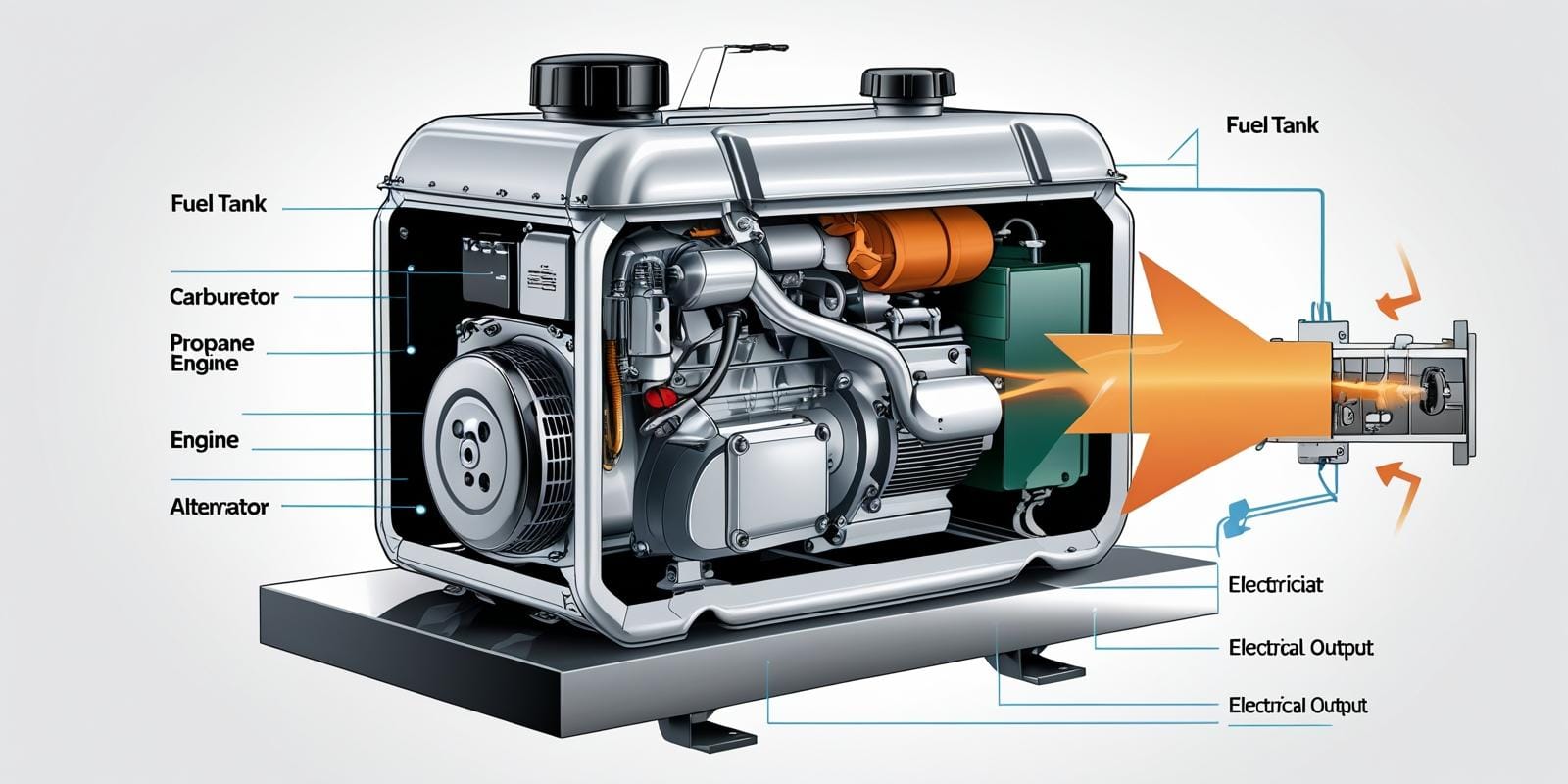
Understanding the key components of propane generators helps you use them better. Each part plays a role in how the generator works. Knowing these parts can help you troubleshoot issues and maintain your generator.
Engine
The engine is the heart of the generator. It converts propane into mechanical energy. This energy creates electricity. Most engines in propane generators run on four-stroke systems. They are efficient and reliable.
Fuel System
The fuel system stores and supplies propane to the engine. It includes a propane tank and fuel lines. The tank can be portable or fixed. Proper connections are crucial for safe operation.
Alternator
The alternator generates electricity. It converts mechanical energy from the engine into electrical power. This component is vital for providing usable power.
Control Panel
The control panel allows you to operate the generator easily. It shows important information like voltage and frequency. Users can start or stop the generator from here.
Cooling System
The cooling system prevents the engine from overheating. It circulates coolant around the engine. Keeping the engine cool is important for efficiency and longevity.
Chassis
The chassis supports all components. It houses the engine, alternator, and fuel system. A sturdy chassis ensures stability during operation.
Exhaust System
The exhaust system removes harmful gases from the engine. It helps keep the air clean. Proper exhaust management is essential for safety.
Ignition And Combustion Process
Understanding the ignition and combustion process of propane generators can be fascinating. It’s a dance of chemistry and engineering that brings reliable power to your fingertips. Whether you’re a homeowner seeking backup power or an adventurer needing energy on the go, knowing how your generator works can enhance your experience.
Ignition System
The ignition system is where everything begins. It’s like turning the key in your car’s ignition. Propane is mixed with air to create a combustible mixture. The generator’s spark plug then delivers a high-voltage spark to ignite this mixture. Have you ever noticed how smoothly your propane grill lights up? That’s the spark at work, and in generators, this process is just as seamless.
Fuel Injection
After ignition, the next step involves fuel injection. Propane generators use a carburetor or a fuel injector to introduce the propane-air mix into the combustion chamber. This must be done precisely to maintain efficiency and power output. It’s like cooking a perfect dish; too much or too little of any ingredient can ruin the outcome. The generator ensures the mix is just right for optimal performance.
Combustion Chamber
The combustion chamber is where the magic happens. Once the propane-air mixture is ignited, it rapidly expands, creating pressure that pushes the pistons. This movement generates mechanical energy, which is converted into electricity. Have you ever felt the thrill of watching a rocket launch? The principle here is similar, albeit on a much smaller scale, converting energy into motion and then electricity.
Exhaust System
Just like a car, propane generators have an exhaust system to expel burnt gases. These gases are the byproduct of the combustion process. Keeping the exhaust system well-maintained ensures your generator runs smoothly and safely. You wouldn’t let your car’s exhaust get clogged, right? The same care applies to your generator.
Understanding these processes not only helps in maintaining your generator but also gives you a sense of control and peace of mind. What part of your generator’s operation surprised you the most? Share your thoughts and experiences with others who might be just as curious about their propane generator’s inner workings.
Power Generation Mechanism
Propane generators use a simple but effective mechanism to produce power. They convert propane gas into electricity through a few key steps. Understanding these steps helps users grasp how these generators work. This knowledge can assist in making informed decisions.
Fuel Supply
The process starts with propane gas. A tank stores the fuel. The generator draws the gas from this tank. A regulator controls the gas flow. This ensures the right amount reaches the engine.
Combustion Process
Once the gas enters the engine, it mixes with air. The mixture goes into the combustion chamber. A spark plug ignites this mixture. This creates a small explosion that pushes the piston.
Mechanical Energy To Electrical Energy
The movement of the piston turns the crankshaft. This action generates mechanical energy. The crankshaft is connected to an alternator. The alternator converts mechanical energy into electrical energy.
Power Output
The generator then delivers power through electrical outlets. Users can connect devices to these outlets. This process allows for reliable power supply when needed. It is especially useful during outages or for remote locations.
Safety Features And Systems
Safety is a top priority with propane generators. These devices have built-in features to protect users. Understanding these systems helps ensure safe operation.
Automatic Shut-off System
This system turns off the generator if it detects a problem. It can sense low oil levels or overheating. This feature prevents damage and keeps users safe.
Carbon Monoxide Detectors
Many propane generators include carbon monoxide detectors. These alarms alert users to dangerous gas levels. A quick response can prevent serious health issues.
Overload Protection
Overload protection stops the generator from running too much power. It prevents damage to the generator and connected devices. This feature enhances safety during use.
Ground Fault Circuit Interrupters (gfci)
GFCIs protect against electrical shocks. They cut off power if they sense a fault. This is crucial for outdoor use, where moisture can be a risk.
Ventilation Systems
Proper ventilation is essential for safe operation. Generators should be used outdoors or in well-ventilated areas. This reduces the risk of carbon monoxide buildup.
Emergency Stop Switch
The emergency stop switch quickly shuts down the generator. Users can easily access it in an emergency. This feature adds an extra layer of safety.
Efficiency And Performance Factors
Understanding how propane generators work involves looking at their efficiency and performance. These factors determine how well a generator operates. They also affect fuel consumption and power output.
Fuel Quality
The quality of propane impacts generator performance. Pure propane burns cleaner than mixed fuels. Clean fuel means less buildup in the engine. This leads to longer life and better efficiency.
Generator Size
Choosing the right size generator is crucial. A generator too small may struggle. It can lead to overheating and damage. A larger generator can waste fuel if not fully utilized. Size matters for efficiency.
Load Management
Managing electrical load affects performance. A balanced load helps the generator run smoothly. Overloading can cause the generator to fail. Proper load management maximizes efficiency.
Maintenance Practices
Regular maintenance keeps a generator running well. Changing oil and air filters is essential. Clean parts help maintain optimal performance. Neglected generators waste fuel and produce less power.
Temperature And Environment
Operating temperature impacts efficiency. Extreme heat or cold can reduce performance. Generators perform best in moderate conditions. Keep them in a suitable environment for better results.
Environmental Benefits Of Propane Generators
Propane generators are gaining popularity, not just for their efficiency but also for their environmental benefits. By choosing propane, you are opting for a cleaner energy source that can significantly reduce your carbon footprint. Let’s dive into how these generators contribute to a healthier planet.
Lower Emissions
Propane generators emit fewer greenhouse gases compared to diesel or gasoline generators. They produce significantly less carbon monoxide, nitrogen oxides, and particulate matter.
- Propane burns cleaner than traditional fuels.
- Less pollution means better air quality.
- Reduces your overall environmental impact.
Imagine powering your home during an outage with a fuel that is not only effective but also kinder to the planet. You can enjoy peace of mind knowing you’re making a responsible choice.
Renewable Energy Potential
Propane can be produced from renewable sources like biomass. This means that as technology advances, the potential for using renewable propane will grow.
By investing in propane generators, you support the transition toward cleaner energy. You are part of a movement that encourages innovation and sustainability in energy production.
Less Environmental Damage
Propane is stored in tanks, which minimizes the risk of spills and leaks that can occur with other fuels. This storage method helps protect soil and water resources.
Consider a camping trip where you rely on a propane generator. The peace of mind that comes from knowing you’re using a fuel that won’t harm the environment enhances the overall experience.
Improved Efficiency
Propane generators are more efficient in converting fuel to energy. They can operate at a higher capacity with less fuel consumed.
Using a fuel-efficient generator means fewer resources are needed for the same output. This efficiency not only saves you money but also conserves energy.
Are you ready to make a change for the better? Choosing a propane generator can help you contribute to a cleaner environment while meeting your energy needs.
Maintenance And Longevity Tips
Keeping your propane generator in good shape is essential. Regular maintenance helps it run well for years. Follow these tips to extend its life and ensure smooth operation.
Regular Inspections
Check your generator often. Look for signs of wear and tear. Inspect hoses, connections, and the fuel system. Catching issues early can save money.
Change The Oil
Change the oil every 50 hours of use. Old oil can cause engine damage. Use the recommended oil type for your generator.
Clean The Air Filter
A clean air filter improves efficiency. Check it monthly and clean or replace it as needed. This simple step helps your generator breathe better.
Keep It Fueled
Always use high-quality propane. Bad fuel can harm your generator. Store propane tanks properly and keep them full.
Test It Regularly
Run your generator monthly. Testing ensures it works when needed. Let it run for 30 minutes to keep the battery charged.
Store Properly
Store your generator in a dry place. Avoid direct sunlight and moisture. Protect it from dust and debris to keep it clean.
Seek Professional Help
If you notice problems, call a technician. Professional maintenance can prevent bigger issues. Regular service keeps your generator reliable.
Common Applications And Uses
Propane generators are versatile tools. They serve many purposes. These machines run on propane fuel. They are efficient and reliable. Here are some common applications.
Home Backup Power
Propane generators provide backup power for homes. They keep essential appliances running. Lights, refrigerators, and heaters stay on during outages. This is crucial for safety and comfort.
Construction Sites
Many construction sites use propane generators. They power tools and equipment. Workers can operate saws, drills, and lights. Propane is a convenient fuel choice on-site.
Outdoor Events
Outdoor events often rely on propane generators. They supply power for sound systems and lights. Festivals, weddings, and parties benefit from this. It ensures a fun and enjoyable atmosphere.
Recreational Use
Camping and RV trips utilize propane generators. They provide electricity for cooking and charging devices. Campers enjoy modern comforts in nature. This makes outdoor experiences more enjoyable.
Agricultural Operations
Farmers use propane generators for various tasks. They power irrigation systems and farm equipment. This helps maintain crops and livestock. Reliable power is vital for farming success.
Comparing Propane Generators To Other Types
Understanding how propane generators stack up against other types of generators can help you make an informed choice for your power needs. Each generator type has its unique advantages and drawbacks. Let’s break it down to see how propane generators compare to gasoline and diesel generators.
Propane Vs. Gasoline Generators
Propane generators have a significant edge in terms of fuel storage and safety. Propane can be stored indefinitely without deteriorating, while gasoline has a shelf life of just a few months.
- Storage:Propane tanks are easier to manage and can be refilled as needed.
- Safety:Propane is less flammable than gasoline, reducing the risk of fire hazards.
However, gasoline generators tend to offer a higher power output. If you need immediate power for heavy-duty appliances, gasoline might be your go-to option.
Propane Vs. Diesel Generators
Diesel generators are known for their durability and longevity. They can run longer and are often used in commercial settings. Yet, they can be more expensive upfront and require more maintenance.
- Cost:Diesel generators typically have a higher initial cost.
- Maintenance:They require regular maintenance, which can add to your expenses.
Propane generators, on the other hand, are quieter and cleaner. If you’re concerned about noise or emissions, propane is the better choice.
Environmental Impact
In terms of environmental impact, propane generators produce fewer emissions than gasoline or diesel options. This makes them a more eco-friendly choice. If you care about reducing your carbon footprint, propane could be the way to go.
Consider your priorities. Are you looking for cost-effectiveness, environmental safety, or perhaps something that can handle heavy loads? Your needs will determine the best fit.
Choosing the right generator involves weighing these factors carefully. What features matter most to you? Will you prioritize fuel efficiency, ease of use, or power output?
Frequently Asked Questions
What Is A Propane Generator?
A propane generator is a power source that runs on propane gas. It produces electricity for various uses.
How Does A Propane Generator Work?
It works by burning propane in an engine. This creates energy, which powers electrical components.
What Are The Benefits Of Propane Generators?
They are cleaner than gasoline generators. Propane burns more efficiently and produces less pollution.
Can I Use Propane Generators Indoors?
No, propane generators should not be used indoors. They produce carbon monoxide, which is dangerous.
How Long Can A Propane Generator Run?
A propane generator can run as long as it has fuel. Running time depends on load and tank size.
Are Propane Generators Noisy?
Most propane generators are quieter than gasoline models. Noise levels vary by brand and size.
How Do I Maintain A Propane Generator?
Regular checks include oil changes and air filter cleaning. Keep it in a dry, safe area.
What Size Propane Generator Do I Need?
Choose a size based on your power needs. Calculate the wattage for your essential devices.
Is Propane More Expensive Than Gasoline?
Propane prices can vary but are often cheaper than gasoline. Check local prices for the best option.
Can I Convert A Gasoline Generator To Propane?
Yes, many gasoline generators can be converted to run on propane. Purchase a conversion kit for the process. “`
Conclusion
Propane generators offer a reliable power source. They work by converting propane gas into electricity. This process is efficient and clean. Users appreciate their portability and ease of use. Regular maintenance keeps them running well. Understanding how they work helps in choosing the right generator.
Always consider your power needs before buying. Propane generators can be a smart choice for backup power. They provide peace of mind during outages. Knowing the basics can make a big difference.