
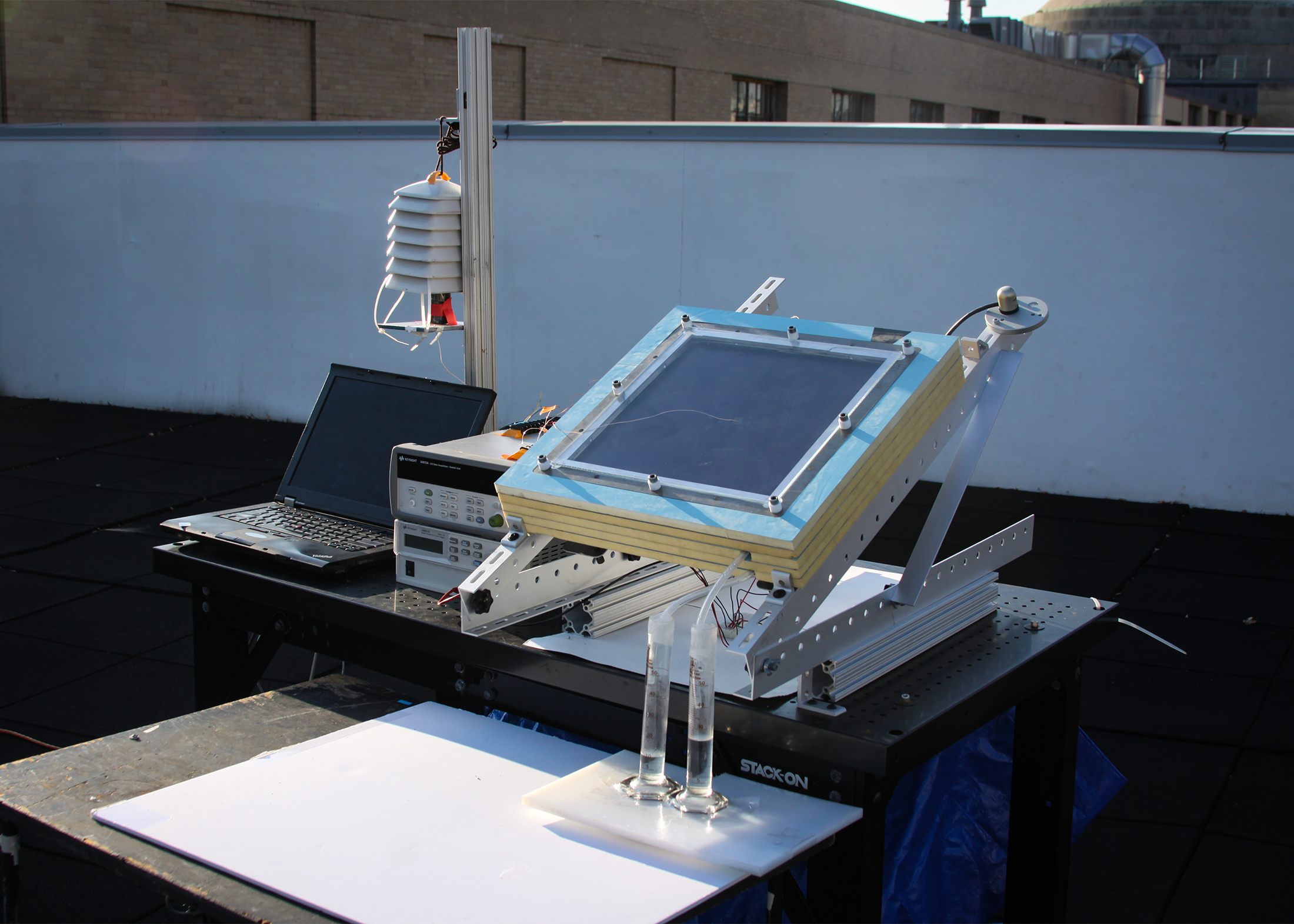
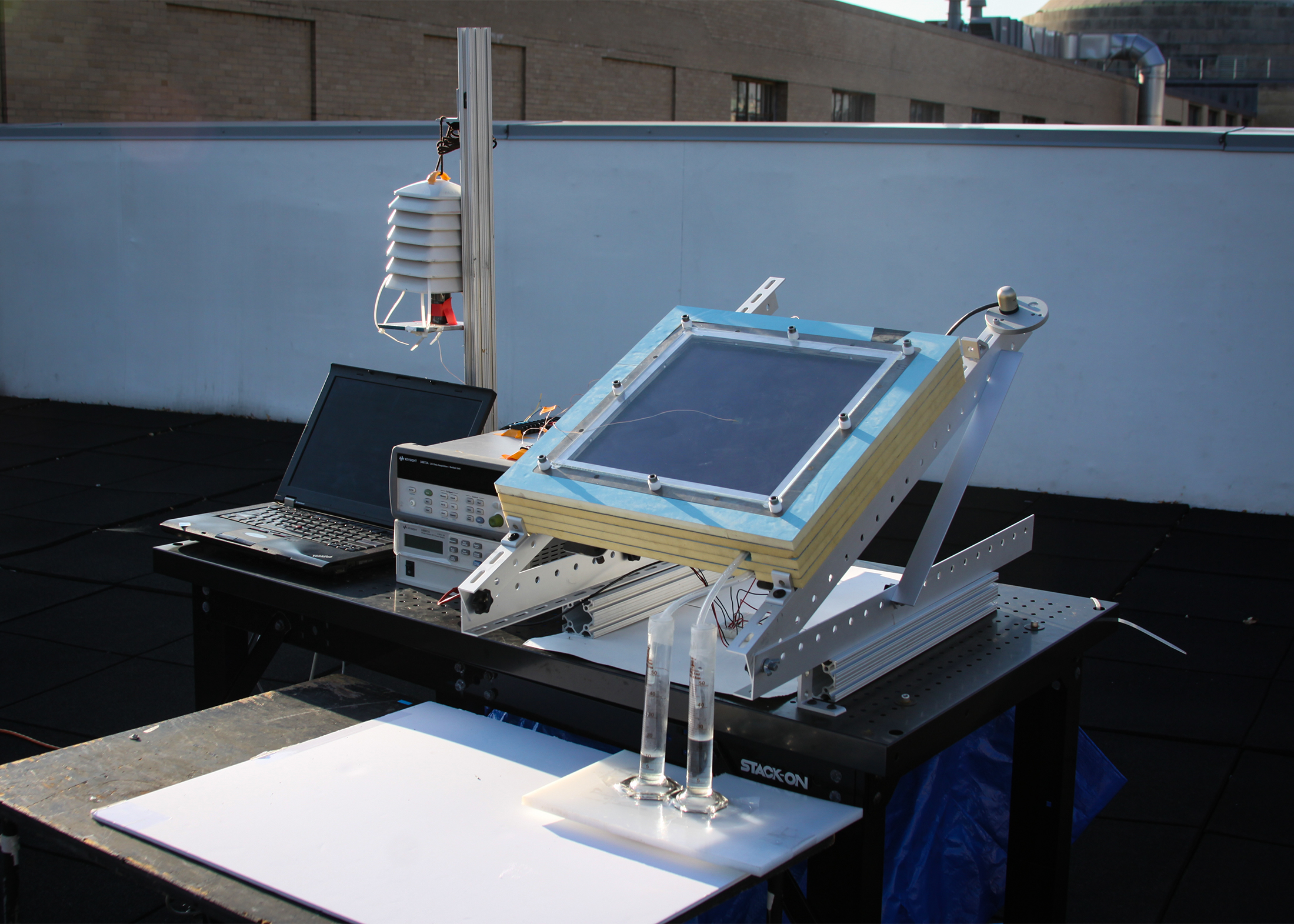
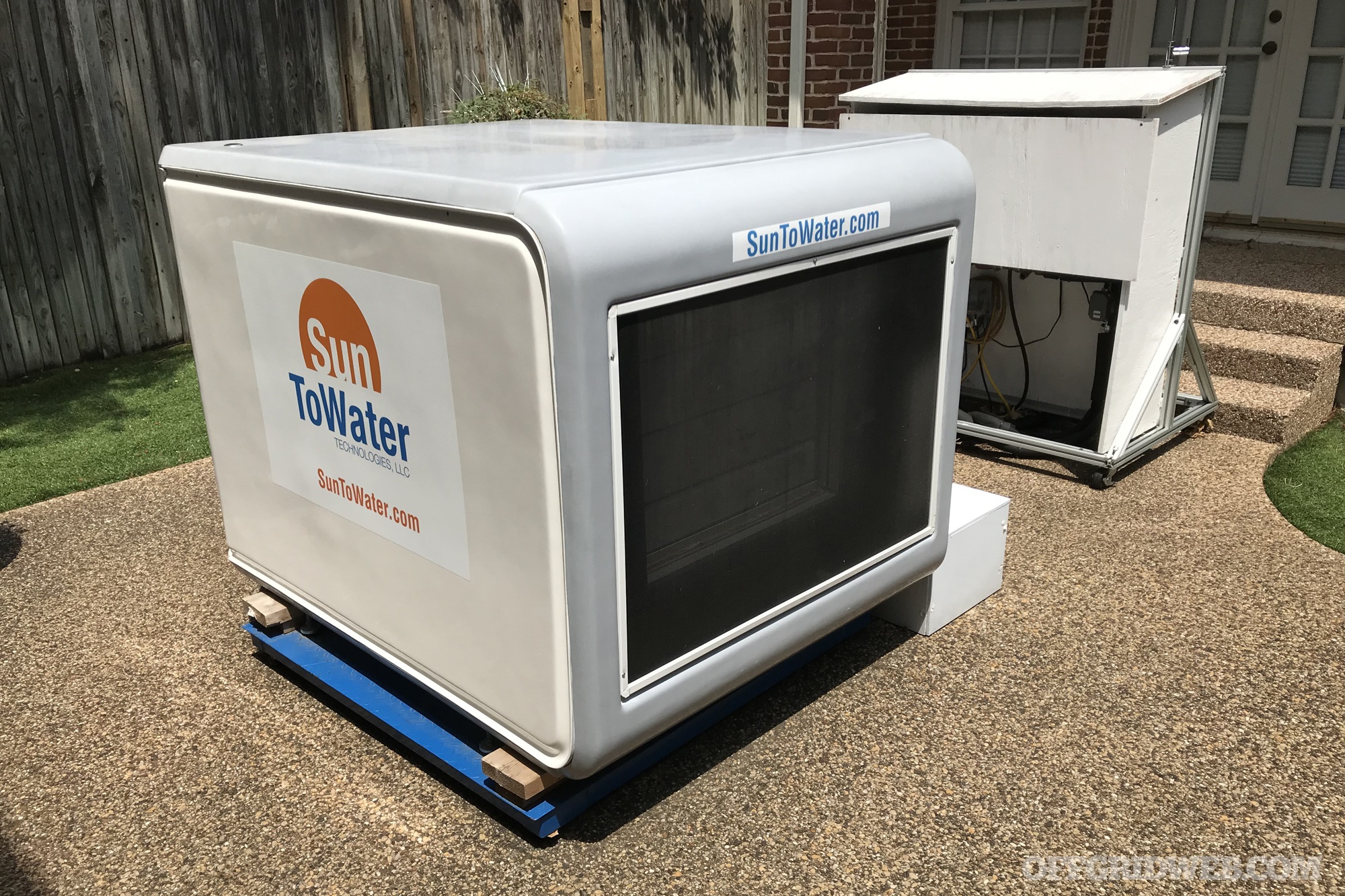
Solar-powered atmospheric water generators extract humidity and condense it into safe drinking water using solar energy.
I have studied and worked with water systems for years, and I can walk you through exactly how do solar powered atmospheric water generators work. This article breaks the science into plain steps, shows system types, gives real-world tips from field tests, and explains when these systems make sense. Expect clear diagrams in words, practical advice, and simple rules to judge performance.

How do solar powered atmospheric water generators work: the basic science
Atmospheric water generators pull water vapor from the air. They then cool or absorb that vapor. The vapor becomes liquid water. Solar panels or solar thermal heat power this process.
There are two main methods. One uses refrigeration to cool air below its dew point. The other uses a desiccant to capture moisture and then releases it with heat. Both need power and controls. Solar energy supplies that power, either directly or through batteries.
how do solar powered atmospheric water generators work as systems that join meteorology and simple plumbing. They work best where air has moderate humidity and heat. I have seen units make water even in dry areas by using strong desiccants and heat.

Core components and how each part functions
- Solar panels
Provide electricity to run compressors, fans, pumps, and control electronics. - Charge controller and MPPT
Manage solar output and protect batteries when used. - Battery bank (optional)
Stores energy for night or low-sun periods. - Compressor, evaporator, condenser (for refrigeration AWG)
Compressor moves refrigerant. Evaporator cools air. Condenser releases heat. - Desiccant wheel or materials (for desiccant AWG)
Attract moisture from air. Later heated to release water vapor. - Heat exchangers
Improve efficiency by recovering cold or heat. - Filtration and disinfection
Carbon filters, sediment filters, UV or small RO units for safe drinking water. - Storage tank and pump
Hold and deliver produced water.
how do solar powered atmospheric water generators work because each component must match the climate and desired output. In my projects, mismatched compressors cut yield by half. Proper sizing matters.

Types of solar-powered AWGs and how they differ
- Refrigeration-based AWG
Cool air below dew point. Condense water drops. Works best in warm, humid climates. - Desiccant-based AWG
Use hygroscopic materials to capture moisture. Release with heat and condense. Better in lower humidity. - Hybrid AWG
Combine desiccant and refrigeration to boost performance across climates. - Solar thermal AWG
Use concentrated heat to regenerate desiccants or drive vapor compression. - PV-direct AWG
Run electrical components directly from PV during daylight with optional battery backup.
how do solar powered atmospheric water generators work differently by design. Refrigeration units usually give steady yields in high humidity. Desiccant units can work in arid conditions at lower yields.

Performance factors: what controls water yield
- Air temperature and humidity
Higher humidity and temperature yield more water. - Dew point
The closer air temperature is to the dew point, the easier condensation becomes. - Solar insolation
More sun yields more power and higher output. - System efficiency
COP (coefficient of performance) and heat recovery cut energy needs. - Air flow rate
Faster, well-filtered airflow increases contact and yield. - Maintenance and cleanliness
Dirty coils or clogged filters reduce output.
Sample yields to give scale:
- Small rooftop PV AWG (1 kW PV): often 2–10 liters per day in coastal tropical settings.
- Larger systems (3–5 kW PV): can reach 20–50 liters per day in good conditions.
- Industrial units with optimized thermal recovery: 100+ liters per day under ideal conditions.
how do solar powered atmospheric water generators work depends on local climate. Expect wide yield ranges. In my tests, a 2 kW PV unit produced 18 liters/day in humid summer, but only 3 liters/day in dry winter.
Benefits and limitations
Benefits
- Off-grid water source
Useful where pipes or wells are absent. - Low chemical risk
Water comes from air, not groundwater with minerals or pollutants. - Scalable
Systems range from small household units to large community plants. - Renewable power
Solar reduces fuel needs and carbon footprint.
Limitations
- Climate dependent
Low humidity reduces efficiency and yield. - Energy intensity
Refrigeration needs power; desiccants need heat. - Cost
Initial capital can be high for quality systems and storage. - Maintenance
Filters, coils, and desiccants need regular care.
how do solar powered atmospheric water generators work well where conditions match. I have advised NGOs to avoid AWGs for very dry, cold sites where yields were too low to justify costs.

Real-world use cases and examples from experience
- Remote cabins and off-grid homes
I installed a prototype AWG for a small cabin. It provided safe water for basic needs in humid months. - Disaster relief
Solar AWGs can make water quickly when pipes fail. - Agriculture and livestock
Small-scale units helped a farm keep poultry hydrated in a humid region. - Military and exploration
Portable AWGs reduce the need to haul water.
Lessons learned
- Size systems to peak demand, not average demand.
- Include filtration to protect health.
- Plan for seasonal swings in yield.
- Budget for yearly maintenance.
how do solar powered atmospheric water generators work in practice? They are tools with clear strengths. They are not magic. Use them where climate, budget, and maintenance fit the plan.
Installation, maintenance, and tips to maximize output
- Site selection
Place panels for full sun. Place AWG where airflow is clean and away from dust sources. - Sizing
Match PV capacity and battery storage to machine power draw and desired liters/day. - Energy management
Use MPPT chargers and efficient inverters. Consider running AWG during peak sun. - Maintenance routine
Replace air filters monthly in dusty areas. Clean coils and check seals quarterly. - Water safety
Add UV or small RO if source contaminants are a concern. Sanitize tank regularly. - Optimization tricks
Use night cooling or pre-cool air to raise condensation. Recover heat from condensers to regenerate desiccants.
From my work, a simple tip made a big difference: adding a shaded pre-filtered inlet reduced coil fouling and improved yield by 20% in the first year.

Common quick questions (PAA-style)
Can AWGs work off grid with only solar panels?
Yes. With proper PV sizing and battery backup, AWGs can run off grid. Performance varies with sun and system efficiency.
Do AWGs make safe drinking water?
They can, but filtration and disinfection are recommended. Add UV or carbon filters for best safety.
How much maintenance is needed?
Plan light weekly checks and deeper maintenance every 3–12 months. Filters and coils require the most care.
Frequently Asked Questions of how do solar powered atmospheric water generators work
What climates are best for solar-powered AWGs?
Warm, humid climates yield the most water. Coastal tropical regions are ideal, but desiccant systems can extend use to drier areas.
How much power does an AWG need?
Power needs range widely. Small units may use a few hundred watts. Larger units can need several kilowatts during operation.
Are AWGs cheaper than drilling a well?
It depends. Wells often cost less long-term in many sites. AWGs win when wells are poor quality, deep, or unavailable.
Can AWGs work at night?
Yes, if the system has battery storage or thermal regeneration. Without storage, night operation needs stored energy.
How do I ensure the water is potable?
Use multi-stage filtration and UV sterilization. Periodically test water and clean tanks to keep water safe.
Are desiccant AWGs better in dry climates?
Often yes. Desiccant systems can capture moisture at lower relative humidity and then release it with heat.
Do solar AWGs require permits?
Local rules vary. Some places require water system permits, building permits, or health inspections. Check local regulations.
Conclusion
Solar-powered atmospheric water generators turn air into water. They do this by cooling or absorbing moisture and then condensing it into liquid. They pair well with solar power for off-grid water needs. I have used them in field projects and learned to size systems for climate, keep filters clean, and plan for seasonal yield changes.
If you are considering a system, start with a climate and needs audit. Compare refrigeration and desiccant designs. Test a small unit first. Share your goals and site details to get tailored advice or to find models that match your climate. Leave a comment, subscribe for updates, or reach out with your site data for a quick performance estimate.