

Have you ever wondered how a basic generator works? Understanding the mechanics behind these machines can be incredibly useful, especially when you need a reliable power source during an outage or while camping.
We’ll break down the essential components of a generator and explain how they come together to produce electricity. You’ll discover how simple yet effective designs create power, and why knowing this can help you make better choices when selecting a generator for your needs.
Stick with us to unveil the secrets of generator operation and gain insights that could save you time and money.
Principles Of Electricity Generation
A basic generator converts mechanical energy into electrical energy. It works by rotating a coil within a magnetic field. This movement creates an electric current, powering devices and appliances efficiently. Understanding this process helps grasp how electricity is generated in everyday life.
Electricity generation is a fascinating process that powers our daily lives. Understanding how a basic generator works can demystify this essential technology. The principles of electricity generation hinge on the interplay of various physical concepts, primarily electromagnetic induction. Let’s break this down to see how it all comes together.Role Of Electromagnetic Induction
Electromagnetic induction is the backbone of how generators function. It occurs when a conductor, like a copper wire, moves through a magnetic field. This movement creates an electric current. Think about the times you’ve pedaled a bike with a small generator attached to the wheel. As you pedal, the rotation moves a magnet past a coil, generating power to light up your bike’s headlight. This principle drives everything from small portable generators to large power plants. The relationship between magnetism and electricity is not just theoretical; it’s practical and evident in our everyday devices.Key Components In Action
A basic generator consists of several key components that work in harmony. – Rotor: This is the rotating part that often includes the magnets. – Stator: The stationary part that contains coils of wire. – Engine: It provides the mechanical energy required to spin the rotor. When the engine turns the rotor, the magnetic field around it interacts with the coils in the stator. This interaction produces electrical energy through electromagnetic induction. Imagine starting your generator during a power outage. You crank the engine, and the rotor spins, creating electricity that powers your essentials. Every time you flip a switch, remember there’s a fascinating process behind it, driven by these components working together. Understanding these basics can help you appreciate the technology and even troubleshoot minor issues in your generator. Have you ever wondered how such simple components can create such powerful energy?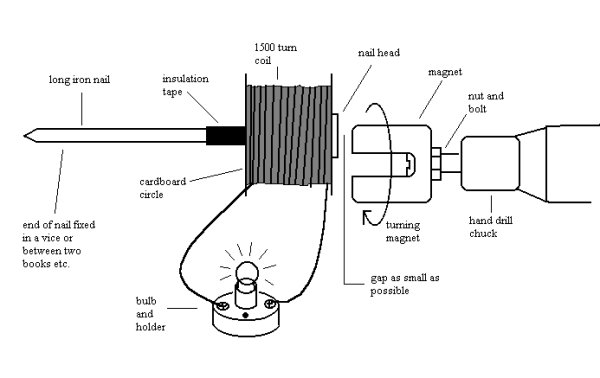
Credit: www.creative-science.org.uk
Core Parts Of A Generator
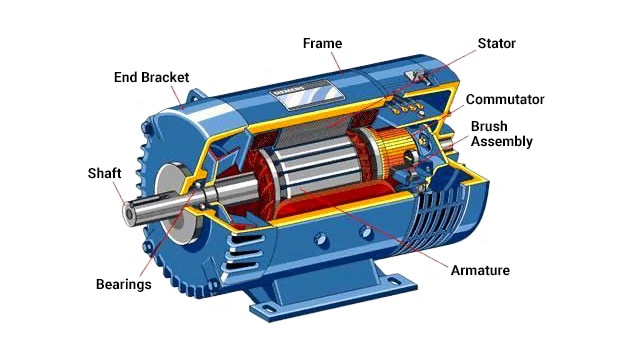
Generators have key parts that work together. Each part plays a special role. Understanding these parts helps us know how generators produce electricity. Let’s explore the core components that make this possible.
Rotor And Stator Functions
The rotor spins inside the generator. It creates a magnetic field. This movement is crucial for generating electricity. The stator is fixed around the rotor. It captures the energy produced by the rotor. Together, they convert mechanical energy into electrical energy.
Importance Of The Armature
The armature is essential in a generator. It carries the electrical current. Usually, the armature is part of the stator. It helps transform magnetic energy into usable power. Without the armature, the generator cannot deliver electricity.
Role Of The Commutator
The commutator is key for directing current. It converts alternating current into direct current. This process makes the electricity usable for most devices. The commutator connects the rotor to the external circuit. It ensures a steady flow of electricity.
How Energy Is Converted
A basic generator works by converting mechanical energy into electrical energy. It uses magnets and coils to create electricity. When the generator spins, it generates power, which can then be used to run appliances and machines. This process is crucial for providing electricity in many settings.
How does a basic generator convert energy? This transformation is fundamental to its operation. Understanding this process can help you appreciate the mechanics behind the generator that powers your home or tools. Let’s break down how energy is converted in a generator, focusing on the mechanical to electrical transformation and the sources of that mechanical energy.Mechanical To Electrical Transformation
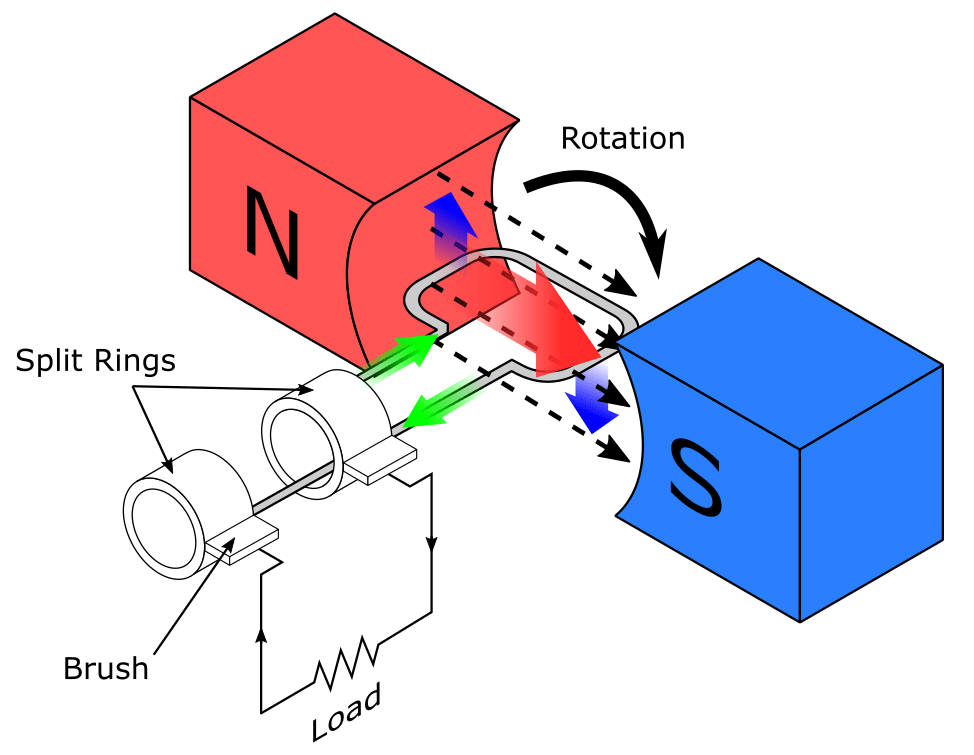
Generators work on a simple principle: they convert mechanical energy into electrical energy. At the core of this process is electromagnetic induction. As the generator’s rotor spins, it creates a magnetic field. This movement causes electrons in the wire coils to move, generating an electric current. The faster the rotor spins, the more electricity is produced. This means that optimizing the speed of your generator can lead to more efficient energy conversion.Sources Of Mechanical Energy
Mechanical energy in generators can come from various sources. Common sources include: – Internal combustion engines: These engines burn fuel to create motion, which drives the generator. – Wind turbines: Here, wind turns the blades, which are connected to the generator’s rotor. – Hydropower: Water flowing through turbines creates the mechanical energy needed to generate electricity. Do you have a preferred energy source for your generator? Understanding these sources can help you choose the best generator for your needs. Different applications may call for different types of mechanical energy. For instance, a portable generator may rely on gasoline, while a solar generator harnesses sunlight. The choice affects efficiency, cost, and environmental impact. How you harness mechanical energy will determine the effectiveness of your generator. It’s worth considering what energy source fits best with your lifestyle or project needs.Types Of Generators
Generators are essential devices that convert mechanical energy into electrical energy. They come in various types, each designed for specific needs. Understanding these types helps in choosing the right generator for different applications.
Ac Generators
AC generators produce alternating current. They are also known as alternators. These generators use a rotating magnetic field. This field induces an electric current in the coils of wire. AC generators are commonly used in power plants. They supply electricity to homes and industries. Their design allows for efficient energy distribution.
Dc Generators
DC generators produce direct current. They have a simpler design than AC generators. A DC generator uses a commutator to convert the current. This type is often used in battery charging. It is also found in small applications like toys and tools. DC generators provide stable voltage for sensitive devices.
Applications In Daily Life
Generators play a vital role in our daily lives. AC generators power homes, schools, and hospitals. They ensure that we have electricity for lighting and appliances. DC generators charge batteries for vehicles and electronics. Their reliability makes them important in emergencies. Generators keep our lives running smoothly.
Maintaining Generator Efficiency
Keeping your generator running well is important. Regular maintenance helps it work better. A well-maintained generator lasts longer and saves money.
Neglecting maintenance can lead to problems. Simple tasks can keep your generator efficient. Here are some tips to help you maintain your generator.
Regular Maintenance Tips
Check the oil level every month. Change the oil every 100 hours of use. Clean or replace the air filter often. This helps the engine breathe better.
Inspect the fuel system regularly. Look for leaks or blockages. Use fresh fuel to avoid issues. Old fuel can damage the engine.
Run the generator every few weeks. This keeps the battery charged. It also helps the engine stay in good condition.
Keep the generator clean. Remove dirt and debris around it. A clean unit runs more efficiently.
Troubleshooting Common Issues
Generators may have some common problems. If it does not start, check the fuel level. Ensure the battery is charged.
Listen for strange noises. These can signal mechanical issues. Look for loose parts or damaged components.
If the generator runs poorly, check the air filter. A clogged filter can restrict airflow. Clean or replace it as needed.
For smoke or unusual smells, turn it off immediately. This could indicate a serious problem. Seek professional help if needed.
Credit: www.electricgeneratorsdirect.com
Credit: savree.com
Frequently Asked Questions
How Does A Generator Produce Electricity?
A generator converts mechanical energy into electrical energy. It uses electromagnetic induction, where a conductor moves through a magnetic field. This movement generates electrical current, which can then be used to power devices and appliances.
What Are The Main Components Of A Generator?
A basic generator consists of three main components: an engine, an alternator, and a fuel system. The engine provides mechanical energy, the alternator converts it into electrical energy, and the fuel system supplies the necessary fuel to keep the engine running.
How Does Electromagnetic Induction Work In Generators?
Electromagnetic induction occurs when a conductor moves through a magnetic field. This movement induces an electrical current in the conductor. In generators, rotating magnets or coils create this magnetic field, leading to the generation of electricity as the conductor moves.
What Fuels Do Generators Commonly Use?
Generators can operate on various fuels, including gasoline, diesel, natural gas, and propane. The choice of fuel often depends on the generator type and intended use. Each fuel type has its advantages, such as efficiency, availability, and cost-effectiveness.
Conclusion
A basic generator is simple yet effective. It converts mechanical energy into electrical energy. Understanding how it works helps in using it properly. Generators power homes and businesses during outages. They provide essential energy when needed most. Regular maintenance keeps them running smoothly.
Knowing the parts and functions makes troubleshooting easier. With this knowledge, you can make informed choices about generators. Stay prepared and ensure you have a reliable power source.